
Understanding Screw Air Compressor Wear and Maintenance

The main engine of a screw air compressor is crucial, as bearings and components have their own service life. Over time, under long-term high-speed operation, these parts inevitably wear out, leading to axial and radial displacement of the screw. This displacement changes the clearance between screws, the screw and the main body shell, and the front and rear end faces. While some clearance changes are normal and permissible within the bearing’s service life, significant wear can cause serious issues.
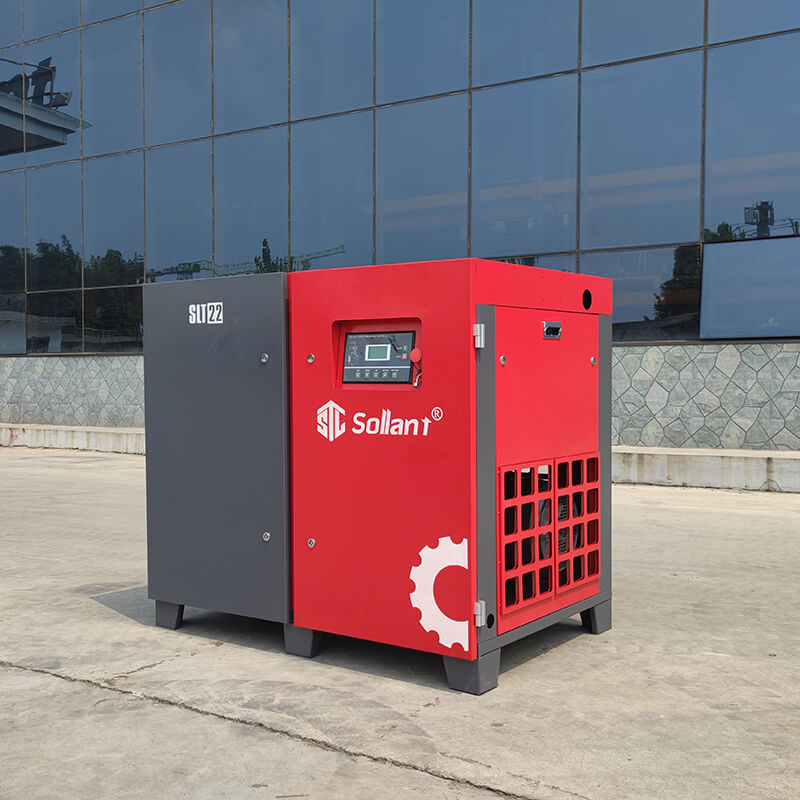
Consequences of Excessive Bearing Wear in Air Compressors
Friction and Motor Load
When bearing wear exceeds allowable limits, friction can occur between internal screws and the front and rear sections, as well as between screws and the housing. This increases motor load and can lead to the screws locking up or the main unit being scrapped. If the motor protection fails or isn’t sensitive enough, it may result in motor burnout.
Decline in Gas Production
A significant decline in gas production affects the normal operation of the gas-consuming unit. This indicates the need for major repairs on the main unit of the screw air compressor.

Major Maintenance Requirements for Screw Air Compressors
After around 20,000 hours or four years of operation, screw air compressors usually require major maintenance, including bearing replacement. Long-term operation leads to internal bearing wear, causing loud noise and high temperatures. These signs indicate the need for an overhaul. In addition to these standards, you can make accurate judgments based on the following:
- Operating Sound of the Compressor
Listen for abnormal noise in the bearings during operation. Loud screw friction sounds suggest that the bearing clearance is too large, leading to unbalanced operation.
- Motor Operating Current in Air Compressors
Check if the motor’s operating current, especially during no-load operation, is too high. If the motor is functioning correctly, high current indicates a fault in the machine head.
- Bearing Vibration in Screw Compressors
Inspect each bearing on the machine head for abnormal vibrations.
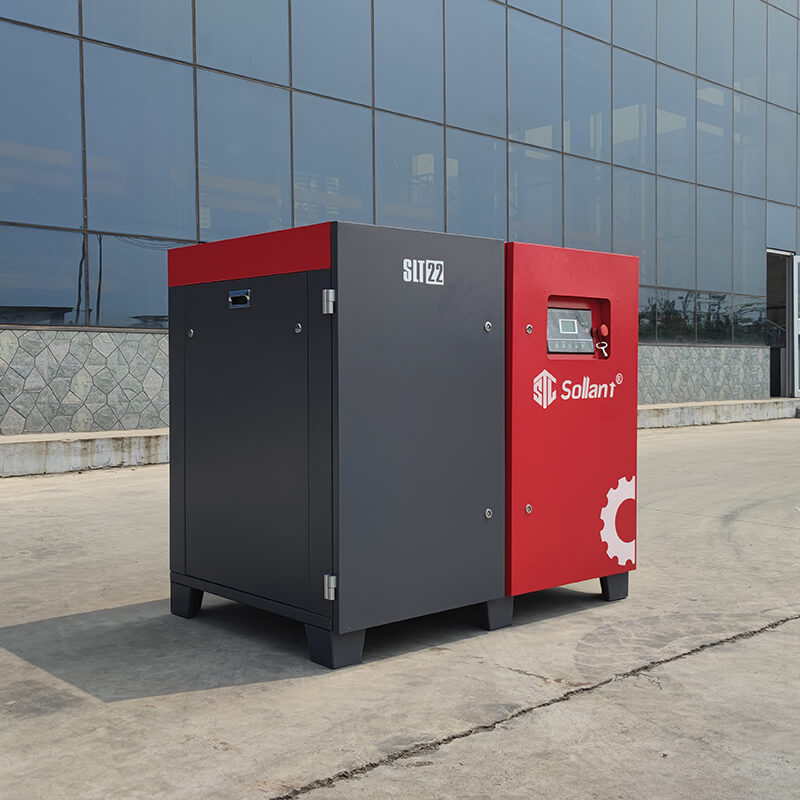
Conclusion
Regular monitoring and maintenance are vital for screw air compressors to ensure their longevity and efficiency. Pay close attention to operating sounds, motor currents, and bearing vibrations to identify and address issues promptly. Proper maintenance can prevent serious damage and ensure reliable operation.
For further insights into air compressor maintenance, explore www.sollant.com.

Meta Description: Ensure the longevity and efficiency of your screw air compressor with our comprehensive maintenance guide. Learn about the consequences of bearing wear, major maintenance requirements, and how to monitor for signs of wear and tear. Proper upkeep prevents damage and maintains optimal performance.
Request a Quick Quote Now
How to do my business well ?
- Market situation
- Technology configuration
- Strike Price
- exclusive agency
- Import and export assistance
- More…

