
Screw Air Compressor Explained Simply for Everyone
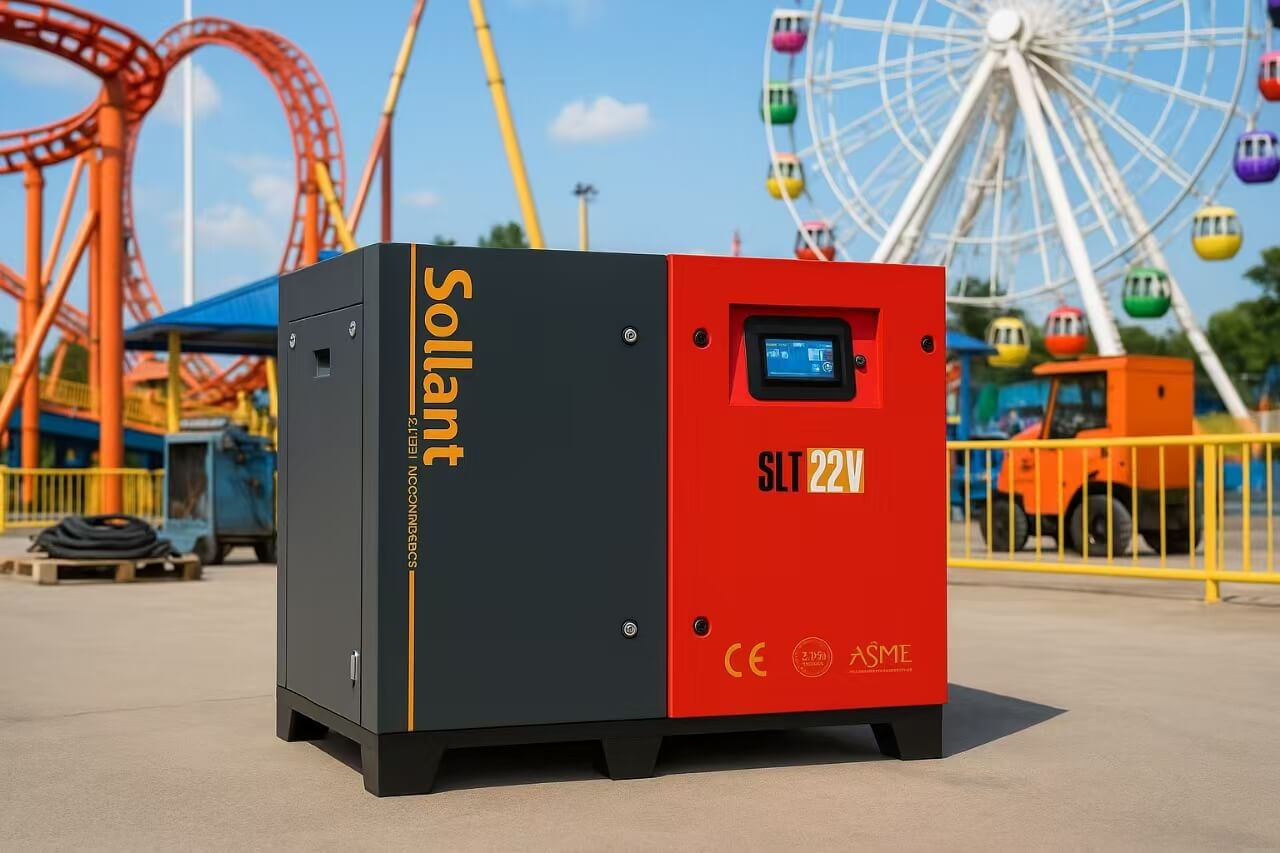
A screw air compressor uses two rotating screws to squeeze air and create pressure. You see these machines more often in factories today because industries want equipment that saves energy and works reliably. Many companies choose this type of compressor because it delivers clean, steady air and keeps up with modern automation. Recent technology, such as smart controls and eco-friendly designs, has made screw air compressors even more popular in places like car factories, food plants, and medicine production.
Table of Contents
Key Takeaways
-
Screw air compressors use two rotating screws to compress air, providing a steady and reliable airflow for various applications.
-
These compressors are energy-efficient, requiring less maintenance and producing less noise compared to other types like piston compressors.
-
They are ideal for industries that need continuous air supply, such as healthcare, food processing, and manufacturing.
-
Modern screw air compressors often feature smart controls that adjust speed based on air demand, saving energy and costs.
-
With proper care, screw air compressors can last 15 to 20 years, making them a long-term investment for businesses.
What Is a Screw Air Compressor?
Simple Definition
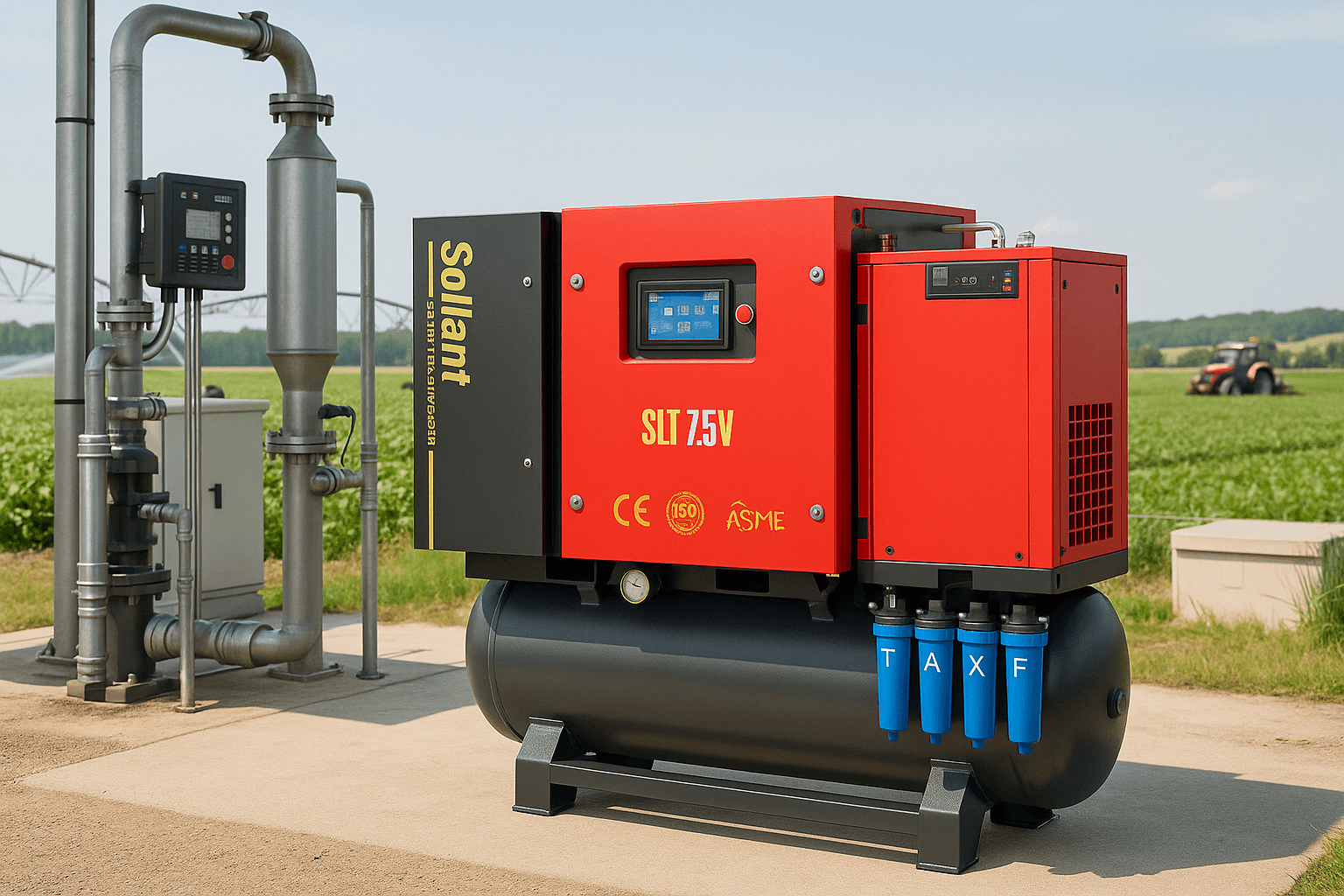
You can think of a screw air compressor as a machine that squeezes air using two special screws. These screws spin side by side inside a metal case. As they turn, they trap air and push it into a smaller space. This action increases the air pressure. You get a steady stream of compressed air that you can use for many jobs, like powering tools or running machines.
Tip: If you picture two gears turning together, you get a good idea of how the screws work inside the compressor.
Key Differences from Other Compressors
When you compare a screw air compressor to other types, you notice some important differences. The most common types you might hear about are reciprocating compressors and centrifugal compressors. Each works in its own way and fits different needs.
Here’s a quick look at how screw air compressors stand out:
-
You get continuous airflow, which means the machine does not stop and start all the time.
-
You hear less noise because the screws move smoothly, unlike pistons that bang up and down.
-
You spend less time on maintenance since there are fewer moving parts.
-
You save space because the design is compact.
Let’s break down the differences in a table:
|
Feature |
Screw Air Compressor |
Reciprocating Compressor |
|---|---|---|
|
Operation and Efficiency |
Runs efficiently with steady flow |
Works in cycles; less efficient for long use |
|
Maintenance Requirements |
Needs less servicing; simple design |
Needs more frequent repairs; complex parts |
|
Size and Space Requirements |
Fits in smaller spaces |
Takes up more room |
|
Noise Levels |
Quiet operation |
Louder due to moving pistons |
|
Capacity and Output |
Great for high-volume, nonstop jobs |
Better for short bursts or changing demand |
|
Longevity |
Lasts longer; smoother operation |
Wears out faster; needs more repairs |
You also find differences when you look at centrifugal compressors. These use spinning blades called impellers to move air, not screws. Centrifugal compressors work best when you need changing airflow, but screw air compressors shine when you want high pressure and steady air.
|
Feature |
Screw Air Compressor |
Centrifugal Compressor |
|---|---|---|
|
Working Principle |
Uses two screws to squeeze air |
Uses spinning blades to move air |
|
Structural Design |
Has two helical screws in a metal case |
Has an impeller and diffuser |
|
Application Suitability |
Best for steady, high-pressure jobs |
Best for jobs with changing airflow |
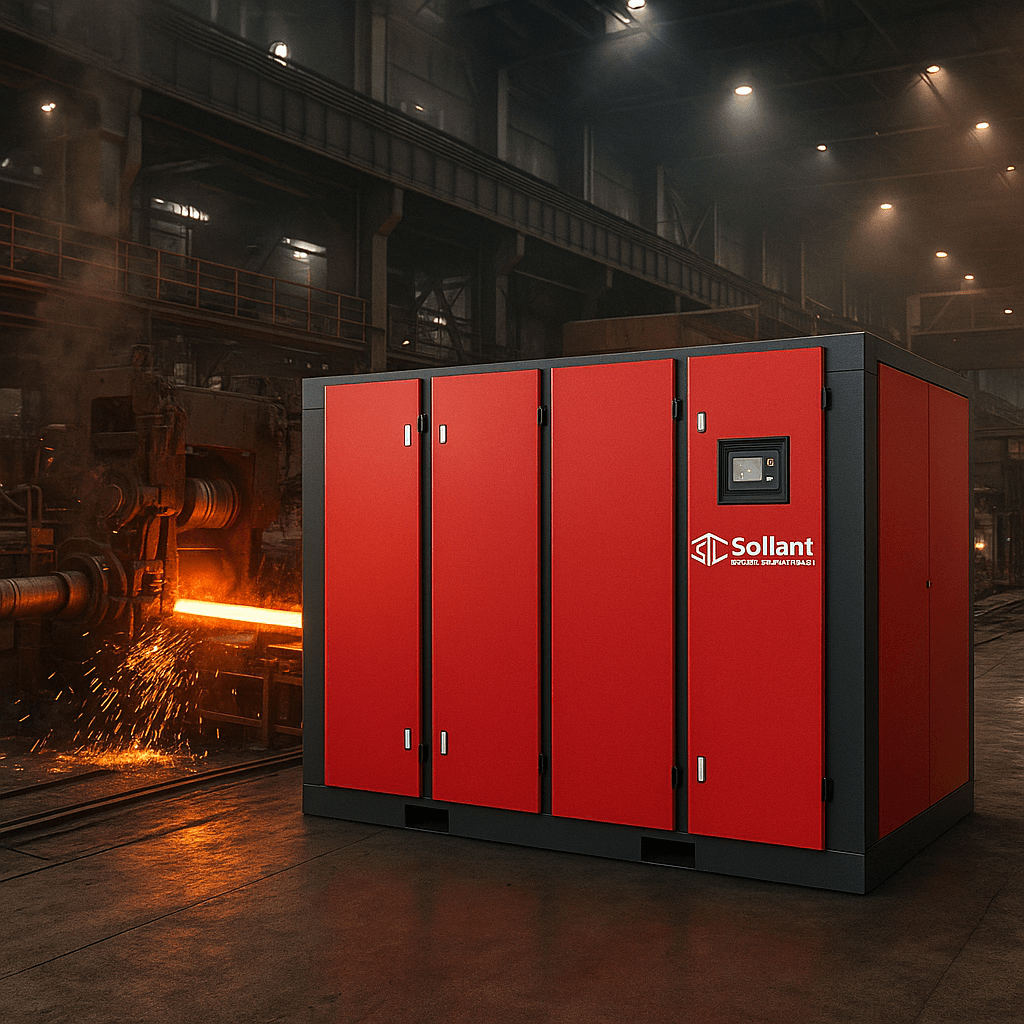
You see screw air compressors in places where you need reliable, nonstop air. Factories, car shops, and food plants often choose them because they work quietly, save energy, and last a long time.
How It Works
The Compression Process
You might wonder how a screw air compressor actually squeezes air. The secret lies in two special rotors, often called the male and female screws. These rotors turn together inside a metal case. As they spin, they trap air and push it through a smaller and smaller space. This action raises the air pressure.
Here is a simple step-by-step look at what happens inside:
-
Air enters the compressor through an air filter. This filter keeps out dust and dirt.
-
The two rotors, shaped like screws, catch the air. Oil is added at this stage to keep everything cool and smooth.
-
As the rotors turn, they push the air forward. The space between the rotors gets smaller, so the air gets squeezed tighter.
-
The hot, pressurized air and oil mixture moves to a special tank called the separator.
-
In the separator, most of the oil is removed from the air. The oil goes back to the compressor after cooling down.
-
When the pressure in the separator drops to a set level, a valve opens. The high-pressure air then moves to a cooler.
-
The cooler lowers the temperature of the air, making it ready for use.
Note: The rotary positive displacement mechanism uses the turning motion of the rotors to trap and compress air. This method works efficiently and keeps the process steady.
You will find that most screw air compressors in factories work within a pressure range of 5 to 20 bar (about 72 to 290 psi). Here is a quick look at typical pressure levels:
|
Description |
Pressure Range |
|---|---|
|
Compressor Discharge Pressure |
10-11 barg (145-160 psig) |
|
Desired Operating Pressure |
7 barg (100 psig) |
Continuous Airflow
One big advantage of a screw air compressor is its ability to deliver a steady stream of air. Unlike piston compressors, which work in bursts, screw compressors keep the air flowing without stopping. This makes them perfect for jobs that need constant air, like running paint sprayers or powering machines in a factory.
|
Feature |
Screw Compressors |
Piston Compressors |
|---|---|---|
|
Airflow Type |
Continuous operation |
Intermittent operation |
|
Air Supply Stability |
Stable and reliable |
Fluctuating, needs a tank |
|
Duty Cycle |
Great for high demand |
Not ideal for nonstop use |
You will notice the difference in places like auto repair shops. A screw air compressor can power several tools at once without losing pressure. This steady airflow prevents sudden drops, which often happen with piston compressors during busy times.
Modern screw air compressors often use variable-speed drives. These drives let the compressor change its speed based on how much air you need. When demand is low, the compressor slows down and saves energy. When you need more air, it speeds up. This smart feature helps you save money on electricity and keeps the system running smoothly.
Tip: Variable-speed drives help reduce wasted energy and keep your air supply steady, even if your needs change throughout the day.
Main Parts
Rotors (Screws)
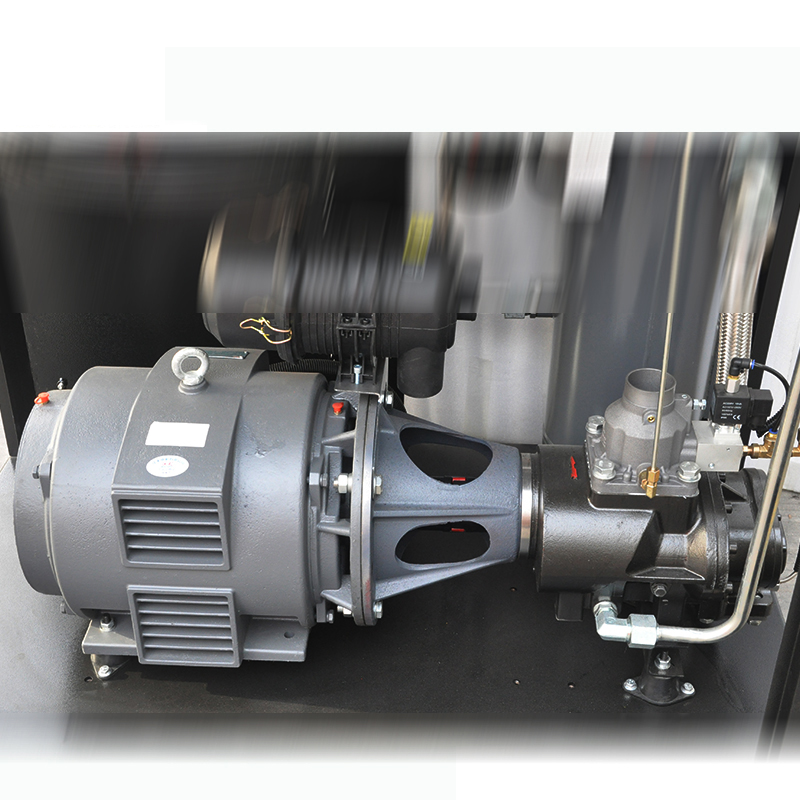
You find the rotors at the heart of every screw air compressor. These two interlocking screws, called rotors, trap and squeeze air as they spin. Manufacturers use strong metals for rotors, mixing elements like carbon, chromium, vanadium, cobalt, tungsten, and boron. Each element adds something special. Carbon makes the rotors hard and strong. Chromium protects them from rust. Vanadium and tungsten help them resist wear. Cobalt increases toughness. Boron boosts hardness.
|
Element |
Symbol |
Purpose |
|---|---|---|
|
Carbon |
C |
Enhances hardness and strength |
|
Chromium |
Cr |
Provides corrosion resistance |
|
Vanadium |
Vi |
Improves wear resistance |
|
Cobalt |
Co |
Increases toughness |
|
Tungsten |
W |
Enhances wear resistance |
|
Boron |
B |
Improves hardness |
Rotors must stay in perfect shape. If they wear out, the compressor loses efficiency and may break down.
Housing
The housing surrounds the rotors and keeps everything in place. You notice that the design of the housing helps reduce noise and makes the compressor last longer. Sound-dampening enclosures trap noise inside. Vibration damping materials stop shaking and lower wear. The airflow design inside the housing prevents sound from escaping easily. Proper alignment of parts keeps vibrations low. Surface treatments cover all areas, making the housing even better at blocking noise.
|
Feature |
Contribution to Noise Reduction and Durability |
|---|---|
|
Sound-dampening enclosures |
Reduces overall noise levels by containing sound within the housing. |
|
Vibration damping materials |
Minimizes vibration resonance, which can lead to noise and wear. |
|
Strategic airflow design |
Prevents direct sound transmission by creating tortuous paths for air. |
|
Proper component alignment |
Reduces structure-borne noise by ensuring minimal vibration transfer. |
|
Comprehensive surface treatment |
Enhances acoustical treatment effectiveness by covering all surfaces. |
Most screw air compressors run at noise levels between 65 and 75 dBA. You hear less noise compared to other types.
Inlet and Outlet Valves
Valves control how air moves in and out of the compressor. The air inlet valve lets air enter the machine. It stays closed when you start the compressor, then opens as needed. The minimum pressure valve keeps enough pressure for oil to move and prevents air from flowing backward. The blow down valve releases air to stop back pressure when you start up.
|
Valve Type |
Function |
Impact on Performance |
|---|---|---|
|
Air Inlet Valve |
Controls air intake into the compressor, remains closed at startup. |
Directly affects compressor capacity and power consumption during load and no-load conditions. |
|
Minimum Pressure Valve |
Prevents backflow, retains minimum pressure for lubrication. |
Influences lubrication efficiency, air-oil separation, and power consumption during load and no-load. |
|
Blow Down Valve |
Evacuates compressed air to prevent back pressure during startup. |
Affects power consumption during unload, compressor capacity on load, and motor lifespan. |
Valves help the compressor run smoothly and protect important parts.
Other Components
You find several other parts that keep the screw air compressor working safely and efficiently. The airend is the main section where air gets trapped and squeezed. The motor powers the compressor. Filters clean the air and oil, stopping dirt and moisture from causing damage. The separator tank removes oil from the compressed air and sends it back for reuse. Fans and coolers keep the temperature down. The controller watches over the system and adjusts settings. Couplings and contactors help transfer power and control electricity.
|
Component |
Function |
|---|---|
|
Airend |
The core of the compressor where air is trapped and compressed by interlocking rotors. |
|
Intake Valve |
Regulates the volume of air entering the airend based on system demand to prevent over-compression. |
|
Motor |
Provides mechanical power to drive the airend, converting electrical energy into mechanical energy. |
|
Oil Filter |
Removes contaminants from the oil circuit to ensure clean lubrication and cooling of the airend. |
|
Air Filter |
Purifies incoming air to protect the airend from damage due to particulates. |
|
Separator Tank |
Separates oil from the air after compression, recycling oil back into the system. |
|
Fan |
Maintains optimal operating temperature by cooling the compressor. |
|
Exchanger (Cooler) |
Cools the compressed air to a suitable temperature for downstream use. |
|
Controller |
Optimizes operation by monitoring conditions and adjusting parameters accordingly. |
|
Coupling |
Connects the motor to the airend, facilitating efficient power transfer. |
|
Contactor |
Controls the flow of electricity to the motor, managing the compressor’s operation. |
You must check safety features before starting the compressor. Make sure all parts connect tightly. Check oil levels and look for leaks. Inspect filters and drains to keep moisture and dirt out. Good maintenance keeps your compressor running well and helps you avoid problems.
Advantages and Uses
Energy Efficiency
You will notice that a screw air compressor brings several important benefits to your workplace. One of the biggest advantages is energy efficiency. These compressors deliver a steady flow of air, which means you do not waste energy on frequent starts and stops. The rotary design uses fewer moving parts, so you spend less on repairs and maintenance. You only need to change oil and filters regularly, making upkeep simple and affordable.
When you compare power use, screw air compressors often use less energy than reciprocating compressors, especially for large jobs. Take a look at this table:
|
Compressor Type |
Average Power Consumption (kW) |
Specific Power (kW per 100 cfm) |
|---|---|---|
|
Screw Compressor |
8.8 |
88 |
|
Reciprocating Compressor |
2.3 |
23 |
You get more compressed air for every unit of power with a screw air compressor. This means lower electricity bills and less wasted energy. The design also makes these compressors quieter. Most models run at 60 to 75 dB(A), so you can work nearby without loud noise.
You also benefit from a longer lifespan. With proper care, these machines can run for 50,000 to 100,000 hours, or about 15 to 20 years. Many manufacturers offer warranties from 1 to 3 years, covering defects in materials and workmanship.
Tip: Even though the initial cost is higher, you save money over time because of lower maintenance and energy costs.
Typical Applications
You find screw air compressors in many industries because they handle nonstop work and high demand. Here are some common uses:
|
Industry |
Application Description |
|---|---|
|
Healthcare |
Provides compressed air for medical equipment like ventilators and anesthesia machines. |
|
Aerospace |
Powers pneumatic systems in aircraft, such as landing gear and brakes. |
|
Agriculture |
Runs pneumatic seeders and cleans farm equipment. |
|
Food and Beverage |
Delivers clean, oil-free air for filling, sealing, and powering machines in food processing. |
|
Pharmaceutical |
Supplies air for pneumatic tools and for coating and packaging tablets. |
|
Energy |
Used in gas and oil drilling, production, and power generation. |
|
Printing and Packaging |
Powers printing presses and packaging machines, helping boost productivity. |
You will see that industries choose screw air compressors for several reasons:
-
They provide continuous airflow for nonstop operations.
-
They have fewer moving parts, so you spend less on repairs.
-
They last longer than many other types, often reaching up to 100,000 hours.
-
They produce less noise and vibration, making your workspace more comfortable.
When you compare them to reciprocating compressors, you get more reliability, higher capacity, and better performance for large or continuous jobs. Although the upfront price is higher, the long-term savings and durability make them a smart choice for many businesses.
You now understand how a screw air compressor works and why it helps many businesses. Here are some key facts to remember:
-
Single-stage and two-stage models offer different pressure levels and energy savings.
-
Air receivers and dryers keep your air clean and ready for use.
-
Regular maintenance and proper lubrication make your compressor last longer.
-
Many people think these machines are noisy or hard to maintain, but modern models run quietly and need little upkeep.
|
Benefit |
Screw Compressor |
Piston Compressor |
|---|---|---|
|
High |
Lower |
|
|
Maintenance |
Simple |
Frequent |
|
Noise Level |
Quiet |
Loud |
You can choose a screw air compressor for small shops or large factories. Learning about this technology is easy and helps you make smart choices for your work.
FAQ
What maintenance does a screw air compressor need?
You should check oil levels, clean or replace filters, and inspect for leaks. You also need to drain moisture and check belts. Regular maintenance keeps your compressor running smoothly and helps prevent breakdowns.
Tip: Set a reminder for monthly checks to keep your machine in top shape.
Can you use a screw air compressor at home?
You can use a small screw air compressor at home for tasks like inflating tires or powering tools. Most people choose piston compressors for home use because they cost less and work well for short jobs.
How long does a screw air compressor last?
You can expect a screw air compressor to last 15 to 20 years with proper care. Some machines run for up to 100,000 hours. Regular maintenance helps you get the most life from your compressor.
Why does a screw air compressor use oil?
Oil cools and lubricates the moving parts inside your compressor. It also helps seal gaps between the rotors. Some models use special designs to keep oil out of the compressed air for cleaner results.
-
Oil-free models work best for food, medicine, or clean air needs.
Request a Quick Quote Now
How to do my business well ?
- Market situation
- Technology configuration
- Strike Price
- exclusive agency
- Import and export assistance
- More…

