
Air Compressor Buying Guide: Principles and Red Flags

When you start choosing a compressor, you need to focus on key principles and watch for warning signs. The right air compressor brings better efficiency, lower costs, and steady performance. Many people miss these basics and end up with the wrong machine. Sollant stands out as a trusted name in the industry. You can boost your success by matching the compressor’s type, size, and features to your real needs.
Table of Contents
Key Takeaways
-
Understand your air requirements. Calculate the total cfm and psi needed for your tools to ensure proper compressor performance.
-
Choose the right compressor type. Select between rotary screw, reciprocating, or centrifugal based on your specific application needs.
-
Prioritize energy efficiency. Look for compressors with variable speed drives to save on energy costs and improve performance.
-
Maintain your compressor regularly. Follow a maintenance schedule to prevent breakdowns and extend the lifespan of your equipment.
-
Research brand reputation. Opt for trusted brands like Sollant for reliable support, quality products, and efficient service.
Compressor Selection Principles
Assessing Air Requirements
You need to start your compressor selection by understanding your compressed air requirements. Every application, whether automotive, woodworking, or industrial, has unique needs. Begin by identifying the cfm your tools or machines require. Check the psi requirements for each tool. Look at the duty cycle, which tells you how long the air compressor will run versus how long it will rest. Consider the tank size. A larger tank size gives you more reserve air and reduces how often the compressor runs. If you move between job sites, you may want a portable air compressor. For workshops, a stationary model with a bigger tank size works better.
When you use multiple tools at once, calculate the total cfm by adding up the cfm requirements of all tools. Always add about 30% to this total to cover system losses and future needs. Make sure your compressor can meet the highest psi requirements among your tools. If you use long hoses or have a large workspace, consider the diameter of your piping and the distance from the compressor to the point of use. These factors affect the compressor flow rate and overall performance.
Tip: Sollant offers a range of air compressors with different tank sizes and power sources, making it easier for you to match your compressed air equipment to your specific application.
Matching Compressor Type
Choosing the right compressor type is a key part of the compressor selection criteria. The main types of air compressors include rotary screw, reciprocating, and centrifugal models. Each type fits different applications and capacity and pressure requirements.
|
Compressor Type |
Key Features |
Application Suitability |
|---|---|---|
|
Rotary Screw |
Efficient, continuous airflow, lower heat generation |
Best for continuous use in workshops and factories |
|
Reciprocating |
High-pressure, simple maintenance, lower upfront cost |
Good for high psi needs and intermittent use |
|
Centrifugal |
Oil-free air, high capacity, large-scale operations |
Ideal for industrial air compressor needs in big plants |
Rotary screw compressors, like those from Sollant, deliver steady airflow and energy efficiency. Reciprocating compressors work well for high psi requirements but may need more maintenance. Centrifugal compressors handle large volumes and supply oil-free air, making them suitable for sensitive industries.
Sizing: CFM and PSI
Proper sizing ensures your air compressor meets your capacity and pressure requirements. Start by listing all the tools you plan to use at the same time. Add their cfm requirements together. Increase this total by 30% to account for leaks and future expansion. Your compressor should deliver at least 1.5 times the cfm of your most demanding tool. Always check the psi requirements for each tool and select a compressor that meets or exceeds the highest psi needed.
If you choose a compressor with too little cfm or psi, you may face problems like tools not working properly, frequent pressure drops, and increased maintenance. This can shorten the lifespan of your compressor and raise costs.
|
Consequence |
Implication |
|---|---|
|
Tools may not function properly |
|
|
Pressure drops |
Low-pressure alarms may frequently trip |
|
Increased maintenance needs |
Maintenance intervals come sooner than desired |
|
Reduced lifespan |
Overall efficiency and longevity are compromised |
Sollant provides detailed product specifications, helping you match compressor capacity and power requirements to your actual needs.
Air Quality Considerations
Air quality matters, especially in industries like food processing or pharmaceuticals. The ISO 8573-1 standard sets clear guidelines for air purity, covering solid particles, water, and oil content. Meeting these standards protects your products and equipment.
-
Solid particles, like dust, can damage tools.
-
Water content, both liquid and vapor, causes corrosion and failures.
-
Oil contamination can spoil products and harm sensitive equipment.
Filtration and drying systems play a big role. High-quality filters and dryers remove contaminants and moisture, extending the life of your air compressor. Sollant uses advanced filtration technology to ensure clean, dry air for your compressed air equipment.
Energy Efficiency
Energy efficiency affects your long-term costs. Modern air compressors, such as those with variable speed drive (VSD) technology, adjust motor speed based on demand. This can save up to 35% on energy bills. VSD compressors use only the energy needed, reducing waste and lowering lifecycle costs. Improved thermal management and hybrid power options also boost efficiency.
|
Technology |
Description |
Energy Savings |
|---|---|---|
|
Variable Speed Drives |
Adjusts speed based on demand |
Up to 35% reduction in energy use |
|
Hybrid Power Options |
Switches between electric and battery/solar |
Flexible, lower energy consumption |
|
Improved Thermal Management |
Advanced cooling for less energy waste |
Enhances overall efficiency |
Sollant’s rotary screw air compressors feature VSD options and advanced cooling, helping you cut energy use and meet your power requirements.
Maintenance and Service
Regular maintenance keeps your air compressor running smoothly and lowers total cost of ownership. Maintenance intervals depend on compressor type. For example, oil-flooded rotary screw compressors need service every 2,000 to 4,000 hours or once a year. Reciprocating compressors require checks every 1,000 hours or every six months.
Common maintenance tasks include:
-
Changing oil and filters
-
Draining condensate to prevent rust
-
Cleaning air intake and cooling systems
-
Checking for leaks and worn parts
Neglecting maintenance leads to breakdowns, higher costs, and shorter compressor life. Sollant supports you with clear maintenance schedules, quality parts, and responsive service teams.
Note: Always follow the owner’s manual and keep a maintenance log. Sollant’s after-sales support helps you maintain your compressor for years of reliable service.
Red Flags When Buying an Air Compressor
Wrong Size or Type
Selecting the wrong size or type is one of the most common mistakes when buying an air compressor. You may think a bigger machine will always perform better, but oversizing leads to wasted energy and higher costs. If you choose a compressor that is too small, your tools may not receive enough airflow or pressure. This causes poor performance and frequent interruptions.
-
A compressor that is too small cannot deliver enough cfm at the required psi. Your tools may stall or work inefficiently.
-
Oversized compressors consume more electricity, increasing your bills. They may also cause overpressurization, which wears out system components faster.
-
Small piping can create pressure drops, forcing the compressor to work harder and reducing efficiency.
Tip: Always match the compressor’s size and type to your actual needs. Sollant provides detailed specifications and expert guidance to help you avoid sizing errors.
Ignoring CFM/PSI Needs
Many buyers overlook the importance of cfm and psi when buying an air compressor. If you ignore these numbers, you risk purchasing a machine that cannot support your tools or processes.
-
List every air tool you plan to use.
-
Check the cfm requirements for each tool in the manufacturer’s specifications.
-
Identify the tool with the highest cfm need.
-
Add about 30% to this number to cover future growth and system inefficiencies.
CFM at PSI is a critical measure. It tells you how much airflow the compressor provides at a specific pressure. SCFM reflects standard conditions, while displacement cfm shows the theoretical maximum output. Free air delivery gives a realistic measure, accounting for losses.
If you skip these steps, your compressor may not deliver enough psi or cfm. This leads to tool malfunctions and production delays. Sollant’s product guides make it easy to verify these requirements before buying an air compressor.
Overlooking Maintenance
Neglecting maintenance is a major red flag. You may save time at first, but costly problems will develop. Efficiency drops, and the lifespan of your air compressor shortens. Frequent repairs and breakdowns become common. Energy bills rise because the machine works harder to compensate for wear and tear. Safety hazards may also appear.
Regular maintenance tasks include:
-
Changing oil
-
Cleaning air filters
-
Checking belts and hoses
-
Inspecting for leaks
|
Maintenance Feature |
Description |
|---|---|
|
Optimal placement of filters |
Easy access for cleaning and replacement, reducing downtime |
|
Hinged cooling fans |
Quick access to internal components for maintenance |
|
Slide-out coolers |
Easier servicing of cooling systems, improving maintenance efficiency |
Establish a maintenance schedule. Routine checks for leaks, filter inspections, and monitoring lubricant levels prevent unexpected downtime. Sollant offers clear maintenance guidelines and support, making service easier and extending equipment life.
Neglecting Air Quality
Air quality is often ignored during the process of buying an air compressor. Poor air quality introduces contaminants that damage equipment and reduce efficiency. Tainted air causes premature wear and tear, increases maintenance needs, and can lead to quality issues in finished products.
-
Neglected compressors produce contaminated air, risking product and process losses.
-
Clean air protects your tools and ensures consistent operation.
-
High-quality compressed air minimizes maintenance and boosts efficiency.
To prevent air quality issues, use mainline filters to capture bulk moisture and particles. Point-of-use filters remove remaining contaminants near specific applications. Refrigerated air dryers cool air to remove excess moisture, reducing condensation risks. Oil coalescing filters and inline filters provide extra protection for sensitive equipment.
Note: Sollant integrates advanced filtration and drying solutions in its air compressor systems, helping you maintain clean, reliable air for every application.
Disregarding Brand Reputation (Sollant)
Brand reputation matters when buying an air compressor. Reliable brands like Sollant invest in product quality, energy efficiency, and customer support. You benefit from ongoing technical training, strong after-sales service, and quick access to replacement parts. Sollant’s advanced control systems improve operational stability and reliability.
|
Indicator |
Explanation |
|---|---|
|
Maintenance History |
Well-maintained compressors perform reliably over time. |
|
Brand Reputation |
Trusted brands offer established service networks and easy access to parts. |
|
Parts Availability |
Reputable brands ensure replacement parts are accessible, preventing future issues. |
A good supplier provides safety information and compliance support. Strong warranties and fast support responses build buyer confidence. Sollant’s focus on durability and customer satisfaction has earned positive feedback from distributors and end users worldwide.
Tip: Always research the brand before buying an air compressor. Choose a manufacturer with a proven track record, like Sollant, to ensure long-term reliability and support.
Buying an Air Compressor: Practical Tips
Checklist for Buyers
You need a clear checklist before you buy an air compressor. Start by listing your current air usage and future growth plans. Think about your workspace and how environmental factors might affect your choice. Write down the operating schedule for your tools. Check the cfm and psi requirements for every tool you use. Consider size and portability if you move equipment often or work in tight spaces.
-
-
Current air usage
-
Future growth plans
-
Environmental factors
-
Operating schedule
-
-
Maintenance and total cost of ownership:
-
Energy consumption costs
-
Regular maintenance expenses
-
Replacement parts availability
-
Service contracts
-
-
Customer support and reviews:
-
Responsive customer service
-
Local dealer network
-
Available technical support
-
Spare parts availability
-
Training programs
-
Emergency repair services
-
A successful purchase means you match cfm and psi to your application, consider size and portability, and choose a brand with strong support.
Comparing Brands (Sollant)
You should compare brands before making a decision. Sollant stands out for its warranty, service locations, and advanced features. The table below shows what Sollant offers:
|
Feature |
Sollant |
|---|---|
|
Warranty |
|
|
Local Service Locations |
Philippines, Mexico, Russia |
|
Key Features |
Variable speed drive, energy-saving capabilities, safety mechanisms |
Sollant provides reliable air compressor solutions. You get energy-saving technology, strong safety features, and support from local dealers. Sollant’s focus on size and portability helps you find the right fit for your workspace. You benefit from a brand that values customer satisfaction and long-term reliability.
When to Consult Experts
You should consult an expert if you have complex needs or want to avoid mistakes. Use a sizing calculator to match actual airflow and psi requirements. Experts can help you select the right size and portability for your application. They assess your facility and recommend the best air compressor for your long-term needs. If you need oil-free air or have strict quality standards, expert advice ensures you get a reliable solution.
Tip: Always base sizing on real cfm and psi needs, not guesswork. Sollant’s team and online tools help you make informed choices.
Sollant Air Compressor Solutions
Advanced Parts and Technology
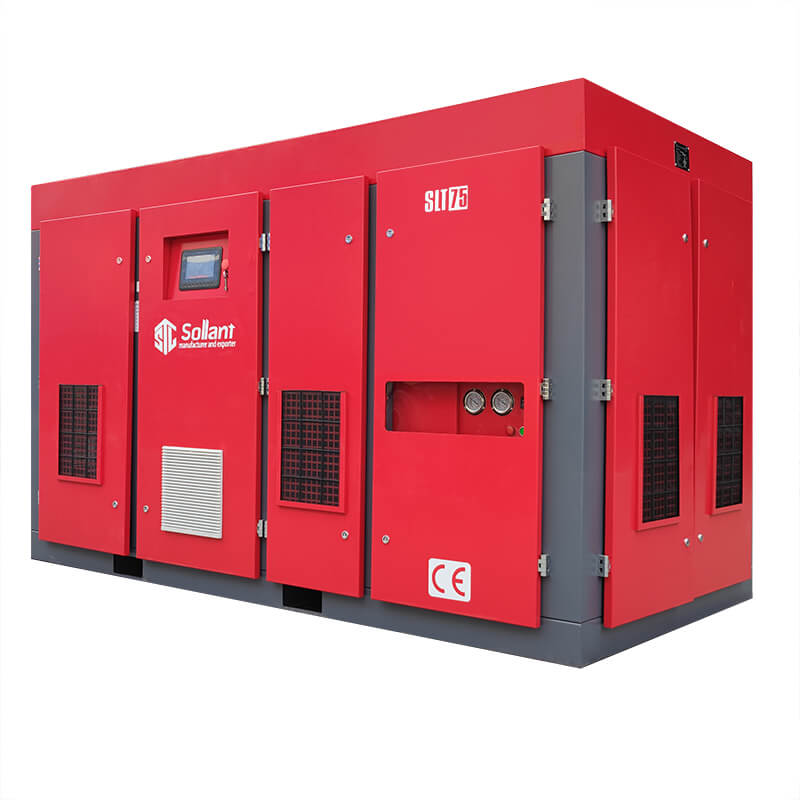
Sollant leads the way in compressor technologies. You get access to advanced features that improve efficiency and reliability. The company uses high-density filter materials and nano-plating to keep air clean and dry. You benefit from customizable solutions that fit your specific needs. Sollant’s air compressor models include variable speed drives, oil-free options, and energy-efficient motors. These features help you save energy and reduce maintenance.
|
Technology |
Benefit |
|---|---|
|
Variable Speed Drives (VSDs) |
Adjusts compressor speed to match air demand, saving energy and reducing wear. |
|
Oil-Free Compressors |
Produces clean, dry air, improving air quality and reducing contamination risks. |
|
Energy-Efficient Motors |
Reduces energy consumption and carbon footprint, enhancing overall performance. |
|
Digital Control Systems |
Monitors and optimizes performance, lowering energy use and maintenance costs. |
|
Heat Recovery Systems |
Captures waste heat for reuse, decreasing heating needs and saving energy. |
Sollant’s compressor technologies help you achieve better results in manufacturing, workshops, and other industries.
Customer Success Stories
You can see Sollant’s impact through real customer experiences. Distributors in India improved their market share by using Sollant’s reliable products and support. A government project in Turkey installed Sollant air compressors and saw better efficiency and lower costs. Dealers worldwide value the exclusive trademark rights and supply chain support. These partnerships help you meet customer demands and grow your business.
Dealers say Sollant’s support and advanced compressor technologies make it easier to deliver quality solutions and expand into new markets.
Support and Services
Sollant provides strong support to keep your air compressor running smoothly. You receive technical training for your team, ensuring proper maintenance and repairs. The company offers after-sales service, spare parts, and technical documentation. You can choose extended warranties and service contracts for extra peace of mind. Sollant’s engineers are available 24/7 to help you solve problems quickly.
|
Service Type |
Description |
|---|---|
|
Technical Training |
Ongoing training for dealer service teams to ensure high-quality maintenance and repair services. |
|
After-Sales Service |
Support for dealers in creating after-sales networks, including spare parts and documentation. |
|
Warranty & Service Contracts |
Options for extended warranties and service contracts to enhance customer value. |
|
24/7 Engineer Support |
Professional after-sales support available around the clock to maintain product performance. |
Sollant’s global reach and commitment to customer satisfaction make it a trusted choice for your air compressor needs.
You now know the key principles and red flags for selecting an air compressor. Choose the right machine to improve efficiency and reliability in your work. Use the checklist to guide your decision. Consult experts or trusted brands like Sollant for support.
For more details or personalized solutions, visit Sollant’s website and explore their range of products.
FAQ
What size air compressor do you need for home use?
You need to check the cfm and psi requirements of your tools. Most home projects need 2–6 cfm at 90 psi. Sollant offers compact models that fit these needs and save energy.
How often should you service your air compressor?
You should follow the manufacturer’s schedule. Most compressors need service every 1,000–4,000 hours. Sollant provides clear maintenance guides and support to help you keep your machine running smoothly.
Why does air quality matter in compressed air systems?
Clean air protects your tools and products. Dust, water, and oil can damage equipment. Sollant uses advanced filtration to deliver high-quality air and reduce maintenance costs.
What is the difference between rotary screw and piston compressors?
Rotary screw compressors run quietly and work well for continuous use. Piston compressors suit short, high-pressure tasks. Sollant specializes in rotary screw models for stable, efficient performance.
How do you choose a reliable air compressor brand?
You should look for strong warranties, good customer reviews, and local support. Sollant stands out with energy-saving technology, global service, and trusted dealer networks.
Request a Quick Quote Now
How to do my business well ?
- Market situation
- Technology configuration
- Strike Price
- exclusive agency
- Import and export assistance
- More…

