
How to Choose the Best Rotary Air Compressor for Your Workshop
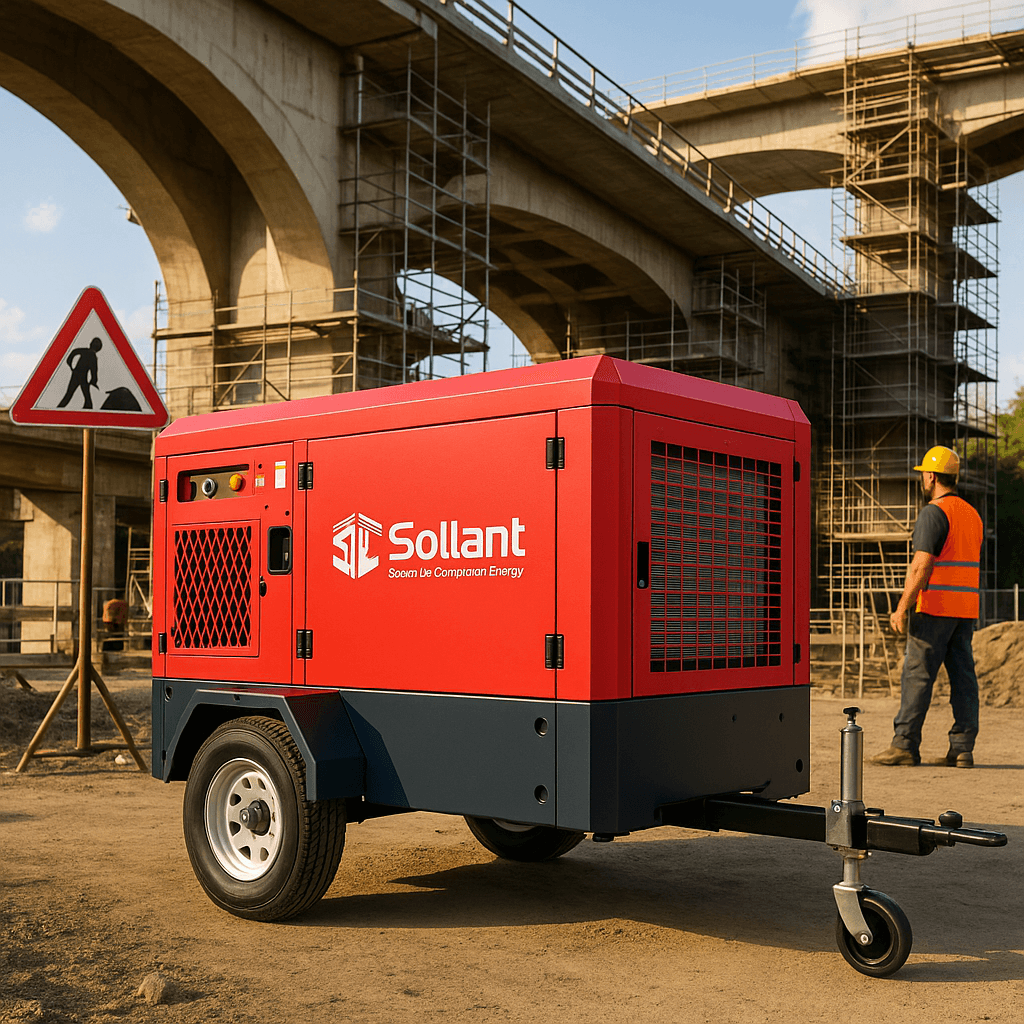
Choosing the best rotary air compressor for your workshop isn’t just about picking the biggest or most expensive model. You need to match the compressor’s features to your specific needs. Many people make mistakes like picking the wrong technology or size, ignoring air quality needs, underestimating long-term costs, or choosing a poor service provider. If you consider your air requirements, the type of workshop air compressor you need, important features, your budget, and maintenance, you’ll make a smart choice that keeps your workshop running smoothly.
Selecting the wrong compressor technology
Choosing the wrong compressor size
Not paying attention to air quality requirements
Underestimating compressor lifecycle costs
Picking the wrong service provider
Table of Contents
Key Takeaways
Match the rotary air compressor to your workshop’s specific air needs. Consider the tools you use and their air consumption to avoid inefficiency.
Prioritize energy efficiency when selecting a compressor. A variable speed model can save you significant money on energy bills over time.
Regular maintenance is essential for optimal performance. Keep up with routine checks to extend the lifespan of your compressor.
Choose a reliable brand like Sollant for quality and customer support. A trusted manufacturer can provide peace of mind and long-term savings.
Always consider the total cost of ownership, not just the initial price. Factor in energy savings and maintenance costs for a smarter investment.
Choosing a Rotary Air Compressor
When you start the compressor selection process, you want to make sure you get the right fit for your workshop. Picking the best rotary air compressor means looking at more than just the price tag or the biggest model on the shelf. You want a machine that matches your air demand, fits your space, and keeps your workshop running smoothly for years. Sollant stands out as a reliable manufacturer in this space. They focus on energy efficiency, durability, and strong customer support, which makes them a smart choice for anyone who wants peace of mind.
Key Selection Factors
You have a lot to consider when choosing a workshop air compressor. To help you compare your options, here’s a quick table that breaks down the top five factors you should keep in mind:
Factor | Description |
|---|---|
Cost | Consider both initial investment and long-term costs, including energy savings and maintenance. |
Energy Efficiency | Variable-speed compressors typically offer better energy savings over time. |
Maintenance | Regular maintenance is crucial for optimal performance. |
Noise Levels | Rotary screw compressors are quieter than reciprocating compressors, suitable for noise-sensitive areas. |
Additional Features | Evaluate any extra features that may enhance functionality or convenience in your workshop. |
You want to look at the total cost, not just the sticker price. Energy efficiency can save you a lot of money over time. Rotary screw compressors, especially those from Sollant, offer high efficiency and low noise, which is great if you spend a lot of time in your workshop. Maintenance is another big one. If you keep up with regular service, your rotary screw compressor can last 15 to 20 years, sometimes even longer. Many users see operational hours between 50,000 and 100,000, especially with proper care.
Don’t forget about key features like easy-to-use controls, safety systems, or advanced filtration. These can make your daily work easier and protect your tools and projects. Sollant’s rotary screw air compressor models come with robust construction, energy-saving technology, and user-friendly maintenance access, so you spend less time worrying about breakdowns.
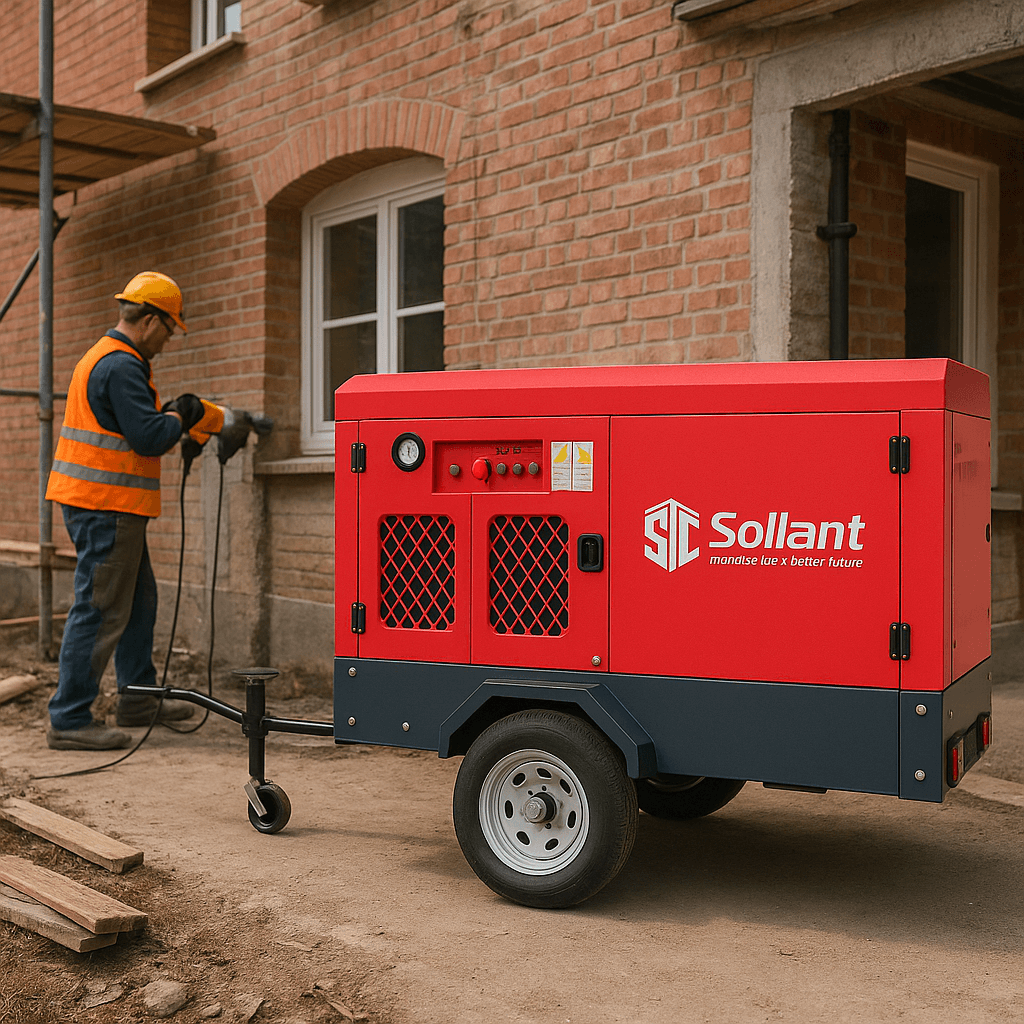
Performance vs. Cost
You might wonder if it’s worth spending more upfront for a high-efficiency model. The answer is usually yes, especially when you look at the numbers. Over the life of a compressed air system, energy costs can make up 70-80% of the total expense. That means a more efficient rotary screw compressor can pay for itself many times over.
Let’s look at how different control types stack up:
Control Type | Operational Principle | Efficiency at Full Load | Efficiency at Partial Load (e.g., 50%) | Best Suited For |
|---|---|---|---|---|
Fixed-Speed (Load/Unload) | Runs at full speed or idles (unloaded). Cycles between states. | Good | Poor (Consumes 25-30% power while producing no air) | Continuous, 100% air demand with minimal fluctuation. |
Variable Speed Drive (VSD) | Motor speed adjusts to match air demand precisely. | Excellent | Excellent (Energy use tracks air demand closely) | Fluctuating or variable air demand profiles. |
Variable Displacement | Adjusts the effective length of the rotors to vary output. | Good | Good (More efficient than load/unload, less than VSD) | Applications with a consistently high, but not 100%, base load. |
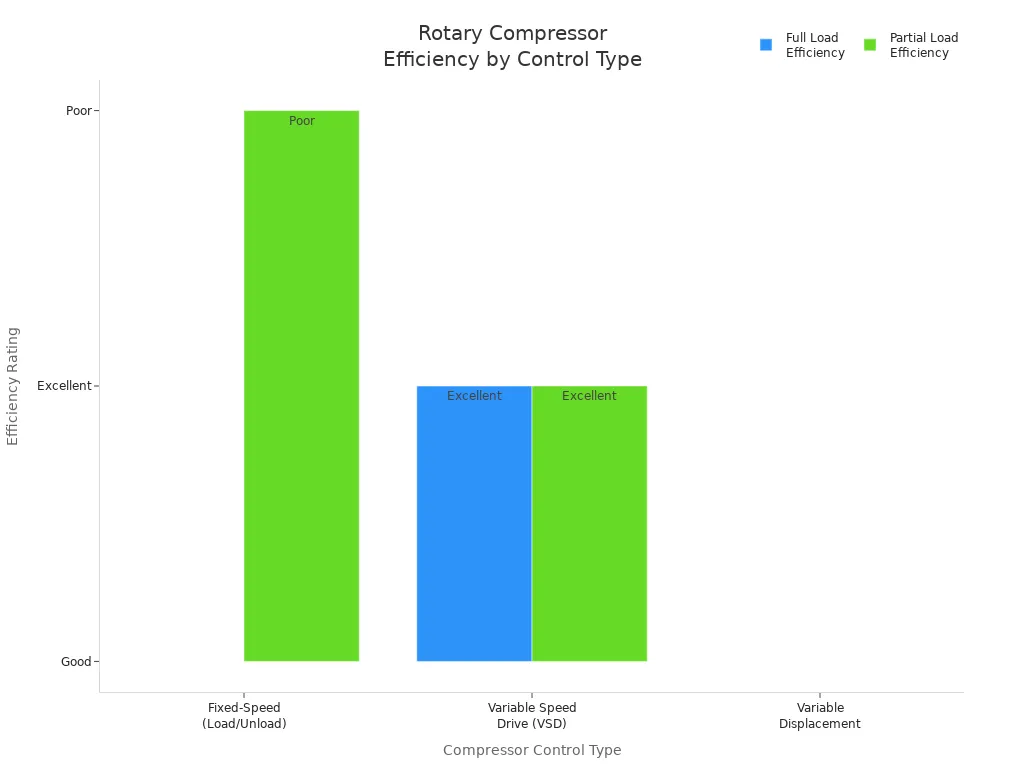
If your workshop has changing air demand, a variable speed drive rotary screw compressor from Sollant can help you save a lot on your energy bill. These models adjust their output to match what you need, so you don’t waste power. Fixed-speed models work well if your air demand stays steady all day.
Here’s a quick tip:
Always factor in long-term savings. Calculate your current energy costs, estimate how much you’ll save with a more efficient model, and look at the payback period. Over ten years, the savings can be huge.
Sollant’s rotary screw compressors lead the pack in energy efficiency, stability, and low noise. They also have a long service life and work well in many different settings. When you choose a Sollant rotary air compressor, you get a machine that’s built to last and designed to keep your costs down.
Workshop Air Compressor Needs
When you start the compressor selection process, you need to think about your workshop’s unique air needs. Every shop is different. Some use a few tools at a time, while others run multiple machines all day. If you want your rotary air compressor to deliver steady performance, you have to match its output to your actual air demand.
Air Volume and Pressure
Getting the right air volume and pressure is key. If you pick the wrong compressor size, you might end up with tools that don’t work well or a system that wastes energy. The best way to avoid this is to look at the total airflow your tools need and the pressure they require. Most shops use a mix of tools, so you’ll want to add up the air consumption for everything you plan to run at once.
Here’s a quick table to help you see how air volume needs can change based on workshop size:
Workshop Size | Air Exchange Rate (per hour) | |
|---|---|---|
Small | 3,000 – 10,000 | 5 |
Medium | 10,000 – 30,000 | 5 |
Large | 30,000+ | 5 |
Tip: Always check the air consumption for each tool. Add them up to get your total air demand. Make sure your compressed air system can handle both the volume (measured in SCFM or m³/h) and the pressure (measured in PSI or bar) you need.
If you choose a rotary screw compressor that’s too small, your tools might not get enough air. If you go too big, you’ll spend more on energy than you need to. Proper sizing keeps your workshop air compressor running efficiently and saves you money in the long run.
Sollant offers rotary screw compressors with a wide range of capacities and pressure options. You can find models from small rotary screw air compressor units for compact workshops to large industrial air compressor systems for big production floors. Sollant’s lineup covers adjustable pressures like 8 bar, 10 bar, and 12 bar, so you can match the compressor to your exact needs.
Usage Patterns
How you use your air compressors matters just as much as the size. Some shops run equipment all day, while others have bursts of activity. Your usage pattern will help you decide which rotary screw air compressor fits best.
Here are some common ways workshops use rotary screw compressors:
Manufacturing: Powering production equipment, conveyors, and packaging lines.
Process industries: Running pumps, aeration, and product drying.
Food and beverage: Air-jet processing, cooling, and pneumatic conveying.
Agriculture: Operating conveyors, spraying, and dairy machinery.
Oil & gas: Powering drilling equipment and gas re-injection.
If your air demand changes throughout the day, a variable speed rotary screw compressor can help you save energy. These models adjust their output to match your needs, so you don’t waste power during slow periods. If your workflow stays steady, a fixed-speed rotary screw compressor might be the better choice.
When you look at key features, think about your daily routine. Do you need quiet operation? Sollant’s rotary screw compressors run with low noise, making them great for workshops where you want a comfortable environment. Do you want easy maintenance? Sollant designs its rotary screw air compressor models for quick service, so you spend less time on upkeep.
Choosing the right workshop air compressor means thinking about your tools, your workflow, and your future plans. Sollant’s wide range of rotary screw compressors gives you the flexibility to pick the perfect fit, whether you’re running a small shop or a large industrial operation.
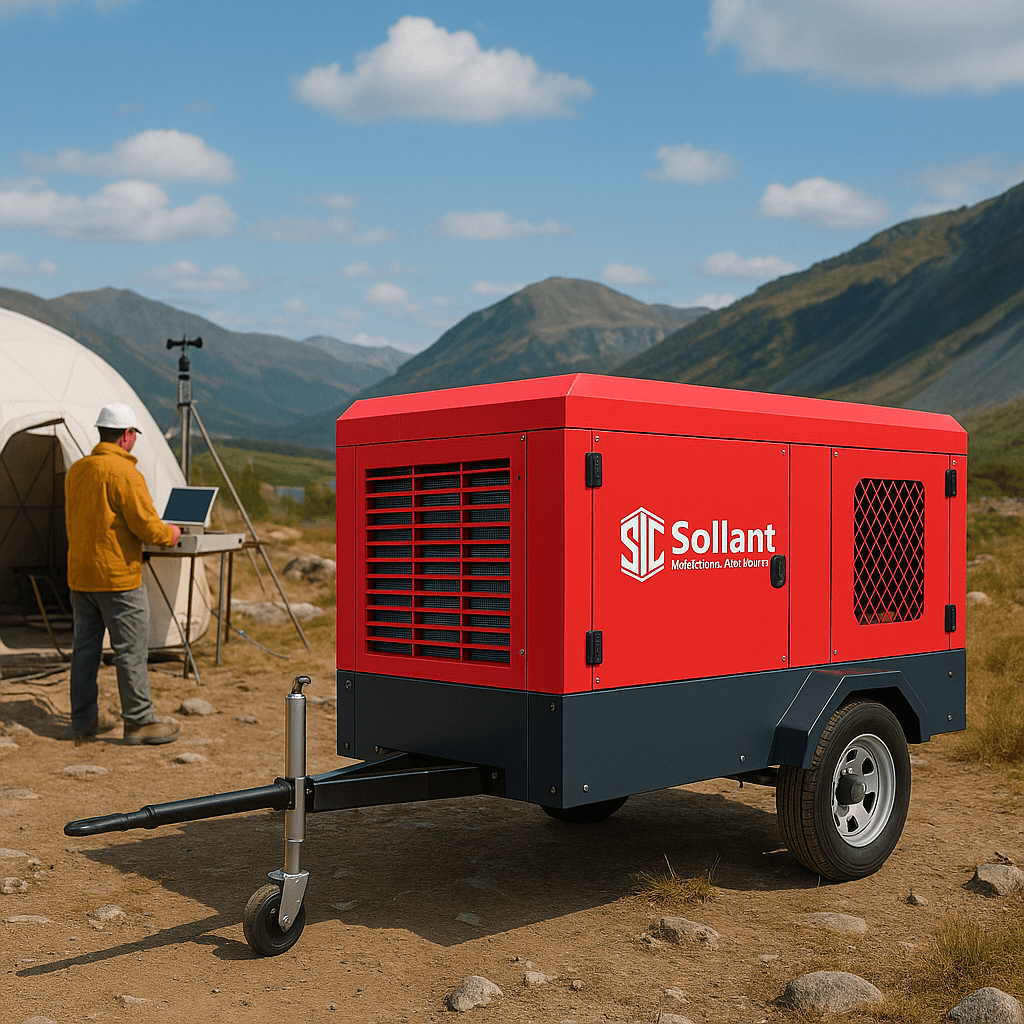
Rotary Screw Compressors Types
When you look at rotary screw compressors, you’ll see two main types: fixed speed and variable speed. You’ll also need to decide between oil-free and oil-injected models. Each type has its own strengths, so you want to match your choice to your workshop’s air demand and key features you care about.
Fixed Speed vs. Variable Speed
Fixed speed rotary screw compressors run at one speed. They turn on and off to keep up with your shop’s needs. This works well if your air demand stays steady all day. If your needs change a lot, you might waste energy because the compressor keeps running even when you don’t need full power.
Variable speed rotary screw compressors, like Sollant’s PM VSD models, adjust their motor speed to match your actual air demand. This means you save energy when you don’t need as much air. You also get a quieter, more efficient system.
Here’s a quick table to help you compare:
Feature | Fixed-Speed Compressors | Variable-Speed Compressors |
|---|---|---|
Energy Efficiency | Uses same energy no matter the demand | Adjusts to airflow needs, saves energy |
Best For | Constant, predictable air demand | Fluctuating or changing air demand |
Operation | Simple on/off cycles | Smooth, automatic speed adjustments |
Tip: If your workshop’s air demand goes up and down, a variable speed rotary screw compressor can help you cut your energy bill.
Oil-Free vs. Oil-Injected
Oil-injected rotary screw compressors use oil to lubricate and cool the system. These models work well for most general workshops and industrial jobs. You’ll need to change the oil and filters regularly, which adds to maintenance time and cost.
Oil-free rotary screw compressors don’t use oil inside the compression chamber. This means you get clean, contaminant-free air. You also spend less time on maintenance because there’s no oil to manage. These compressors are perfect for industries like food, medical, or electronics, where air quality matters most.
Here’s a table to show the differences:
Compressor Type | Maintenance Needs | Air Quality | Long-term Costs |
|---|---|---|---|
Oil-injected | Regular oil and filter changes | Risk of oil contamination | Higher maintenance costs |
Oil-free | Minimal maintenance, no oil needed | Clean, pure air |
Sollant offers both oil-injected and oil-free rotary screw air compressor models. You can pick the right one for your workshop, whether you need top air quality or want a reliable, all-purpose machine.
Features of Rotary Screw Compressor
When you look for a rotary screw compressor for your workshop, you want to focus on the features that make your daily work easier and more efficient. Let’s break down the key features that set rotary screw compressors apart and see how Sollant’s advanced design can help you get the most out of your investment.
Energy Efficiency
Energy efficiency is a big deal when you’re running air compressors all day. Rotary screw compressors stand out because they use less power to deliver more air. If you choose a model with variable speed drive technology, you can boost your energy savings by up to 35% compared to traditional models. Some advanced compressors even report energy savings as high as 60% over fixed-speed units. This means you spend less on electricity and keep your workshop running smoothly, no matter your air demand or compressor size. Sollant’s rotary screw air compressor models are built for continuous operation, so you get reliable performance and lower costs over time.
Tip: Investing in energy-efficient rotary screw compressors not only cuts your bills but also helps your workshop stay productive and ready for future energy challenges.
Noise Level
You probably don’t want a noisy machine disrupting your workflow. Rotary screw compressors are known for their quiet operation, usually running between 65 and 75 dBA. That’s much quieter than most piston compressors. Sollant’s rotary air compressor models use advanced engineering to keep noise low, so you can work comfortably even in noise-sensitive environments. Some brands, like Quincy, have models that operate around 60 dBA, showing just how quiet these machines can get.
A quieter workspace means fewer distractions and a better environment for you and your team.
Maintenance
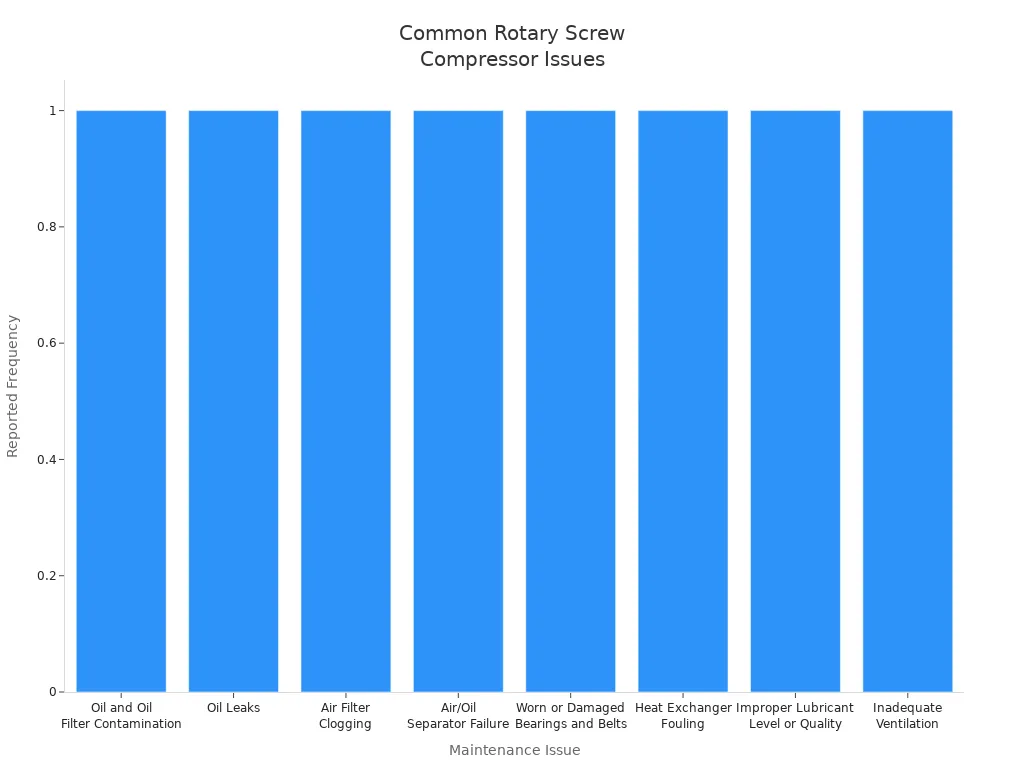
Keeping your rotary screw compressor in top shape doesn’t have to be hard. Sollant designs its compressors for simple installation and maintenance. You can easily access key parts, which makes routine checks and repairs quick. Here’s a table showing the most common maintenance issues and how to handle them:
Maintenance Issue | Check | Fix |
|---|---|---|
Oil and Oil Filter Contamination | Inspect oil and filters for clogging | Change oil and replace filters |
Oil Leaks | Look for leaks at seals and connections | Replace seals and tighten fittings |
Air Filter Clogging | Monitor for pressure drops and contaminants | Clean or replace air filter |
Air/Oil Separator Failure | Check oil carryover and sludge buildup | Replace separator and clean as needed |
Worn Bearings and Belts | Listen for noise and check for vibrations | Replace bearings and belts, adjust tension |
Heat Exchanger Fouling | Watch for higher discharge air temperature | Clean heat exchanger surfaces |
Improper Lubricant Level/Quality | Check oil levels and quality | Fill or replace oil as needed |
Inadequate Ventilation | Inspect for airflow and obstructions | Remove obstructions and clean ventilation |
Sollant’s robust construction and high-quality parts mean you spend less time fixing problems and more time getting work done. You get a reliable rotary screw compressor that’s easy to maintain and built to last.
Industrial Air Compressor Installation
Size and Space
When you set up an industrial air compressor, you want to make sure it fits your workshop and works efficiently. You need enough space around the compressor for airflow and maintenance. Air-cooled compressors need at least three feet of open space on all sides. This helps with heat dissipation and keeps the machine running cool. If you put your compressor in a tight spot, you might notice doors getting harder to open. That’s a sign of negative pressure, which can hurt performance.
Here’s a quick checklist for your installation space:
Leave at least three feet of clearance around the compressor.
Make sure the area is well-ventilated to prevent overheating.
Choose a spot with easy access for routine maintenance.
Avoid placing the compressor near sources of dust or contaminants.
If you have a designated compressor room, keep it close to where you use the air. This reduces air travel distance and helps maintain air pressure.
Sollant offers support for installation and technical assistance. If you have a large project, Sollant can send on-site engineers to help you set up your compressed air system. You get expert advice and hands-on help, so your compressor works perfectly from day one.
Placement Tips
Picking the right spot for your air compressors makes a big difference. You want the compressor to be easy to reach for service. A cool, clean environment helps the machine last longer and work better. If the area gets too hot, the lubricant can break down, and the equipment might shut down. Good ventilation lets heat escape and keeps everything running smoothly.
Here are some placement tips to keep in mind:
Keep the compressor away from direct sunlight and heat sources.
Make sure the intake air is clean to protect your compressed air system.
Avoid placing the compressor near chemicals or moisture.
Check that the floor is level and strong enough to support the unit.
Plan for future expansion by leaving extra space if your air demand grows.
Tip: Regularly check the area for dust, heat, and airflow. A clean, cool space helps your compressor deliver reliable performance and keeps maintenance costs low.
Sollant’s team can guide you through the installation process. They help you choose the best location and make sure all key features are set up for maximum efficiency and safety.
Budget and Brand Reputation
Price Comparison
When you look at rotary air compressors for your workshop, price matters. You want to get the best value for your money, but you also need a machine that meets your air demand and lasts for years. Prices can vary a lot depending on the size and features you need. Here’s a quick table to help you see the typical price ranges:
Model Type | Price Range |
|---|---|
Entry-level | |
Mid-range | Around $500 |
High-end | Exceeds $1000 |
For most workshops, you’ll find compact rotary screw air compressors between $1,000 and $3,000. If you need a larger, high-capacity model, expect to pay upwards of $10,000. The right choice depends on your tools, your workflow, and the key features you want.
When you compare brands, you’ll notice some differences. Some users recommend Kaeser for its energy savings, saying the lower energy bills make up for the higher upfront cost. Others have had mixed experiences with brands like Atlas Copco and Gardner-Denver. It’s smart to look beyond the sticker price and think about long-term savings, reliability, and support.
Tip: Don’t just focus on the cheapest option. Think about how much you’ll save on energy and maintenance over time.
Brand Reliability
Brand reputation can make a big difference when you’re choosing air compressors. You want a brand that stands behind its products and helps you keep your workshop running. Reliable brands design their compressors with fewer moving parts, which means less wear and tear. They also focus on customer support and offer tailored solutions for different needs.
Proper installation is another big factor. If you follow the manufacturer’s recommendations, your compressor will run better and last longer. Brands that offer strong technical support and training help you get the most out of your investment.
Sollant stands out for its commitment to quality and customer service. The company carefully monitors every step of the manufacturing process and holds several industry certifications. Sollant focuses on building long-term relationships with customers, offering fast technical assistance and support for distributors around the world. Many customers share positive stories about Sollant’s reliability and helpful service.
When you choose Sollant, you get more than just a machine. You get a partner who supports your business and helps you succeed.
When buying an air compressor for your workshop, start by matching the specs to your real needs. Check out this quick table to see how rotary screw compressors stack up:
Key Consideration | Piston Compressor | Rotary Screw Compressor |
|---|---|---|
Duty Cycle | 60% to 70% | 100% |
Oil Carry-Over | >30 ppm | <5 ppm |
Noise Level | 80-85 dB | 60-70 dB |
Cost of Ownership | Higher | Lower |
Want to make the best choice?
Audit your air demand.
Match the compressor type to your workflow.
Never skip air quality checks.
Pick a reliable brand like Sollant for quality, support, and sustainable operation.
FAQ
What are the main types of air compressors for workshops?
You’ll find several types of air compressors, but rotary screw and piston compressors are the most common in workshops. Rotary screw models work well for continuous use and deliver steady airflow. Piston compressors suit smaller jobs or occasional use.
Why choose a high-efficiency rotary screw air compressor?
You save money on energy bills with a high-efficiency rotary screw air compressor. It delivers more air using less power. You also get reliable performance and less downtime, which helps your workshop stay productive.
How does quiet operation benefit my workspace?
Quiet operation means you can work without loud distractions. You’ll notice a more comfortable environment, especially if you spend hours in your shop. This feature helps you focus and keeps your team happy.
Is simple installation and maintenance possible with rotary screw compressors?
Yes, you can expect simple installation and maintenance with most rotary screw compressors. Many models have easy-access panels and clear instructions. You’ll spend less time on setup and repairs, so your workflow stays on track.
What should I know about compressed air systems before buying?
You need to check your air demand, pressure needs, and available space. Compressed air systems should match your tools and workflow. Planning ahead helps you avoid problems and ensures your compressor fits your workshop perfectly.
Request a Quick Quote Now
How to do my business well ?
- Market situation
- Technology configuration
- Strike Price
- exclusive agency
- Import and export assistance
- More…

