
Daily Maintenance and Management of Compressed Air Post-treatment Equipment
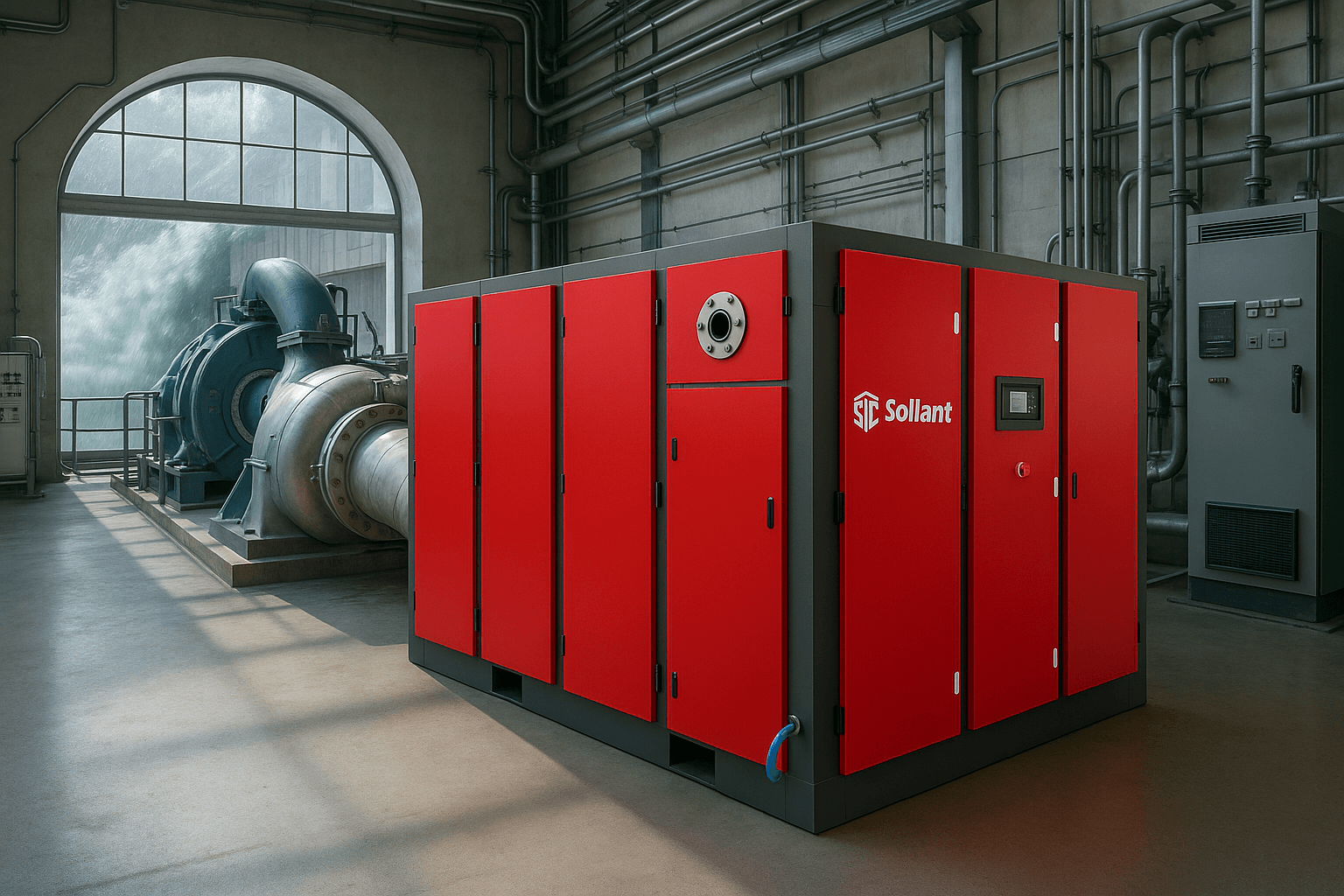
You rely on compressed air post-treatment equipment to keep your industrial operations running smoothly. Daily maintenance and management not only increase reliability but also improve efficiency and performance. Simple preventive actions, such as checking oil levels, inspecting for leaks, and draining water from tanks, help you avoid unexpected breakdowns. The table below shows how these tasks make a difference:
Maintenance Task | Frequency | Benefits |
|---|---|---|
Check oil level | Daily | Prevents lubrication issues, ensuring smooth operation. |
Inspect for leaks | Daily | Reduces air loss, improving efficiency and reliability. |
Drain water from tanks | Daily | Prevents corrosion and maintains air quality. |
When you choose trusted brands like Sollant for your compressor systems, you support long-term equipment life and preventive care.
Table of Contents
Key Takeaways
Daily maintenance tasks like checking oil levels and inspecting for leaks prevent unexpected breakdowns and improve system reliability.
High-quality compressed air is essential for protecting your equipment and meeting industry standards; regular filtration and drying maintain air quality.
Using trusted brands like Sollant enhances equipment performance and longevity, ensuring your compressed air system operates efficiently.
A consistent maintenance checklist helps you stay organized and catch small issues before they escalate into costly repairs.
Training your team on proper maintenance practices ensures safe and effective operation, reducing the risk of common mistakes.
Importance of Compressed Air Post-treatment Equipment
Air Quality
You need high-quality compressed air to keep your operations safe and efficient. Compressed air post-treatment equipment removes harmful substances from the air before it reaches your tools and machines. This process protects your products and equipment from damage. Clean air also helps you meet industry standards and avoid costly repairs.
Here is how different parts of the system help maintain air quality:
Function | Description |
|---|---|
Drainage System | Removes accumulated moisture from the compressed air system to prevent damage and maintain air quality. |
Compressed Air Filtration | Eliminates contaminants like dust, oil, and water, ensuring clean air essential for industrial processes. |
Compressed Air Dryers | Purifies air by removing water vapor and contaminants, crucial for maintaining air quality in sensitive applications. |
You benefit from these features because they ensure clean air enters your system, prevent debris and oil from causing problems, and reduce issues in sensitive manufacturing processes.
System Reliability
You want your compressed air system to work without interruption. Reliable compressed air post-treatment equipment keeps your system running smoothly. When you use proper filtration and drying, you avoid breakdowns and keep your machines in top condition. This reliability leads to better system performance and fewer unexpected stops.
Tip: Regular preventive maintenance helps you spot problems early and keeps your equipment working at its best.
Sollant Solutions
Sollant offers advanced solutions that support both air quality and system reliability. You can choose from features like low-pressure VSD screw air compressors, which operate efficiently at lower pressures. Sollant uses variable speed drive (VSD) technology to match air output to your needs, improving energy efficiency. Permanent magnet technology allows for variable speed operation, which saves even more energy. Sollant’s oil-free operation design keeps your compressed air clean, making it ideal for industries that require the highest quality standards.
When you select Sollant, you invest in equipment that delivers strong performance, high energy efficiency, and long-term reliability. Sollant’s commitment to quality and preventive care helps you maintain a safe and productive workplace.
Daily Maintenance Essentials
Filters
You need to check your filters every day to keep your compressed air post-treatment equipment running smoothly. Filters remove dust, oil, and other particles from the air. If you ignore filter maintenance, you risk clogs and poor air quality. Here is what you should do each day:
Check the differential pressure across the filter. A rise in pressure often means the filter is getting clogged.
Observe the exhaust stack or emissions monitoring system for unusual signs.
Operate damper valves to ensure smooth airflow.
Confirm that dust is being removed from the system through the dust discharge system.
Make sure the cleaning system works correctly and follows the right cleaning sequence.
Inspect compressed-air lines, including line filters and dryers, for any leaks.
Verify that temperature-indicating equipment shows accurate readings.
You should replace filter elements at least once a year. In dusty environments, you may need to change them every six months or sooner. Always follow the manufacturer’s recommendations for replacement intervals. Sollant offers high-density filter materials with nano-plating, which provide excellent durability and filtration. Using quality filters from Sollant helps you maintain air quality and system performance.
Tip: Regular filter checks help you catch leaks early and prevent costly downtime.
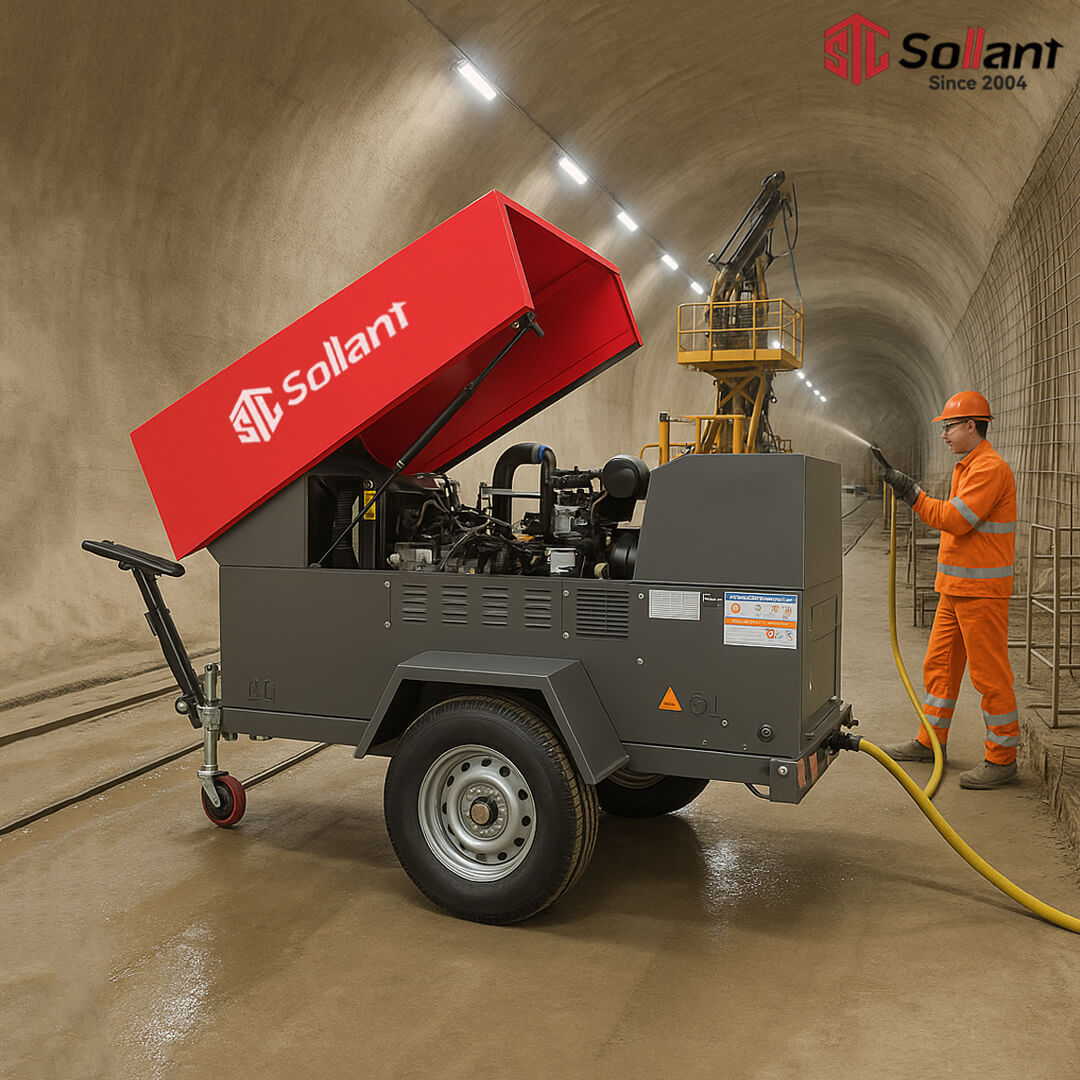
Dryers
Dryers remove moisture from the compressed air system. You usually find three types: refrigerated dryers, desiccant dryers, and membrane dryers. Each type needs specific daily maintenance:
Refrigerated dryers: Clean heat exchangers, check refrigerant levels, and make sure the drain works properly.
Desiccant dryers: Inspect moisture separators, filtration systems, and the condition of the desiccant material.
Membrane dryers: Maintain pre-filters and condensate drains, even though the dryer itself needs little attention.
If you use Sollant dryers, you benefit from advanced engineering and reliable components. Sollant dryers help you keep moisture out of your system, which protects your equipment and improves efficiency.
Drains
Drains remove condensate from your compressed air post-treatment equipment. If drains fail, water can build up and cause corrosion or system failure. You should:
Check drains daily to ensure they remove condensate properly.
Test drain operation using built-in test functions.
Clean out any clogging material from pre-drain strainers.
Remove large contaminants that could block the drain.
Inspect all connections and valves for leaks.
Manual drains need you to open them regularly. Timer-based drains work on a set schedule, but they may not always match your needs. Capacity-sensing drains only discharge when enough liquid collects, making them the most efficient. Sollant supplies reliable drain solutions that help you avoid water buildup and keep your system safe.
Note: Drains can cycle thousands of times each year. Regular checks prevent unexpected failures.
Air Tanks
Air tanks store compressed air and help stabilize pressure in your system. You should inspect them every day for safety and efficiency:
Drain condensate manually or check that the automatic drain works.
Listen for unusual noises or vibrations that could signal a problem.
Check for visible signs of corrosion or damage.
Inspect safety valves and pressure gauges to ensure they work correctly.
Sollant air tanks use robust materials and precise engineering. When you choose Sollant, you get tanks that last longer and require less frequent repairs.
Callout: Daily air compressor maintenance, including checks on air tanks, helps you avoid leaks and maintain system efficiency.
By following these daily maintenance steps, you improve the reliability and performance of your compressed air post-treatment equipment. You also reduce the risk of leaks, lower your maintenance costs, and extend the life of your compressor system. Sollant’s advanced parts and solutions make your air compressor maintenance routine easier and more effective. Preventive care ensures your equipment delivers consistent results every day.
Maintenance Checklist
Daily Tasks
A clear maintenance checklist helps you keep your compressed air post-treatment equipment in top condition. You should follow a step-by-step routine every day. Here is a practical checklist you can use:
Key Components | Daily Maintenance Tasks |
|---|---|
Air Compressor | Check oil level, inspect for leaks, and monitor belts. |
Air Receiver Tank | Drain condensate to prevent rust and corrosion. |
Dryer | Inspect and clean to maintain air quality. |
Condensate Trap | Drain regularly to ensure proper function. |
Filter | Inspect and clean to keep air quality high. |
Distribution System | Inspect for leaks and repair if needed. |
You should also monitor temperature and pressure readings. If you use a Sollant compressor, you benefit from advanced monitoring features that make these checks easier. A good maintenance checklist forms the backbone of any preventive maintenance program.
Tools Needed
You need the right tools to complete your daily maintenance checklist. Common tools include:
Pressure gauge
Oil level indicator
Wrenches and screwdrivers
Cleaning cloths
Drain pan
Flashlight
Sollant provides high-quality accessories and spare parts, making your maintenance routine more efficient and reliable.
Record Keeping
Accurate record keeping is essential for tracking maintenance and spotting issues early. Use a logbook or digital system to record each maintenance activity. Here is a sample log entry:
Field | Description |
|---|---|
Date & time of maintenance | 2024-06-15, 08:00 AM |
Maintenance description | Drained condensate, checked oil, cleaned filter |
Photo evidence | [Photo attached] |
Personnel(s) involved | John Doe |
Remarks | No issues found |
Schedule of next maintenance | 2024-06-16 |
A preventative maintenance plan should include regular reviews of your maintenance checklist. Preventive maintenance checks help you avoid costly repairs and keep your compressed air system running smoothly.
Tip: Review and update your maintenance checklist every six months to match your equipment’s needs.
Troubleshooting and Common Issues
When you manage a compressed air system, you will face some common issues. Quick troubleshooting helps you keep your equipment running and avoid costly downtime. Here are the most frequent problems and how you can address them.
Pressure Problems
You may notice low pressure in your compressed air system. This can cause machinery to work poorly or stop. Common causes include:
Inadequate compressor capacity
Pressure drops in pipes or filters
Air leaks in the system
You should check for air leaks first. Listen for hissing sounds and inspect joints and hoses. If you find compressed air leaks, repair them right away. Examine filters and piping for blockages or damage. If the problem continues, your compressor may not meet your needs. In this case, contact Sollant support for expert advice or consider upgrading with genuine Sollant parts.
Tip: Regular preventive maintenance helps you spot air leaks early and keeps your system efficient.
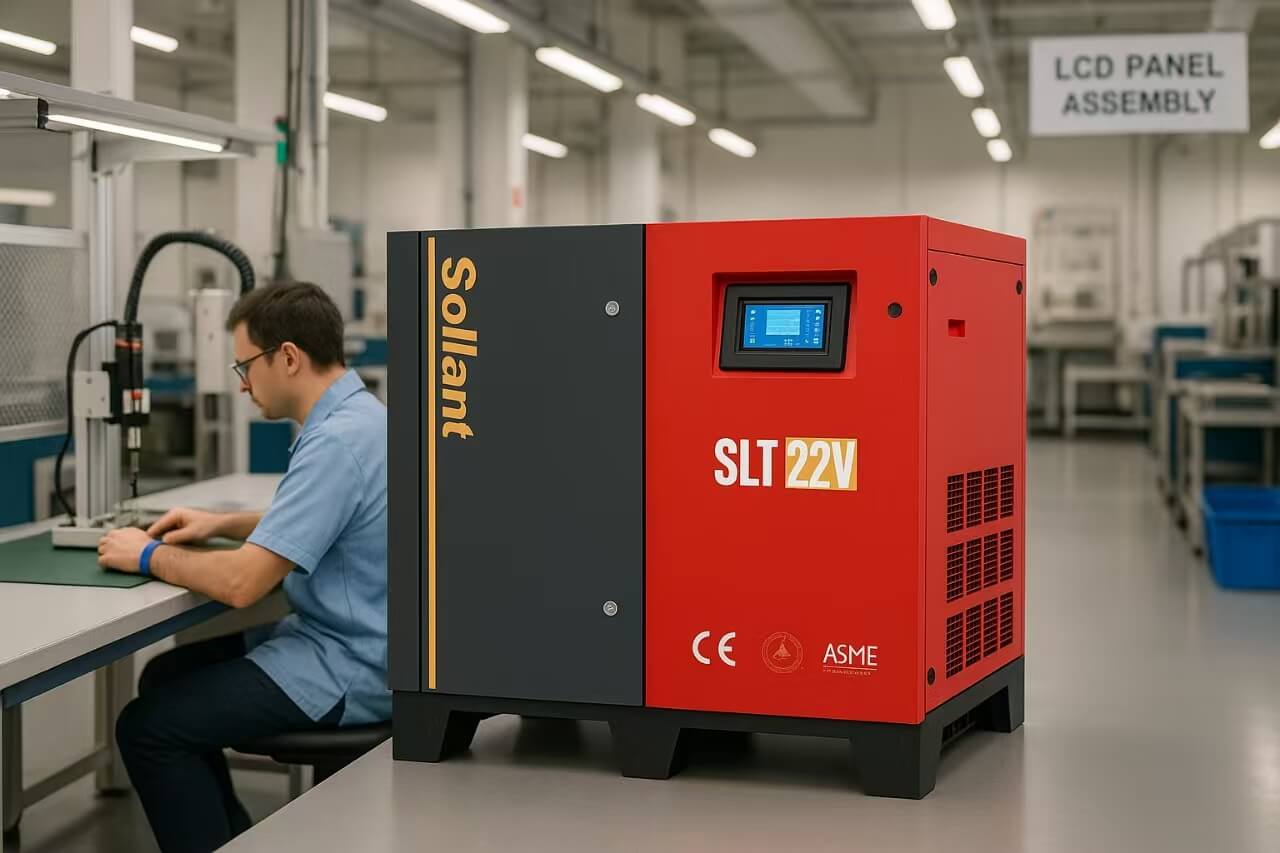
Moisture Issues
Moisture can damage your equipment and lower air quality. You need a good moisture management system to keep your compressed air dry. To troubleshoot moisture problems, follow these steps:
Drain the compressor and check for water buildup.
Monitor the temperature and humidity in your workspace.
Make sure all filtration devices remove moisture as designed.
Inspect air pipes for correct size and installation.
If you still see moisture, check your dryer and drains. Sollant dryers and drains offer reliable moisture control. If problems persist, reach out to Sollant for support.
Note: Moisture can cause rust, corrosion, and even more air leaks if not managed well.
Filter Clogs
Clogged filters reduce airflow and can cause pressure drops. You should:
Inspect filters for dust, debris, or damage.
Replace filters if you see any signs of clogging.
Using high-quality filters from Sollant helps you avoid frequent clogs and keeps your compressed air system running smoothly. If you notice repeated filter issues, consult Sollant for the right replacement parts.
Callout: Quick action on filter clogs prevents bigger problems and keeps your maintenance routine simple.
If you cannot solve these issues, always consult Sollant’s technical team. Using genuine Sollant parts ensures your compressed air system stays reliable and efficient.
Best Practices for Maintenance
Consistency
You achieve the best results when you follow a consistent daily preventive maintenance routine. Consistency helps you catch small issues before they become big problems. Here are some best practices you can use every day:
Add oil or fluids if needed.
Fill the fuel tank and drain water from the fuel/water separator.
Clean coolers, especially if your environment is dusty.
After 50 hours of operation, perform a break-in inspection to remove contaminants.
Inspect radiators and coolers every 100 hours to prevent overheating.
Monitor compressor oil quality, especially in humid conditions.
Change filters and engine belts as recommended.
Keep spare parts on hand to reduce downtime.
Sollant recommends these steps to help you maintain reliable compressed air systems. When you use Sollant’s advanced parts, you make your maintenance routine more effective.
Operator Training
Proper training ensures your team can handle maintenance tasks safely and efficiently. Many programs teach you about compressed air systems, operation, and troubleshooting. Here are some examples:
Program Name | Description | Link |
|---|---|---|
Learn about fluid power, hydraulic, pneumatic, and compressed air systems, including operation, testing, and troubleshooting. | ||
Operator II Course Outline | Covers compressor maintenance, oil management, and troubleshooting. | |
ASME/API Boilers and Fired Pressure Equipment | Focuses on maintenance for boiler and pressure equipment, with an emphasis on safety. | |
Industrial Maintenance Mechanic | Explains pneumatic system components and compressed-air treatment. |
Sollant offers support and resources to help you train your staff and keep your equipment running smoothly.
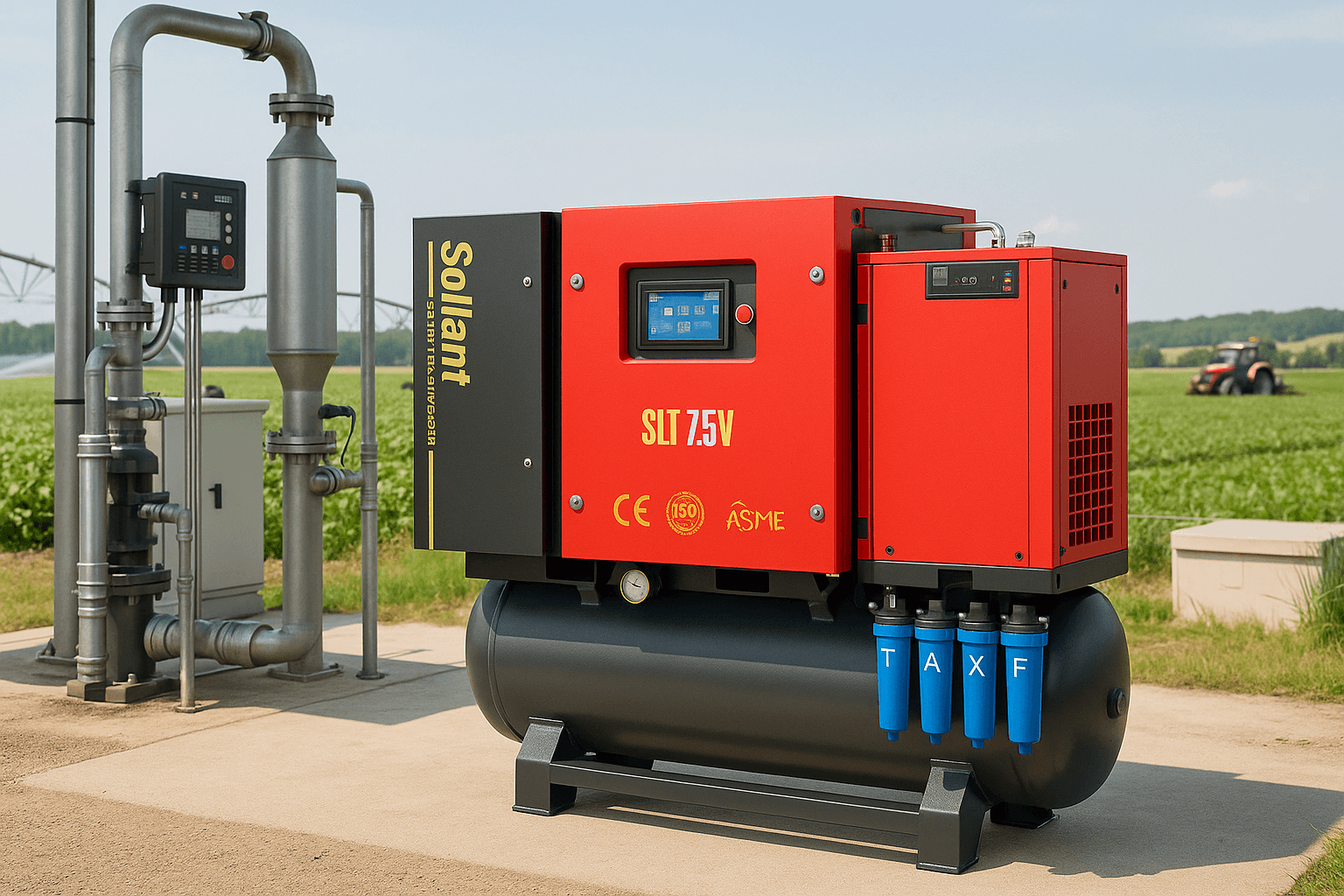
Avoiding Mistakes
You can avoid common mistakes by staying alert and following preventive steps. Here are errors you should watch for:
Ignoring leaks can waste up to 30% of your air production. Inspect your system regularly to find and fix leaks.
Overlooking pressure loss in piping or dirty filters can lower system efficiency. Assess and repair these issues quickly.
Failing to manage condensation can damage tools and reduce air quality. Drain the receiver tank often.
Not cleaning or changing air filters can lead to energy loss. Check and replace filters as needed.
Forgetting to clean intake vents and pipes can cause debris buildup. Clean these areas to keep your system working well.
Sollant’s technical team can help you avoid these mistakes and keep your compressed air system in top shape.
Industrial Air Compressor Maintenance Integration
Scheduling
You can achieve maximum efficiency by integrating post-treatment equipment care into your overall industrial air compressor maintenance plan. When you schedule regular inspections, cleaning, and servicing for both the compressor and post-treatment equipment, you reduce downtime and keep your system running smoothly. A unified maintenance schedule helps you spot potential issues early and prevents unexpected breakdowns. Many facilities use a hierarchical model to set priorities and constraints, making sure every part of the system receives attention at the right time. This approach increases operational efficiency and extends the lifespan of your compressed air system.
Tip: Use a single calendar or digital tool to track all industrial air compressor maintenance tasks. This helps you avoid missed checks and keeps your team organized.
Preventive Care
Preventive care is the key to long-lasting equipment. You should monitor consumption levels to identify waste and reduce pressure when possible to save energy. Routine checks help you catch small problems before they become major failures. Regular testing and maintenance of filters and air lines keep contaminants out of your tools and machines. Annual reviews of your compressed air system, including post-treatment components, ensure everything works as it should. Training your staff and keeping the compressor clean also play a big role in system health.
Monitor and adjust system pressure to optimize performance.
Change air filters and clean vulnerable parts regularly.
Control humidity and balance the system for best results.
Train your team to recognize early warning signs.
Sollant Support
Sollant offers comprehensive solutions that make industrial air compressor maintenance easier and more effective. You benefit from proactive maintenance strategies that reduce downtime and improve asset performance. Sollant’s planning and scheduling support helps you organize tasks and keep your system reliable. Their after-sales service team provides technical guidance, spare parts, and training resources. By choosing Sollant, you create a culture of continuous improvement and ensure your compressed air system delivers consistent results.
Callout: Sollant’s advanced technology and customer support help you optimize every aspect of your industrial air compressor maintenance routine.
You gain many advantages by practicing diligent daily maintenance for your compressed air post-treatment equipment.
Daily checks help you spot issues early, improving compressor reliability and reducing costly repairs.
Regular preventive routines keep minor problems from turning into emergencies, saving money and energy.
Aspect | |
|---|---|
Reliability | Stable air supply, less downtime |
Durability | Long-term operation, fewer failures |
Efficiency | Energy savings, lower costs |
Air Quality | Purity for sensitive applications |
Intelligent Control | Better monitoring, less manual work |
Using high-quality components from Sollant supports your long-term success. Commit to best practices and structured record-keeping to keep your system running at its best.
FAQ
How often should you replace filters in compressed air post-treatment equipment?
You should check filters daily and replace them every 6 to 12 months. If your environment is dusty, change them more often. Sollant recommends using high-quality filters for best results.
What is the main cause of moisture in compressed air systems?
Moisture often comes from inadequate drying or faulty drains. You should inspect your dryer and drains regularly. Sollant dryers help you control moisture and protect your equipment.
Why is daily maintenance important for your compressor system?
Daily maintenance helps you spot problems early. You prevent breakdowns and extend equipment life. Sollant systems make daily checks easy with user-friendly features.
How do you know if your air tank needs draining?
Check the tank for water buildup every day. Listen for unusual sounds and inspect the drain. Sollant air tanks include reliable drains to simplify this task.
Can you use generic parts for maintenance?
You should use genuine parts from trusted brands like Sollant. These parts ensure proper fit and performance. Using non-original parts may reduce the reliability of your compressor system.
Request a Quick Quote Now
How to do my business well ?
- Market situation
- Technology configuration
- Strike Price
- exclusive agency
- Import and export assistance
- More…

