
Air Compressor Types and Their Common Application Scenarios in 2025
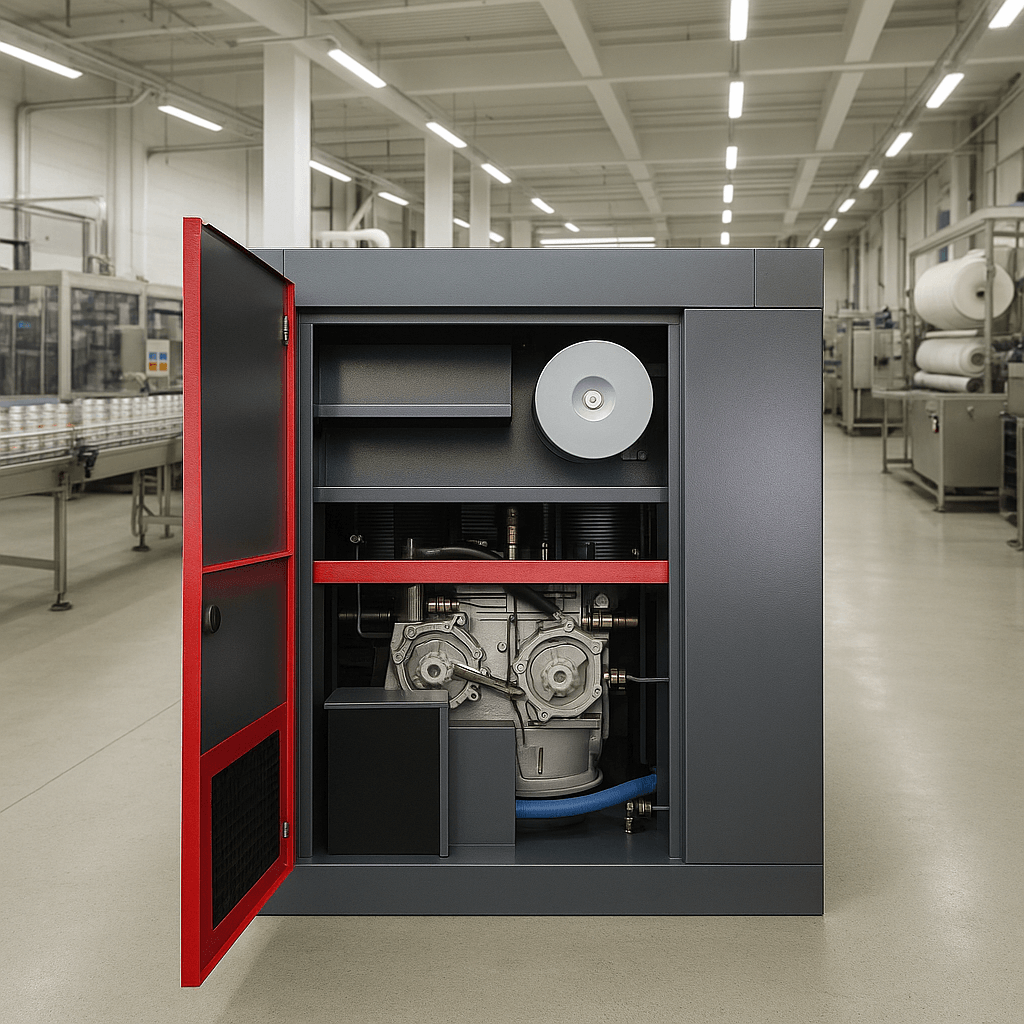
When you look at air compressors in 2025, you will find a few main types. These are reciprocating, rotary screw, centrifugal, scroll, sliding vane, and oil-free. Each type has its own job. For example, rotary screw compressors are very popular. They help industries like food processing, electronics, and road construction. Centrifugal compressors are becoming more common. They help save energy in big factories. You must pick the right compressor for your work. This helps you get the best results. Sollant gives advanced solutions. Many industrial users around the world trust them.
Table of Contents
Key Takeaways
Learn about air compressor types. These include reciprocating, rotary screw, centrifugal, scroll, sliding vane, and oil-free. Each type is made for certain jobs.
Pick rotary screw compressors for factories. They give steady, strong air. They use less energy and need little care.
Use oil-free compressors for clean air. These are good for food and healthcare. They help you follow strict safety rules.
Think about saving energy when you choose compressors. Variable Speed Drive models can cut energy costs by half.
Check your air needs before you buy. Work out the CFM and PSI you need. This helps you pick the right compressor.
Types of Air Compressors
Reciprocating Compressors
Reciprocating air compressors have a piston inside a cylinder. The piston pulls in air and then squeezes it. These compressors have several important parts. Here is a table to show what each part does:
Component | Function |
|---|---|
Cylinder | Holds the piston and helps squeeze air |
Piston | Moves back and forth to press air |
Connecting Rod | Joins the piston to the crankshaft |
Crankshaft | Turns motor power into piston movement |
Valves | Control air coming in and going out |
Bearings | Lower friction and help parts move easily |
Seals | Stop air from leaking and keep pressure strong |
Crankcase | Covers and oils moving parts |
Motor | Gives power to the whole compressor |
Reciprocating compressors are best for high pressure but low air flow. You see them in gas transmission and petrochemical plants. Refineries use them too. These industries like them because they handle special gases and work well for short times. You also find them in chemical plants and metallurgy. They compress air for different jobs. Reciprocating air compressors are good if you want a simple design and steady performance for small tasks.
Rotary Screw Compressors
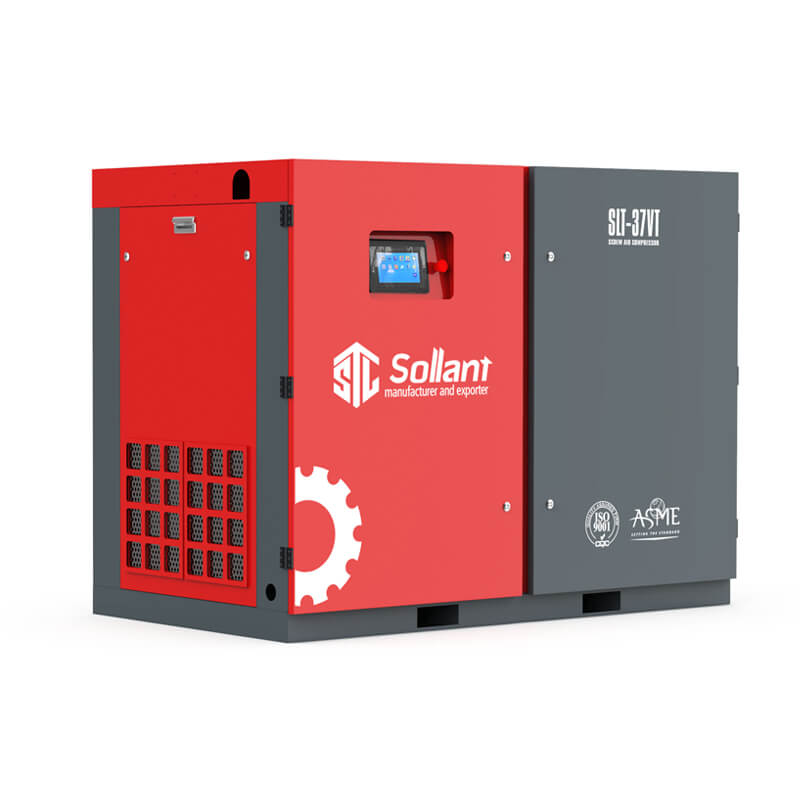
Rotary screw compressors have two spinning screws that trap air. They give a steady stream of compressed air. These compressors are common in factories and workshops. They run quietly and do not shake much. Here are some reasons to pick rotary screw air compressors:
They use energy well and waste less power.
They make less noise, so your workspace is nicer.
Rotary screw air compressors work well for long hours and big jobs. You see them in manufacturing, car making, and food processing. Sollant is a leader in this area. Sollant’s rotary screw compressors are very reliable. They need little care and save energy. Many factories trust Sollant for strong and efficient air compressors that work all day.
Tip: Rotary screw air compressors are great if you need a steady supply of compressed air for your machines.
New rotary screw compressors now have smart controls and IoT features. These help you check how they work and plan repairs before problems happen. This makes them a top pick for modern, automatic factories.
Centrifugal Compressors
Centrifugal air compressors use a spinning impeller to move air. They work best when you need lots of air quickly. Their efficiency is usually between 70% and 90%. You find centrifugal compressors in big factories, power plants, and chemical plants. They help move natural gas, run turbines, and give air to large machines.
Industry/Application | Reasons for Use |
|---|---|
Oil and Gas | Moves natural gas and helps with processing |
Power Generation | Runs turbines and stores energy |
Food and Beverage | Keeps packaging and food processes clean |
Wastewater Treatment | Supplies air for cleaning water |
Pharmaceuticals | Provides sterile air for making medicines |
Centrifugal air compressors are a good choice if you need lots of air and want to save energy in big jobs.
Scroll Compressors
Scroll air compressors use two spiral-shaped scrolls. One scroll stays still and the other moves in a circle. This design squeezes air smoothly and quietly. Scroll compressors have few moving parts. They last a long time and need little care. Here is a table to show their special features:
Unique Design Elements | Operational Benefits |
|---|---|
Two spiral-shaped scrolls | High energy efficiency |
No pistons or valves | Quiet and smooth operation |
Minimal moving parts | Long life and low maintenance |
Greater compression ratio | Lower costs and less pollution |
You often see scroll air compressors in HVAC systems, fridges, and electronics factories. Their small size and quiet work make them good for places where space and noise matter. Many companies pick scroll compressors because they use less energy and help the environment.
Sliding Vane Compressors
Sliding vane compressors have a rotor with vanes that slide in and out. When the rotor spins, the vanes trap and squeeze air. These compressors are good for steady air flow and can handle changes in load. You need to check oil and keep the air clean for smooth running. They usually work at pressures between 20 and 60 PSI.
Clean air stops dust and damage.
Cooling water and temperature checks stop overheating.
Sliding vane compressors are used in aluminium smelting, big machines, and places that need steady air. They help stop production delays and keep machines working longer.
Oil-Free Compressors
Oil-free compressors do not use oil in the chamber. This keeps the air clean and free from oil. These compressors are important where pure air matters most. You see oil-free compressors in medicine, food and drink, electronics, and healthcare. They help make medicines, pack food, and run medical tools without oil getting in.
Industry | Reason for Oil-Free Compressors |
|---|---|
Pharmaceuticals | Keeps medicines and devices clean |
Food & Beverage | Gives clean air for packing and making food |
Electronics | Protects delicate parts during building and testing |
Healthcare | Gives pure air for ventilators and surgery tools |
Oil-free compressors use less energy and need less care than oiled compressors. They are best when you need very clean air for sensitive jobs.
Note: If you work with food, medicine, or electronics, oil-free compressors help you meet strict safety and quality rules.
Each type of air compressor has its own strengths. Picking the right one makes your work safer, cleaner, and more efficient.
How Air Compressors Work
Positive Displacement
Positive displacement compressors trap air inside a chamber. The chamber gets smaller and squeezes the air. This makes the air pressure go up. When the pressure is high enough, a valve opens. The compressed air then moves into your system. These compressors give a steady flow of air. The outlet pressure does not change the airflow.
Reciprocating air compressors show this idea well. They have a piston that moves up and down in a cylinder. The piston pulls air in and then pushes it into a tight space. This makes the air pressure rise. Rotary screw compressors use two screws that spin and trap air. Scroll compressors have two spiral scrolls to squeeze air. Sliding vane compressors use vanes that slide in and out of a rotor. All these are positive displacement compressors. People pick these machines when they need steady airflow for tools or production lines.
Tip: Choose positive displacement compressors if you want steady air for your workshop or factory.
Dynamic Compression
Dynamic compressors work in another way. They do not trap air in a chamber. Instead, they use fast-moving parts to add energy to the air. The air slows down and its pressure goes up. Dynamic air compressors include centrifugal and axial compressors. These are best when you need lots of air all the time.
Here is a table to help you see how dynamic compressors work:
Compressor Type | Working Mechanism |
|---|---|
Centrifugal Compressor | A spinning impeller pulls air to the centre. It pushes air out with centrifugal force. The air slows in a diffuser and pressure rises. |
Axial Compressor | Air moves through rows of spinning and still blades. Each row squeezes the air more and raises the pressure. |
Dynamic compressors, like centrifugal and axial types, are used in places that need lots of air. You see them in power plants, jet engines, and big factories. These compressors give strong, steady airflow and need less care for large jobs.
Industrial Air Compressors and Applications
Manufacturing and Automation
Industrial air compressors are very important in factories. They help run machines, control systems, and robots. Rotary screw compressors are used the most in these places. They give a steady flow of air for production lines. Sollant’s rotary screw compressors save energy and are strong. They can work for many hours and do not need much fixing.
Sollant uses special parts like high-density filters and nano-plated materials. These parts help stop breakdowns and keep machines working well. Many factories pick Sollant to save money and work faster. Sollant’s distributors give quick help and spare parts when needed. If you run a factory, you will like stationary compressors. They give constant air for your machines. These compressors are good for tools, spray booths, and assembly lines.
Tip: Pick vertical air compressors if you do not have much space in your workshop or on the production floor.
Automotive and Workshops
Car repair shops and workshops need air compressors for many jobs. They use them to fill tyres, power tools, and clean parts. Piston and rotary screw compressors are both common here. Piston compressors are simple and cheap, so small garages use them. Rotary screw compressors are better for big workshops that need air all the time.
Here is a table to help you pick the best compressor for your workshop:
Performance Metric | Requirement | Notes |
|---|---|---|
CFM | More CFM is needed for long jobs in big shops. | |
PSI | 90-100 for most tools, up to 125-150 for more power | Higher PSI lets you use more tools at once. |
Tank Size | 10-20 gallons for easy moving, 60+ gallons for big jobs | Bigger tanks give steady air for longer work. |
Rotary screw compressors are quiet and last a long time. These quiet compressors make your shop nicer to work in. Sollant’s compressors work well and do not break often. This means you fix less and help more customers. If you need to move your compressor, engine driven ones are a good choice. They let you work on building sites or help with car problems on the road.
Food, Pharmaceutical, and Medical
Food, medicine, and medical places need very clean air from compressors. Oil-free compressors are needed here. They stop dirt and help you follow strict cleaning rules. Sollant’s oil-free compressors use special filters and stainless steel where air touches food or medicine. This helps you meet ISO 8573-1 air standards.
Oil-free compressors are used for packing food, filling drinks, and running hospital tools. They also help make medicine by giving clean air for careful jobs. Sollant’s quiet compressors are great for hospitals, where low noise and clean air are important.
Oil-free compressors keep food safe.
Stainless steel stops dirt.
Easy-to-clean designs help you stay clean.
If you want clean air, Sollant’s compressors work well and help you pass checks.
Construction and Mining
Building and mining need strong and easy-to-move compressors. These places are tough, so you need machines that can handle dust and heat. Engine driven compressors are best for these jobs. They give power to drills and other tools far from electricity.
Here is a table showing problems and answers for these jobs:
Challenges | Solutions |
|---|---|
Handling heat and cold | Use special pipe couplings that can handle changes and help compressors work better. |
Passing safety tests | Pick couplings that pass ASME tests and TSSA checks. |
Sliding vane and rotary screw compressors are good because they last long and work well. Sollant’s vertical compressors are easy to move and set up. Quiet compressors help lower noise, which is important in cities. Sollant’s team and distributors give fast help, even far away.
Electronics and Precision Industries
Electronics and precision jobs need the cleanest and most steady air. Even a little oil or water can ruin small parts. You should use oil-free and quiet compressors that meet ISO 8573-1:2010 Class 0. These compressors keep your work area clean.
Clean air: No oil, water, or dust.
Steady pressure: Stops mistakes in careful work.
New technology: Keep dew point below -70°C for best air.
Sollant’s compressors use special filters and controls. You can trust them for making chips, building circuit boards, and testing in labs. Vertical compressors save space in clean rooms. Quiet compressors keep noise down. Sollant helps you follow strict rules and keep your good name.
Note: Sollant’s worldwide distributors give quick help and good advice, wherever you work.
Choosing the Right Air Compressor
Air Demand and Pressure
You need to know your air demand before you select the right air compressor. Start by checking the CFM (cubic feet per minute) requirements for all your tools. Add these numbers together. Multiply the total by 1.3 to allow for future needs. This gives you a safe margin. Next, work out your storage tank size. Multiply your total CFM by 5 to get the ideal tank size in gallons. Look at the PSI (pounds per square inch) each tool needs. Choose the highest PSI for your system. This method helps you match the right types of air compressors to your work.
Check each tool’s CFM.
Add all CFM values.
Multiply by 1.3 for growth.
Multiply by 5 for tank size.
Use the highest PSI needed.
Energy Efficiency and Cost
Energy costs can be high if you pick the wrong compressors. Variable Speed Drive (VSD) air compressors save up to 50% more energy than fixed-speed models. Many industries now use VSD compressors to lower their bills and help the environment. You should look at both the purchase price and the running cost. Over time, energy-efficient compressors save you more money.
Tip: Choose energy-saving compressors for long-term savings and a smaller carbon footprint.
Air Quality and Filtration
Different jobs need different air quality. For commercial buildings, use HEPA filters and follow ASHRAE standards. Healthcare sites need hospital-grade filters and must meet strict rules. Pharmaceutical work requires HEPA filters and must follow USP standards. Clean compressed air keeps your products safe and your machines running well. Sollant offers advanced filtration to meet these needs.
Commercial: HEPA filters, ASHRAE 62.1/62.2
Healthcare: Hospital HEPA, ASHE/ASHRAE 170
Pharmaceutical: HEPA, USP 795/797/800
Portability and Space
You must think about space and how often you move your compressors. Small tanks are lighter and easy to move. If you work in tight spaces, measure the area first. Make sure you have room for the compressor, ventilation, and maintenance. Contractors often choose portable air compressors for easy transport. Sollant provides both compact and large models to fit your needs.
Small tanks = easy to move
Large tanks = more air, less portable
Always check your space
Brand and Support
Choosing a trusted brand gives you peace of mind. Sollant stands out for its reliable products, custom solutions, and strong after-sales support. Sollant’s global distributor network ensures you get help and spare parts quickly. Here is what to look for in a brand:
Factor | Description |
|---|---|
Brand Reputation | Pick brands known for reliable air compressors |
After-Sales Support | Fast technical help and advice |
Spare Parts Availability | Easy access to parts for repairs |
You can trust Sollant for expert advice and ongoing support. Their experience with many types of air compressors helps you make the best choice for your business.
You know that each air compressor works best for certain jobs. Picking the right compressor helps you stay safe and work well. Think about things like storage, pipes, how much air you need, and how clean the air is. The table below shows what to check:
Consideration | Description |
|---|---|
Supply side: Automatic drains | Look at where the drain is and if it works well. |
Storage: Receiver tanks | Pick the right tank size and put it in a good spot. |
Demand side: Piping | Make sure the pipes fit the compressor and are set up right. |
Demand side: Load profile | Guess how your air needs change during the day. |
Demand side: Air treatment | Check how clean the air is at important places. |
Controls and VFDs | Use smart controls to save energy and work better. |
If you want special help, talk to trusted brands like Sollant. Go to their website to see more choices.
FAQ
What is the best type of air compressor for factories?
You should choose a rotary screw air compressor for most factories. This type gives steady air, works for long hours, and saves energy. Sollant’s rotary screw models offer strong performance and low maintenance.
How often should you service your air compressor?
You should check your air compressor every month. Clean filters and check for leaks. Service the machine fully every year. Regular care helps your compressor last longer and work better.
Can you use oil-free compressors in food or medical industries?
Yes, you can. Oil-free compressors give clean air. They help you meet strict safety rules in food and medical work. Sollant’s oil-free models use special filters for pure air.
How do you know what size air compressor you need?
First, add up the air (CFM) your tools need. Multiply by 1.3 for safety. Choose a compressor with enough pressure (PSI) for your hardest job. Sollant can help you pick the right size.
Request a Quick Quote Now
How to do my business well ?
- Market situation
- Technology configuration
- Strike Price
- exclusive agency
- Import and export assistance
- More…

