
Top Tips for Maintaining Compressor Machines in Drilling
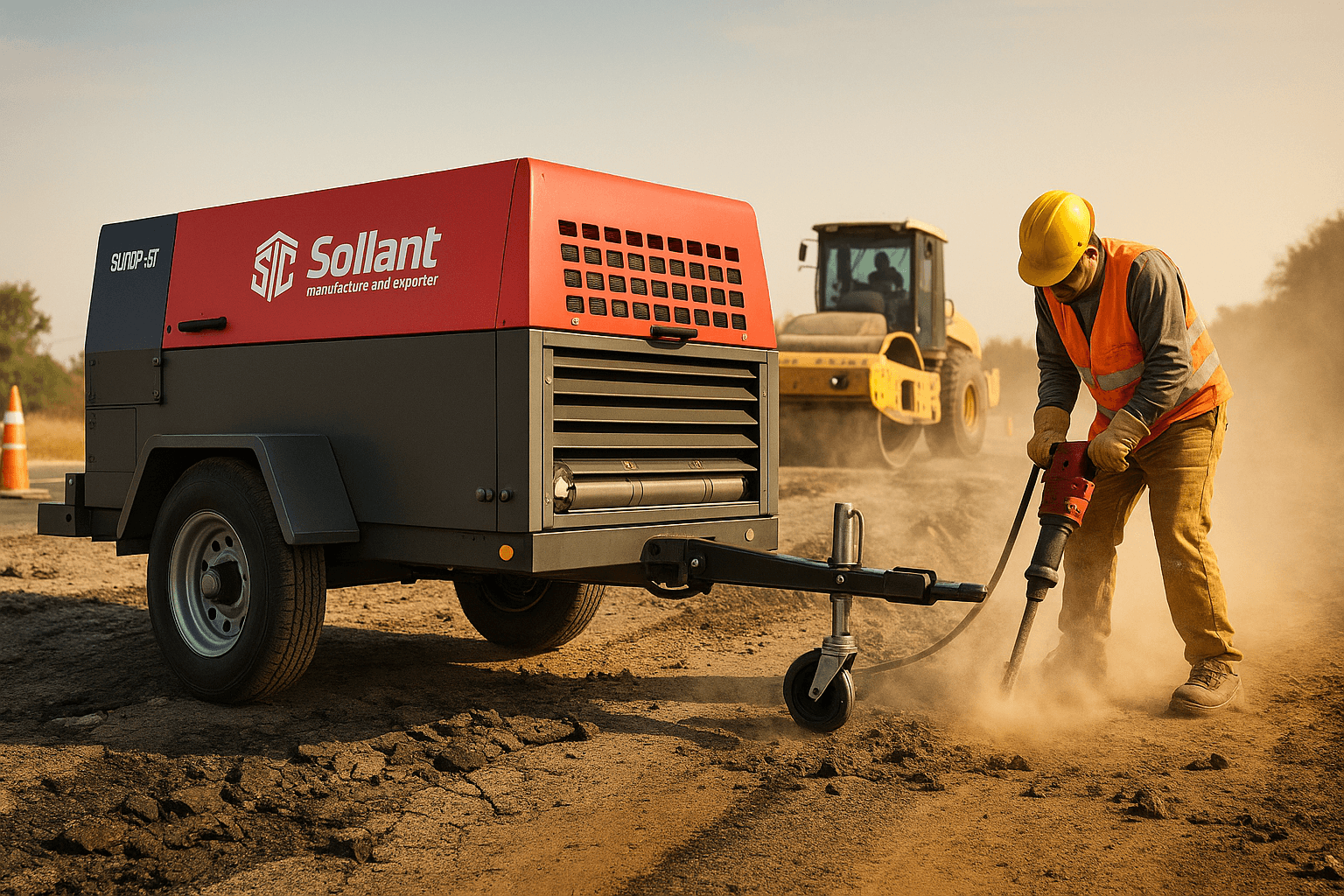
You should take care of your compressor often to help your drilling projects work well. Air drill maintenance lets you find problems early, so you do not have expensive repairs. If you check your compressor machine for drilling a lot, it lasts longer and works better. Sollant gives you good and energy-saving choices for your equipment.
You stop damage by doing air drill maintenance every day.
You use less energy and have fewer stops when your system is clean and works well.
Table of Contents
Key Takeaways
Taking care of compressor machines often stops expensive fixes and helps them last longer. Doing checks every day, every week, and every month is important to keep compressors working well. Using good lubricants and watching oil levels helps stop problems and keeps things running right. Finding air leaks early and fixing them saves energy and makes compressors work better. Special parts and help from Sollant make drilling work more reliable and efficient.
Maintenance Routines
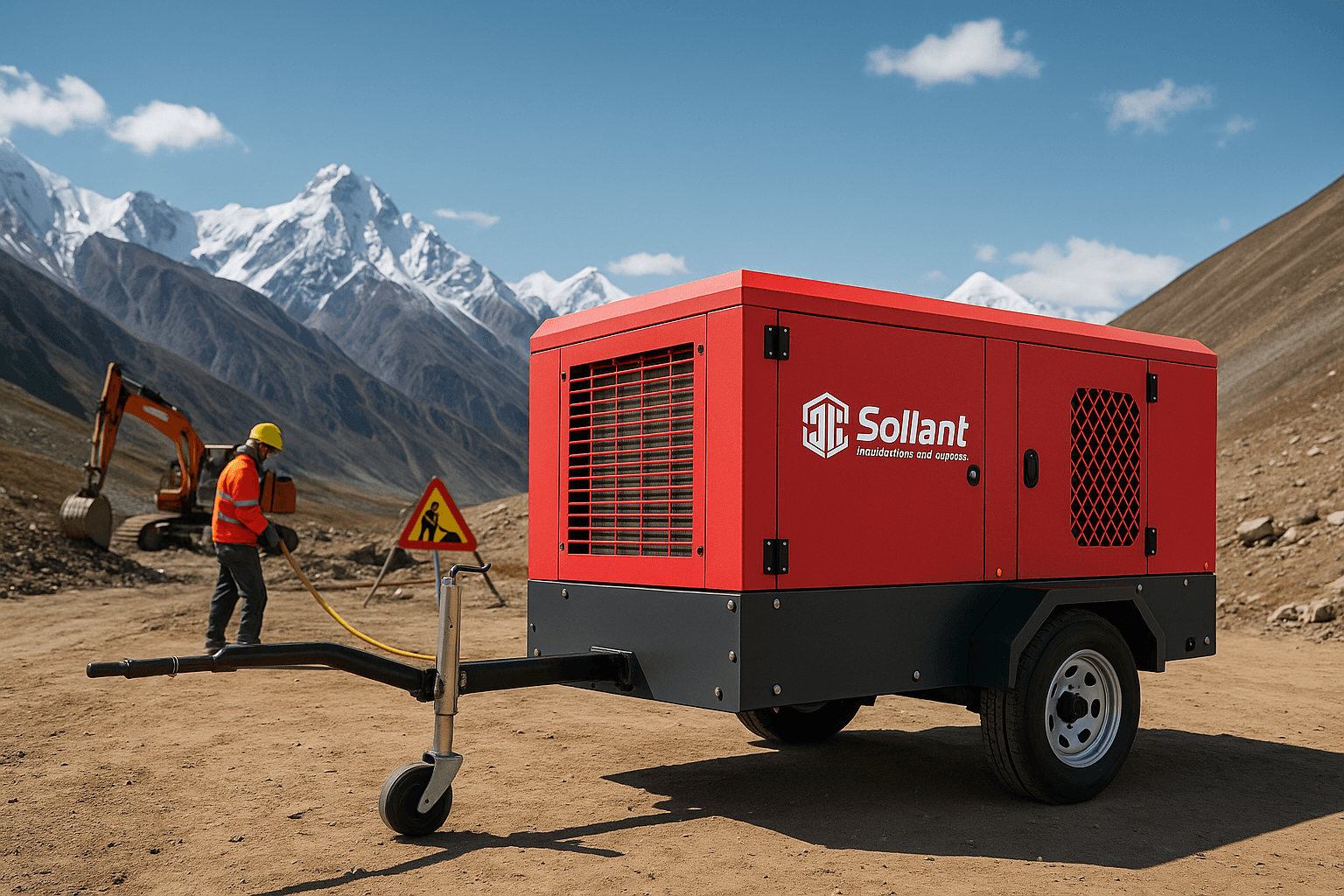
You need a good plan to keep your compressor machine working well. Routine maintenance helps you find problems early. This stops expensive breakdowns. You should do daily checks, weekly tasks, and monthly schedules. These steps help your equipment stay reliable and efficient.
Daily Checks
Start each day with daily checks. These checks help you find small problems fast. Fixing them early stops bigger issues. Here are important daily checks for your compressor machine:
Look at the engine oil dipstick and compressor oil sight glass. Make sure oil levels are right.
Check the radiator coolant level. This keeps your machine cool.
Make sure all gauges and lamps work.
Look at the air cleaner service indicators. Drain the fuel/water separator if needed.
Fill the day-fuel tank. This stops shutdowns during drilling.
Drain water from the fuel filters.
Look for oil or fuel leaks on the machine.
Clear the air cleaner pre-cleaner dumps if needed.
Make sure the radiator cap is tight.
Tip: Draining condensate every day stops rust and corrosion inside your compressor. Watch operating temperatures and check pressure readings. This helps avoid stress on the system.
Daily checks are the first step in maintenance. They help your compressor run smoothly and safely.
Weekly Tasks
Do weekly tasks to help your daily checks. These jobs keep your compressor in good shape. They focus on cleaning, checking, and testing important parts.
Check and clean intake vents and inlet air filters. Clean filters help your compressor work well.
Look at fan belts and alternator belts for wear. Replace any damaged belts.
Check battery connections for corrosion and good function.
Check tire inflation and tread wear if your compressor moves.
Test safety systems to make sure they work.
Check automatic drain valves for proper use.
Note: Weekly maintenance stops failures and keeps your compressor safe for drilling.
Always do weekly tasks with daily checks. This routine keeps your equipment reliable and cuts downtime.
Monthly Schedule
Monthly routines help you find bigger problems. They keep your compressor machine working its best. You need to check, clean, and review important parts and records.
Look for air leaks in the whole system. Air leaks lower efficiency and cost more money.
Change or clean air filters if you did not do this weekly.
Check hoses and connections for cracks, wear, or leaks. Replace damaged parts.
Review maintenance logs to track problems and plan future work.
Frequency | Maintenance Task |
|---|---|
Daily | Drain condensate, watch temperatures, check pressure, check oil level. |
Weekly | Clean intake vents, check belts, check battery, test safety systems, check drain valves. |
Monthly | Look for air leaks, change/clean filters, check hoses/connections, review logs. |
Tip: Monthly checks help you see changes in temperature, pressure, and electrical current. High temperatures or pressure changes can warn you about problems. Looking at your logs helps you plan maintenance and avoid surprises.
Routine maintenance with daily checks, weekly tasks, and monthly schedules keeps your compressor machine ready for drilling. You protect your equipment and help it last longer.
Key Components
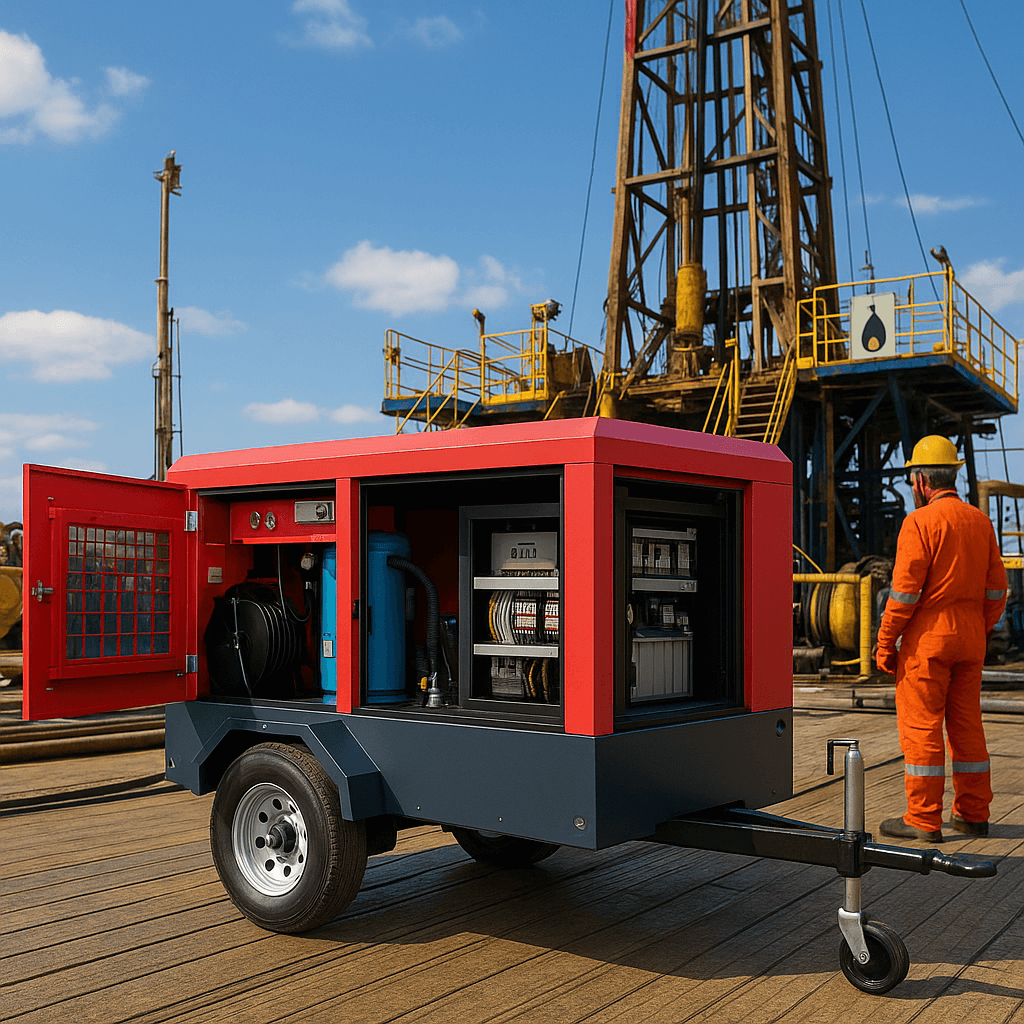
Compressor machines for drilling need important parts to work well. You must watch these parts closely. This helps your equipment run smoothly and saves money.
Filters and Oil
Filters and oil protect your compressor from harm. Check and change filters often. Clean filters keep air dry and stop dirt. Good oil lowers friction and cools the system. It also stops rust. Dirty oil can break your compressor. Most failures happen because of bad oil. You can stop this by using good lubricants and storing them right. Regular oil checks help you find problems early.
Use lubricants with the right thickness and special ingredients to help your compressor last longer.
Clean coolers so oil works better.
Keep out dirt to protect oil and compressor parts.
Tip: Change oil every 3,000 to 6,000 hours to keep your compressor working well.
Belts and Valves
Belts and valves move power and control air flow. Check these parts often. Broken belts or valves can make your machine stop or work badly. Use the table below to plan your checks:
Task | Frequency |
|---|---|
Inspect/Replace Compressor Valves | Every three or six months |
Check Cylinder to Piston Clearance | Every three or six months |
Check Packing Area Leaks | Every three or six months |
Check Crosshead Clearances | Every three or six months |
Replace Oil Filters | Every three or six months |
Check Lubricator System Operation | Every three or six months |
Clean heat exchangers and check belts each month. Change belts and drain valves once a year.
Separators
Separators take oil out of compressed air. This keeps your system clean and safe. If separators get blocked, your compressor uses more energy and works harder. Regular care helps you avoid these problems. Look at the table to see how separator care helps your compressor:
Key Aspect | Impact on Performance |
|---|---|
Keeps oil out of air and stops damage. | |
Clogged/Worn-out Separator | Makes pressure go up, uses more energy, and works worse. |
Routine Maintenance | Cuts downtime, stops repairs, and helps your compressor last longer. |
Note: Always change separators before they get blocked to keep your compressor working well.
Air Compressor Maintenance Tips
Lubrication
Lubrication helps your compressor work well. You must use the right oils. Good oils protect moving parts from damage. Bad oils can make your compressor break faster. If you use good lubrication, your machine lasts longer.
Here are some smart ways to use oil:
Use top-quality turbine oils with ISO grades 32 or 46. These oils help your compressor in hard drilling jobs.
Pick oils that last a long time. You will not need to change them often.
Choose oils that stop acid, sludge, and deposits. Clean oil keeps your compressor safe.
Make sure your oil fights rust and corrosion. This is important when your machine is off.
Use oils that push water out of the system. This keeps the lubrication clean.
Pick oils that are easy to filter. You do not want the oil to break down.
Stop foam from building up. Foam can cause problems inside your compressor.
Check oil levels every day. Change dirty oil right away. Sollant gives you strong compressor parts that work well with good oils. Your equipment gets better protection and lasts longer. Lubrication is very important for air drill maintenance. It helps you avoid expensive repairs and keeps your compressor ready.
Pressure Monitoring
Pressure monitoring helps you find problems early. Watch the pressure gauges on your compressor. If the pressure changes, you may have leaks or blockages. This can hurt your drilling work.
Here is how pressure monitoring helps:
Key Parameter | Description |
|---|---|
Changes in inlet and discharge pressures can mean leaks or blockages. |
Check pressure readings every day. If you see big changes, look for leaks or clogged filters. Sollant’s compressor solutions have smart controllers. These help you track pressure easily. You get alerts when something is wrong. This makes maintenance easier and keeps your compressor safe.
Fastener Tightening
Fasteners hold your compressor together. You should check bolts, nuts, and screws often. Loose fasteners can make your machine shake or break. Tightening fasteners is easy but stops big problems.
Follow these steps for tightening fasteners:
Check all bolts and nuts every week. Use a wrench to make sure they are tight.
Look for damage or wear. Replace broken fasteners.
Check fasteners after hard drilling jobs. Vibrations can make them loose.
Write down your fastener checks. This helps you plan future maintenance.
Sollant’s compressors use strong fasteners and tough parts. You get less downtime and fewer repairs. Fastener tightening works best with cleaning and other maintenance routines.
Lubrication, pressure monitoring, and fastener tightening are key parts of compressor maintenance. You keep your equipment safe and ready for drilling. Sollant’s advanced solutions help you follow these tips easily.
Troubleshooting Issues
Air Leaks
You need to look for air leaks when the compressor runs. Air leaks waste energy and make the system work less well. You can find leaks in different ways during regular checks:
Put soapy water on joints and connections. Bubbles show where air gets out.
Use ultrasonic leak detectors. These tools help you hear air escaping.
Check air flow meters. If air flow drops fast, there may be leaks.
Inspect the compressor every six months. This helps you find leaks early.
Change old parts during maintenance. New seals and hoses lower leak risks.
Professional checks help you find leaks you cannot see. Always add leak checks to your maintenance plan. Emergency maintenance helps you fix leaks fast and keep drilling going.
Overheating
Overheating can stop the compressor and hurt equipment. You need to know what causes it and how to stop it. The table below lists common causes and ways to prevent them:
Cause | Description | Prevention Measures |
|---|---|---|
Compressor works harder and risks damage | Keep away from windows and hot equipment | |
Ambient Temperature | Surrounding heat affects performance | Insulate area and avoid heat sources |
Insufficient Oil Levels | Low oil increases friction and heat | Check and change oil regularly |
Inadequate Ventilation | Poor airflow raises internal temperature | Clean vents and ensure good ventilation |
Thermal Valve Issues | Faulty valves cause overheating | Keep spare valves for quick replacement |
Dirty parts lead to overheating | Clean fans, filters, and other parts often | |
Temperature Monitoring | Early warning for overheating | Use gauges and sensors to track conditions |
Equipment Upgrade | Old models may not meet needs | Ask experts about upgrading equipment |
Check cooling fans and filters often. Maintenance helps stop overheating before it starts. Professional checks help you find problems early. Emergency maintenance lets you act fast if overheating happens.
Warning Signs
You need to watch for warning signs of compressor problems. These signs help you stop breakdowns and plan emergency fixes. Look for these issues during regular checks:
Air pressure changes a lot. This may mean bigger problems.
Strange noises like rattling or banging. These sounds show trouble inside.
More moisture or leaks in air lines. Water or oil in lines means something is wrong.
Overheating or sudden shutdowns. These need quick action.
Warning lights or codes. You must check these alerts.
Missing maintenance records or higher energy use. These signs show parts may be wearing out.
Use performance monitoring to watch compressor operation. Maintenance and professional checks help you find warning signs early. Emergency maintenance keeps your drilling project safe and working well.
Seasonal Care
Extreme Temperatures
Drilling in very hot or cold places is hard. Cold weather can freeze water inside the compressor. It also makes compressor oil thick. You need to check your machine more often in the cold. Use special oils that work well in low temperatures. Hot summer days can make more water build up inside. This can lower how much air your compressor gives. Watch for these changes and change your maintenance plan. When it is not too hot or cold, your compressor works better. But you still need to check it often.
Here is a table that shows how you can change your maintenance for very hot or cold weather:
Maintenance Adjustment | Solution |
|---|---|
Use high-temperature resistant lubricants | Maintain lubricating oil properties in extreme heat |
Regularly inspect and calibrate components | Ensure proper fit and function despite temperature changes |
Replace aging rubber seals | Use seals that resist high temperatures |
Enhance cooling systems | Lower internal temperatures and reduce thermal stress |
Adjust air intake system | Compensate for lower air density |
Use high-temperature resistant electronics | Keep sensitive parts cool |
Adjust overload protection thresholds | Match protection to high-temperature conditions |
Improve ventilation and air conditioning | Help operators stay comfortable |
Implement fire safety measures | Lower fire risks with a safety plan |
Tip: Always check your compressor before and after working in very hot or cold weather. This helps you stop sudden problems.
Humidity Control
Humidity can hurt your compressor machine. Try to keep humidity below 50%. This stops rust and mildew from forming. If you control the air, your machine lasts longer. It will also work better. Water inside the compressor can make parts wear out faster.
Keep humidity low to stop rust and mildew.
Use controls to protect your compressor from water inside.
Check for water inside the machine after rainy or humid days.
Note: Dry air helps your compressor work well and stay safe.
Site Conditions
Think about where you use your compressor. Every site is different and can change how your machine works. Watch these important things:
Outside pressure changes air flow and power.
Humidity can cause rust and water damage.
Coolant temperature keeps your compressor from getting too hot.
Check these site conditions often. Change your maintenance plan to fit the place. This helps your compressor stay strong and work well during drilling.
Sollant Solutions
Custom Parts
You want your compressor machine to fit your drilling needs. Sollant gives you many choices for custom parts. You can pick parts that match your site, your climate, and your drilling style. Sollant uses high-quality materials and smart designs. This helps your compressor last longer and work better.
Here is a table that shows what makes Sollant’s rotary screw air compressors strong and reliable:
Feature | Description |
|---|---|
High-quality materials | Cold-rolled steel covers protect your compressor from damage. |
Advanced design | Unique design ideas give you better quality and performance. |
Efficient components | Parts from brands like Schneider Electric and ABB make your machine last. |
Corrosion-resistant | Special spray and baking keep your compressor safe from rust. |
Low maintenance | Simple assembly means you spend less time fixing your machine. |
Long service life | Your compressor works well for many years. |
Reduced wear | Swiss bearings help your compressor run smoothly and avoid damage. |
Low noise operation | Quiet machines make your worksite safer and more comfortable. |
You can ask Sollant for custom filters, separators, and control systems. These parts help your compressor handle tough drilling jobs. You get better air quality and less downtime.
Tip: Custom parts help you save money and keep your drilling project on track.
Support Services
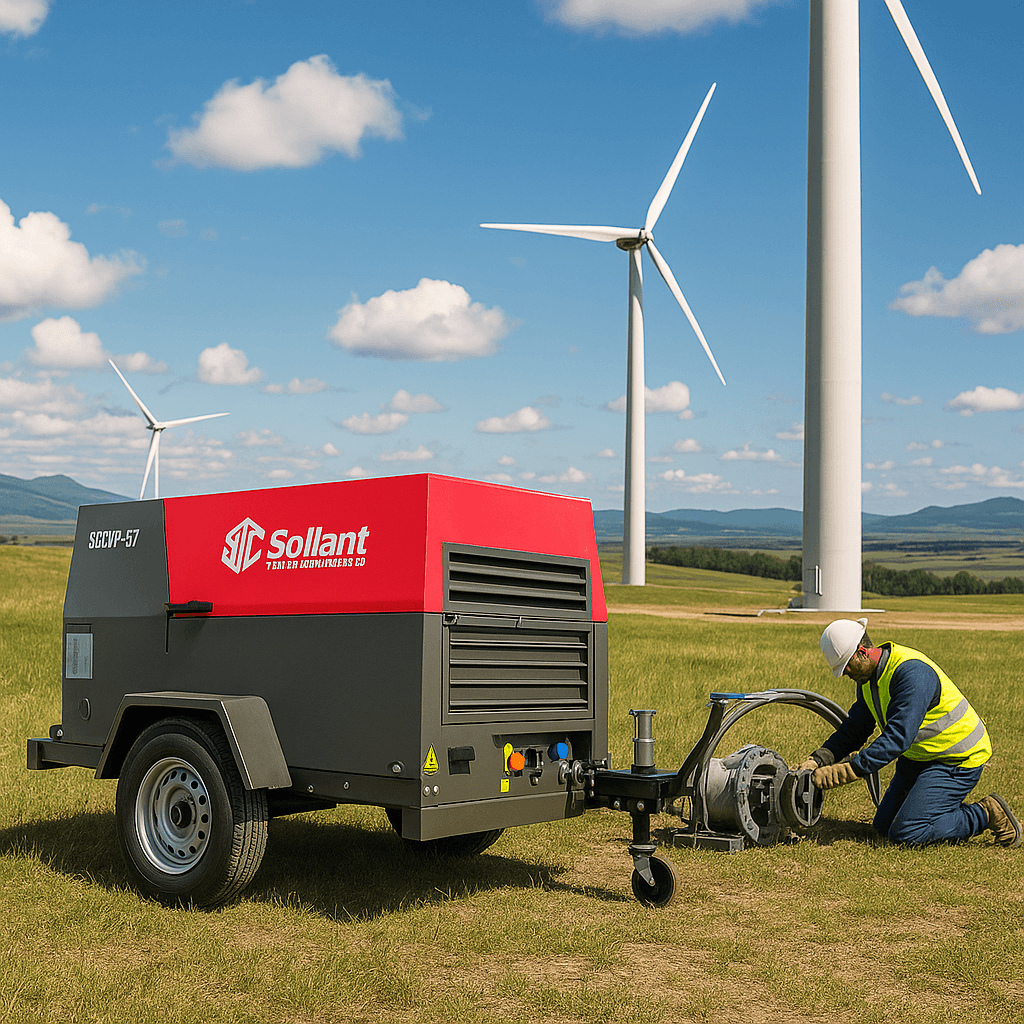
Sollant supports you at every step. You get help with choosing, installing, and running your compressor. Sollant’s team answers your questions fast. You can get training for your workers. This helps you use your compressor the right way.
Sollant offers global service. You can find help in many countries. If you need a new part, Sollant ships it quickly. You can also get regular check-ups for your machine. This keeps your compressor safe and strong.
Fast customer support by phone or email
Training for your team
Quick delivery of spare parts
Maintenance plans for long-term care
Sollant’s support helps you avoid problems and fix them fast. You can trust Sollant to keep your drilling equipment working well.
Compressor Machine for Drilling Checklist
Daily List
You should start each day with a quick check of your compressor machine. This helps you catch problems early and keep your drilling project safe. Use this list to guide your daily routine:
Inspect pressure levels. Make sure your compressor runs within the recommended range.
Check oil levels. Oil-lubricated compressors need clean and full oil to work well.
Drain condensate from the tank. Moisture can build up, especially in humid places.
Listen for unusual noises. Strange sounds may mean something is wrong.
Look for leaks. Check hoses, fittings, and connections for air or oil leaks.
Monitor oil levels. Refill or replace oil if needed.
Drain moisture from the air receiver. This prevents rust and damage.
Verify pressure levels. Confirm your system keeps the right pressure for drilling.
Tip: Always follow storage best practices when handling oil and spare parts. Store them in a clean, dry place to avoid contamination.
Weekly List
Weekly checks help you keep your compressor machine in good shape. You should clean, inspect, and test important parts. This routine helps you avoid breakdowns and keeps your equipment reliable.
Clean intake vents and air filters. Dust and dirt can block airflow.
Inspect fan belts and alternator belts for wear or damage.
Check battery connections for corrosion.
Test safety systems to make sure they work.
Check automatic drain valves for proper operation.
Review storage best practices for all tools and replacement parts.
Note: Good storage best practices help you keep spare parts ready and prevent damage from moisture or dust.
Monthly List
Monthly maintenance helps you find bigger problems and keep your compressor running smoothly. Use this table to organize your monthly tasks:
Check and clean dryer |
Check drain valves |
Clean filters |
Change air compressor oil filters |
Examine coupler and shaft seals |
You should also review your maintenance logs and inspect hoses and connections for cracks or leaks. Replace any damaged parts right away.
You can help your compressor last longer by doing daily, weekly, and monthly air drill maintenance. If you take care of your compressor before problems start, you will not have to pay for big repairs. Using a checklist helps you find problems early. This makes your compressor last longer and keeps your drilling project safe. Sollant’s solutions make your equipment work better and help it last longer.
Taking care of your compressor stops rust and saves money.
Regular checks help your compressor last longer and cost less to own.
Sollant compressors are made to be strong and last a long time in drilling jobs.
Benefit | Description |
|---|---|
Regular care stops damage and fixes problems before they get worse. | |
Cuts Down on Breakdowns | Checking your compressor often helps you find problems early and keeps it working longer. |
Saves Money | You do not need to pay for big repairs or new parts, so you spend less over time. |
FAQ
How often should you perform maintenance for optimal performance in drilling operations?
Check your compressor every day, week, and month. Doing regular maintenance helps your compressor work its best. You can stop breakdowns and keep drilling going. Use a checklist for each check. This makes sure your compressor is always ready.
What is the best way to control moisture content in your compressor during drilling?
Drain condensate from your compressor every day. This lowers moisture and keeps your equipment safe. Clean filters and dry air help your compressor work well. After rainy or humid days, check for water inside.
Why is visual inspection important for compressor storage and drilling?
Looking at your compressor helps you find leaks or damage early. You keep your compressor safe and your storage area clean. This also helps your drilling go as planned. Always check hoses, belts, and connections before and after storage.
How does proper part replacement affect optimal performance in compressors used for drilling?
Changing parts when needed keeps your compressor working well. You stop breakdowns and help your compressor do its job. Replace filters, belts, and separators on time. This helps your drilling work without stops. Always use good parts for repairs and storage.
What are the top tips for compressor storage to maintain optimal performance in drilling?
Store your compressor in a dry, clean place. Keep oil and spare parts away from water. Use covers to protect your compressor from dust. Check your storage area often. Good storage helps your compressor work well and keeps your drilling safe.
Tip: Always use your checklist for storing and caring for your compressor. This helps you stop problems and keeps your drilling project strong.
Storage Tip | Benefit for Drilling Equipment |
|---|---|
Dry, clean area | Stops rust and damage |
Regular checks | Keeps compressor ready for drilling |
Use covers | Protects from dust and moisture |
Organize spare parts | Speeds up proper part replacement |
Request a Quick Quote Now
How to do my business well ?
- Market situation
- Technology configuration
- Strike Price
- exclusive agency
- Import and export assistance
- More…

