
5 Key Dimensions for Effective Screw Air Compressor Management: Maintenance, Safety, and Efficiency
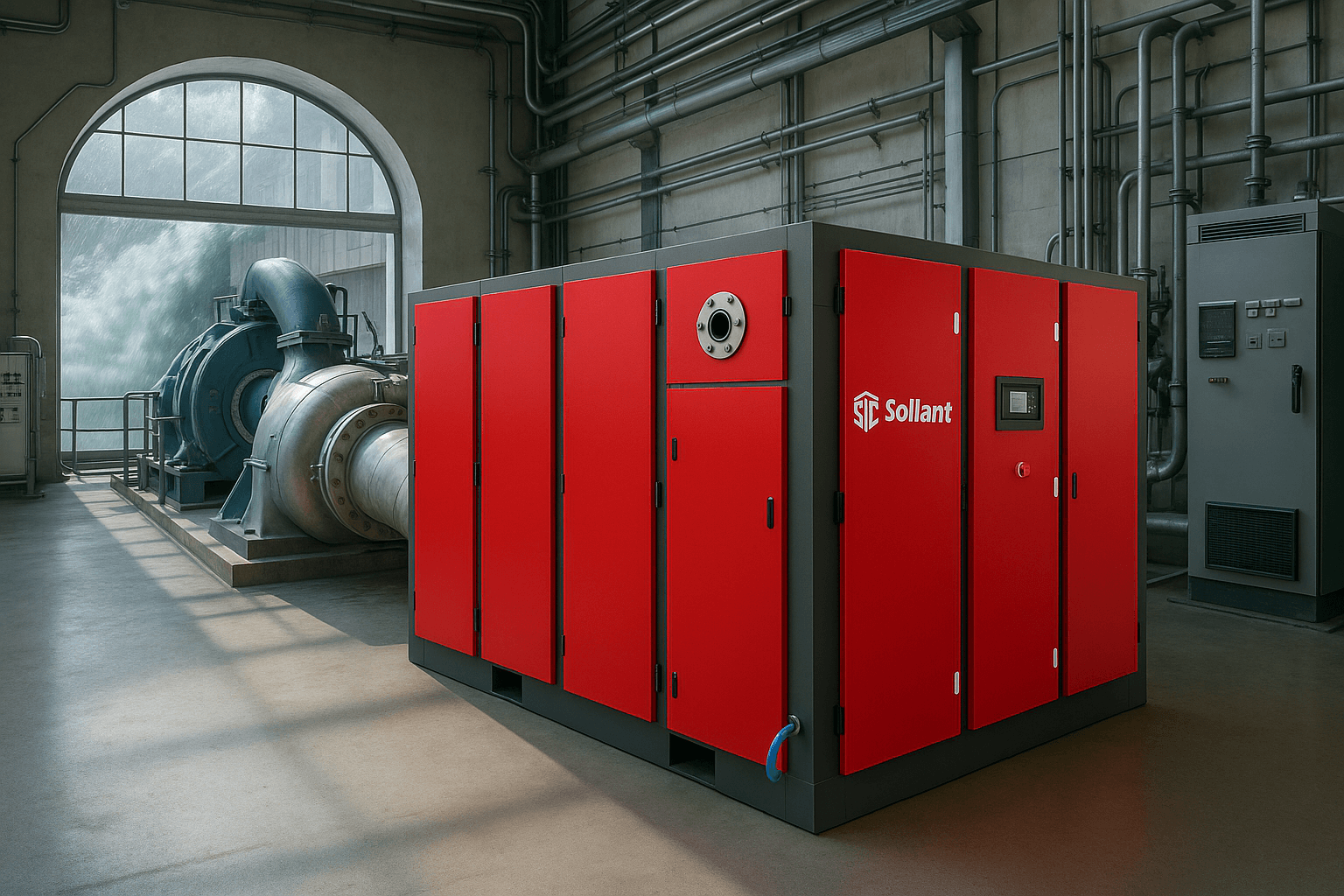
Screw air compressors are often called the “power heart” of industrial production. Their reliability directly impacts production efficiency, energy consumption, and overall operating costs. To ensure long-term stable and economical performance, businesses must establish a scientific management system.
This guide outlines a five-dimensional screw air compressor management framework: management responsibilities, daily inspections, scheduled maintenance, safe operation, and troubleshooting. Following these best practices can extend equipment lifespan, reduce failures, and secure consistent productivity.
Table of Contents
I. Clear Management Responsibilities
-
Equipment Management Department
-
Develop management systems, preventive maintenance plans, and evaluation standards.
-
Supervise implementation and organize periodic training to strengthen technical skills.
-
-
Operators
-
Must receive professional training and certification before taking on operational duties.
-
Understand equipment structure, principles, and operating procedures.
-
Keep accurate logs and report abnormalities immediately.
-
-
Maintenance Personnel
-
Carry out scheduled maintenance, repairs, and fault elimination.
-
Keep detailed records of service, component replacements, and corrective actions.
-
Ensure compressors remain in optimal technical condition.
-

II. Standardized Daily Inspections
1. Monitor Operating Parameters (record hourly):
-
Exhaust pressure: 0.7–0.8 MPa
-
Exhaust temperature: ≤95°C
-
Oil level: 1/2–2/3 of gauge
-
Current and voltage: within rated limits
2. Equipment Condition Checks
-
Appearance: Inspect for oil, air, or water leaks.
-
Sound: Listen for steady operation, no metallic friction or abnormal vibration.
-
Temperature: Motor temperature rise should not exceed 40°C above ambient.
-
Instruments: Pressure, temperature, and oil gauges must function accurately.
III. Scheduled Maintenance Plan
1. Daily Maintenance
-
Drain condensate from tanks and coolers (at least twice daily).
-
Clean surfaces and fan filters to maintain airflow and heat dissipation.
2. Weekly Maintenance
-
Inspect air and oil filters. Clean with compressed air or replace if blocked.
-
Check drive belt tension (10–15 mm deflection). Adjust or replace if damaged.
3. Monthly Maintenance
-
Test oil quality: should remain light yellow, odor-free, and clean. Replace oil and filters after 2,000 hours.
-
Calibrate safety valves and pressure switches annually for reliability.
4. Quarterly & Annual Maintenance
-
Quarterly: Clean air and oil coolers, check for loose bolts and leaks.
-
Annually: Inspect the main engine (rotor clearance, bearings), and recalibrate instruments.
IV. Safety Operation Standards
-
Pre-Startup Checklist
-
Confirm oil level, power supply, and valve conditions.
-
Clear obstructions and ensure safe workspace.
-
Start with the exhaust valve closed, then open gradually after pressure stabilizes.
-
-
During Operation
-
Never disassemble components while running.
-
Wear PPE (gloves, hard hat) and avoid high-temperature surfaces.
-
-
Shutdown Procedure
-
Close intake valve → run at no-load for 5–10 minutes → cut power → shut cooling system.
-
-
Emergency Situations
-
For overheat (>100°C), abnormal pressure, leakage, or strange noises: hit emergency stop immediately and resolve issues before restarting.
-

V. Troubleshooting and Fault Management
-
Establish Fault Logs
-
Record fault time, symptoms, handling, and resolution.
-
Analyze root causes and implement preventive measures.
-
-
Common Faults & Solutions
-
High Exhaust Temperature: Check coolers, fans, or oil. Clean or replace parts as needed.
-
Low Pressure: Inspect filters, pipeline leaks, and intake valve. Repair or adjust.
-
Excessive Noise: Examine bearings, belts, and main engine. Replace or adjust accordingly.
Conclusion
Implementing a comprehensive screw air compressor management system not only enhances equipment life but also minimizes downtime, lowers costs, and ensures a stable supply of compressed air for industrial operations. Continuous monitoring, preventive maintenance, and systematic troubleshooting are the cornerstones of safe and efficient air compressor operation.
Tip: For complex issues, always consult professional technicians or your compressor supplier to guarantee reliable and safe performance.
Request a Quick Quote Now
How to do my business well ?
- Market situation
- Technology configuration
- Strike Price
- exclusive agency
- Import and export assistance
- More…

