
10 Hidden Safety Hazards of Air Compressor Operation: The Silent Killers 90% of Operators Ignore
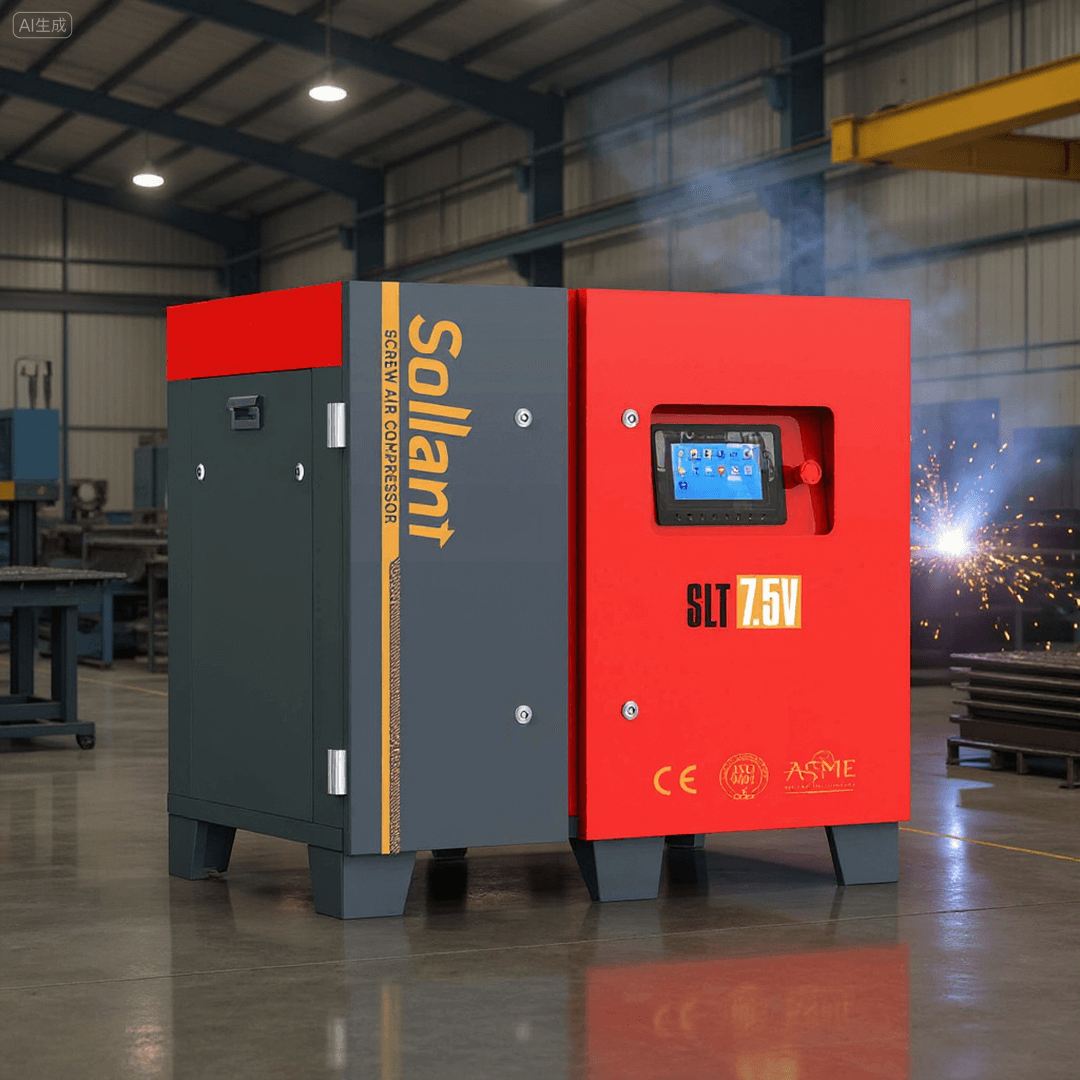
In modern factories and workshops, air compressors act as the “power heart” of production lines, continuously supplying compressed air to pneumatic tools and automated equipment. However, behind this powerful force lies a series of underestimated safety risks. From equipment defects to human error and poor management, a single overlooked detail can trigger serious accidents such as explosions, mechanical injuries, fires, and pressure vessel ruptures.
This article systematically analyzes the most common air compressor safety hazards and provides practical, SEO-optimized, and actionable prevention guidance for frontline operators, safety managers, and maintenance teams.
Table of Contents
1. Inherent Equipment Hazards: Hidden Risks from Selection to Maintenance
Many air compressor safety problems begin at the very source — improper equipment selection. In order to reduce initial investment, some companies choose models that do not match actual working conditions. For example, using a low-pressure air compressor to handle high-pressure workloads forces the machine to operate in long-term overload status, significantly increasing the risk of overheating, structural fatigue, and component failure.
Another common hidden risk is the lack of proper air treatment configuration. When a dryer is not installed in high-humidity environments, moisture remains in the compressed air and gradually corrodes the inner wall of the air receiver tank. Over time, this corrosion creates microscopic cracks that are almost invisible during routine visual inspections. These “invisible cracks” can suddenly expand under pressure and cause catastrophic tank rupture.
Poor maintenance practices further amplify these risks, especially in three critical components:
-
Safety valves that are not calibrated quarterly may become rusted and stuck. When internal pressure exceeds the rated limit, the valve fails to open, leading to a dangerous pressure build-up.
-
Pressure gauges that have not been calibrated for long periods often provide inaccurate readings, causing operators to believe the pressure is normal when it has already exceeded safe limits.
-
Clogged air filters that are not replaced on time allow dust and solid impurities to enter the compressor. These contaminants accelerate cylinder wear and can mix with lubricating oil to form flammable mixtures, which may self-ignite under high-temperature conditions.
All of these equipment-based hazards turn the compressor into a time bomb, even when daily operations seem normal.
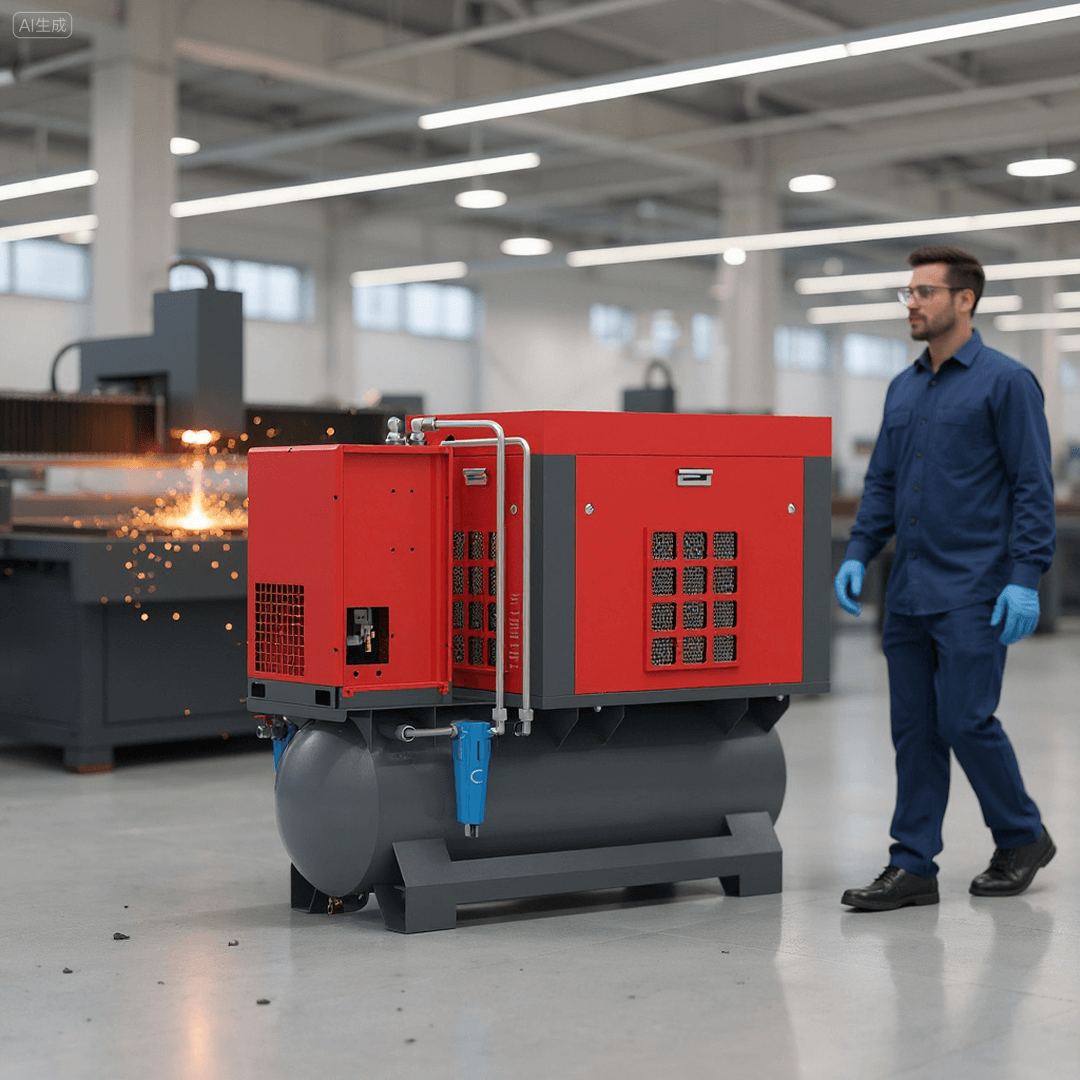
2. Fatal Human Errors: Operational Mistakes That Must Be Avoided
Accident statistics show that more than 70% of air compressor incidents are directly related to human operational mistakes. These risks usually fall into two categories: illegal startup operations and unsafe behavior during running conditions.
The first line of defense — pre-start inspection — is often skipped to save time. Some operators start the compressor directly under load without conducting a no-load test run. If residual pressure remains in the pipeline or the motor bearings are partially seized, the sudden torque can cause coupling failure, belt snapping, or even flying mechanical parts that can seriously injure nearby personnel.
An even more dangerous habit is failing to check the drain valve at the bottom of the air receiver before startup. Oil-water mixtures accumulated inside the tank can be blown into the pipeline. This not only shortens the service life of pneumatic tools but can also cause liquid hammer effects inside pipes, leading to valve impact failure and sudden leakage.
During operation, unsafe actions can instantly trigger disasters. For instance, striking the air tank or pipelines with metal tools to “loosen” blocked valves is extremely dangerous. Compressed air pressure is evenly distributed inside sealed containers, and external impact destroys the stress balance of the metal structure, often causing local rupture or crack expansion.
Another high-risk behavior is dismantling pressure gauges or safety valves while the compressor is running. High-pressure gas can jet out like a cutting blade, and direct exposure to the human body can cause severe impact injuries, internal organ damage, and even fatal trauma.
Some operators also pour cold water over a running compressor in summer to reduce temperature. The rapid temperature change causes thermal stress in the cylinder block, leading to micro-cracks. High-temperature gas leaking from cracked cylinders can react with oxygen in the air and trigger flash fires or explosions.
3. Environmental and Management Loopholes: Small Details That Cause Major Accidents
The operating environment and management system play a decisive role in air compressor safety, yet they are often neglected.
Placing an air compressor in a narrow, poorly ventilated room prevents proper heat dissipation. As a result, motor temperature rises rapidly, causing overload protection trips or winding burnout. In extreme cases, insulation materials may catch fire.
Another dangerous practice is storing flammable materials such as cotton waste, oil barrels, and chemical solvents near the compressor. If oil mist leaks from the system and contacts high-temperature components, it can ignite instantly and spread fire throughout the workshop.
A particularly overlooked hazard is positioning air compressors too close to high-pressure gas cylinders such as oxygen bottles or acetylene cylinders. If a compressor tank explodes, flying metal fragments may strike these cylinders, creating chain explosions with devastating consequences.
On the management side, the biggest loophole is unlicensed operation. Untrained workers may not understand standard operating procedures and may even confuse the emergency stop button with a normal power switch. In many companies, safety training is treated as a formality, limited to reading documents without hands-on drills. When real emergencies such as pipeline leakage or pressure spikes occur, operators panic and fail to respond correctly.
Another serious issue is the absence of equipment safety files. Without maintenance records, companies cannot track when safety valves were last tested or when filters were replaced. As a result, machines continue to run in a “sub-healthy” state for long periods.
4. Key Preventive Actions: Turning Safety into Daily Habits
Preventing air compressor safety hazards does not require complex technologies. It mainly relies on disciplined execution of basic rules and attention to detail.
For operators, the most important habits can be summarized as “three musts”:
-
Before startup, they must check the condition of safety valves, pressure gauges, and drain valves to ensure there is no corrosion or leakage.
-
During operation, they must continuously monitor pressure and temperature data and stop the machine immediately if abnormalities occur, such as pressure exceeding the rated value by more than 10% or motor temperature rising above 80°C.
-
After shutdown, they must close the air intake valve, release residual pressure in the pipeline, and clean debris around the equipment.
For managers, three management priorities are crucial:
-
Enforce mandatory training so that only certified personnel can operate the equipment, and conduct emergency drills every six months.
-
Establish a clear maintenance log system to ensure quarterly calibration of safety valves, monthly inspection of filters, and annual non-destructive testing of air receiver tanks.
-
Control the operating environment by setting up a dedicated compressor area with at least a 5-meter safety distance from gas cylinders and flammable materials, while ensuring good ventilation and tidy surroundings.
5. Why Air Compressor Safety Deserves Zero Compromise
Air compressor safety is never about “fixing problems after they happen” — it is about preventing them before they occur. Every calibration of a safety valve, every pre-start inspection, and every standardized operation builds a stronger protective barrier for production safety.
There is no room for compromise between power and safety. Only by closing the “small doors” of hidden hazards can companies effectively block the “big doors” of catastrophic accidents and ensure long-term, stable, and safe production.
Request a Quick Quote Now
How to do my business well ?
- Market situation
- Technology configuration
- Strike Price
- exclusive agency
- Import and export assistance
- More…

