
Air Compressor Tips to Enhance Gas Output Efficiency
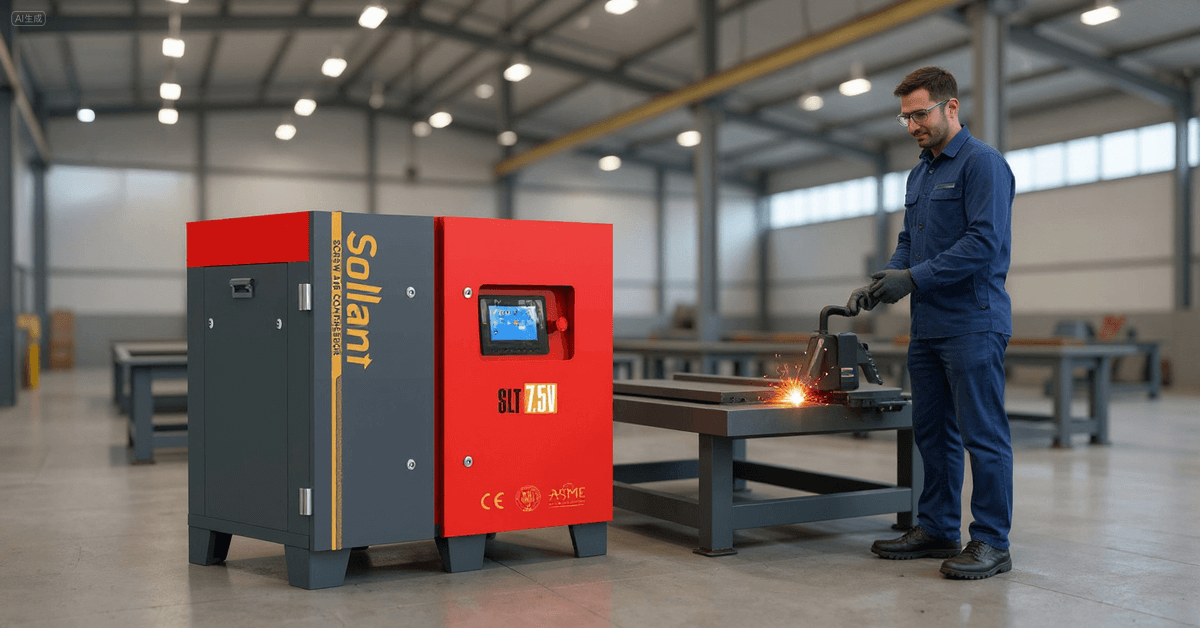
An air compressor is the backbone of many industries, supplying compressed air for manufacturing, construction, and energy systems. But when its gas output is insufficient, production efficiency drops while energy consumption and costs rise.
If you want to improve the gas output of your air compressor, here are the key things you must know.
Table of Contents
1. Regular Maintenance Is Essential
Keep the Air Filter Clean
The air filter is the “mask” of your compressor. A clogged filter restricts airflow, just like trying to breathe through a dirty mask.
-
Clean filters every 1,000–2,000 hours.
-
Replace them around 5,000 hours or sooner in dusty environments.
Inspect Valves Frequently
Valves control air flow and sealing. Leaking or worn valves prevent pressure build-up, reducing gas output.
-
Check seals, springs, and valve seats.
-
Replace damaged parts immediately.
Maintain the Lubrication System
Without proper lubrication, friction increases and sealing efficiency decreases.
-
Monitor oil level and quality.
-
Use the recommended type of compressor oil.
-
Replace oil and filters regularly.
2. Optimize Operating Conditions
Ensure Clean, Cool, and Dry Air Intake
The quality of intake air directly affects gas production.
-
Avoid hot, humid, or dusty environments.
-
Install a pre-filter at the intake.
-
Improve ventilation to keep intake air cooler.
Set Pressure Parameters Correctly
Improper operating pressure settings can reduce efficiency.
-
Maintain at least 0.05 MPa difference between load and unload pressures.
-
If your compressor supports variable frequency drives (VFDs), use them to match output with demand.
3. Detect and Fix Air Leaks
Leaks are one of the most common reasons for lost compressed air.
-
Regularly inspect pipes, joints, valves, and tanks.
-
Apply soapy water to suspected leak points—bubbles confirm leaks.
-
Seal or replace faulty parts immediately.
Even small leaks, over time, can cause huge output losses.
4. Address Equipment Failures Quickly
Piston Ring and Cylinder Wear
In reciprocating compressors, worn rings or cylinders allow gas leakage and reduce compression efficiency. Replace worn components promptly.
Screw Airend Issues
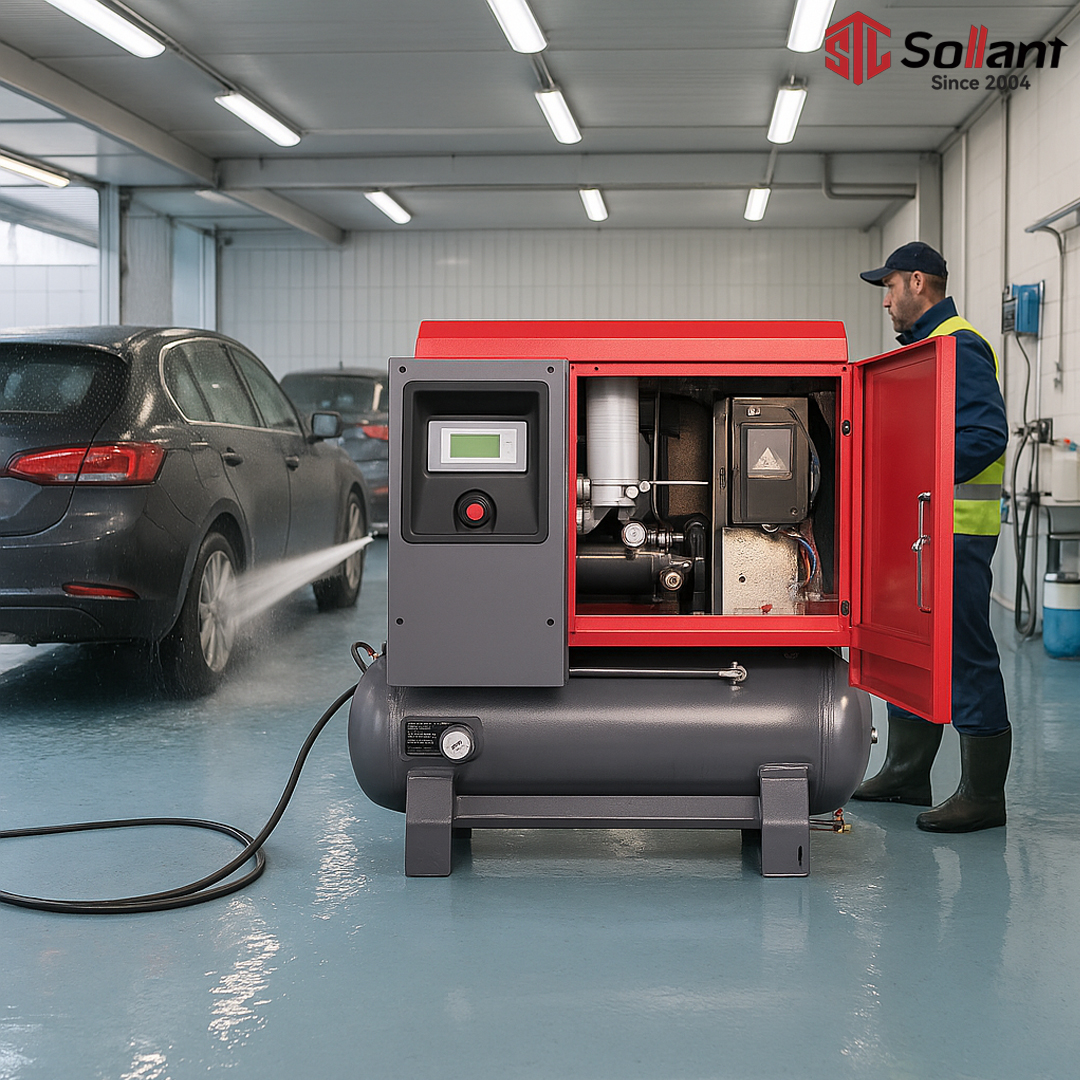
For screw compressors, worn rotors and bearings increase internal leakage and reduce gas output. Watch for unusual noise, vibration, or high temperature, and schedule professional repairs as needed.
Conclusion
To increase the gas output of your air compressor, you need to:
-
Keep up with regular maintenance
-
Optimize intake conditions and operating pressure
-
Detect and repair leaks quickly
-
Fix mechanical failures without delay
By focusing on these essentials, you’ll improve gas production, reduce wasted energy, and ensure your compressor runs reliably for years.
Request a Quick Quote Now
How to do my business well ?
- Market situation
- Technology configuration
- Strike Price
- exclusive agency
- Import and export assistance
- More…

