
The lifespan of air compressors and the reasons for their varying longevity
You often see air compressors working reliably for over a decade, while similar models fail after just a few years. Most compressors last between 5 and 20 years, though high-quality, well-maintained units can exceed 10 years of service. Equipment quality, environment, maintenance, usage habits, and technology upgrades all play a role in determining lifespan. Choosing a reputable brand like Sollant, especially the 11kw Rotary Screw Air Compressor, helps you achieve longer service life. You may wonder how to extend your compressor’s life and recognise when replacement becomes necessary.
Table of Contents
Key Takeaways
Air compressors typically last between 5 to 20 years, depending on quality and maintenance. Choosing a reputable brand like Sollant can enhance longevity.
Regular maintenance is crucial. Schedule oil changes and filter replacements to prevent breakdowns and extend your compressor’s life.
Environmental conditions impact compressor performance. Store your unit in a clean, dry space to avoid corrosion and wear.
Monitor for signs of ageing, such as increased noise or energy consumption. Early detection can prevent costly repairs or replacements.
Proper usage habits, like operating within recommended pressure ranges, can significantly improve efficiency and lifespan.
Air Compressor Lifespan
Typical Years of Service
When you consider investing in an air compressor, understanding its expected years of service is essential. The total life span of around 10 to 15 years is common for well-maintained industrial models, but this figure can vary widely based on type and application.
Reciprocating air compressors often deliver about 50,000 hours of operation.
Oil-free rotary screw compressors typically reach 70,000 hours.
Traditional rotary screw air compressors can exceed 100,000 hours.
Centrifugal air compressors may run up to 250,000 hours during their lifetime.
Most industrial facilities replace their compressor every 10 years.
You will notice that home and light commercial compressors usually have shorter lives, often due to lighter construction and less frequent maintenance. In contrast, industrial units, especially those from reputable brands, can serve reliably for over a decade.
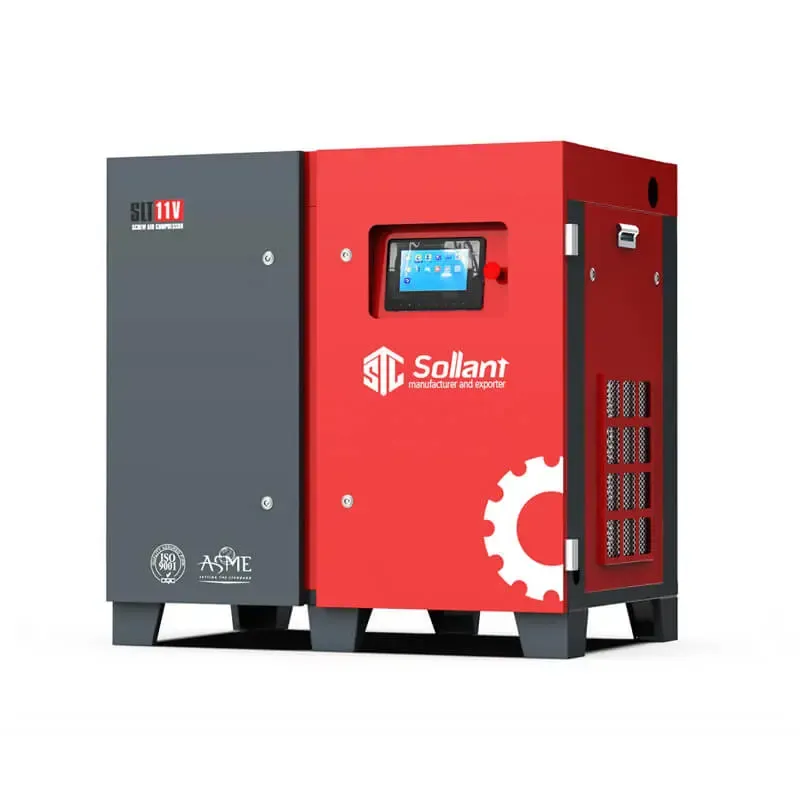
Sollant air compressors stand out in this landscape. Their design features fewer moving parts, which reduces wear and extends operational life. For example, the Sollant 11kw Rotary Screw Air Compressor uses advanced engineering and robust materials, allowing it to outperform many standard models in both durability and efficiency.
Tip: Always check the manufacturer’s specifications and maintenance recommendations to estimate the likely service period for your chosen compressor.
Factors Influencing Longevity
You might wonder why two compressors, working under similar conditions, can have vastly different outcomes. The answer lies in several critical factors, each playing a unique role in determining the lifespan of your air compressor.
Factor | Description |
|---|---|
Maintenance Practices | Regular maintenance keeps your compressor running smoothly and extends its operational life. |
Environmental Conditions | Dust, humidity, and temperature extremes can shorten the lifespan by causing corrosion or wear. |
Loading Characteristics | Proper loading prevents premature wear; overloading or underloading leads to system failure. |
Equipment quality sets the foundation for longevity. High-end compressors, such as those from Sollant, use premium materials like alloy steel for rotors. These components undergo precise forging and grinding, ensuring high hardness and excellent wear resistance. In contrast, compressors built with ordinary carbon steel and lower manufacturing precision often show significant wear after only 30,000 to 50,000 hours, leading to early failure.
You will find that oil-lubricated compressors, like the Sollant 11kw Rotary Screw Air Compressor, offer enhanced durability. The oil reduces friction, improves heat dissipation, and lowers the frequency of required maintenance. This design choice results in a longer service life and greater cost-effectiveness over time.
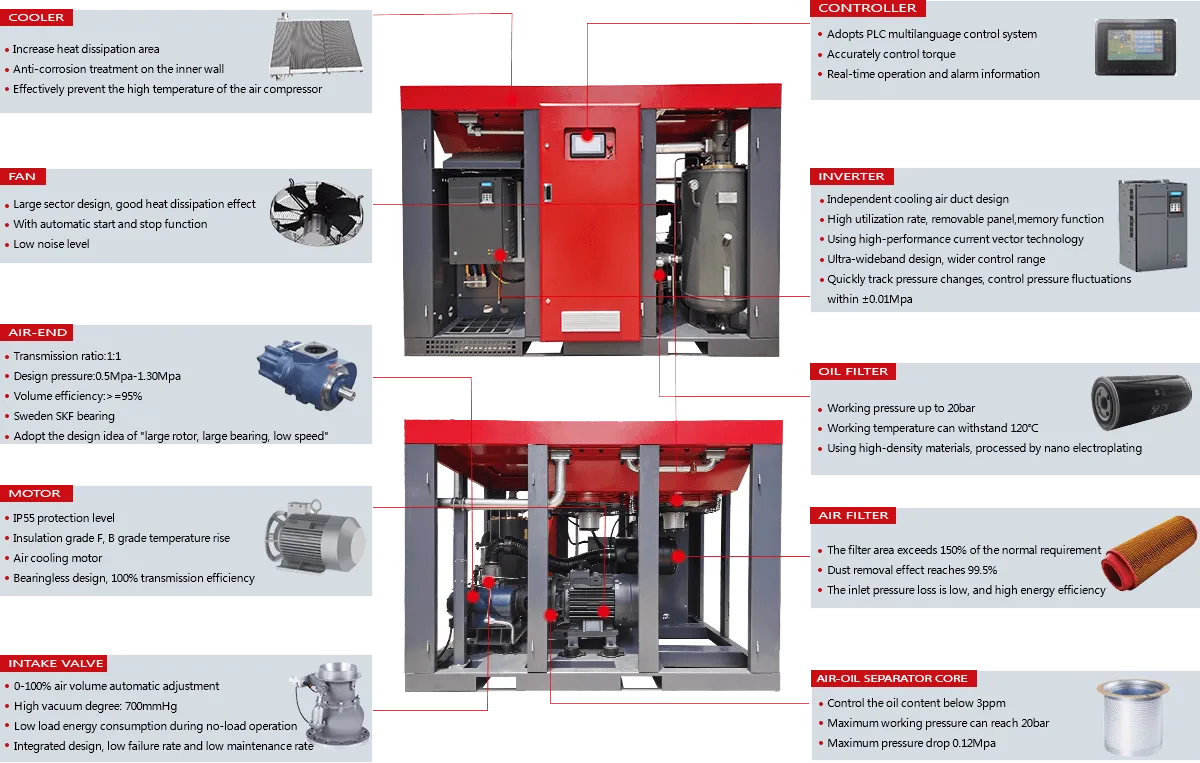
Brand reputation and product innovation also matter. Sollant’s commitment to quality and continuous improvement means you benefit from advanced features, such as high-density oil filters and permanent magnet motors. These innovations not only boost efficiency but also protect internal components, ensuring your compressor remains reliable even in demanding environments.
Real-world examples highlight these differences. In clean, well-ventilated factories, a high-quality rotary screw air compressor can operate efficiently for more than 10 years. However, in dusty or humid settings, a poorly maintained or lower-quality unit may fail within just three years. By choosing a reputable brand and following best practices, you maximise the value and longevity of your investment.
Key Factors Affecting Longevity
Usage and Maintenance
You play a crucial role in determining the effective working life of your air compressor. How often you use the compressor, the way you operate it, and your approach to maintenance all directly influence its longevity. Daily use in industrial settings typically shortens the manufacturer-determined life cycle compared to occasional use for home projects. However, you can increase its lifespan with a robust preventative maintenance plan and regular scheduled servicing.
Air compressors used every day in factories tend to wear out faster than those used less frequently.
Regular maintenance, such as timely filter and oil changes, helps prevent constant repairs and the eventual need to replace the unit.
Neglecting maintenance of a compressed air system, especially in harsh environments, accelerates wear and leads to an ageing compressor reaching its end-of-life stage much sooner.
Impact on Compressor Lifespan | |
|---|---|
Reducing pressure | Cuts power consumption and increases airflow, leading to more reliable operation and reduced wear. |
Proper sizing | Prevents rapid cycling, which can lead to increased maintenance needs and a shorter lifespan. |
Avoiding oversizing | Ensures the compressor operates efficiently, reducing energy costs and extending the life of components. |
You should always follow the manufacturer’s recommendations for scheduled servicing. Using high-quality parts, such as those from Sollant, ensures that your compressor maintains optimal performance and reliability. Sollant’s advanced filtration systems and durable materials reduce the risk of breakdowns and support a longer service life.
Environment and Operation
The operating environment has a significant impact on the performance and longevity of your air compressor. High temperatures, humidity, and dust levels all pose unique challenges.
Environmental Factor | Impact on Air Compressor Longevity |
|---|---|
Temperature | High temperatures can lead to increased wear and tear on components. |
Humidity | High humidity causes moisture accumulation, leading to corrosion. |
Dust Levels | Dust accumulation can deteriorate insulation and cause short-circuits. |
You should store your compressor in a clean, dry, and temperature-controlled environment. Covering the unit protects it from dust and moisture. Regularly draining water from the system prevents corrosion and maintains air quality. Proper ventilation and keeping coolers clean help prevent overheating. Maintaining a room temperature between 10°C and 29°C (50°F and 85°F) supports stable operation.
In environments with high dust, such as cement plants or mines, you must clean or replace filters more frequently. Failing to maintain the air compressor system in these conditions leads to rapid wear and frequent breakdowns. In contrast, compressors in clean, well-ventilated workshops often achieve a much longer service life.
Brand Impact
Your choice of brand significantly affects the long-term performance and reliability of your compressor. Sollant air compressors stand out due to their compact and durable design, which contributes to a longer service life. The high-efficiency permanent magnet motor eliminates the need for gearboxes, improving energy transmission and reducing mechanical wear. This simple design minimises the need for frequent maintenance interventions.
Sollant’s advanced filtration technology and robust construction help maintain consistent performance, even in demanding industrial environments. By investing in a reputable brand and following a strict preventative maintenance plan, you ensure your compressor delivers reliable service throughout its intended lifespan.
Tip: Always select a compressor that matches your operational needs and environment. Regular scheduled servicing and the use of quality parts are essential for maximising the lifespan and performance of your equipment.
Signs Your Air Compressor Needs Replacement
Common Ageing Symptoms
You may notice several warning signs when your air compressor approaches the end of its service life. These symptoms often appear gradually, but ignoring them can lead to costly downtime. Look out for the following:
Frequent breakdowns or unexpected stoppages
Decline in air pressure output
Persistent leak issues
Rising maintenance costs
Poor quality of compressed air
Overheating during operation
Outdated technology or controls
Excessive oil consumption
Increased noise levels often signal mechanical wear or improper installation. If your compressor sounds louder than usual, this may indicate internal damage. Consistent monitoring of noise and vibration helps you detect problems early.
Tip: Regular inspections and prompt attention to these symptoms can prevent sudden failures and protect your investment.
Performance Decline
Performance metrics provide valuable insights into the health of your compressor. Maintenance professionals recommend tracking several key indicators:
Metric | What It Reveals |
|---|---|
Oil analysis | Detects contaminants and additive depletion |
Temperature readings | Identifies overheating or under-performance |
Oil level checks | Ensures adequate lubrication for moving parts |
Highlights operational efficiency | |
Sound/vibration | Uncovers leaks or mechanical issues |
A steady decline in these metrics often means your compressor is struggling to meet operational demands. You may observe reduced efficiency, higher energy bills, and inconsistent air supply. These issues can disrupt production and increase costs.
Repair vs. Replace Decision
Deciding whether to repair or replace your air compressor requires careful consideration. You should evaluate the following factors:
Compare the cost of repairs with the price of a new unit
Consider the age and overall condition of your compressor
Assess the availability of replacement parts
Analyse the impact of downtime on productivity
Determine your future operational needs
Short-term repairs may save money if problems are minor. However, frequent breakdowns and rising maintenance costs often make replacement the smarter choice. New compressors, such as those from Sollant, offer improved energy efficiency and reliability, reducing total cost of ownership over time.
Note: Consulting a professional technician and conducting a cost-benefit analysis will help you make an informed decision. Sollant provides expert support and product upgrade options to ensure your business remains productive and competitive.
Extend the Life of Your Air Compressor
Maintenance Tips
You can extend the life of your air compressor by following a consistent maintenance routine. Begin with daily checks of oil levels and drain any moisture from tanks and dryers. Clean or replace air filters regularly to ensure clean airflow and prevent dust build-up. Monitor for leaks, as even small leaks can waste energy and strain the compressor. Schedule oil changes every 2,000 to 8,000 hours, depending on your model, and always replace the oil filter at the same time. Keep a record of all maintenance activities and address minor issues before they escalate. Professional inspections provide in-depth assessments and help you spot potential problems early.
Tip: Training your team to recognise warning signs and keeping essential spare parts on hand will reduce downtime and support reliable operation.
Proper Operation
Proper care of an air compressor starts with correct usage habits. Always consult the user manual for specific instructions on setup and cleaning. Operate the compressor within the recommended pressure range to avoid unnecessary wear. Reduce unloaded running hours and fix air leaks promptly. Use pressure regulators to maintain optimal settings and improve efficiency. Ensure the intake air is cool, dry, and free from contaminants. These habits not only enhance performance but also extend the life of your air compressor and the tools it powers.
Operational Practice | Benefit |
|---|---|
Improve air flow | Reduces friction and boosts efficiency |
Cool it off | Prevents overheating and prolongs lifespan |
Use variable controls | Adapts output to demand, saving energy |
Choosing Reliable Brands
Selecting a reputable brand plays a vital role in maximising compressor longevity. Sollant’s 11kw Rotary Screw Air Compressor features high-grade materials and precision engineering, including Swiss bearings for smooth operation and reduced wear. Advanced filtration and robust construction ensure durability, even in demanding environments. Technology upgrades, such as smart monitoring systems and ceramic-coated rotors, provide early warnings of issues and further extend service life. Professional service plans, like preventive maintenance contracts, offer peace of mind and keep your equipment performing at its best. By investing in quality and innovation, you secure long-term reliability and lower operational costs.
You can expect an air compressor to deliver reliable service for many years if you focus on quality, maintenance, and proper operation. Regular checks and preventive care help you avoid costly failures. Choosing robust products like the Sollant 11kw Rotary Screw Air Compressor ensures durability and efficiency.
Factor | Description |
|---|---|
Compressor Type | Rotary screw compressors generally last longer than reciprocating compressors. |
Product Quality | High-quality products tend to have longer lifespans. |
Maintenance Practices | |
Working Conditions | Clean environments extend lifespan significantly. |
Schedule professional inspections.
Upgrade technology when possible.
Maintain a strict servicing routine.
Consistent attention to these areas keeps your compressor performing at its best.
FAQ
How often should you service your air compressor?
You should service your air compressor every 2,000 to 8,000 hours, depending on the model and environment. Regular checks on filters, oil, and seals help prevent breakdowns and extend the machine’s lifespan.
What environment is best for air compressor longevity?
A clean, dry, and well-ventilated space supports long service life. High temperatures, humidity, or dust can cause corrosion and wear. You should always keep your compressor away from direct sunlight and sources of moisture.
Why do some compressors last much longer than others?
Quality of materials, maintenance routines, and operating conditions all play a role. You will find that reputable brands, such as Sollant, use advanced engineering and robust parts, which help achieve a longer lifespan.
Can technology upgrades extend compressor life?
Yes. Upgrading to smart monitoring systems or using advanced materials, such as ceramic-coated rotors, helps you detect issues early and reduce wear. These improvements can add years to your compressor’s service life.
What are the most common signs of compressor ageing?
Look for increased noise, frequent breakdowns, reduced air pressure, and higher energy use. If you notice these symptoms, you should consider professional inspection or replacement to avoid costly downtime.
Request a Quick Quote Now
How to do my business well ?
- Market situation
- Technology configuration
- Strike Price
- exclusive agency
- Import and export assistance
- More…

