
Causes of Exhaust Gas Overheating in Screw Air Compressors
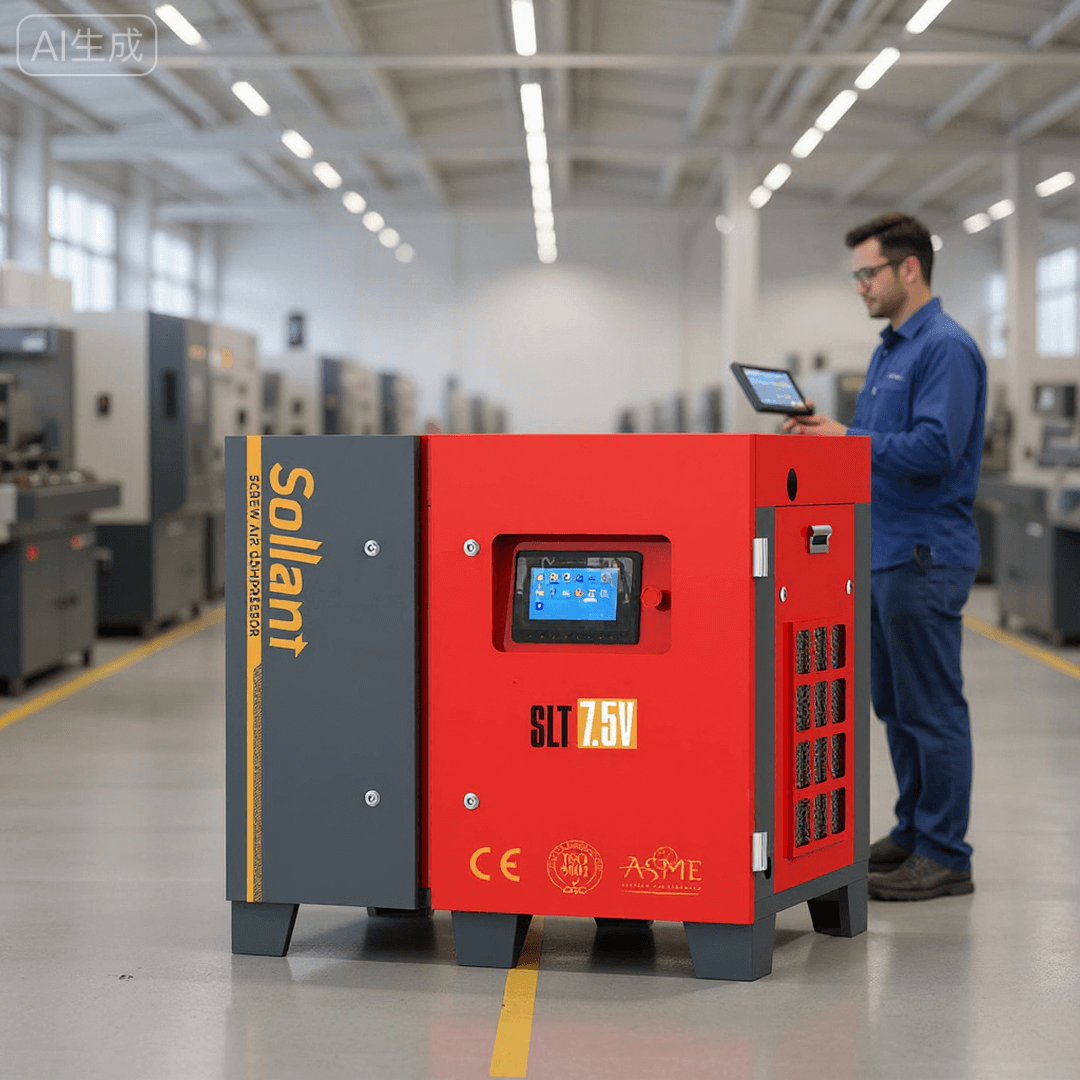
You may wonder why exhaust gas overheating occurs in screw air compressors. Several factors can cause this issue, such as high return air temperature or excessive motor heating. If you want optimal performance from your compressor, regular maintenance is essential. Routine checks help you spot worn belts or oil leaks early. You also need to look after the cooling system and heat exchangers. Changing oil filters and keeping oil at proper levels reduces overheating risk. Sollant provides reliable solutions to help you keep your equipment running smoothly.
Regular maintenance detects small problems before they become major.
Cooling system care prevents overheating.
Replacing oil filters and checking oil levels keeps your compressor efficient.
Table of Contents
Key Takeaways
Regular maintenance is crucial. It helps detect small issues before they escalate into major problems.
Monitor your compressor’s temperature regularly. Early detection of high temperatures can prevent costly repairs.
Use genuine Sollant parts for better performance. They ensure proper cooling and reduce the risk of overheating.
Keep your cooling system clean and functional. A well-maintained cooling system prevents overheating and maintains efficiency.
Check oil levels and quality frequently. Proper lubrication is essential for cooling and preventing compressor damage.
Main Causes of Overheating
High Return Air Temperature
You may notice high return air temperature as a leading cause of high exhaust temperature in screw air compressors. When the return air piping lacks proper insulation, the superheat can rise above safe levels. For every 1°C increase in return air temperature, the discharge temperature can climb by 1 to 1.3°C. This rise puts extra stress on your compressor and can lead to overheating. If you operate in a high ambient temperature environment, the risk increases even more. Sollant compressors use advanced insulation and efficient piping layouts to help you maintain stable temperatures and protect your equipment.
Tip: Regularly check the insulation on your return air lines. This simple step can prevent unnecessary temperature spikes and keep your compressor running efficiently.
Electrical Heating
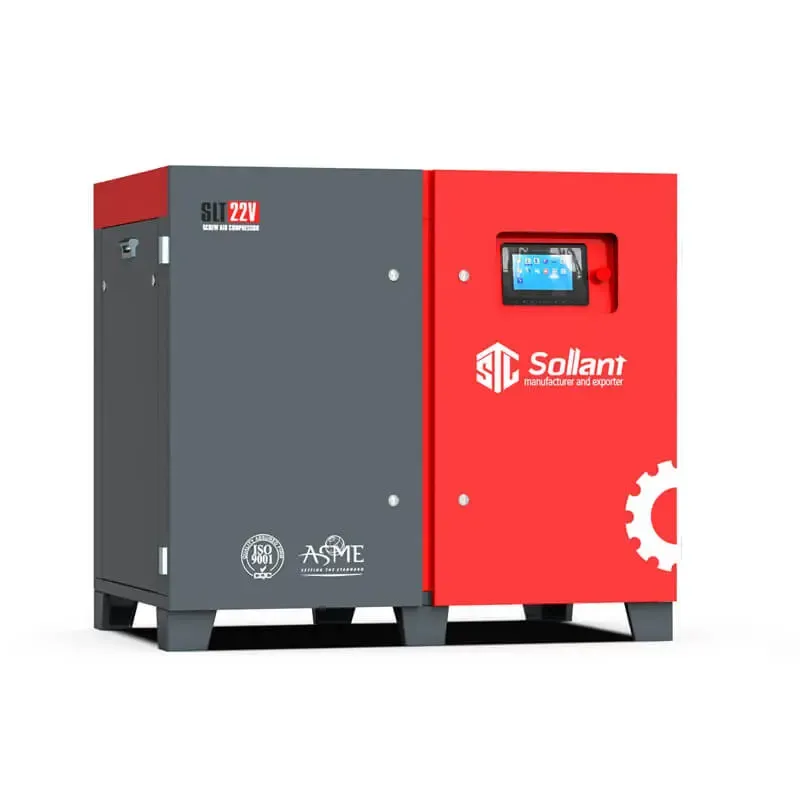
Electrical heating inside the compressor also contributes to high exhaust temperature. In return air-cooled screw air compressors, the refrigerant vapor passes through the motor cavity and absorbs heat from the motor. This process can raise the suction temperature by 15 to 45°C. The more power your compressor uses, the more heat the motor generates. If you use a Sollant screw air compressor, you benefit from energy-efficient motors that reduce unnecessary heat buildup. Sollant’s permanent magnet synchronous motors, found in models like the 7.5kw and 22kw rotary screw air compressors, help you minimize electrical heating and improve compressor efficiency.
High Compression Ratio
A high compression ratio is another common cause of overheating. When your compressor works with a high compression ratio, the discharge temperature rises quickly. You can lower the compression ratio by increasing suction pressure or reducing discharge pressure. Keeping your suction lines clean and replacing clogged filters helps you maintain proper pressure levels. If you use a Sollant compressor, you get adjustable pressure settings and robust filtration systems that make it easier to control these factors.
Here are some factors that can increase the risk of high exhaust temperature due to compression ratio:
High oil temperature affects heat dissipation.
Intake of superheated vapor adds more heat.
Insufficient oil injection reduces cooling.
Air in the refrigeration system disrupts operation.
Sollant compressors feature high-density oil filters and efficient cooling systems to help you avoid these problems.
Back-Expansion and Gas Mixing
Back-expansion and gas mixing inside the compressor can also raise the exhaust gas temperature. After the intake stroke, some high-pressure gas remains in the cylinder clearance. This gas expands back and absorbs heat from hot surfaces like the valve plate and cylinder top. When new gas enters, it mixes with this hot gas, causing the starting temperature of compression to rise above the suction temperature. This process, although brief, can still contribute to high exhaust temperature and reduce compressor efficiency.
During back-expansion, gas absorbs heat from high-temperature surfaces.
Mixing of back-expansion gas with incoming gas increases temperature.
The gas temperature at the start of compression is higher than the suction temperature.
Sollant’s screw air compressors use advanced engineering to minimize clearance and improve intake volume, helping you reduce the impact of back-expansion and gas mixing.
Refrigerant Type
The type of refrigerant you use in your screw air compressor affects how much the exhaust gas temperature rises. Different refrigerants have unique thermophysical properties. Some cause a higher temperature rise after compression, while others keep the temperature lower. Using the right refrigerant for your cooling needs helps you avoid overheating and maintain high compressor efficiency.
Refrigerant Type | Effect on Exhaust Gas Temperature Rise |
|---|---|
Refrigerant A | Higher temperature rise |
Refrigerant B | Moderate temperature rise |
Refrigerant C | Lower temperature rise |
Sollant experts can help you select the best refrigerant for your application. Their compressors are designed to work efficiently with a range of refrigerants, so you get reliable performance and reduced risk of high exhaust temperature.
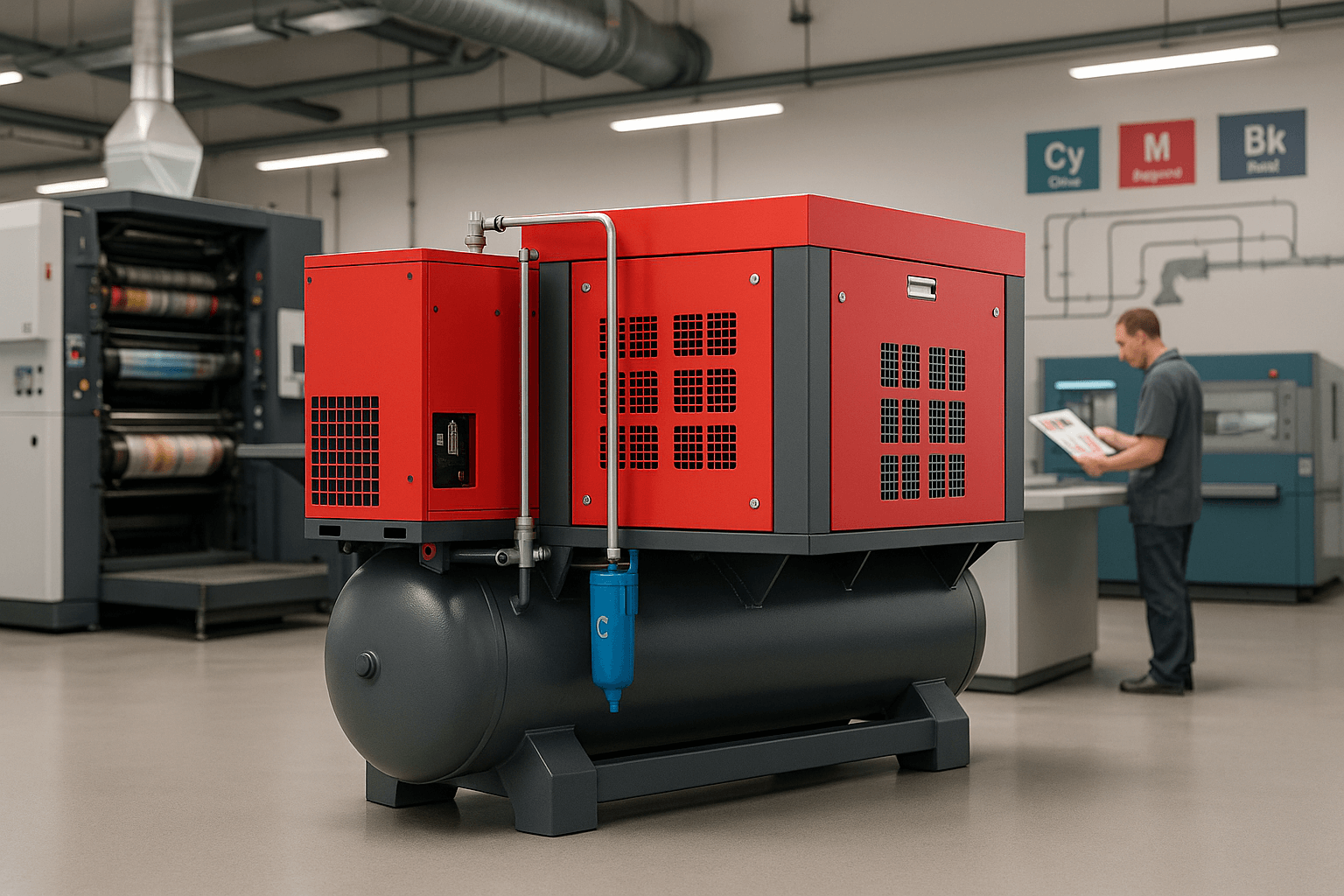
High Exhaust Temperature Symptoms
Rising Discharge Temperatures
You can spot overheating in screw air compressors by watching for abnormal temperature rises. The discharge temperature gives you a clear signal. During normal operation, the temperature should stay between 185°F and 190°F. If you see the temperature climbing toward 220°F or 230°F, your compressor may shut down automatically to prevent damage. You should check the temperature gauge often. A sudden spike in exhaust temperature means you need to act quickly. Sollant compressors come with advanced monitoring systems that alert you to abnormal temperature rises, helping you keep your equipment safe.
Normal discharge temperature: 185°F to 190°F
Automatic shutdown: 220°F to 230°F
Tip: Regularly inspect your compressor’s temperature readings. Early detection of high exhaust temperature can prevent costly repairs.
Compressor Overload Signs
You may notice several signs when your compressor faces overload due to high exhaust temperature. These signs help you identify problems before they become serious. The table below shows common operational signs and what they mean:
Operational Sign | Explanation |
|---|---|
Abnormal noise levels | Strange grinding or rattling noises could indicate overheating. A sudden change in sound suggests a mechanical issue. |
Rising discharge temperatures | High discharge temperatures can result from low refrigerant or poor lubrication. Monitoring temperature gauges is crucial. |
Frequent shutdowns due to temperature limits | Repeated shutdowns indicate that the compressor is reaching its temperature limits, a built-in safety feature to prevent overheating. |
Sollant compressors feature smart controllers that track exhaust temperature and alert you to overload conditions. You can rely on these features to maintain safe operation and avoid downtime.
Poor Ventilation Effects
Poor ventilation in your compressor room can cause the exhaust temperature to rise. Hot air builds up when it cannot escape, leading to a gradual increase in internal temperature. This situation raises the exhaust temperature and puts your compressor at risk of overheating. You should keep the area around your compressor clear and ensure proper airflow. Sollant designs its screw air compressors with efficient cooling systems and ventilation solutions to help you manage temperature and prevent overheating.
Note: Good ventilation keeps your compressor running smoothly and reduces the risk of abnormal temperature rises.
Lubrication Issues in Screw Air Compressors
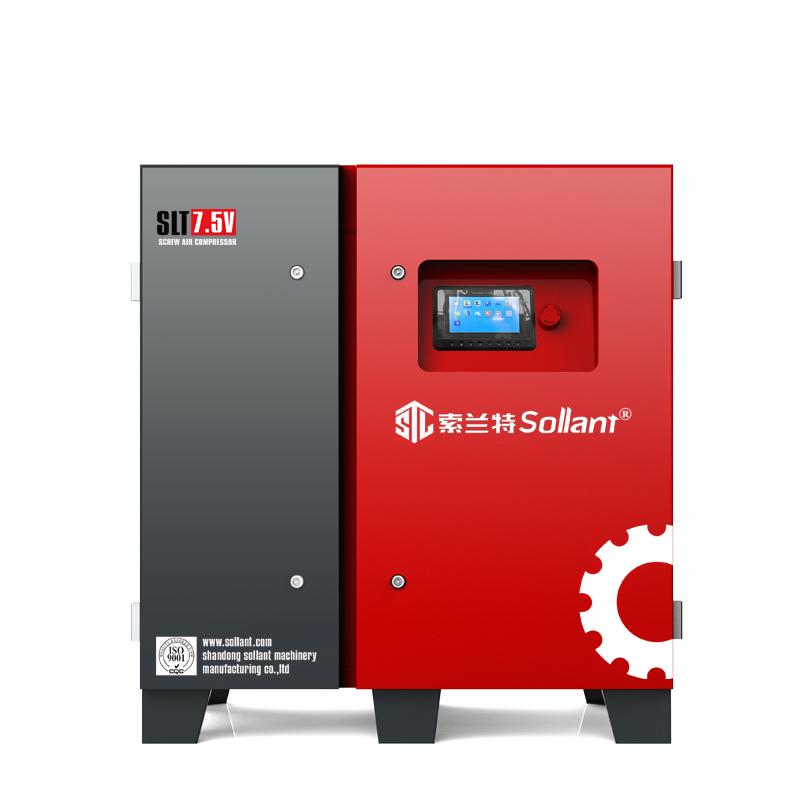
Proper lubrication keeps your screw air compressors running smoothly and prevents overheating. When you overlook lubrication issues, you risk higher exhaust temperature, reduced efficiency, and even equipment failure. Sollant compressors, such as the 7-5kw-rotary-screw-air-compressor, use advanced filtration systems and high-quality components to help you avoid these problems.
Low Oil Level
You need enough oil in your compressor to keep it cool and lubricated. Oil in screw air compressors does more than just reduce friction. It also removes most of the heat created during compression. If the oil level drops too low, the cooling effect weakens. This causes the oil temperature to rise and leads to higher exhaust temperature. You may notice the following effects:
Low oil quantity can cause the compressor to overheat.
Most of the heat from compression should leave with the oil, not stay in the system.
Tip: Check your oil level regularly as part of your maintenance routine. This simple step helps you prevent temperature spikes and keeps your compressor safe.
Oil Quality Problems
The quality of oil you use matters as much as the quantity. Poor oil quality increases friction inside the compressor. This can cause pressure to fluctuate and temperature to rise. Low-quality oil may break down under high temperatures, losing its ability to lubricate and cool. When this happens, your compressor can overheat and lose efficiency. High-quality oil, on the other hand, helps dissipate heat and keeps your compressor running at the right temperature. Sollant recommends using only approved oils to ensure optimal lubrication and cooling.
Oil Filter Blockage
A clogged oil filter restricts the flow of oil through your compressor. This leads to less lubrication and less cooling. Over time, reduced oil flow increases wear on moving parts and raises the risk of overheating or damage. Sollant compressors feature high-density oil filters that trap impurities and keep oil flowing freely. Models like the 7-5kw-rotary-screw-air-compressor make filter changes easy, so you can maintain proper lubrication and temperature control.
Note: Regular maintenance and timely oil filter replacement help you avoid costly repairs and keep your compressor operating efficiently.
Cooling System Problems
A reliable cooling system keeps your screw air compressors running at the right temperature. If the cooling system fails, you may face overheating and high exhaust temperature. You need to understand the main problems that can affect the cooling system and how they impact your compressor.
Cooling Fan Failure
The cooling fan moves air across the oil cooler and radiator. If the fan stops working, the oil cannot release heat. The temperature inside the compressor rises quickly. You may notice the compressor shutting down or the exhaust temperature warning light turning on. Always check that the fan blades spin freely and the motor works without strange noises. Sollant compressors use high-quality fans that provide steady airflow and help prevent sudden temperature spikes.
Tip: Listen for unusual sounds from the fan. Early detection of fan issues can save your compressor from overheating.
Radiator Blockage
A blocked radiator can cause serious cooling problems. Dust, dirt, or oil residue can clog the radiator fins. When this happens, the oil cannot cool down as it should. The temperature of the oil rises, and the compressor may trip or stop working. You should clean the radiator regularly to keep the cooling system efficient.
Blockage of the radiator leads to inadequate cooling of the oil.
High temperatures from uncool oil disrupt normal compressor operation.
This disruption may cause the compressor to trip and stop functioning.
Sollant designs radiators with easy-access panels, so you can clean them quickly and keep your compressor safe.
Insufficient Coolant Flow
Insufficient coolant flow is another common cause of overheating. The cooling system needs enough oil and coolant moving through it to remove heat. If the oil level drops or the flow slows down, the temperature rises fast. You should check coolant and oil levels often. Make sure the radiator is clean and the fan works well.
Maintaining the cooling system is crucial for compressors that generate significant heat.
Regularly check coolant levels to ensure adequate flow.
Clean radiators and ensure fans are functioning properly to prevent overheating.
Sollant compressors feature robust cooling system designs. These systems keep oil moving and maintain stable temperatures, even in tough conditions.
Intake and Exhaust Blockages
Blockages in the intake and exhaust systems can cause serious problems for your screw air compressor. You may notice a rise in temperature and a drop in efficiency when these blockages occur. Keeping these systems clear helps you avoid overheating and protects your equipment.
Air Filter Clogging
Air filter clogging is a common issue. When the filter becomes blocked, your compressor struggles to draw in enough air. This leads to reduced efficiency and a noticeable increase in temperature. You may see the exhaust temperature climb higher than normal. Clean filters help maintain proper airflow and keep your compressor running smoothly.
Clogged air filters reduce efficiency.
Higher exhaust temperature often follows filter blockage.
Regular filter maintenance prevents excessive temperature spikes.
Sollant uses high-density filter materials in its compressors. These filters trap dust and impurities while allowing air to flow freely. You can easily access and replace these filters, making maintenance simple and effective.
Exhaust Filter Issues
Exhaust filter problems also contribute to overheating. The table below shows frequent issues and their effects:
Issue | Effect on Overheating |
|---|---|
Blocked Air Intake | |
High Exhaust Pressure | Increases pressure and heat buildup. |
Continuous Overuse | Causes heat accumulation due to lack of breaks. |
Sollant designs exhaust filters for easy cleaning and replacement. You can keep your compressor’s temperature under control by checking these filters regularly.
Poor Room Ventilation
Poor room ventilation significantly impacts the thermal management of screw air compressors by causing overheating, which can lead to reduced lubrication life, premature aging of parts, and decreased reliability and quality of the compressed air supply. Insufficient ventilation can result in higher ambient temperatures, which in turn raises the compressor discharge temperature, leading to potential system shutdowns and increased maintenance needs.
You should keep your compressor in a well-ventilated area. Good airflow helps remove heat and keeps the temperature stable. Sollant compressors feature maintenance-friendly designs that make it easy to check and improve ventilation around your equipment.
Regularly inspect air and exhaust filters, monitor oil levels, and ensure proper room ventilation. These steps help you prevent overheating and maintain safe operating temperature for your compressor.
Prevent Overheating in Screw Air Compressors
Regular Maintenance
You can prevent overheating in screw air compressors by following a regular maintenance routine. Maintenance helps you keep your compressor running smoothly and reduces the risk of high exhaust temperature. You should set a schedule and stick to it. Here are some preventive measures you can take:
Change oil periodically to maintain proper lubrication and cooling.
Avoid mixing oils to prevent contamination.
Check oil for leaks and consistency.
Monitor the cooling system to ensure it works well.
Use original lubricants to protect rotors and bearings.
Replace oil and filters more often in harsh environments.
Check for oil leaks that can cause overheating.
Make sure the cooling system functions properly.
Tip: Regular maintenance keeps your compressor efficient and helps you prevent overheating before it starts.
Monitoring Key Parameters
You need to monitor key parameters to detect early signs of overheating. Sensors help you track changes in temperature, pressure, and other important factors. The table below shows which parameters you should watch:
Parameter | Purpose |
|---|---|
Temperature Sensors | Monitor critical component temperatures to prevent overheating and detect lubrication issues early. |
Vibration Sensors | Identify abnormal vibrations signaling mechanical imbalances, misalignments, or bearing failures. |
Pressure Sensors | Ensure consistent output pressure and detect leakages or blockages in the system. |
Humidity Sensors | Monitor moisture content in the compressed air, vital for preventing corrosion and ensuring air quality. |
Current Sensors | Track electrical consumption patterns to detect motor inefficiencies or electrical faults. |
You can use these sensors to spot problems early and take action before your compressor overheats.
Using Sollant Genuine Parts
Using Sollant genuine parts helps you prevent overheating and keeps your compressor reliable. Sollant offers high-density filters, advanced cooling systems, and original lubricants. These parts fit your compressor perfectly and last longer. You get better cooling and stable temperature control. Sollant support services help you with installation and maintenance. You can trust Sollant to provide the right parts and advice for your screw air compressors.
Note: Genuine parts and expert support from Sollant give you peace of mind and help you prevent overheating in your compressor.
Sollant Compressor Solutions
Product Features for Overheating Prevention
You want your screw air compressors to run safely and efficiently. Sollant designs each compressor with features that help you prevent overheating. These features work together to keep the temperature stable and protect your equipment.
Intelligent control systems monitor discharge temperature and pressure in real time. You get alerts if the temperature rises too high.
Super stable inverters keep pressure and temperature constant, usually set at 85℃. This helps maintain proper lubrication and avoids high temperatures.
High-efficiency permanent motors operate smoothly in many conditions. These motors lower the risk of overheating and help your compressor last longer.
You can trust these features to keep your compressor cool and running at its best.
Energy Efficiency and Reliability
Sollant compressors stand out for their energy efficiency and reliability. You save energy and reduce costs while keeping your equipment safe from overheating. The table below shows how Sollant compares to other brands:
Feature | Description |
|---|---|
Motor Type | High-performance permanent magnet synchronous motors with a service life of up to 15 years. |
Temperature Protection | Built-in function prevents overheating and boosts reliability. |
Filtration System | High-density oil filter with nano-electroplating improves lubrication and extends equipment life. |
Real-time Monitoring | Displays discharge temperature, pressure, and operating state for proactive management. |
Soft Start Technology | Reduces startup impact and mechanical wear, increasing reliability. |
Noise Reduction | Lower mechanical noise during operation than fixed speed compressors. |
You get a compressor that works hard, saves energy, and stays reliable for years.
Custom Solutions for Industry Needs
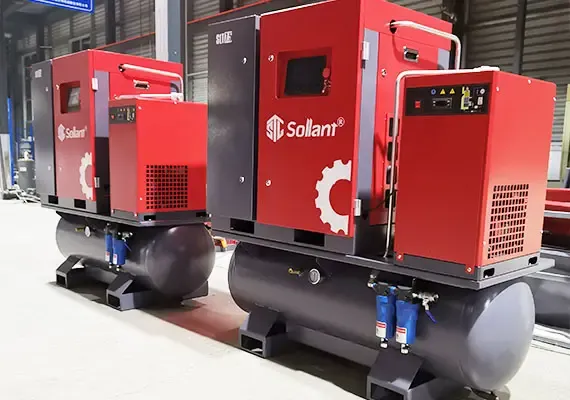
Every industry has unique needs. Sollant offers custom solutions to match your requirements. You can choose from models like the 22kw-rotary-screw-air-compressor or the 75kw-ac-air-compressor. Sollant engineers help you select the right cooling system and temperature controls for your environment. You also receive support services to keep your compressor in top condition. Sollant’s team works with you to solve challenges and ensure your equipment runs smoothly.
Note: Sollant’s focus on durability, advanced cooling, and real-time temperature monitoring helps you avoid overheating and downtime.
You can prevent overheating in your compressor by understanding the main causes and symptoms. Regular maintenance and proper operation help you avoid costly repairs and downtime. Sollant screw air compressors offer multiple safety protection mechanisms, excellent heat dissipation, and predictive maintenance features. The table below shows the long-term benefits you gain when you choose Sollant and maintain your equipment.
Benefit | Description |
|---|---|
Multiple Safety Protection Mechanisms | Overtemperature Protection monitors exhaust and oil temperatures, preventing overheating. |
Excellent Heat Dissipation and Lubrication | Stable internal temperatures and forced lubrication reduce wear and prevent damage. |
Predictive Maintenance | Remote monitoring and fault diagnosis provide early warnings, lowering unplanned downtime costs. |
You can rely on Sollant for reliable solutions and expert support to keep your compressor running efficiently for years.
FAQ
What causes exhaust gas overheating in screw air compressors?
You may see overheating from high return air temperature, electrical heating, high compression ratio, poor lubrication, or blocked filters. Regular maintenance and using the right parts help you avoid these problems.
How can you prevent overheating in your screw air compressor?
You should check oil levels, clean filters, and inspect the cooling system often. Use genuine Sollant parts for best results. Set a maintenance schedule and follow it closely.
What signs show your compressor is overheating?
You might notice rising discharge temperatures, frequent shutdowns, strange noises, or poor ventilation. Watch your temperature gauges and listen for alerts from your compressor’s control system.
Why should you use Sollant genuine parts?
Sollant genuine parts fit your compressor perfectly and last longer. You get better cooling, stable temperatures, and reliable performance. Using original parts helps you avoid overheating and costly repairs.
Request a Quick Quote Now
How to do my business well ?
- Market situation
- Technology configuration
- Strike Price
- exclusive agency
- Import and export assistance
- More…

