
How Single Phase Screw Compressors Work
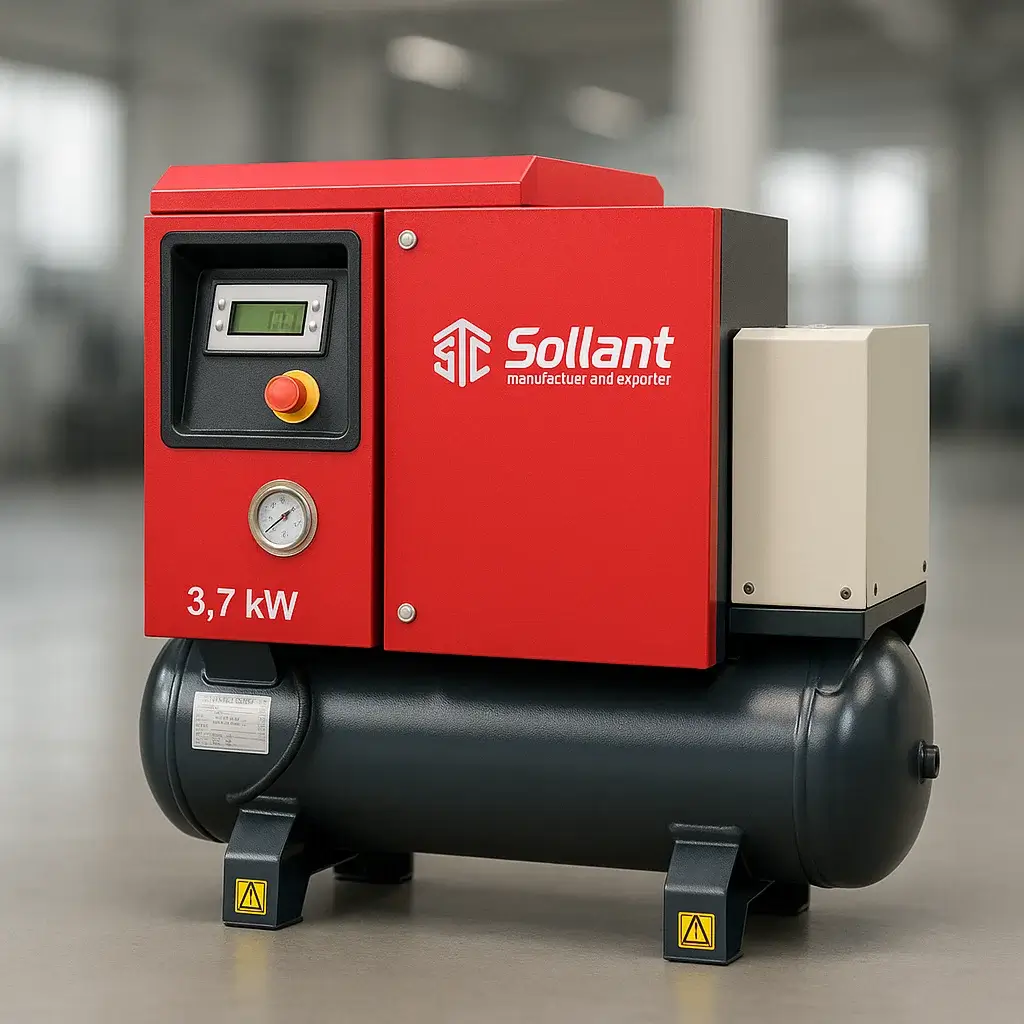
A single phase screw compressor uses two spinning rotors with helical shapes to trap and compress air. You get strong, steady air pressure using only a standard single-phase electrical outlet. This makes the compressor perfect for auto repair shops, woodworking, and light industry where three-phase power is not available. Many people also rely on these compressors in places like car painting, food packaging, and medical equipment.
Automobile sector: paint spraying, sandblasting, and running pneumatic tools
Food and beverage: canning, bottling, and packaging with clean air
Medical: anesthesia devices and breathing equipment
Table of Contents
Key Takeaways
Single phase screw compressors use two helical rotors to compress air, providing steady pressure for various applications like auto repair and woodworking.
These compressors operate on standard single-phase power, making them easy to set up in homes and small businesses without special wiring.
Regular maintenance, including cleaning air filters and changing oil, is crucial for extending the lifespan and efficiency of your compressor.
Single phase screw compressors are quieter and require less maintenance compared to reciprocating compressors, making them ideal for light-duty tasks.
Choosing the right compressor involves considering airflow, working pressure, and your specific application needs to ensure optimal performance.
Single Phase Screw Compressor Basics
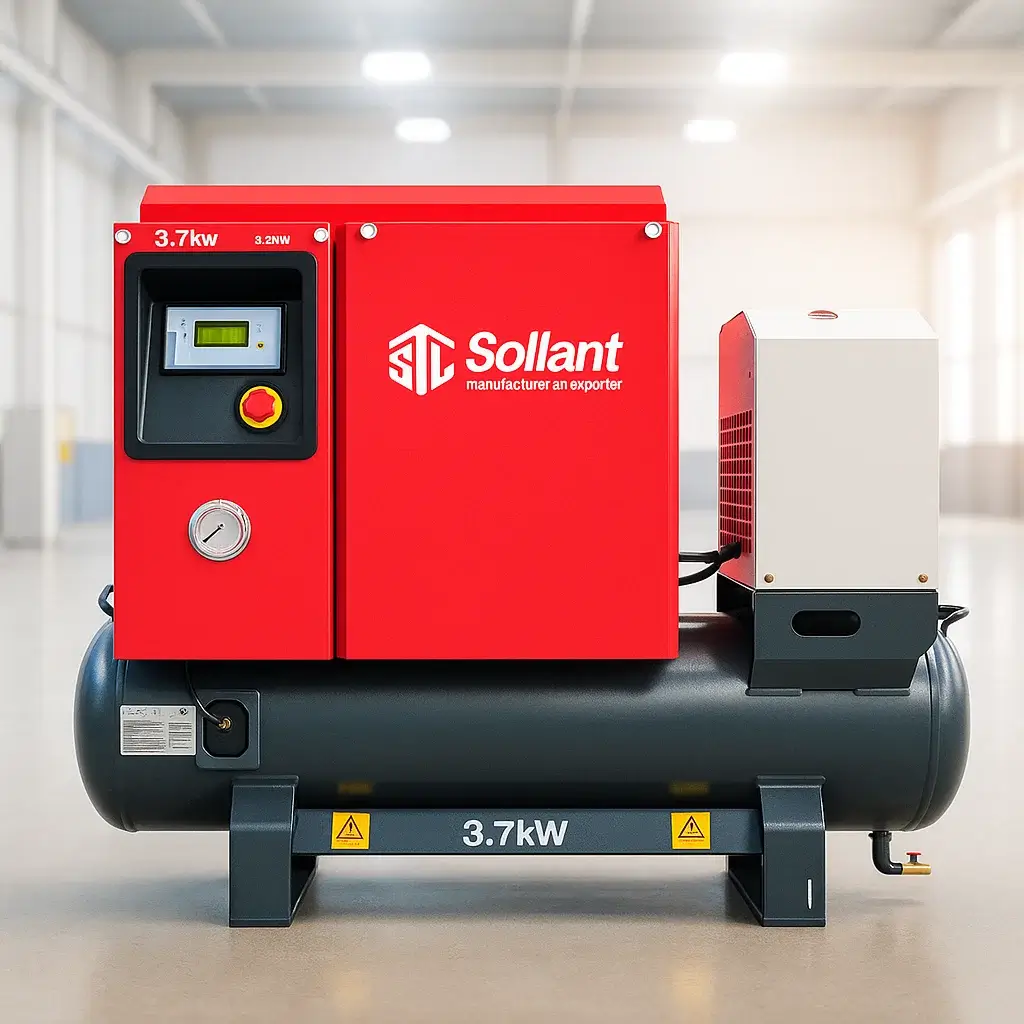
Screw Compression Principle
You will find the heart of a single phase screw compressor in its unique rotor design. Inside the compressor, two helical rotors—one male and one female—spin in opposite directions. These rotors fit together like puzzle pieces. As they turn, they trap air between their threads and the compressor casing.
The rotors interlock and rotate, pulling air into the spaces between them.
As the rotors keep spinning, the space holding the air gets smaller.
The shrinking space squeezes the air, making it more pressurized.
The compressed air then moves toward the outlet, ready for use.
This process works smoothly and quietly. You get a steady flow of compressed air, which is perfect for tools that need constant pressure. Unlike piston compressors, screw compressors do not have valves or many moving parts. This means you will see less wear and tear and enjoy longer service life.
Tip: If you need reliable air for painting, sanding, or running tools, the screw compression principle gives you consistent results every time.
Single Phase Power Supply
You can run a single phase screw compressor using the same type of electrical outlet found in most homes and small businesses. Single-phase power is common in residential and light commercial buildings. You do not need special wiring or three-phase power, which is often expensive and hard to install.
Single-phase power makes setup simple and affordable.
You can use the compressor in garages, workshops, and small factories.
The compressor cycles on and off quickly, which saves energy during short tasks.
For light or occasional use, a single phase screw compressor offers the right balance of power and efficiency. You get enough pressure for most jobs without high energy costs. If you plan to use air tools or machines for long periods, you may want to compare single-stage and two-stage models. Single-stage compressors use less power for short jobs, while two-stage models work better for heavy, continuous use.
Note: Always check your power supply before buying a compressor. Single-phase models are best for places without access to three-phase electricity.
Key Components
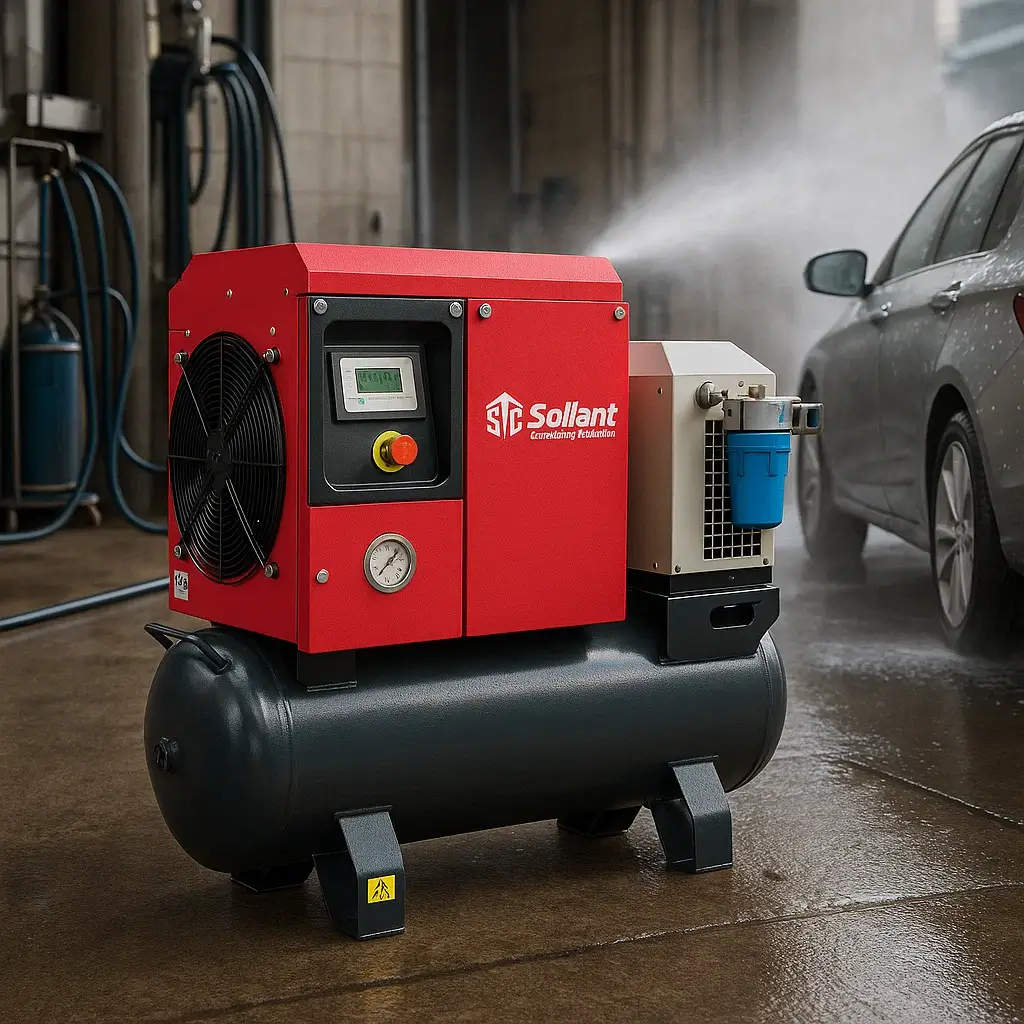
Air Intake
The air intake is where your compressor breathes. Clean air enters through an inlet suction air filter, which catches dust and particles. This filter protects the inside parts and helps your single phase screw compressor last longer. The suction valve controls how much air comes in and when. A well-designed air intake keeps airflow steady and energy use low. When the intake valve works in sync with the moving rotors, you get smooth and efficient air compression.
Tip: Always check and clean the air filter. A clogged filter can lower performance and cause damage.
Rotors and Star Wheels
Inside the compressor, you find two helical rotors. These rotors spin in opposite directions and trap air between them. As they turn, the space for the air gets smaller, which increases the pressure. Anti-friction roller bearings help the rotors move smoothly and reduce wear. Some compressors use star wheels to help balance the rotors and keep everything running evenly.
Here is a table showing some main components and their functions:
Component | Function |
|---|---|
Inlet suction air filter | Catches and reduces dust and damaging particles to protect the compressor. |
Rotary screw element | Drives air to the outlet and creates pressure. |
Anti-friction roller and bearings | Secures the rotary screws for balanced and even rotation. |
Gaskets and seals | Maintains pressure and prevents leaks at critical points. |
Motor
The motor powers the rotors. Most single phase screw compressors use motors rated at 10 HP (7.5KW) and run on 220-230V single phase power. These motors are cost-effective and easy to find. You get simple operation and reliable performance, but starting torque is lower than with three-phase motors.
Cost-effective
Simple to use
Widely available
Lubrication and Cooling
Lubrication keeps the moving parts working smoothly. You need to choose the right oil, check oil levels, and change oil on schedule. High-quality oil filters remove dirt and protect the compressor. Regular oil analysis helps you spot problems early.
Choose the correct oil type.
Monitor and maintain proper oil levels.
Change oil regularly.
Use high-quality oil filters.
Conduct regular oil analysis.
Cooling systems prevent overheating. Air and oil coolers, variable-speed fans, and heat exchangers all help remove heat. Good cooling keeps your compressor safe and efficient.
Operation Cycle
Intake
You start the operation cycle when air enters the compressor through the air intake. The suction air filter removes dust and particles, keeping the system clean. The regulator valve controls the amount of air that flows into the air end. This step sets the stage for efficient compression.
Air enters through the intake.
The regulator valve directs air into the air end.
The rotors begin to spin and trap the air.
Tip: Clean air intake helps your single phase screw compressor last longer and work better.
Compression
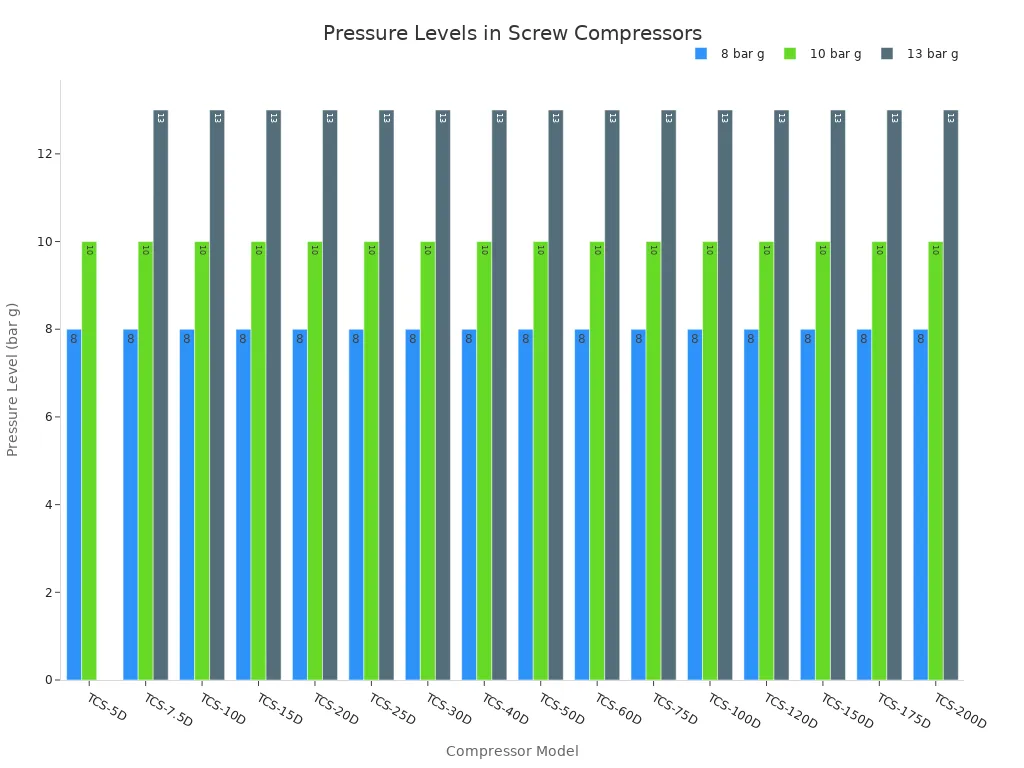
The rotors turn rapidly inside the compressor, creating a tight seal. The screws force air through the chambers, making a vacuum. As the air moves through the rotors, the space gets smaller and the pressure rises. Most models reach pressure levels between 8 and 13 bar g. You can see the typical pressure levels in the table below:
Model | Pressure Levels (bar g) |
|---|---|
TCS-5D | 8 / 10 |
TCS-7.5D | 8 / 10 / 13 |
TCS-10D | 8 / 10 / 13 |
TCS-15D | 8 / 10 / 13 |
TCS-20D | 8 / 10 / 13 |
TCS-25D | 8 / 10 / 13 |
TCS-30D | 8 / 10 / 13 |
TCS-40D | 8 / 10 / 13 |
TCS-50D | 8 / 10 / 13 |
TCS-60D | 8 / 10 / 13 |
TCS-75D | 8 / 10 / 13 |
TCS-100D | 8 / 10 / 13 |
TCS-120D | 8 / 10 / 13 |
TCS-150D | 8 / 10 / 13 |
TCS-175D | 8 / 10 / 13 |
TCS-200D | 8 / 10 / 13 |
Discharge
After compression, the air exits the air end unit. The aftercooler lowers the temperature of the compressed air. The air then passes through drying and filtering systems. You get clean, dry air ready for use in your tools or storage tanks.
Note: Dry and filtered air protects your equipment and improves results in painting, packaging, and medical uses.
Continuous Operation
You can run a single phase screw compressor for long periods without much downtime. High-quality components and smart design help prevent breakdowns. The table below shows key factors that support continuous operation:
Factor | Description |
|---|---|
Design and Component Quality | High-quality components ensure durability and smooth operation, preventing breakdowns during continuous use. |
Operating Environment | Conditions like temperature and humidity impact performance; specialized compressors can handle harsh environments. |
Maintenance Schedule | Regular maintenance tasks are crucial for preventing failures and ensuring longevity in continuous operation. |
Common failure modes include abnormal compression ratio, compressor overload, and oil circuit problems. You can prevent most issues by following a regular maintenance schedule and checking system values.
Abnormal compression ratio: Operate within design values.
Compressor overload: Check wiring and phase loss.
Low condenser efficiency: Maintain cooling methods.
Oil circuit problems: Keep oil clean and at the right temperature.
Abnormal pressure: Monitor refrigerant and system stability.
A well-maintained compressor can last from 10 to 20 years or more. You get reliable performance and less downtime when you care for your equipment.
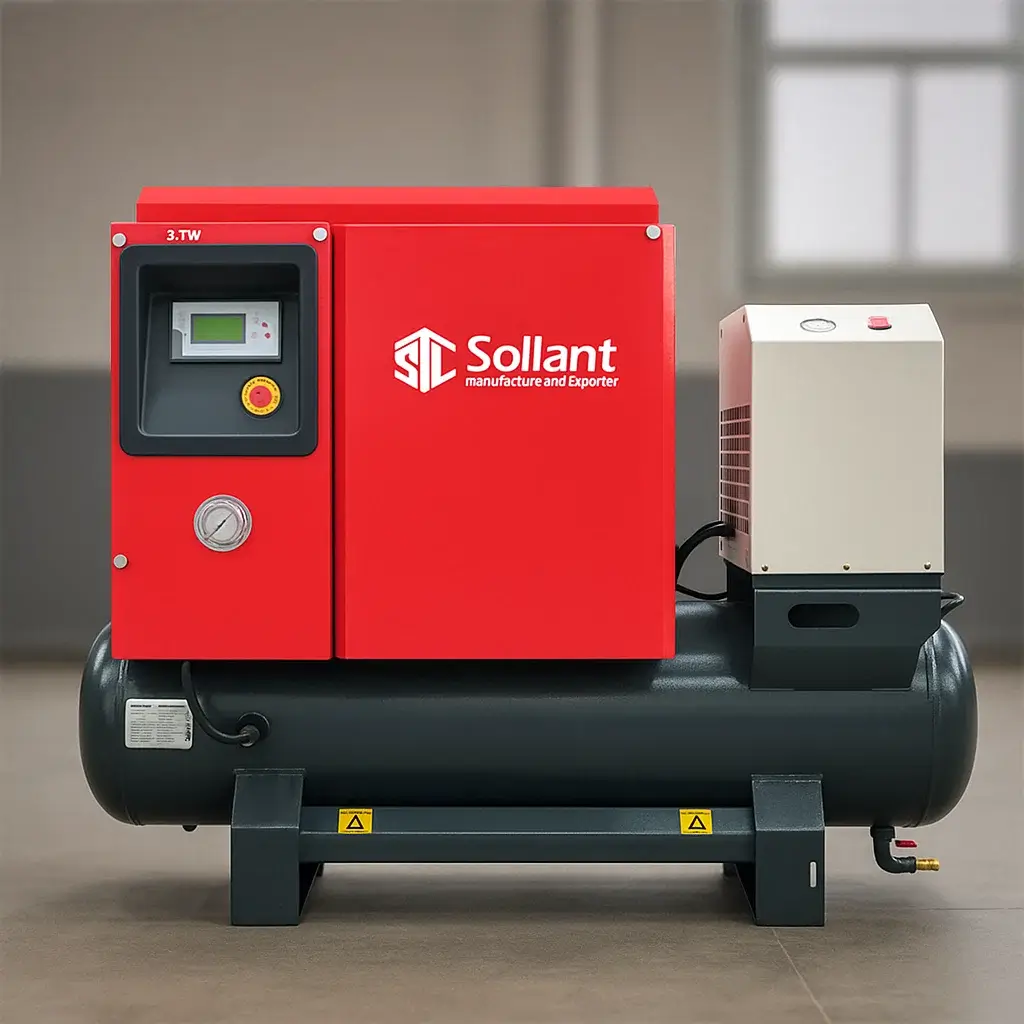
Comparison with Other Compressors
Reciprocating vs. Screw
When you compare reciprocating compressors to screw compressors, you notice big differences in how they work and what they need. Reciprocating compressors use pistons and valves. These parts move up and down, which creates more wear and tear. Screw compressors use two rotors that spin and trap air. This design has fewer moving parts, so you spend less time on repairs.
Reciprocating compressors need more maintenance because of their complex components.
Screw compressors need less maintenance since they have fewer moving parts and run at lower temperatures.
Reciprocating compressors have pistons and valves that wear out and need frequent servicing.
Screw compressors show reduced wear, so you do not have to service them as often.
You also see a difference in energy use. Here is a table that shows the average power consumption:
Compressor Type | Average Power Consumption | Specific Power (kW per 100 cfm) |
|---|---|---|
Screw Compressor | 8.8 kW | 88 |
Reciprocating Compressor | 2.3 kW | 23 |
Screw compressors use more energy, but they give you a steady flow of air. Reciprocating compressors use less energy, but they may not work as well for long, continuous jobs.
Single Phase vs. Three Phase
You might wonder about the difference between single-phase and three-phase screw compressors. Single-phase models work with standard outlets and cost less. Three-phase models need special wiring and cost more. Here is a quick look:
Type of Compressor | |
|---|---|
Single-Phase | Inexpensive |
Three-Phase | Pricey |
If you run a small shop or home garage, a single phase screw compressor saves you money and fits your needs.
Pros and Cons
Every compressor has strengths and weaknesses. Here is a table to help you see the main advantages of single phase screw compressors:
Advantage | Description |
|---|---|
Cost-Effective | Typically less expensive upfront, ideal for tighter budgets. |
Simplicity | Fewer components lead to easier maintenance and reduced downtime. |
Compact and Portable | Smaller and lighter, suitable for portable applications. |
Energy Efficient for Low Demand | Perfect for light-duty tasks, providing energy efficiency for moderate needs. |
You should also know about the disadvantages:
Disadvantage | Description |
|---|---|
High price | High price, high machining accuracy of machine parts. |
High noise | High noise when the compressor is running. |
Pressure limitation | Screw compressors can only be applied in the range of medium and low pressure, and cannot be used in high pressure situations. |
Accessory equipment | Due to the large amount of fuel injection and complex oil treatment system, the unit has a lot of accessory equipment. |
Tip: Choose a compressor that matches your job needs and budget. Think about how often you will use it and what kind of power supply you have.
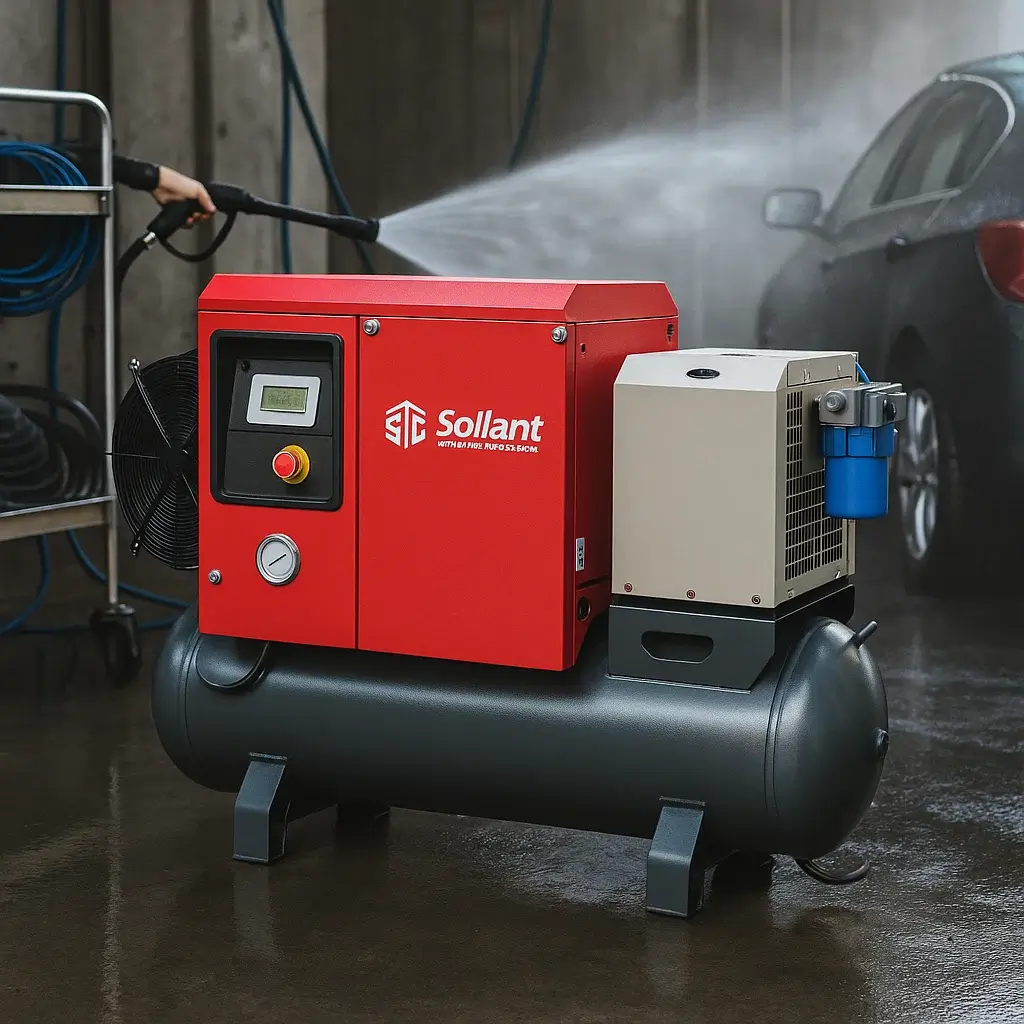
You get reliable performance and easy operation with a single phase screw compressor. Key benefits include cost-effectiveness, low noise, high efficiency, and compact size. When you choose a compressor, consider air flow rate, working pressure, and your application environment. Regular cleaning, timely lubrication, and routine inspections help your equipment last longer. For best results, install your compressor in a wide, well-lit area with low humidity and enough space for maintenance.
Requirement | Description |
|---|---|
Area | |
Humidity | Low humidity, clean air, no corrosion |
Space | 0.8-1.5m clearance from walls |
Temperature | 5°C to 40°C room temperature |
Dust | Use pre-filter equipment in dusty locations |
FAQ
What maintenance does a single phase screw compressor need?
You should check and clean the air filter often. Change the oil as recommended. Inspect belts and hoses for wear. Tighten loose bolts. Schedule regular service for best performance.
Tip: Keep a maintenance log to track all checks and changes.
Can you use a single phase screw compressor for painting cars?
Yes, you can use it for car painting. The compressor gives steady air pressure, which helps you get a smooth finish. Make sure you use a dryer and filter to remove moisture and oil from the air.
How long can a single phase screw compressor run without stopping?
You can run most single phase screw compressors for many hours. The design supports continuous use. Always follow the manufacturer’s guidelines to prevent overheating and extend the life of your machine.
What size compressor do you need for home use?
For home use, you often need a compressor with 5 to 10 HP. This size handles most tools and tasks. Check your tool requirements and match the compressor’s airflow (CFM) and pressure (PSI) to your needs.
Is a single phase screw compressor noisy?
Single phase screw compressors make less noise than many piston models. You still hear some sound during operation. Place the compressor in a well-ventilated area or use soundproofing if you want a quieter workspace.
Request a Quick Quote Now
How to do my business well ?
- Market situation
- Technology configuration
- Strike Price
- exclusive agency
- Import and export assistance
- More…

