
Best Practices for Improving Screw Air Compressor Output

Maximizing the output of your screw air compressor boosts productivity and cuts costs. You can achieve impressive results by focusing on regular maintenance and system optimization. Simple steps like changing filters, maintaining belt tension, inspecting moving parts, and checking for leaks help keep your equipment running efficiently:
Change filters regularly
Keep belt tension correct
Inspect moving parts often
Detect and fix leaks quickly
A recent case showed that optimized maintenance improved energy efficiency by 40%. Sollant, a trusted manufacturer, delivers solutions that help you get immediate results. Assess your current practices and start making changes today.
Table of Contents
Key Takeaways
Regular maintenance is crucial. Change filters, check belt tension, and inspect moving parts to keep your compressor running efficiently.
Optimize your compressor settings. Adjust pressure according to air demand to save energy and improve output.
Prevent air leaks. Regularly inspect your system to fix leaks, which can waste up to 30% of your compressor’s output.
Train your operators. Well-trained staff can recognize issues early and follow proper procedures, enhancing reliability and performance.
Consider upgrading your equipment. New models with advanced features can significantly boost efficiency and reduce energy costs.
Maintenance Tips
Regular maintenance keeps your screw air compressor running at peak performance. You avoid costly breakdowns and ensure a steady supply of compressed air for your operations. Sollant, a leader in air compressor technology, focuses on reliability and efficiency. Their advanced filter and lubrication solutions set a high standard for the industry.
Scheduled Servicing
You should follow a strict schedule for servicing your screw air compressor. Regular checks and timely part replacements extend the life of your equipment. Missing a service interval can lead to unexpected failures and reduced output. Here is a table showing common service intervals and actions:
Service Interval | Action | Frequency |
|---|---|---|
1000 hours | Grease motor bearings | Every 2 months |
3000 hours | Change filter kit | Every 12 months |
3000-6000 hours | Change oil | Every 12-24 months |
6000 hours | Replace solenoid valve | Every 36 months |
12000 hours | Replace coupling element | Every 48 months |
15000 hours | Replace fan and intake valve | Every 48 months |
20000 hours | Replace motor bearing | Every 60 months |
25000 hours | Exchange airend | Every 60 months |
25000 hours | Rebuild inverter | Every 60 months |
Tip: Always check your owner’s manual for the recommended maintenance schedule. If you cannot find clear instructions, contact the manufacturer for guidance.
You prevent unexpected failures and extend the lifespan of your screw air compressor by sticking to these intervals. Sollant’s service support helps you set up and maintain a consistent schedule, ensuring your equipment stays reliable.
Filter Care
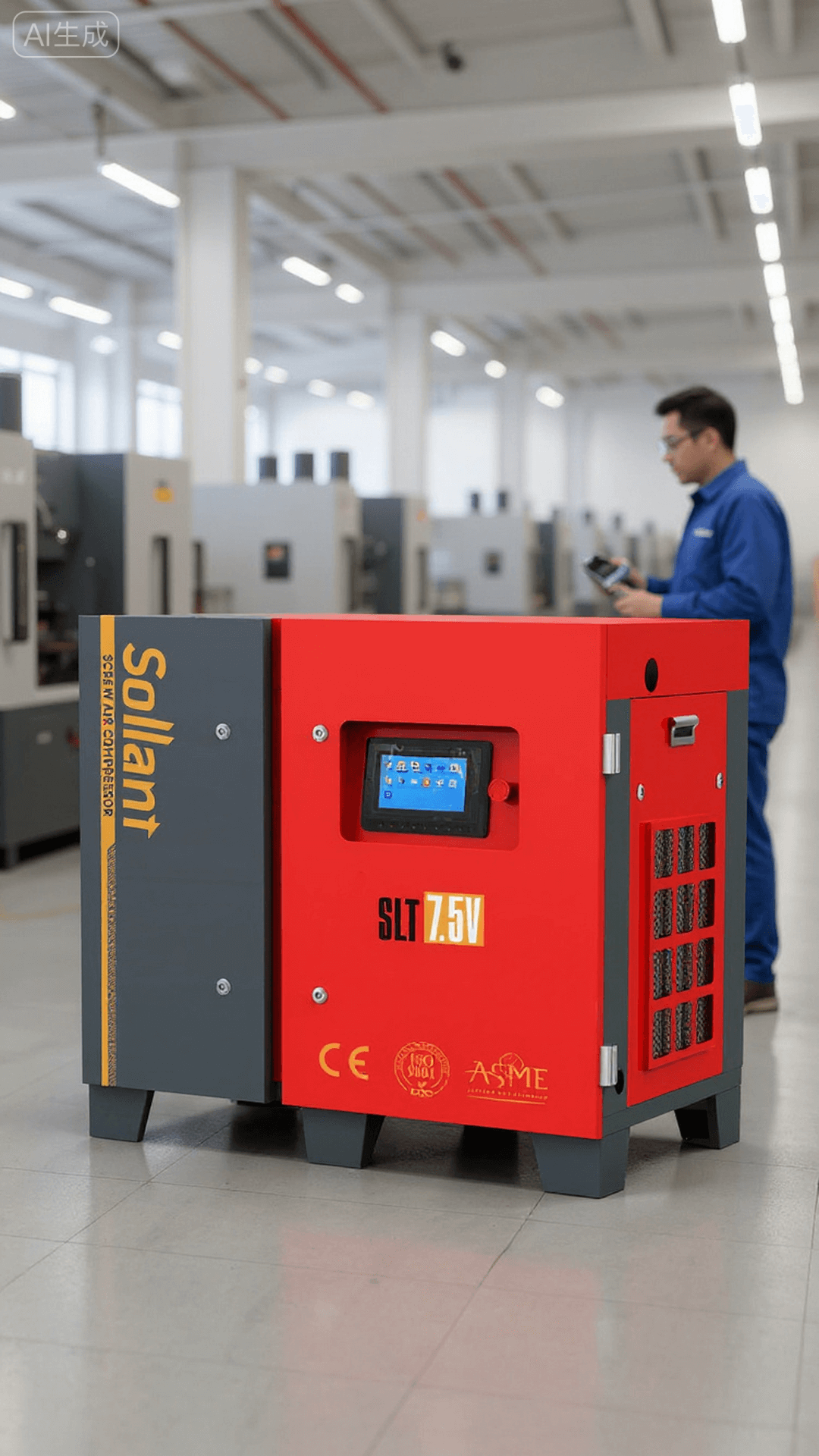
Clean filters are essential for maximum output. Dirty filters block airflow and force your screw air compressor to work harder, which increases energy use and lowers efficiency. You should create a regular maintenance schedule for your filters. Monitor pressure drops across inline filters to know when it is time for a change. Clean your compressor and filters often, especially if your environment is dusty.
Here are best practices for filter care:
Create a consistent maintenance schedule.
Monitor pressure drop across filters.
Clean your air compressor regularly.
Clean filters if they are reusable.
Keep your work area clean to reduce strain on filters.
Track filter replacements.
A clogged filter can cause a pressure drop. Even a 1-psi drop can reduce efficiency by 0.5% of brake horsepower. For a large unit, a 3-psi drop could cost you over $1,400 each year. Sollant’s advanced filter materials use nano-plating and high-density designs. These filters resist chemicals and high temperatures, keeping your system clean and efficient.
Impact on Output | |
|---|---|
Problems with condensation | Dirt deposits clog drains and tools, reducing efficiency. |
Air filter cleanliness | Dirty filters block clean air, lowering compressed air quality and output. |
Lubrication | Poor lubrication causes corrosion and wear, leading to failures. |
Oil filter maintenance | Oil contamination degrades air quality, affecting sensitive processes. |
Belt inspection | Worn or loose belts disrupt operation, causing inefficiencies. |
Greasing motor bearings | Unlubricated bearings rust and seize, reducing output. |
Sollant’s filter solutions help you avoid these problems and keep your screw air compressor running smoothly.
Lubrication Checks
Lubrication keeps moving parts working smoothly. Without proper lubrication, your screw air compressor can suffer from increased wear, overheating, and even failure. You should check oil levels often and use the right type of lubricant for your machine. Change oil at least once a year, even if your usage is low.
Improper lubrication can cause the oil separator to malfunction. This leads to excessive oil carryover, which damages downstream equipment and reduces efficiency. Sollant offers advanced lubrication solutions, including synthetic oils that provide better heat resistance and longer service life.
Type of Lubricant | Advantages | Performance Characteristics |
|---|---|---|
Mineral Oils | Cost-effective, widely available | Basic performance, shorter service life |
Synthetic Oils | Superior heat resistance, reduced friction | Better high-temperature stability, improved efficiency |
Semi-Synthetic Oils | Balance between cost and performance | Moderate performance, longer life than mineral oils |
Note: Synthetic oils offer the best protection for high-demand environments. They help your screw air compressor run cooler and last longer.
Sollant’s lubrication solutions use high-quality synthetic oils and advanced oil separators. These products reduce wear and keep your compressor operating efficiently, even in tough conditions.
Optimize Screw Air Compressor Settings
Optimizing your screw air compressor settings helps you get the most out of your equipment. You can boost output and save energy by adjusting pressure, preventing air leaks, and upgrading piping. Sollant offers customizable solutions that fit your specific needs, making it easier to achieve reliable performance.
Pressure Adjustment
You should set the pressure according to your actual air demand. If you set the pressure too high, you waste energy. If you set it too low, you may not meet production needs. Follow these steps to adjust pressure safely and effectively:
Step | Description |
|---|---|
1 | Preparation: Cut power and release pressure to create a safe environment. |
2 | Scientific Setting: Determine the rated working pressure based on your air consumption. |
3 | Fine-Tuning: Use knobs or digital controls to adjust start and stop pressures. |
4 | Testing: Run no-load and load tests to check stability and output. |
Sollant’s advanced controllers allow you to fine-tune pressure settings for different operational requirements. You can match your compressor’s output to your production needs with ease.
Air Leak Prevention
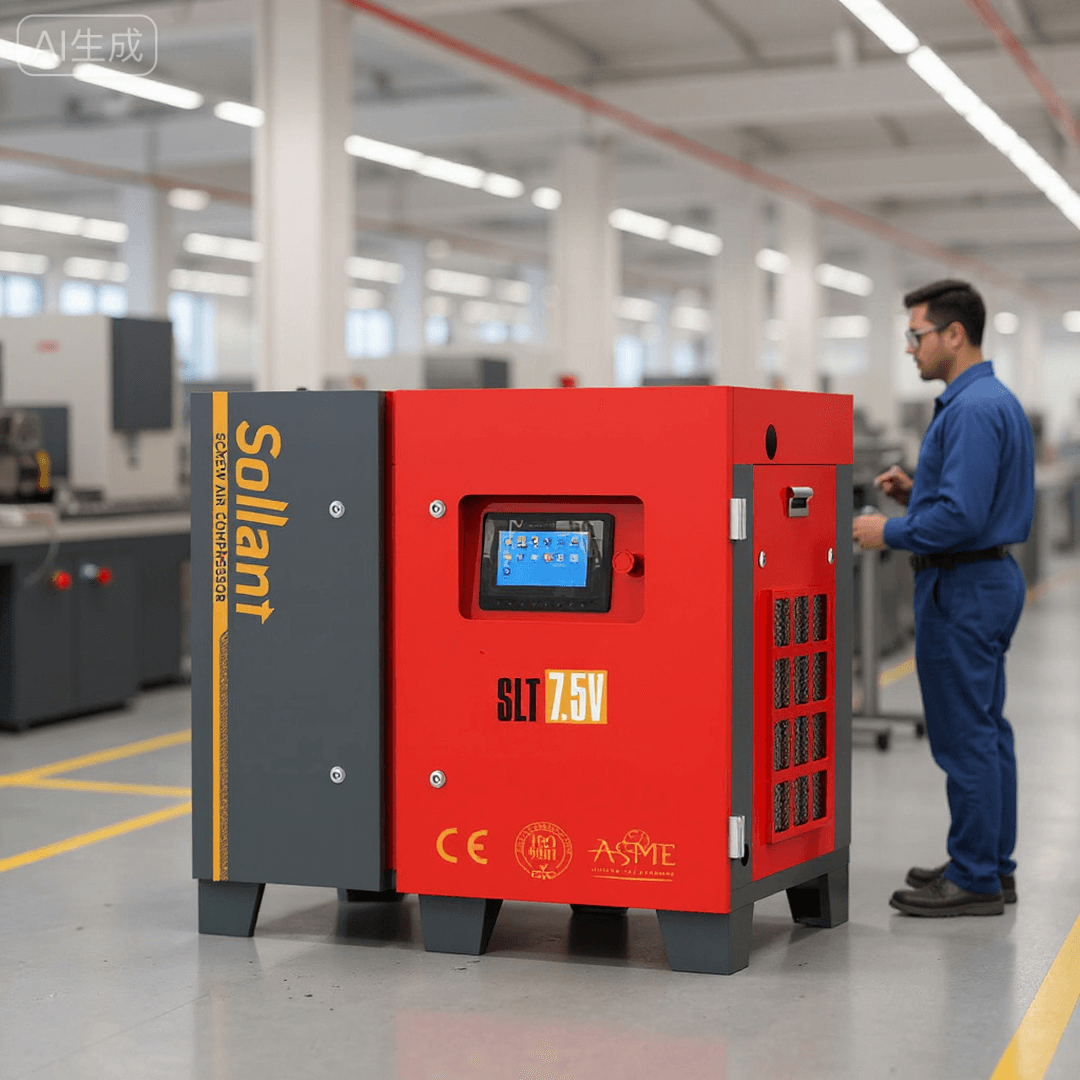
Air leaks can waste up to 30% of your screw air compressor’s output. Many facilities lose even more due to leaks and improper usage. You should inspect your system regularly and use modern leak detection tools. Technologies like acoustic imagers and AI-powered mobile tools help you find leaks quickly. These tools combine sound and thermal imaging to locate leaks and measure their severity. Fixing leaks improves efficiency and reduces costs.
Undetected leaks can waste 20-30% of output.
Leaks, artificial demand, and misuse can waste about half of all compressed air.
Sollant provides support for leak detection and system upgrades, helping you maintain a tight, efficient system.
Piping Upgrades
Your piping system affects how well your screw air compressor delivers air. You should design your piping to minimize pressure drops and ensure smooth airflow. Consider these factors:
Piping Consideration | Description |
|---|---|
Minimize Pressure Drop | Use fewer bends and restrictions to avoid pressure loss. |
Proper Pipe Sizing | Select pipes with the right diameter for efficient airflow. |
Looped System Layout | Install a looped layout for consistent pressure and reduced need for higher compressor pressure. |
Common piping issues include undersized pipes, inefficient layouts, and poor connections. These problems restrict airflow and cause pressure drops. Sollant’s experts can help you design and upgrade your piping for maximum efficiency.
Tip: Review your system layout and consult with Sollant for customized solutions that match your operational needs.
Operational Best Practices
Load/Unload Controls
You can optimize your screw air compressor by using load/unload controls. This system allows the motor to run continuously while unloading the compressor when the pressure reaches a set limit. The motor avoids frequent starts and stops, which helps prevent overheating. However, the compressor still uses energy even when unloaded. You should review your control settings to balance energy savings and output. Many facilities call this constant speed control. Sollant offers advanced control systems that help you fine-tune these settings for better efficiency and reliability.
Load/unload controls keep the motor running and reduce the risk of overheating.
The system may increase energy costs if not adjusted properly.
Regular review of control settings ensures optimal performance.
Performance Monitoring
Monitoring performance is key to maintaining high output. You should test your compressor under normal operating conditions. For stable loads, use a two-hour sampling period. For variable loads, cover the full load cycle. Sample pressure, temperature, flow, and power at least three times and at the same time. Use calibrated instruments to ensure accuracy. Flow meters or heat balance methods help measure volume flow. Sollant provides support and training to help you set up effective monitoring routines.
Tip: Track key indicators like pressure drops and temperature changes. Early detection of issues prevents energy loss and downtime.
Operator Training
Well-trained operators make a big difference in reliability and output. Improper operation can cause low gas production. Untimely maintenance and incorrect settings also reduce performance. You should train your team to recognize problems early and follow proper procedures. Training minimizes errors and improves efficiency. Familiarity with maintenance requirements keeps your screw air compressor running smoothly. Sollant offers training services to help your staff gain the skills they need.
Operational best practices to increase output:
Avoid idling compressors.
Improve air intake quality.
Update system design.
Monitor for pressure drops.
Detect and repair air leaks.
Sollant’s expertise and support services help you implement these practices for better results.
When to Upgrade Equipment
Upgrading your screw air compressor can transform your operations. You should watch for clear signs that your current equipment no longer meets your needs. Modern compressors, like those from Sollant, offer advanced features that boost efficiency and reliability.
Signs for Replacement
You may notice several warning signs that suggest it is time to replace your screw air compressor:
Efficiency drops and you see lower air pressure or inconsistent airflow.
Breakdowns happen more often, and repairs become frequent.
Energy bills rise because older compressors use more power.
Noise and vibration increase, which can signal deeper problems.
Finding replacement parts becomes difficult for outdated models.
Your business grows and the compressor cannot keep up with demand.
Air leaks appear, reducing system efficiency.
The compressor is over 10-15 years old.
If repair costs reach half the price of a new unit, replacement is usually the smarter choice.
Variable Speed Drives
Variable speed drives (VSDs) can make a big difference in how your screw air compressor performs. VSDs adjust motor speed to match your real-time air needs. This means you save energy when demand is low and get full power when demand rises.
VSDs help you cut energy use, especially if your air demand changes throughout the day.
You experience less wear and tear, which lowers maintenance costs and extends equipment life.
Facilities with high variability in air demand can reduce costs by up to 70% with VSDs.
Modern compressors with VSDs, like those from Sollant, offer digital monitoring and remote troubleshooting for better control.
Consideration | Benefit/Cost Description |
|---|---|
Energy Efficiency | New models use up to 35% less energy, saving money over time. |
Maintenance Costs | Advanced technology means fewer repairs and lower costs. |
Performance | VSDs adjust output, improving efficiency and reliability. |
Air Quality | Better filtration protects tools and equipment. |
Warranty Coverage | New units often come with warranties for peace of mind. |
Operational Efficiency | Digital controls and remote support make management easier. |
Sollant’s customers in manufacturing and automotive industries have seen up to 30% energy savings and improved productivity after upgrading. You can read more about these success stories and explore advanced solutions at Sollant’s official website.
You can boost the output of your screw air compressor by focusing on regular maintenance, optimizing system settings, and improving daily operations. The table below highlights the most impactful actions:
Action | Benefit |
|---|---|
Smart monitoring and predictive maintenance | |
Energy Efficiency | Lower costs and higher output |
Regular Maintenance | Reliable performance |
Partnering with Sollant gives you access to durable components, energy savings, and expert support. Regular assessments and training help you avoid common mistakes and achieve fast returns on investment. Explore ongoing education and trust Sollant for your next upgrade.
FAQ
How often should you service your screw air compressor?
You should follow the manufacturer’s schedule. Most compressors need basic checks every 1,000 hours. Replace filters and oil as recommended. Sollant provides clear service guidelines for each model.
What are the signs of air leaks in your system?
You may hear hissing sounds or see pressure drops. Your energy bills might rise. Use soapy water to check joints and valves. Sollant offers support for leak detection and repair.
Why does filter maintenance matter for output?
Dirty filters block airflow. Your compressor works harder and uses more energy. Clean or replace filters regularly. Sollant’s advanced filters help you keep your system efficient.
Can you upgrade your compressor for better efficiency?
Yes. You can add variable speed drives or upgrade to a newer Sollant model. Modern features help you save energy and improve output. Contact Sollant for advice on upgrades.
What makes Sollant compressors reliable?
Sollant uses high-quality parts and advanced technology. Each compressor goes through strict testing. You get strong performance, energy savings, and dependable support.
Request a Quick Quote Now
How to do my business well ?
- Market situation
- Technology configuration
- Strike Price
- exclusive agency
- Import and export assistance
- More…

