
What Are the Main Causes of Air Compressor Noise
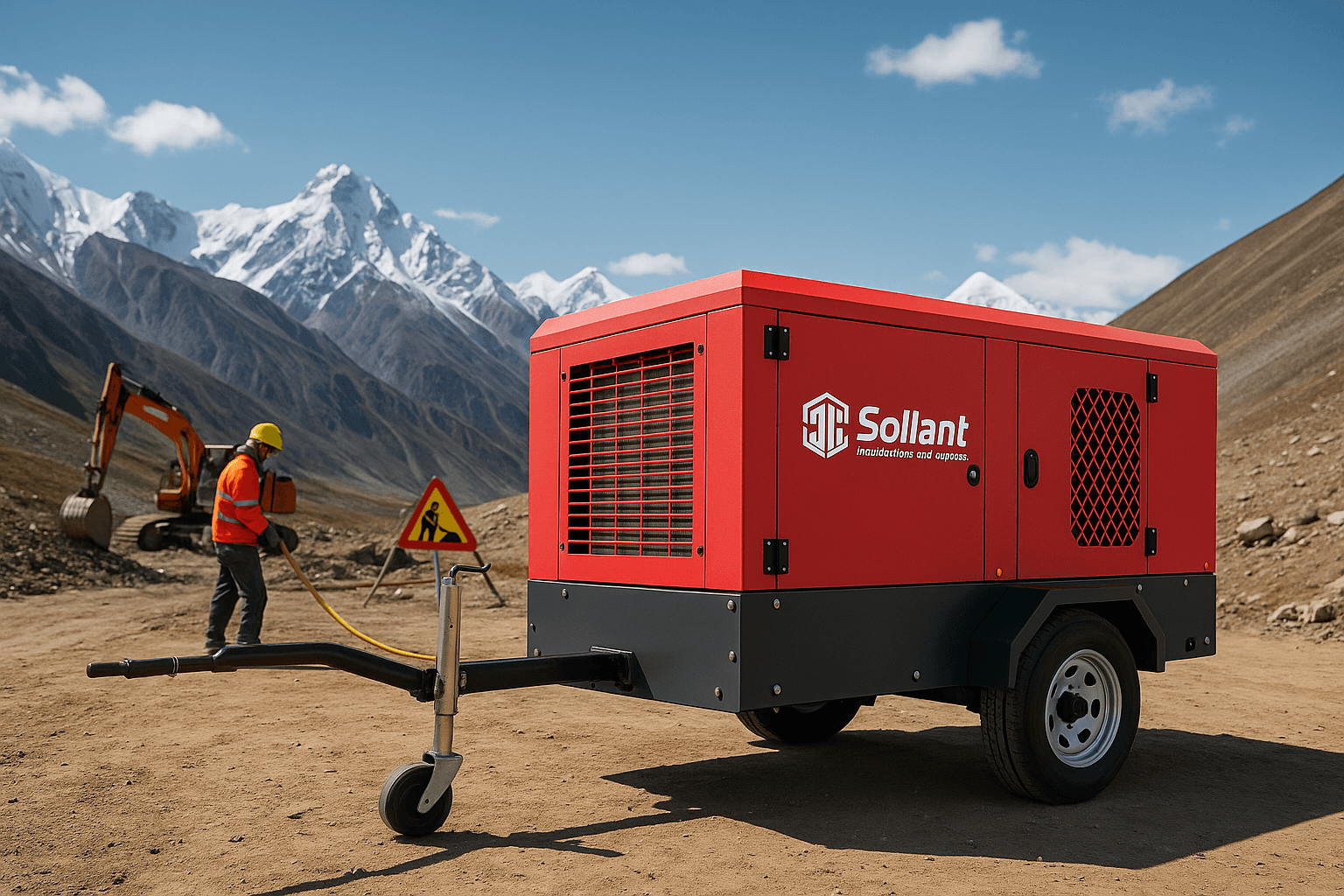
The main reasons air compressors make noise are airflow, mechanical, and electromagnetic sources. These noises happen because of friction, moving parts, motors, and cooling fans. Loud noises can cause stress, hearing loss, and less work done. The table below lists common noise causes:
Cause | Explanation |
|---|---|
Friction | Parts rub or bump together and make noise. Using the right oil can help lower this noise. |
Internal Motor | The motor makes noise when it runs. This adds a lot to the total compressor noise. |
Number of Moving Parts | More moving parts mean more friction and noise. It also means more shaking. |
Surrounding Environment | Where the compressor is placed can make noise louder. The area around it changes how loud it sounds. |
Power Source | Electric compressors are usually quieter than gas ones. Gas compressors make more noise. |
Cooling Fans | Fans cool the compressor but also make extra noise when working. |
You can keep yourself healthy and make your workspace better by finding and lowering these noises. Sollant has good air compressor options with new technology that saves energy and cuts down noise.
Table of Contents
Key Takeaways
Air compressor noise comes from airflow, machine parts, and electromagnetic sources. Knowing this helps you lower noise.
Regular maintenance is important. Check belts, bearings, and oil often. This keeps your compressor working well and quietly.
Where you put your compressor matters. Place it on soft ground. Use soundproof things to make your workspace quieter.
Buy new technology. Pick quieter models like Sollant rotary screw compressors. These can lower noise and make work better.
Find noise problems early. Listen for strange sounds. Use tools to spot issues before they get worse.
Air Compressor Airflow Noise
Intake Noise
When you turn on an air compressor, air gets pulled in fast. The air goes through the intake and hits the valve and duct walls. This makes the air swirl and change pressure. You hear this as a low rumble or hum. The sound is usually between 50 and 500 Hz. If the air moves faster, the noise gets louder. In busy factories, this noise can reach 100 dB(A).
Tip: Intake noise is a big reason why air compressors are loud in factories.
Sollant rotary screw air compressors have special inlet systems. These systems help make less noise and work better. The inlet design lowers swirling air and controls how air moves. This gives you quieter use and better results.
Airflow makes a lot of noise because the air moves fast.
How the compressor moves air can make it louder or quieter.
Good inlet systems often have parts that help lower noise.
Exhaust Noise
Air leaves the compressor through the exhaust port. When this happens, the air pressure drops very fast. This quick change makes sharp, high sounds. Exhaust noise is usually between 500 Hz and 5000 Hz. You might hear a whistling or piercing sound, especially at high pressure. Sometimes, exhaust noise can be over 100 dB(A).
Sollant rotary screw air compressors use sound-blocking technology. The helical rotors inside move smoothly and do not shake. This keeps exhaust noise lower than other compressors. Most rotary screw air compressors are between 65 and 75 dBA. Piston-type compressors can be 80 to 85 dBA.
Special inlet and exhaust designs help air move well and save energy.
Smooth, steady running helps keep noise low.
You can pick a rotary screw air compressor from Sollant for quieter and better work.
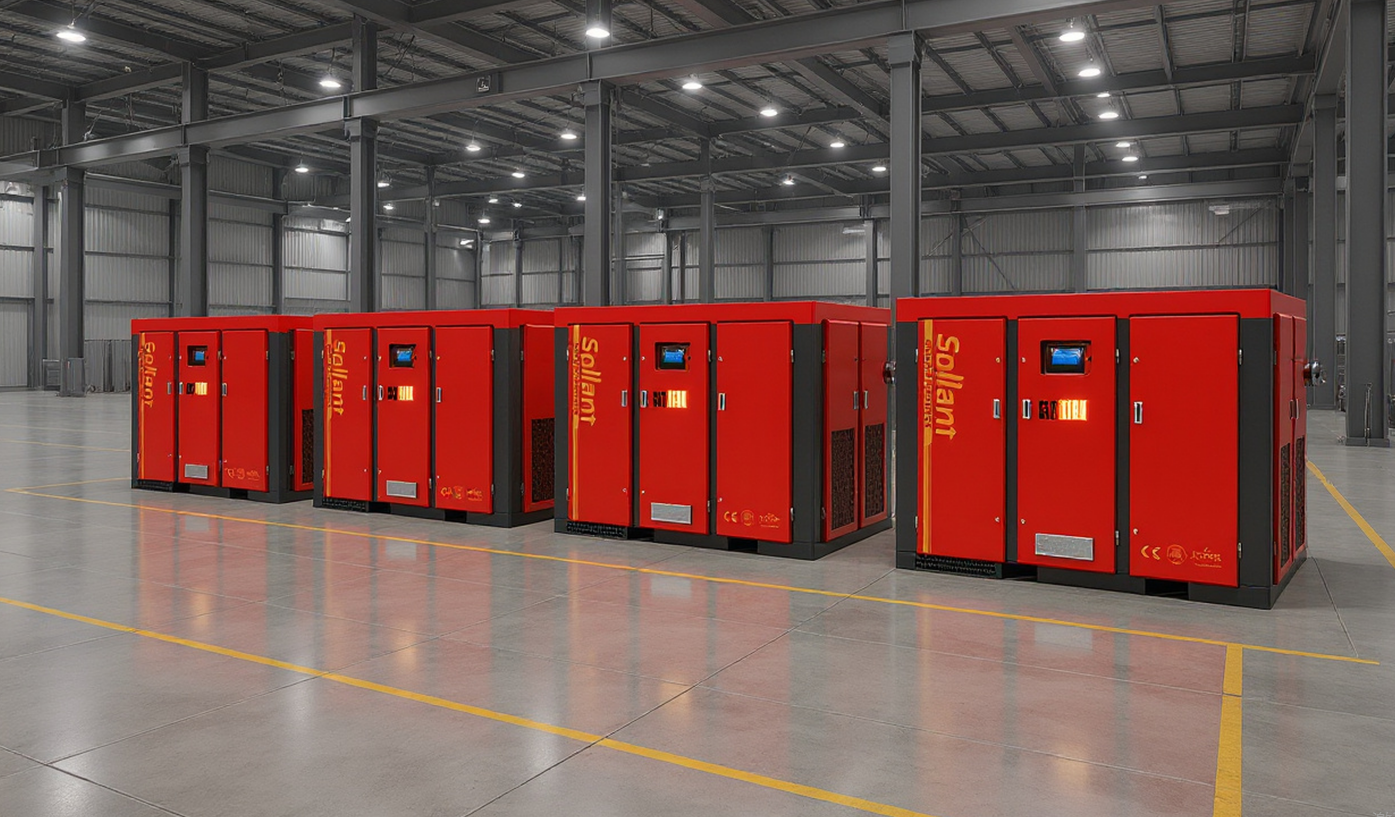
Mechanical Noise Sources
Mechanical noise comes from parts that move inside the air compressor. These parts rub together and shake. This makes sounds like knocking or humming. Sometimes, you might hear screeching noises too. If parts get old or do not have enough oil, the noise gets worse.
Friction and Vibration
Friction and vibration happen when parts touch or move the wrong way. You may hear loud sounds if belts are loose. Screws that do not fit right can also make noise. Dry friction makes a howling sound. The table below lists what causes these noises:
Cause of Noise and Vibration | Description |
|---|---|
Loose or Worn Parts | Loose belts, not enough oil, and old bearings make more noise and shaking. |
Improper Lubrication | Not enough oil causes dry friction and loud howling. |
Misalignment | Screws or pistons that do not fit right make strange noises. |
Bearing Issues |
Check these parts often to keep your compressor quiet. Fixing problems early helps stop loud noises.
Bearing Noise
Bearings help parts spin smoothly in the compressor. If bearings get old or do not have oil, you may hear squealing or grinding. Sometimes, you hear rumbling sounds too. These noises mean the bearings need help. If you ignore them, the compressor shakes more and gets louder. Listen for whining or grinding. These sounds show the bearings might break soon.
Tip: Check the oil and bearings often. This helps stop loud noises and keeps your compressor working well.
Casing Vibration
The compressor’s casing can shake and make more noise. Strong shaking travels through the casing and makes the machine louder. You can use rubber feet or special pads to lower shaking. Rubber feet can wear out, so replace them when needed. Good pads keep the compressor steady and quiet.
Sollant uses strong parts and careful building to lower mechanical noise. Smart materials and good monitoring help stop wear. Careful setup also helps keep noise low.
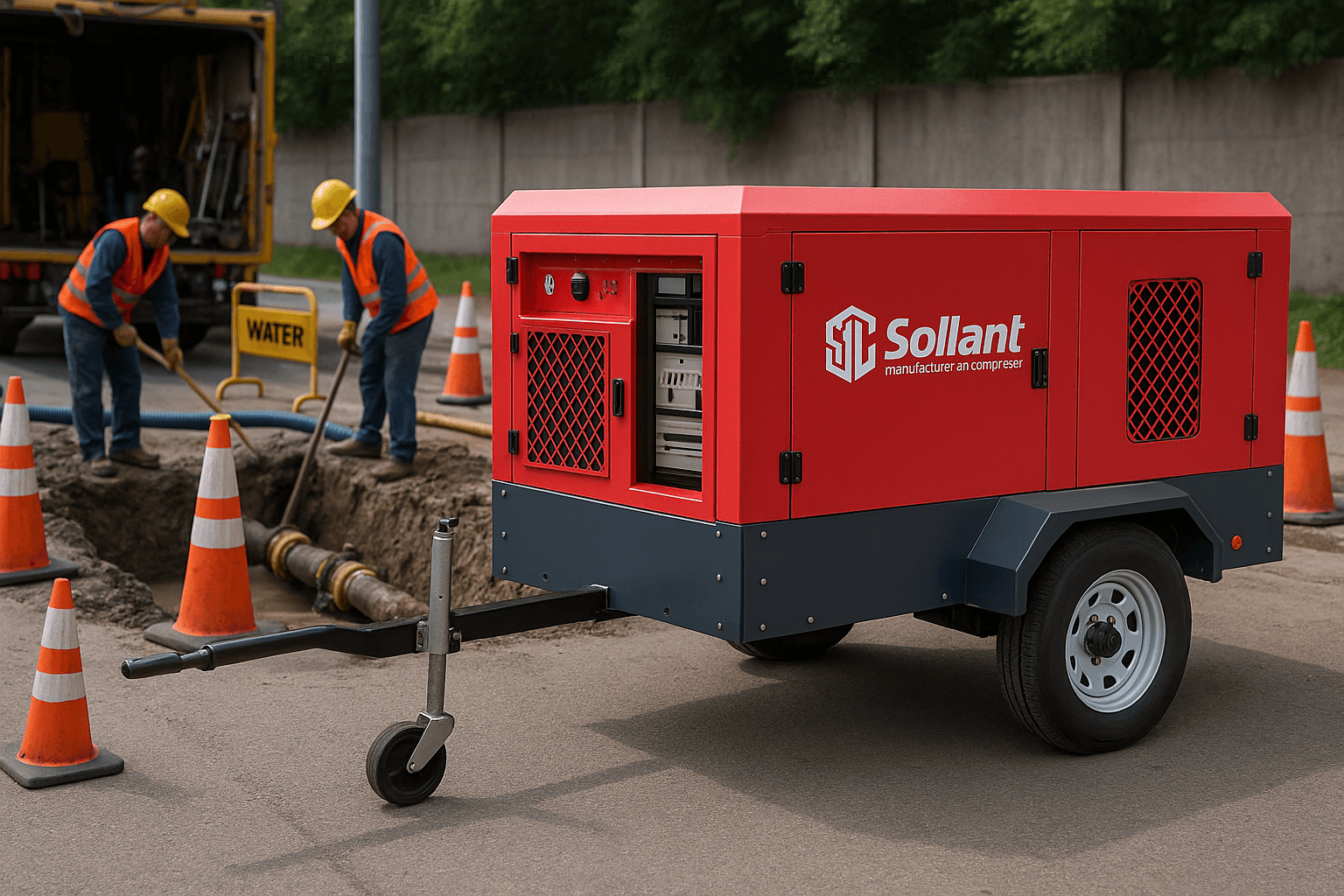
Electromagnetic and Motor Noise
Motor Magnetic Field
You might hear a high squeaky sound when the air compressor is on. This sound comes from the motor’s magnetic field. The motor uses electricity to make a magnetic force. This force spins the inside parts. Sometimes, the magnetic force pulls and pushes metal parts. This makes them shake and create noise. There are different kinds of electromagnetic noise you can hear:
Magnetic noise happens when magnetized parts pull and push each other. This makes shaking and a humming sound.
Slip noise sounds like a low beat. It happens when the motor works hard and the rotor is not perfect.
Unequal air gap noise happens if the space between moving parts is not even. This causes uneven pulling and more noise.
Sollant uses new motor technology for quieter machines. Permanent Magnet motors and Variable Reluctance motors work with Variable Speed Drives. These motors help lower electromagnetic noise and save energy. You get a smoother and quieter machine.
Tip: If you hear odd humming or beating, check the motor and its parts for damage or wear.
Cooling Fan Noise
The cooling fan stops your air compressor from getting too hot. When the fan spins, it moves air through the motor and other parts. Fast air and spinning blades make extra noise. The fan’s shape and speed change how loud it is. If the fan spins fast, you might hear a whirring or rushing sound.
Sollant makes fans that run quietly and work well. Smart blade shapes and strong materials help lower noise. You get a cooler and quieter place to work.
Clean and take care of the fan to keep noise down.
If the fan is dirty or broken, it can get louder.
Note: Always check the fan for dust and damage. Clean it often to keep your air compressor quiet.
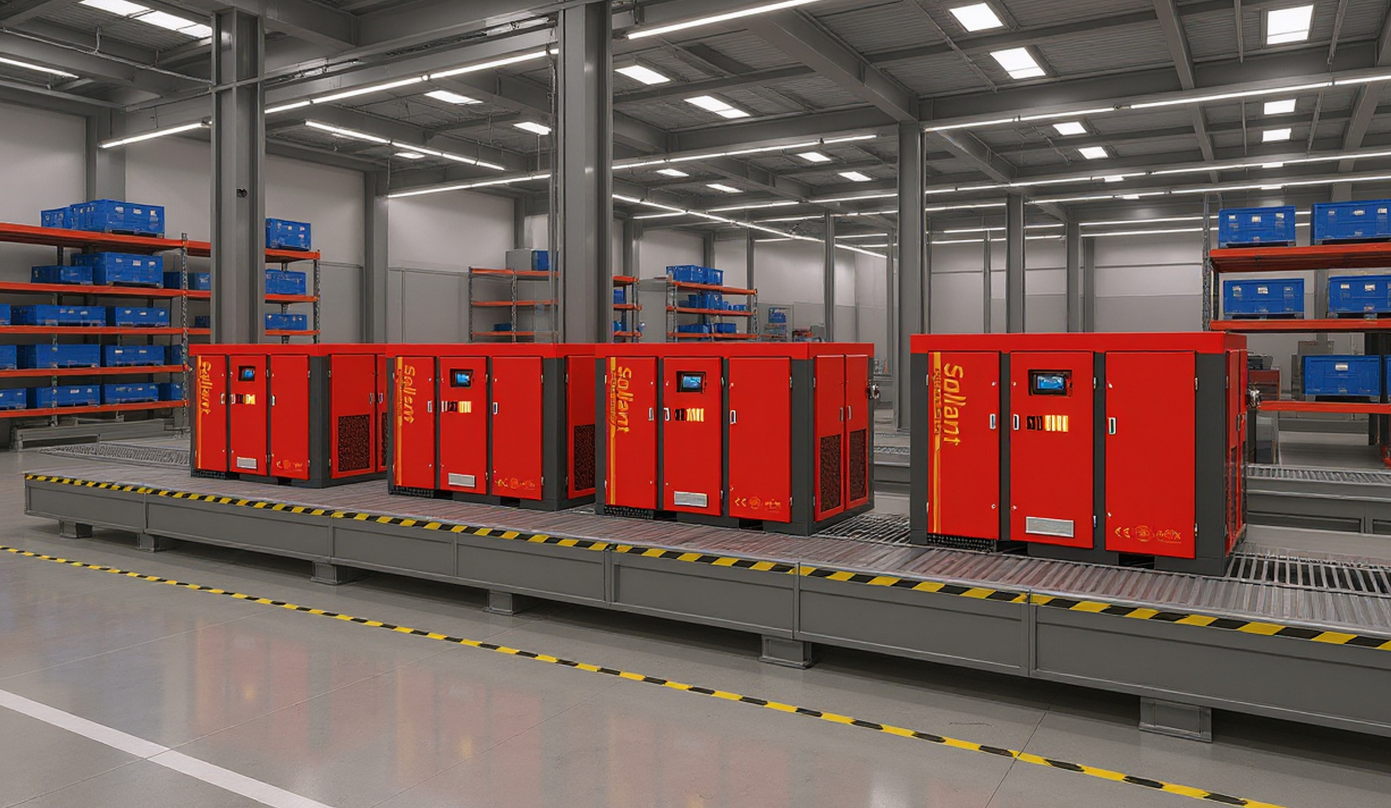
Environmental Factors
Placement and Surfaces
Where you put your air compressor changes how loud it is. Hard floors like concrete or metal bounce sound and make it louder. Soft floors soak up sound and help keep things quiet. If you put the compressor in a room with hard walls, the noise will echo and seem even louder. You can use special materials to help lower the noise.
Here is a table that shows how different surfaces and covers help reduce noise:
Environmental Factor | Noise Reduction Impact |
|---|---|
Enclosure | |
Mineral Wool Lining | 10 dB to 25 dB less noise |
Close-fitting Enclosures | Stops noise from spreading |
Absorber Material | Good for lowering high frequency noise |
Sheet Metal Enclosure | 15 dB less noise without extra lining |
You can use mineral wool, foam boards, or acoustic panels on the walls. These materials soak up sound and make the room quieter. If you build a tight cover around the compressor, you stop noise from spreading.
Tip: Put your compressor away from busy work areas. Use sound-blocking materials on the walls or build a special cover.
Mounting and Surroundings
How you set up your air compressor changes how much noise moves to other rooms. If you put the compressor right on the floor, shaking goes into the ground and walls. This makes the whole area noisy. You can use anti-vibration mounts or pads to stop this. These mounts soak up shaking before it gets to the floor.
Vibration insulation is important. Materials like rubber, cork, or plastic help block shaking. Steel springs also work well. If you use these under your compressor, you keep the noise from spreading.
Here are some ways to lower noise by using good placement and insulation:
Put the compressor in a separate, well-insulated room.
Cover the compressor with acoustic blankets or heavy vinyl sheets.
Add foam board insulation or acoustic panels to the walls.
Make sure the room has good airflow so the compressor does not get too hot.
Put the compressor outside with weather protection if you can.
Note: Always check the mounts and pads under your compressor. Replace them if they wear out. Good mounting keeps your workspace quieter.
Identifying and Reducing Air Compressor Noise
Pinpointing the Source
You can find where noise comes from in your air compressor. First, look at the machine closely. Check if bolts or screws are loose. Make sure the belts are straight. Listen for new or different sounds. A new sound can mean a part is getting old. You can use special tools to help you. Vibration meters or sensors show where the machine shakes most. These tools help you find problems early. If you find problems early, you can fix them before they get worse.
Here are ways to find noise sources:
Look at foundation bolts and mounting points to see if they are loose.
Check if belts are lined up or worn out.
Listen for changes in noise or new sounds.
Use vibration meters or sensors to find shaking.
Tip: Check your air compressor often. This helps you find problems before they get big.
Solutions and Preventive Measures
You can make your air compressor quieter by taking care of it. Regular care keeps your machine working well. Tighten bolts and screws so they do not rattle. Check bearings and belts often. Change old parts right away. Put oil on moving parts when needed. Make sure belt tension is right.
Here are ways to lower noise with maintenance:
Tighten bolts or screws that are loose.
Check bearings and belts for damage.
Look at parts often and change them if needed.
Oil moving parts on time.
You can also change your workspace to lower noise. Use sound covers to soak up noise. Put anti-vibration mounts under the compressor. Add panels or sealants to the room. Use barriers or walls to block sound.
Sollant rotary screw air compressors are made to be quiet. Picking a good model helps you have a safer and quieter place to work.
Note: Taking care of your compressor and putting it in the right spot helps keep it quiet and working well.
Your air compressor can make noise in many ways. Friction, motors, and airflow are some causes. Loud noise can hurt your ears and make you feel stressed. It can also make it hard to talk at work. If you check where the noise comes from, you can fix it. Using smart fixes helps everyone work better and safer. Sollant has compressors that save energy and are quiet. These can make your workplace nicer for all. Start lowering noise now to keep your team healthy.
FAQ
What is the loudest part of an air compressor?
You usually hear the most noise from the intake and exhaust. Fast-moving air and pressure changes make these areas loud. Mechanical parts also add to the noise.
How can you make your air compressor quieter?
You can use soundproof covers, anti-vibration pads, and place the compressor on soft surfaces. Regular maintenance helps keep noise low.
Tip: Clean and check your compressor often. This helps stop loud sounds before they start.
Does regular maintenance reduce noise?
Yes, regular maintenance keeps parts working smoothly. You should check belts, bearings, and oil levels. Fixing worn parts helps lower noise.
Maintenance Task | Noise Reduction Benefit |
|---|---|
Oil Change | Less friction |
Belt Check | Fewer squeaks |
Bearing Care | Less vibration |
Why does your compressor get louder over time?
Parts wear out and lose oil. Bearings and belts may loosen. Dust and dirt build up. These changes make your compressor noisier.
Are rotary screw air compressors quieter than piston types?
Rotary screw air compressors run more smoothly. You hear less vibration and fewer loud knocks. Sollant rotary screw models use advanced designs for quieter operation.
Request a Quick Quote Now
How to do my business well ?
- Market situation
- Technology configuration
- Strike Price
- exclusive agency
- Import and export assistance
- More…

