
Common Causes and Solutions for Oil Carryover in Screw Air Compressors
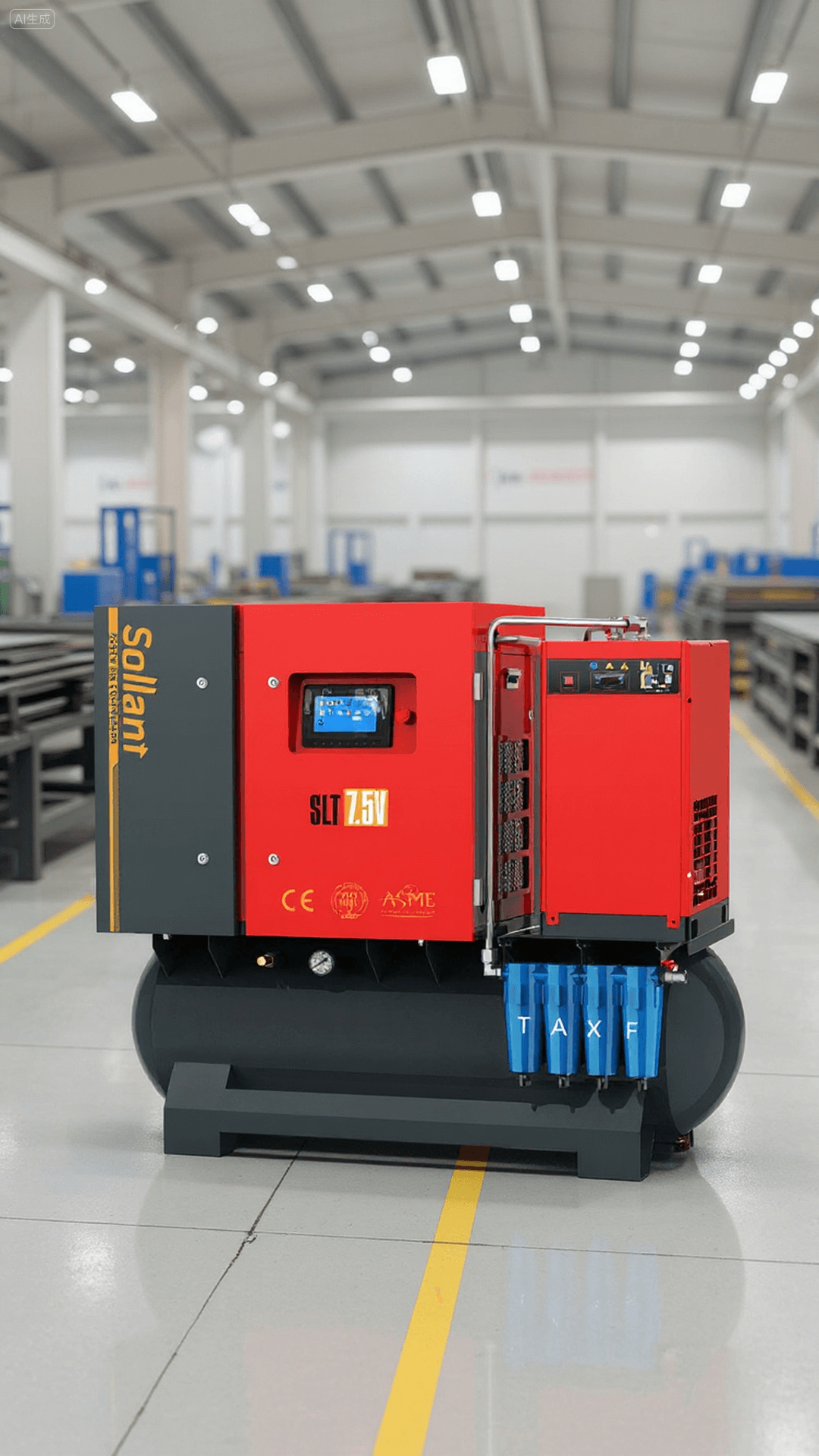
You might see oil carryover in screw air compressors. You could also find oil leaks during regular checks. These problems happen a lot. New screw compressors usually have an oil carryover rate of 2 to 4 ppm. This number can go up to 8 to 10 ppm as the machines get older. In Europe, oil-lubricated screw compressors put millions of kilograms of oil into the air every year. Oil carryover and leaks can cost a lot of money. The table below shows how these problems can hurt your business:
Impact | Result |
|---|---|
Higher bills | |
More maintenance needed | Extra labor and repairs |
Possible downtime | Lost productivity |
Common causes are broken separators, valve problems, and too much oil. Each problem has a simple fix. Doing regular maintenance can stop most of these problems. Sollant gives good products and help so your compressors work well.
Table of Contents
Key Takeaways
It is important to do regular maintenance. Check your screw air compressor often. This helps you find problems early. It can stop expensive repairs.
Make sure oil levels are right. Fill oil to two-thirds of the sight glass. Too much oil can cause carryover.
Look at parts and change old ones. Replace seals, gaskets, and filters when needed. This helps your compressor work well.
Check pressure and oil levels every week. Watch for drops in pressure or oil. This helps you find leaks or blockages fast.
Use high-efficiency filters. These filters lower oil carryover. They help keep your workspace clean.
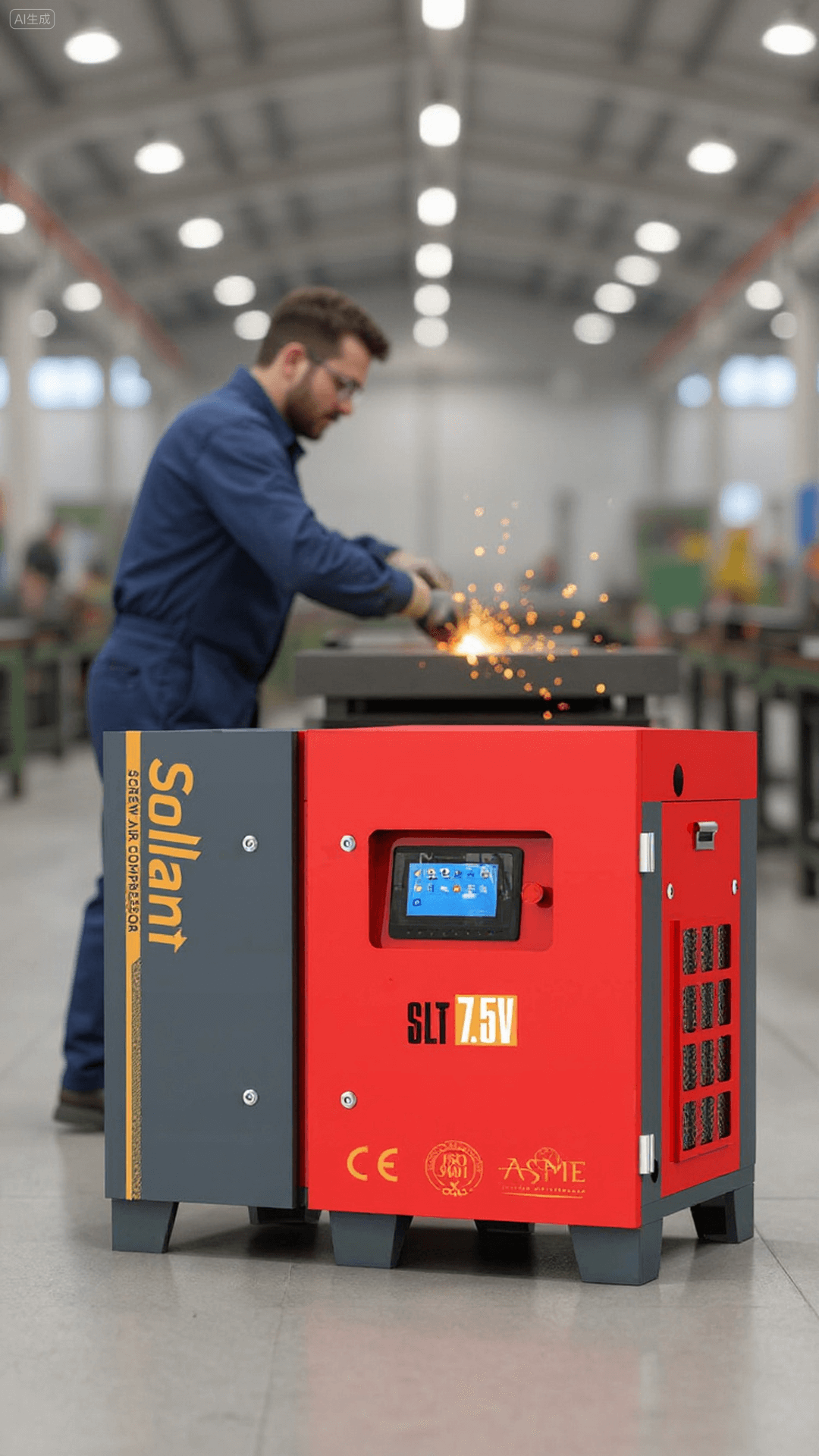
Oil Carryover in Screw Air Compressors
Oil carryover in screw air compressors can hurt your machines and business. You should know why this happens. If you learn the causes, you can stop expensive repairs and lost time. Here are the main problems.
Minimum Pressure Valve Issues
The minimum pressure valve keeps the right pressure in your compressor. If it breaks, you might see these things:
Air can leak from the cylinder safety valve when running.
The motor might stop because it gets too hot.
The compressor may not start if the check valve is stuck.
Oil pressure can go up when unloading because of backflow.
Check the minimum pressure valve often. If you notice these problems, fix the valve fast. Sollant compressors use strong valves that are very safe.
Separator Element Damage
The separator element takes oil mist out of the air. If it breaks, you will see:
You need to add oil more, even if there are no leaks.
Oil leaks show up near the separator unit.
Pressure drops fast, which means the filter is blocked.
Oil gets into the air, so separation is not good.
The compressor makes odd sounds or shakes more.
Check the separator element every 4,000 hours or once a year. In dusty places, check it more often. Sollant separator elements use special filters to catch oil mist and keep air clean.
Excessive Air Consumption
If you use too much air, the compressor works harder. This can make the oil separator fail. You might notice:
High air use puts a heavy load on the compressor.
The oil separator cannot keep up, so more oil gets out.
If the separator fails, you use more oil and parts can break.
Running at high load with low pressure makes more oil mist.
Blocked oil return lines make things worse.
Match your air use to the compressor’s size. Sollant compressors have smart controls to help you use less air and lower oil carryover in screw air compressors.
High Oil Level
Adding too much oil can cause trouble. You might see:
Extra oil gets into the air and dirties tools.
Oil builds up in air filters, blocking air and dropping pressure.
Too much oil can break compressor parts and cause early failure.
Always fill oil to the right level. Sollant compressors have clear oil level windows to help you.
Blocked Oil Return Line
The oil return line sends oil back to the sump. If it gets blocked, oil goes into the air path. You can find blockages by:
Watching pressure, temperature, and flow for strange changes.
Using SCADA systems to check pipeline numbers.
Looking for hardware problems, but software checks are easier and cheaper.
A blocked oil return line makes oil carryover in screw air compressors worse. Sollant makes oil return lines easy to check and clean.
Faulty Check Valve
A check valve stops air from going backward. If it breaks, you may hear hissing after the pump stops. The motor may start and stop too much, which can make it too hot and break early. Change bad check valves quickly. Sollant uses strong check valves to stop these problems.
Improper Oil Return Pipe Installation
If you put the oil return pipe in wrong, oil can build up. This hurts cooling and lubrication. Common mistakes are:
Issue | Description |
|---|---|
Blockages | The restrictor hole can get blocked. Clean the pipe if needed. |
Improper adjustments | Make the pipe the right length for it to work well. |
Bad installation can make oil carryover in screw air compressors worse. Sollant gives clear guides and help so you do it right.
Separator Design Flaws
Bad separator design can cause high oil carryover. Some common problems are:
Design Flaw Description | Result |
|---|---|
Splash plate not fitted or missing | High oil carryover, separator fails early |
Wrong separator used | High oil carryover, big pressure drop |
Small separator tank | High oil carryover |
Scavenge line issues (short, long, dirty) | High oil carryover |
Scavenge line damaged or bent | High oil carryover |
Incorrect connections | High oil carryover |
Sollant follows strict rules to avoid these problems. You get good separators that keep oil carryover in screw air compressors low.
Tip: Check your compressor often and install parts the right way to stop most oil carryover problems. Sollant gives help and good parts to keep your compressor working well.
Oil Leakage Causes
Oil leakage in screw air compressors can lead to wasted oil, messy workspaces, and expensive repairs. You can spot oil leaks by looking for oil stains, drips, or sprays around your compressor. Most leaks happen because of mechanical problems or mistakes during installation. If you know the main causes, you can fix them quickly and keep your compressor running smoothly.
Gasket Problems
Gaskets seal the joints between parts. If a gasket wears out or breaks, oil can seep out. You might see oil dripping or spraying near the gasket. Old gaskets lose their shape and stop working well. You should check gaskets often and replace them when you see damage.
Nut Tightening Errors
Loose nuts can cause oil to leak from joints. If you do not tighten nuts enough, oil can escape. If you tighten nuts too much, you can damage the gasket and cause leaks. Always use the right tools and follow the correct steps when tightening nuts.
Oil Seal Wear
Oil seals keep oil inside the compressor. When seals wear out, oil can leak around the shaft or housing. You might notice oil stains near the seals. Regular checks help you find worn seals before they cause big problems.
Pipe Joint Leaks
Pipe joints connect different parts of the oil system. If a joint is loose or damaged, oil can drip or spray out. You should inspect pipe joints for cracks or loose fittings. Fixing these leaks early stops oil loss and keeps your compressor safe.
Valve Blockages
Valves control oil flow. If a valve gets blocked, oil can build up and leak from weak spots. You might see oil around drain valves or pressure relief valves. Cleaning valves helps prevent blockages and leaks.
Wheel Hub Oil Splashes
Wheel hubs can splash oil if seals fail or if you add too much oil. Oil splashes make a mess and can damage other parts. You should check wheel hub seals and keep oil at the right level.
Worn Parts
Old parts like seals, gaskets, and filters can cause oil leaks. Worn parts lose their shape and let oil escape. You should replace old parts with new ones to stop leaks.
Tip: Regular inspections help you find leaks early. Sollant compressors use high-quality seals and gaskets to reduce oil leakage.
Here are some common mechanical causes of oil leakage:
Air end seals
Oil cooler and lines
Oil separator
Oil filter and housing
Drain valves
Pressure relief valves
Deteriorating gaskets and seals
Seal failure
Loose connection parts
Blockage of the oil cooler
Sollant compressors offer advanced features that help prevent oil leakage:
Feature | Description |
|---|---|
Oil Filter | High-density filter material with nano-electroplating treatment. |
Pore Size | Uniform pore size that reduces filter resistance. |
Filter Resistance | Small filter resistance allows for larger flux. |
Interception Ability | Strong interception ability to prevent oil leakage. |
Service Life | Long service life ensures consistent performance and reliability. |
If you use compressors with these features, you can lower the risk of oil leaks and keep your equipment working well.
Solutions
Inspect and Replace Valves
Check valves often to keep things working right. Minimum pressure valves help your compressor run well. If you hear strange sounds or see low pressure, check the valve. Pick the right valve for your compressor. Regular checks stop small problems from getting worse. If you find jet failure or low oil pressure, fix or change the valve. Sollant gives strong valves and guides to help you pick the best one.
Watch for jet failure from high pressure.
Make sure oil pressure is good.
Tip: Checking valves often keeps your compressor safe and working well.
Change Separator Elements
Separator elements take oil mist out of the air. Old or broken separators let oil get out. Change the separator every 4,000 hours or sooner if it is dusty. Sollant separator elements use thick filters. These filters last a long time and catch more oil mist.
Issue | Solution |
|---|---|
Old separator | Put in a new element |
Low separation | Use a better separator |
Adjust Oil Levels
Too much oil makes oil carryover in screw air compressors. Keep oil at two-thirds of the sight glass. Sollant compressors have clear windows so you can check oil levels easily.
Fill oil to the right spot.
Do not put in too much oil.
Clean Return Lines
Blocked oil return lines send oil into the air. Clean these lines often to stop this. Sollant compressors make it easy to check and clean pipes.
Watch for changes in pressure.
Use SCADA systems to check flow.
Correct Pipe Installation
Put oil return pipes in the right way. Bad setup causes blockages and oil buildup. Sollant gives clear steps and help for good pipe setup.
Note: Good installation stops leaks and keeps oil moving well.
Optimize Separator Design
Good separator design lowers oil carryover in screw air compressors. Sollant uses strict rules for design. You get separators with splash plates and the right tank size.
Use the right separator for your compressor.
Check scavenge lines for damage.
Replace Worn Parts
Old seals, gaskets, and filters can leak. Change old parts for new ones. Sollant has strong parts that last longer.
Seal Joints Properly
Loose or broken joints let oil leak out. Seal joints tight to stop leaks. Sollant uses good O-rings and gaskets for better sealing.
Joint Issue | Solution |
|---|---|
Loose nuts | Tighten to the right level |
Bad gasket | Put in a new one |
Sollant gives help and training. You can get help with fixing and taking care of your compressor. Sollant’s good parts and services keep your compressor running well.
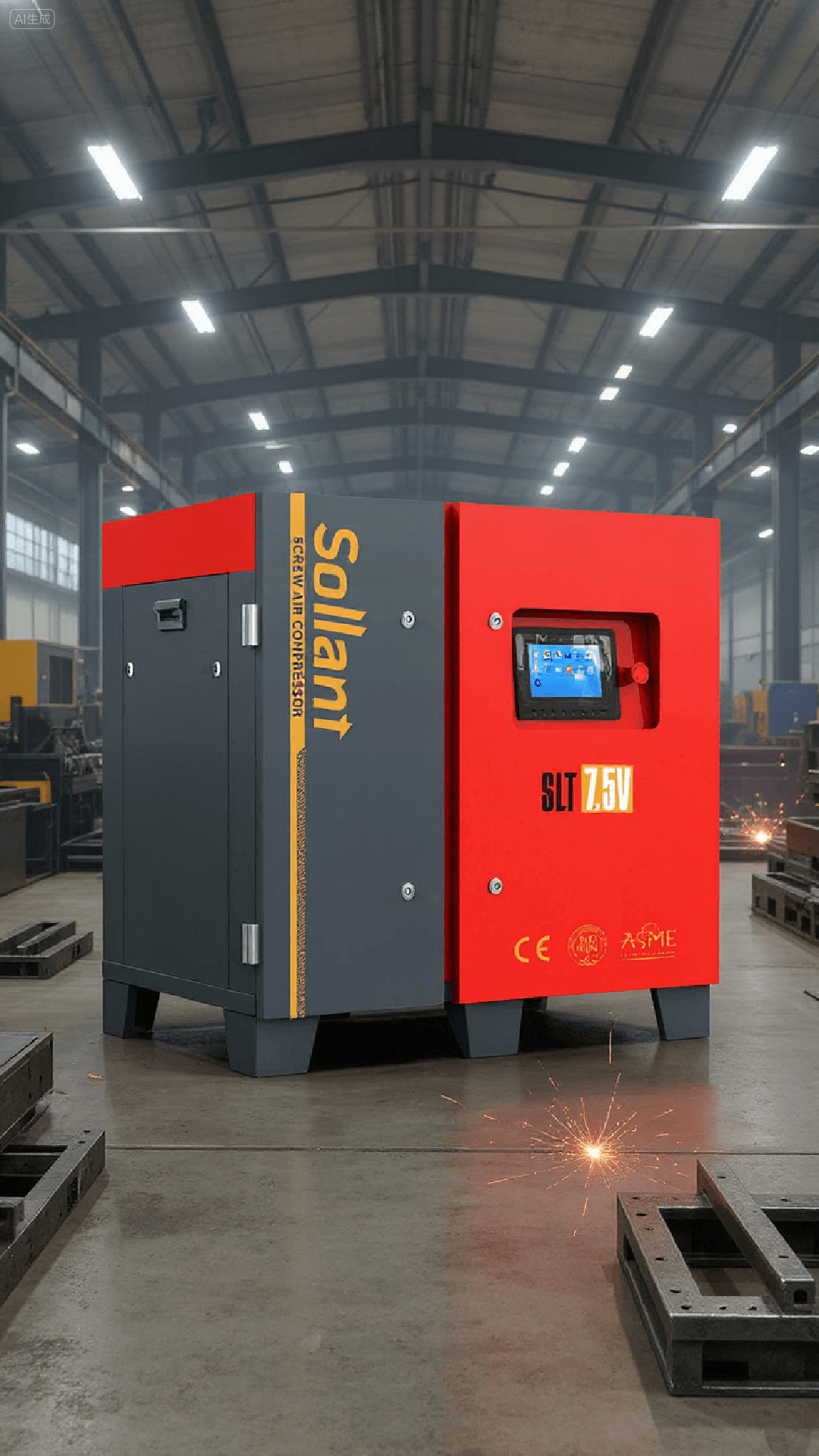
Maintenance Tips
Regular Inspections
Check your screw air compressor often. Regular checks help you spot problems early. Look for oil leaks and listen for odd sounds. Check the pressure gauges to see if they are normal. Follow a simple schedule to keep your compressor working well:
Maintenance Task | Recommended Interval |
|---|---|
Oil Changes | |
Oil Filter Replacement | Every 2,000 hours |
Air Filter Replacement | Every 2,000 hours |
Air/Oil Separator Replacement | Every 4,000 hours |
Sollant gives training and support so you know what to do during inspections.
Timely Part Replacement
Change old parts before they break. Replace filters, seals, and gaskets on time. This helps your compressor run better. Changing parts on time gives you:
Longer life for your equipment
Easier to plan for maintenance costs
Better energy use
Steady performance
Sollant sells strong spare parts that fit well and last longer.
Monitor Pressure and Oil
Check pressure and oil levels every week. If pressure or oil drops, look for leaks or blockages. Keeping oil at the right level helps your compressor work well and last longer. Sollant compressors have clear oil windows and easy gauges.
Prevent Blockages
Clean filters and oil return lines often. Blockages can cause oil carryover and hurt parts. Write down conditions and tighten connections every 1,000–2,000 hours. Sollant’s special filter materials make cleaning easier and lower the chance of clogs.
Follow Assembly Standards
Install parts the right way. Use the correct tools and follow the guide. Good assembly stops leaks and keeps oil moving right. Sollant gives step-by-step instructions and expert help for installing parts.
Consult Experts
If you find a problem you cannot fix, ask for help. Sollant’s technical team can answer questions and give advice. You can join Sollant’s training sessions to learn more about compressor care.
Tip: Doing regular maintenance and getting help from Sollant helps you avoid downtime and keeps your screw air compressor working well. 😊
You can keep your screw air compressor safe if you find oil carryover and leaks early. Fixing these problems soon helps your machine last longer and saves you money. If you follow the tips and solutions, your compressor will work better.
Doing regular checks and changing filters often lowers oil carryover. This also makes the air cleaner.
Using high-efficiency filters can almost stop oil carryover.
Sollant is a great supplier with strong products that work well. You also get expert help and smart solutions to help your business do well.

FAQ
What is oil carryover in screw air compressors?
Oil carryover means oil escapes with the compressed air. You might see oil mist or stains near your tools. This can hurt your equipment and make your workspace dirty.
How often should you check for oil leaks?
You should check your compressor every week. Look for oil stains, drips, or odd sounds. Regular checks help you find problems early and keep your compressor safe.
Why does oil separator damage cause problems?
A damaged oil separator lets oil mix with air. You will need to add oil more often. Your tools and machines can get dirty or break faster.
How can you prevent oil carryover?
You can prevent oil carryover by keeping oil at the right level, cleaning return lines, and changing filters on time. Sollant compressors make these tasks easier.
What should you do if you find an oil leak?
If you find an oil leak, turn off your compressor. Check seals, gaskets, and joints. Replace any damaged parts. You can ask Sollant’s experts for help if you need it.
Request a Quick Quote Now
How to do my business well ?
- Market situation
- Technology configuration
- Strike Price
- exclusive agency
- Import and export assistance
- More…

