
The reasons why a screw air compressor cannot start
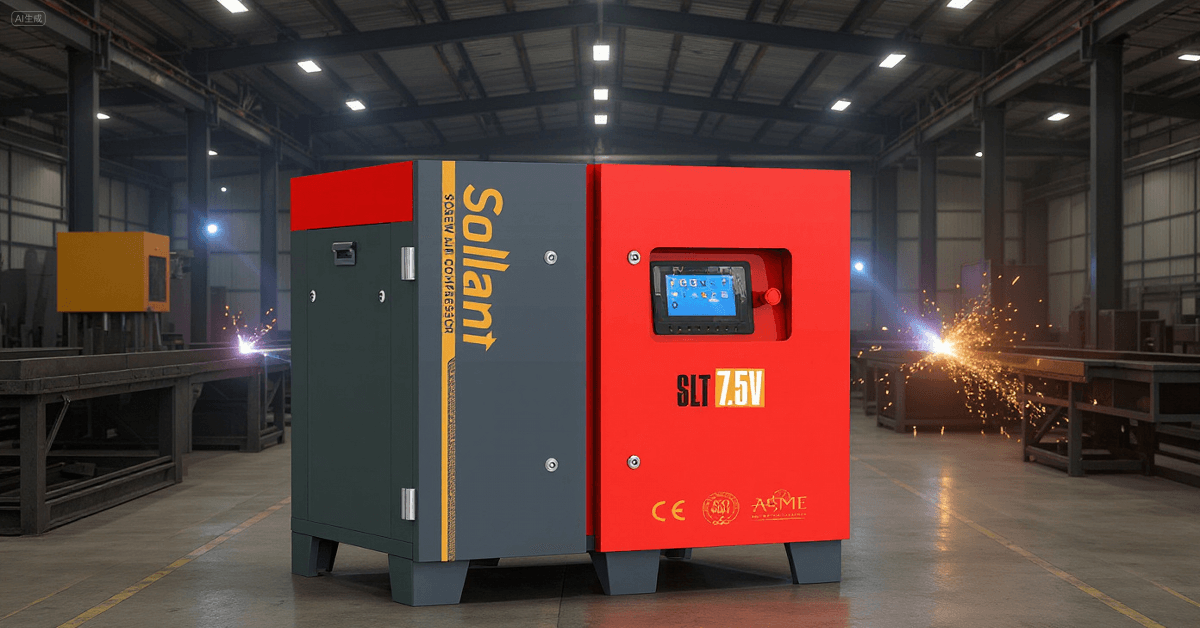
You rely on a screw air compressor to keep your production line running smoothly. A startup failure can quickly halt your operations and cause costly delays. When this happens, you should check four main areas: power supply, mechanical parts, control system, and auxiliary systems. Sollant offers expert solutions and high-quality parts to help you find the cause and restore your equipment fast.
Table of Contents
Key Takeaways
Check the power supply first. Ensure stable voltage and inspect for wiring faults to prevent startup failures.
Perform regular maintenance on mechanical parts. Inspect the main unit, coupling, and intake valve to avoid costly breakdowns.
Monitor the control system closely. Regularly check pressure switches and controllers to ensure proper operation.
Maintain auxiliary systems like cooling and oil-gas separators. Clean and inspect these components to prevent overheating and startup issues.
Follow a systematic troubleshooting process. Start with simple checks and document findings to resolve issues efficiently.
Power Issues
When your screw air compressor fails to start, power issues often cause the problem. You should check three main areas: supply problems, wiring faults, and motor issues. Each area affects the reliability and safety of your equipment.
Supply Problems
You need a stable and adequate power supply for your screw air compressor. If the voltage drops or fluctuates, your compressor may not start or could shut down unexpectedly. Voltage fluctuations can cause overheating and imbalance in motors. These problems lead to excessive vibration, reduce mechanical strength, and shorten the lifespan of your motor. You may also face higher maintenance costs and more downtime when electrical equipment fails due to unstable voltage.
Here is a table showing the most common power supply problems:
Problem Type | Description |
|---|---|
Electrical Issues | Faulty wiring, inadequate power supply, or motor issues can prevent the compressor from starting. |
Inadequate Power | If the compressor does not receive the required voltage, it may not operate at full capacity. |
Motor Problems | Issues with the motor can also lead to power loss and prevent the compressor from functioning. |
You can use routine inspections to identify supply problems. Check for leaks, oil levels, and airflow through filters and hoses. These steps help you maintain optimal performance and prevent startup failures.
Tip: Sollant designs screw air compressors with robust power systems. You can reduce startup failures by following regular maintenance schedules and using high-quality components.
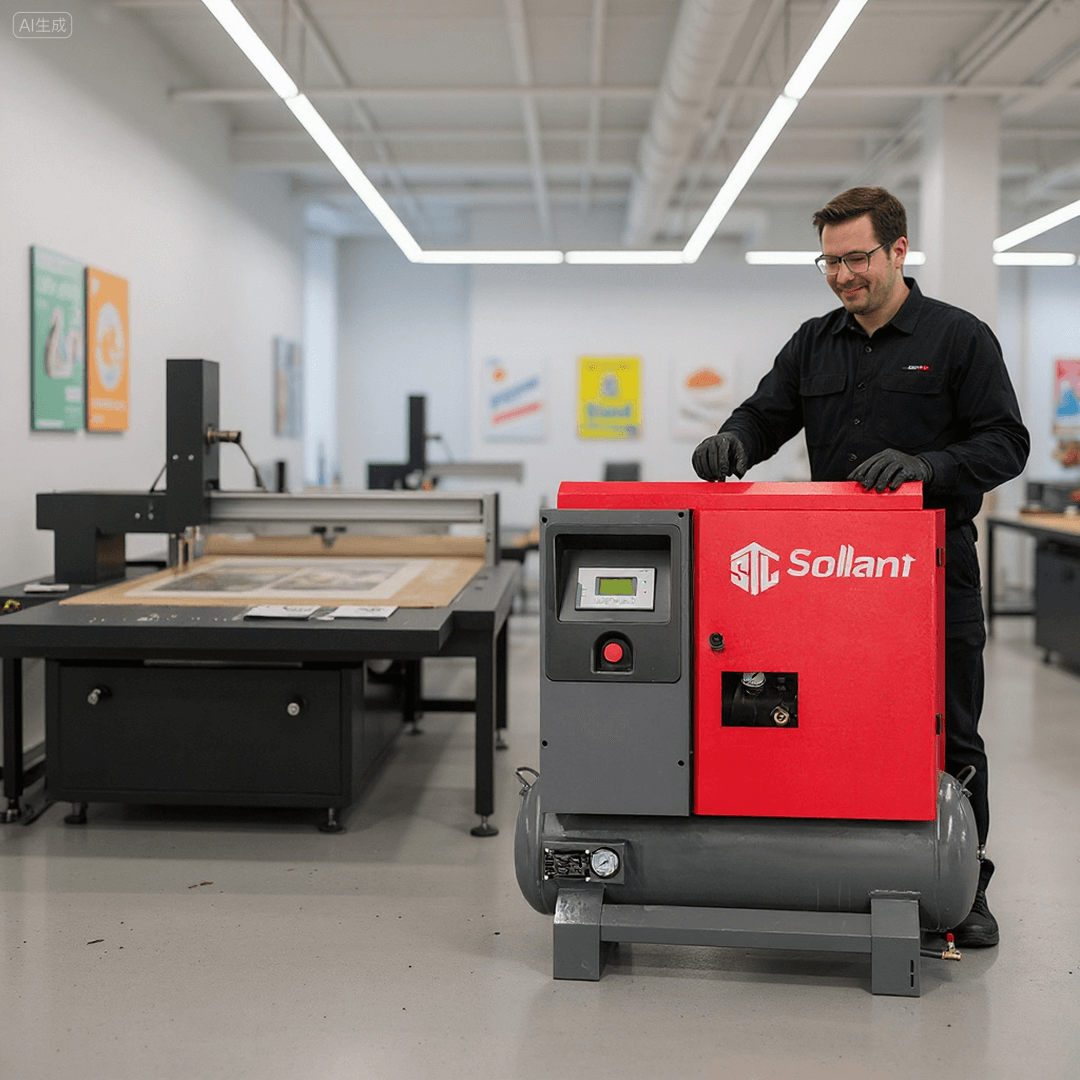
Wiring Faults
Wiring faults often prevent your screw air compressor from starting. Common issues include phase loss and phase sequence errors. These faults cause abnormal current readings and may trigger overload protection, stopping your compressor.
You should inspect the main power supply first. Check the air switch, voltage, and wiring. Move on to contactors, relays, and the motor. Use tools like multimeters, megohmmeters, infrared thermometers, and clamp meters for diagnostics. Make sure your control cabinet has clear wiring diagrams and labels. This helps you identify circuits quickly.
Start with the main power supply and check the air switch, voltage, and wiring.
Use diagnostic tools for effective troubleshooting.
Keep wiring diagrams and labels clear.
Inspect terminals, clean dust, and lubricate bearings regularly.
Back up PLC programs and parameters to minimize downtime.
Sollant recommends regular inspections and maintenance to prevent wiring faults. You can avoid many startup failures by keeping your electrical system clean and organized.
Motor Issues
Motor problems can stop your screw air compressor from starting. You should inspect the motor before each startup. Remove any protective coverings from the machine and its components. Check the insulation resistance of the motor. It should meet or exceed safety standards, usually above 1MΩ. This step helps you avoid electrical faults during startup.
Follow the manufacturer’s guidelines for the correct startup procedure. Gradually introduce power to the compressor. Monitor pressure and temperature as the machine starts. These steps protect your motor and extend its lifespan.
Remove protective coverings from the machine and its components.
Inspect the motor’s insulation resistance.
Follow the correct startup procedure and monitor key parameters.
Sollant uses advanced motor designs and high-quality parts to ensure reliable operation. You can prevent most motor-related startup failures by following these best practices.
Note: Regular maintenance and inspections help you catch problems early. Sollant’s approach to power system design focuses on durability and safety, giving you peace of mind during every startup.
Mechanical Problems
Mechanical problems often prevent your screw air compressor from starting. You need to check the main unit, the coupling, and the intake valve. Each part plays a key role in the startup process. If any of these fail, your compressor will not run.
Main Unit Seizure
The main unit, or air end, is the heart of your screw air compressor. When it seizes, the machine cannot turn. This usually happens because of poor lubrication, dirty oil, or worn parts. You may notice warning signs before a complete failure:
Decreased performance or lower air output
Increased energy use
Excessive noise or vibration
Higher operating temperatures
More oil consumption than usual
Loss of pressure
Metal particles in the oil
If you see metal particles in the oil, you should stop the machine right away. This means the rotors or bearings are wearing out. Running the compressor in this state can cause severe damage. You should inspect the air end and replace damaged parts as needed.
Tip: Sollant designs screw air compressors with durable rotors and high-quality bearings. Regular oil changes and filter replacements help prevent main unit seizure. Always use the recommended oil and follow the maintenance schedule.
Coupling Faults
The coupling connects the motor to the main unit. If the coupling fails, power cannot reach the compressor. Common problems include misalignment, worn rubber pads, or loose bolts. These issues can cause vibration, noise, or even total shutdown.
Issue Description | Possible Causes |
|---|---|
Vibration after starting | Loose anchor bolts, misalignment, unbalanced rotor, resonance with pipes, poor coupling balance |
Abnormal noise during operation | Foreign objects in rotor, worn bearings, loose coupling, oil pump problems |
You can detect coupling faults by listening for unusual sounds or feeling for vibration. During off-hours, listen for hissing or rattling. Use soapy water to check for leaks at the joints. For more precise checks, use an ultrasonic detector to find hidden leaks or misalignment.
To fix coupling faults, follow these steps:
Depressurize the system.
Tighten all connections and bolts.
Repair or replace damaged couplings or hoses.
Repressurize and test the system.
Note: Sollant uses robust couplings and precise alignment during assembly. Regular checks and timely replacement of worn parts help you avoid unexpected failures.
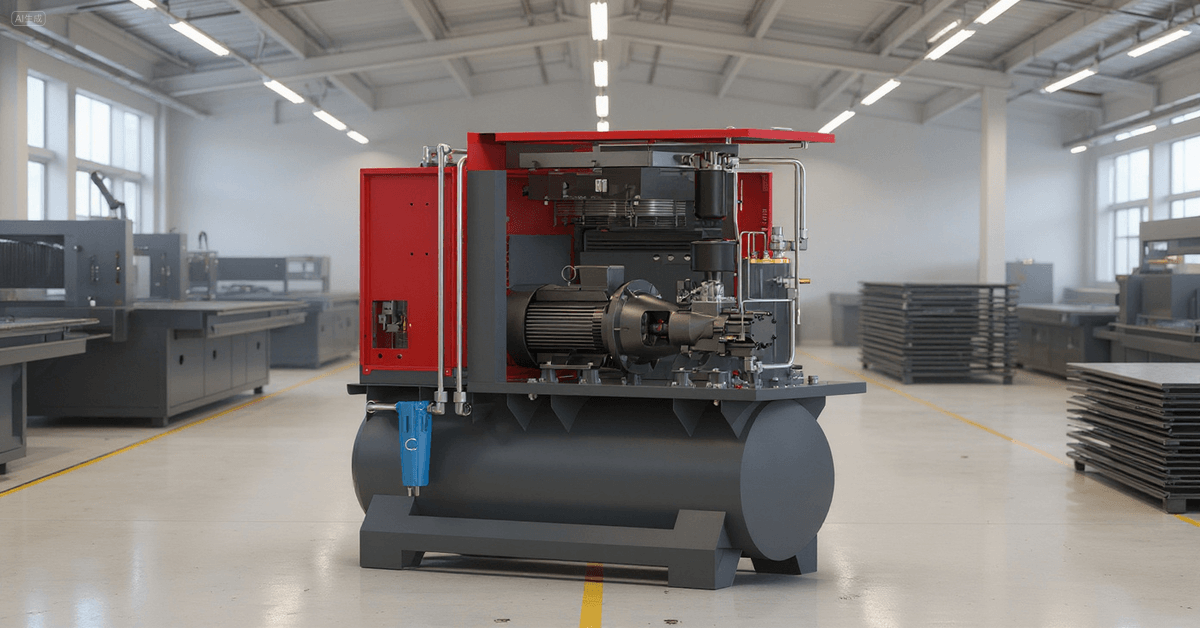
Intake Valve Issues
The intake valve controls the airflow into your screw air compressor. If it sticks or fails, the compressor cannot start or build pressure. Common intake valve problems include:
Not loading: Caused by solenoid valve issues, dirt, or friction. You can fix this by checking the circuit, replacing faulty solenoids, and cleaning the valve.
Not unloading: Often due to power problems, blockages, or fast unloading. Check the solenoid circuit, replace parts, and adjust the unloading speed.
Intake valve fuel injection: Poor separators, clogged valves, or harsh environments can cause oil to spray from the intake. Replace separators, clean filters, and improve working conditions to solve this.
Blocked intake filters also restrict airflow and make startup difficult. Always check and clean filters as part of your routine maintenance.
Alert: Sollant recommends regular inspection and cleaning of intake valves and filters. Using high-quality parts and following a strict maintenance plan will keep your screw air compressor running smoothly.
Common Mechanical Startup Problems
You may also encounter these mechanical issues that prevent startup:
Failed capacitors
Damaged motor windings
Overload protection activation
Check valve failure
Blocked intake filters
Air end bearing failure
You should address these problems quickly to avoid long-term damage.
Sollant’s durable design and strict quality control help reduce the risk of mechanical failures. By following proper maintenance practices, you can extend the life of your screw air compressor and keep your production line running.
Control System Faults
Control system faults can stop your screw air compressor from starting. You need to check the pressure switches, controllers, and safety protection features. Each part works together to keep your equipment safe and reliable.
Pressure Switch Failures
Pressure switches help control when your compressor starts and stops. If a pressure switch fails, you may notice the following problems:
The compressor does not unload when it reaches the set pressure.
The machine runs above its rated working pressure.
The motor draws too much current, which can cause mechanical failures.
The system becomes less efficient and may overheat.
You should inspect the pressure switch for signs of wear or damage. Replace faulty switches to prevent overloading and protect your equipment. Regular checks help you avoid unexpected shutdowns.
Tip: Always monitor the pressure readings before startup. Sollant’s advanced control systems make it easy to spot abnormal pressure signals and prevent damage.
Controller Errors
Controllers act as the brain of your compressor. Problems with the controller can block startup commands. You may see error codes or abnormal signals on the display. Common controller errors include:
Motor failure due to aging insulation or bearing damage.
Low lubricant levels that trigger alarms.
Inverter faults that stop the compressor from running.
You should check the controller display for warnings. Reset or replace faulty modules as needed. Keep the controller software updated to avoid glitches.
Note: Sollant’s control systems use smart diagnostics to help you find errors quickly. You can rely on clear displays and easy troubleshooting steps.
Safety Protection
Safety protection features prevent accidents and protect your compressor. These mechanisms can stop the machine from starting if they detect a problem. The most common triggers include:
Power supply check. Make sure the three-phase power is stable.
Oil level check. Confirm the oil level is above the minimum line.
Controller check. Look for abnormal messages like “Device Stopped.”
Valve opening. Ensure the outlet valve is fully open.
You should follow these steps before each startup. Safety protection keeps your equipment running smoothly and prevents costly repairs.
Alert: Sollant’s advanced control systems include multiple safety checks. You can trust these features to protect your screw air compressor and your team.
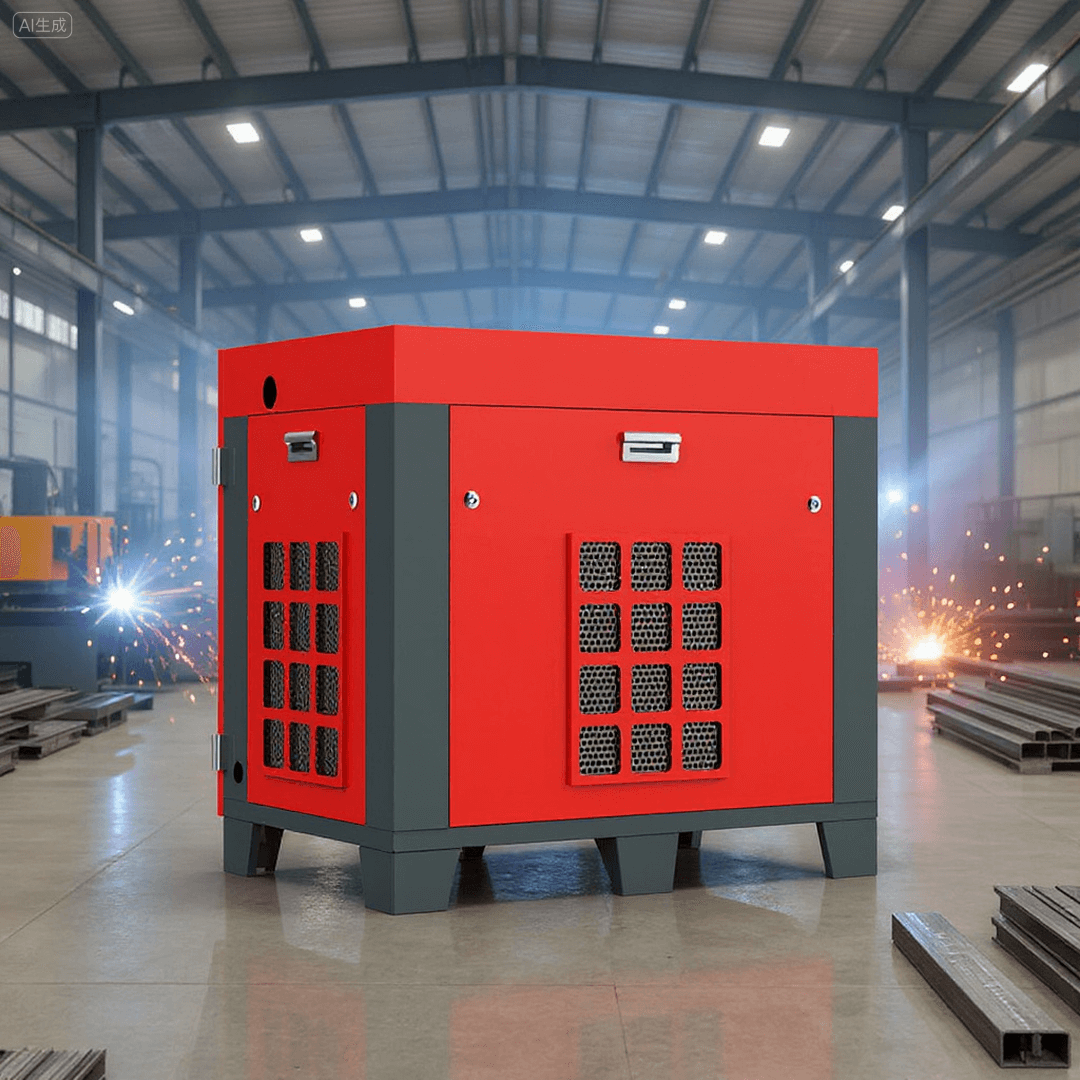
Auxiliary System Issues
You depend on auxiliary systems to support the main functions of your screw air compressor. Problems in these systems can trigger protection mechanisms and prevent startup. You should pay close attention to the cooling system and the oil-gas separator.
Cooling System Faults
The cooling system keeps your compressor at a safe temperature. If the cooling fan motor fails or the radiator becomes blocked, the oil temperature rises quickly. High temperatures activate safety protection and stop the compressor from starting. You might notice slow fan rotation or hear abnormal noises. Dust and debris can block the radiator fins, reducing airflow and cooling efficiency.
You should clean the radiator regularly and check the fan motor for smooth operation. Water-cooled models need a steady supply of clean water. Make sure the water pressure stays within the recommended range. If you see leaks or low water flow, inspect the pipes and valves. Sollant uses high-quality cooling components to ensure stable performance. Routine maintenance helps you avoid overheating and unexpected shutdowns.
Tip: Clean the cooling system every month. Replace worn fan motors and clear radiator blockages to keep your compressor running smoothly.
Oil-Gas Separator Problems
The oil-gas separator removes oil from compressed air. If this part fails, the system faces high differential pressure and startup issues. Blocked separators force the motor to work harder, which can trigger overload protection. You may see oil carryover or notice reduced air quality.
Several factors can affect the separator’s performance. Using the wrong synthetic oil causes sludge buildup. Delaying oil changes leads to degraded oil and blocked separators. Condensate in the oil system contaminates the separator. Long idle periods saturate the separator, causing high oil carryover when you start the compressor. Rapid valve testing can also damage the separator.
Here is a table showing common oil-gas separator problems and their impact on startup:
Issue | Impact on Startup Process |
|---|---|
Incorrect synthetic oil | Causes sludge development, increasing differential pressure and leading to blocked separator. |
Oil change interval | Degraded oil blocks the separator, resulting in high differential pressure and reduced separator life. |
Condensate in oil system | Contaminates oil, leading to blockage of the separator and increased differential pressure. |
Extended idle periods | Causes separator saturation, resulting in high oil carryover when the compressor starts. |
Testing regulating system | Rapid valve operation can lead to separator saturation or rupture, causing high oil carryover. |
You should replace separator elements at regular intervals. Use the recommended oil and keep the system clean. Sollant provides advanced separator designs and high-density filter materials. These features help you maintain efficiency and reduce maintenance costs.
Note: Regular maintenance of auxiliary systems protects your screw air compressor from indirect startup failures. Sollant’s durable parts and expert support help you keep your equipment in top condition.
Troubleshooting a Screw Air Compressor
Step-by-Step Guide
You can solve most startup problems by following a clear troubleshooting process. Start with simple checks and move to more detailed diagnostics. Here is a step-by-step guide:
Observe and Gather Information: Look at the compressor. Listen for unusual sounds. Check all gauges and indicator lights. Ask yourself when the problem started and if anything changed recently.
Verify Basics: Make sure the power supply is stable. Check if the emergency stop button is pressed. Confirm that the air supply is connected.
Isolate the Problem: Decide which part of the system might be causing the issue. Focus on one area at a time, such as the motor, wiring, or control panel.
Test and Confirm: Use tools like a multimeter or pressure gauge. Check each component for faults. Confirm your diagnosis before moving forward.
Implement Solution: Fix the problem you found. Replace faulty parts or reset controls as needed.
Verify Repair: Start the screw air compressor again. Watch for normal operation. Make sure the issue does not return.
Document: Write down what happened, what caused it, and how you fixed it. This record helps you and your team in the future.
Tip: Always turn off the power before opening panels or touching electrical parts. Safety comes first.
Preventive Maintenance
You can prevent many startup failures by taking care of your compressor. Regular maintenance keeps your equipment running smoothly and reduces downtime. Follow these simple steps:
Change the oil and filters according to the manufacturer’s schedule.
Clean dust and debris from cooling systems and intake filters.
Inspect wiring, terminals, and couplings every month.
Record voltage, temperature, and pressure readings in a logbook.
Replace worn parts before they fail.
Sollant offers support resources and expert advice to help you maintain your equipment. You can contact their team for troubleshooting help or maintenance tips.
Note: Preventive maintenance saves time and money. It also helps you avoid unexpected shutdowns.
Sollant Solutions
Advanced Parts
You want your equipment to last and perform at its best. Sollant offers advanced air compressor parts that help you achieve this goal. These parts use high-density filter materials with nano-plating. This design keeps the filter resistance low and the airflow steady. The materials resist acids, alkalis, and high temperatures. You can rely on these parts to work well in tough environments. Clean air and stable pressure protect your screw air compressor from damage. With Sollant’s advanced parts, you reduce maintenance needs and extend the life of your equipment.
Tip: Using high-quality parts helps you avoid common startup problems and keeps your production line running.
Customization
Every industry has unique needs. Sollant understands this and offers customization for your air compressor system. You can adjust pressure, flow rate, and other functions to match your specific requirements. This approach helps you save energy and avoid downtime. You get a solution that fits your business, whether you work in automotive, food packaging, or pharmaceuticals.
Benefit | Description |
|---|---|
Precision Tailoring | Customization allows for adjustments in pressure, flow rate, and functionality to meet specific needs. |
Enhanced Efficiency | Tailored solutions help avoid energy wastage and reduce downtime, boosting overall productivity. |
Industry-Specific Solutions | Customized compressors cater to unique requirements in sectors like automotive, food packaging, and pharmaceuticals. |
Note: Customization gives you more control and better results from your screw air compressor.
Support Services
Sollant supports you at every step, from installation to daily operation. You receive clear guidance and expert help to keep your system running smoothly.
Pre-startup preparation: Check oil level, drain water, inspect connections, and check power supply.
Startup procedure: Start the compressor, watch its status, and check for leaks.
Operation monitoring: Check parameters often and stop the compressor if you see problems.
Shutdown procedure: Follow normal or emergency shutdown steps.
Regular maintenance: Replace filters, clean the cooler, check oil, maintain the interior, calibrate controls, and inspect all parts.
You can find more details and product options on Sollant’s official website and product pages.
You face many possible causes when your screw air compressor will not start. Systematic troubleshooting helps you find the problem quickly. The table below shows common failures and solutions from industry case studies:
Common Failures | Solutions |
|---|---|
Insufficient air output | Check air filters |
Abnormal pressure | Adjust speed |
Abnormal temperature | Optimize cooling systems |
Abnormal noise | Implement preventive measures |
Overheating | Regular maintenance, upgrades |
Regular inspections and maintenance keep your equipment reliable. You should check oil levels, filter elements, and fluid levels often. Sollant offers expert support and advanced parts to help you solve persistent issues.
FAQ
What should you check first if your screw air compressor will not start?
Start by checking the power supply. Make sure the main switch is on and the voltage is stable. Look for any tripped breakers or blown fuses. This step helps you rule out basic electrical issues quickly.
How often should you perform maintenance on your screw air compressor?
You should follow the manufacturer’s schedule. Most compressors need oil and filter changes every 2,000 hours. Clean the cooling system and check wiring monthly. Regular maintenance keeps your equipment reliable and extends its life.
Can you reset a screw air compressor after a safety shutdown?
Yes, you can reset most compressors. First, fix the cause of the shutdown. Then press the reset button on the control panel. Always check the display for error codes before restarting.
Where can you get support or spare parts for Sollant screw air compressors?
You can contact Sollant directly for support, spare parts, or technical advice. Visit Sollant’s official website or email their service team. Sollant provides expert help and high-quality parts for your needs.
Request a Quick Quote Now
How to do my business well ?
- Market situation
- Technology configuration
- Strike Price
- exclusive agency
- Import and export assistance
- More…

