
The causes of screw air compressor exhaust overheating
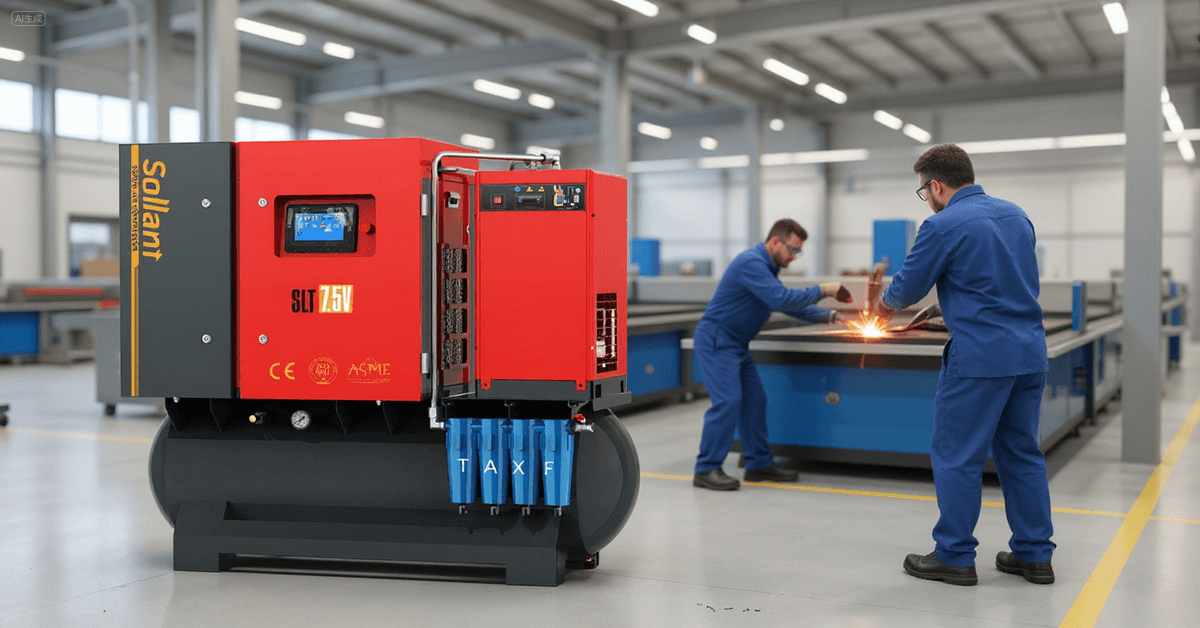
You may notice your screw air compressor running hotter than usual. High exhaust temperatures often signal problems like low cooling oil or blocked filters. Poor ventilation and high ambient temperatures also contribute to overheating. Regular maintenance helps prevent these issues. Sollant provides reliable solutions to keep your screw air compressor running efficiently and safely.
Table of Contents
Key Takeaways
Monitor ambient temperatures. Keep your compressor room between 50°F and 85°F to prevent overheating.
Ensure proper ventilation. Use fans and exhaust systems to remove hot air and maintain airflow around the compressor.
Regularly check oil levels and quality. Change oil every 1,000 to 4,000 hours to ensure efficient cooling and lubrication.
Replace filters and separators on time. Change filters every 2,000 hours to avoid blockages that can raise temperatures.
Perform routine maintenance. Schedule regular checks to catch issues early and extend the life of your compressor.
Causes of Screw Air Compressor Overheating
High Ambient Temperature
You may notice your screw air compressor running hotter during the summer or in warm climates. High ambient temperature directly affects the compressor’s operating temperature. Experimental data shows a linear relationship between room temperature and compressor temperature. When the air around the compressor rises above 85°F, the machine struggles to stay cool. The ideal range for most compressors is between 50°F and 85°F. If the temperature in your compressor room goes beyond this, the risk of overheating increases. You should always check the room temperature and make sure it stays within the recommended range. Sollant designs its screw air compressors to handle a wide range of temperatures, but even the best machines need proper room conditions to work efficiently.
Poor Ventilation
Poor ventilation can turn your compressor room into a “hotbox.” When hot air cannot escape, your screw air compressor starts to draw in its own heated exhaust. This cycle quickly raises the internal temperature and puts extra stress on the cooling system. Engineering studies show that proper airflow is essential. You need to remove hot exhaust air and supply clean, dry intake air. The exhaust fan should be two to three times the size of the compressor fan to keep temperatures safe. Here is a quick guide for ventilation:
Requirement | Description |
|---|---|
Airflow Design | Remove hot exhaust air and supply clean, dry intake air |
Ductwork Sizing | Keep pressure drop under maximum allowable limits |
Exhaust Fan Sizing | Use a fan 2-3 times the compressor fan size |
Heat Dissipation | Calculate airflow based on compressor heat output |
Sollant recommends assessing your compressor room and adjusting ventilation to prevent overheating.
Low Oil Levels and Quality
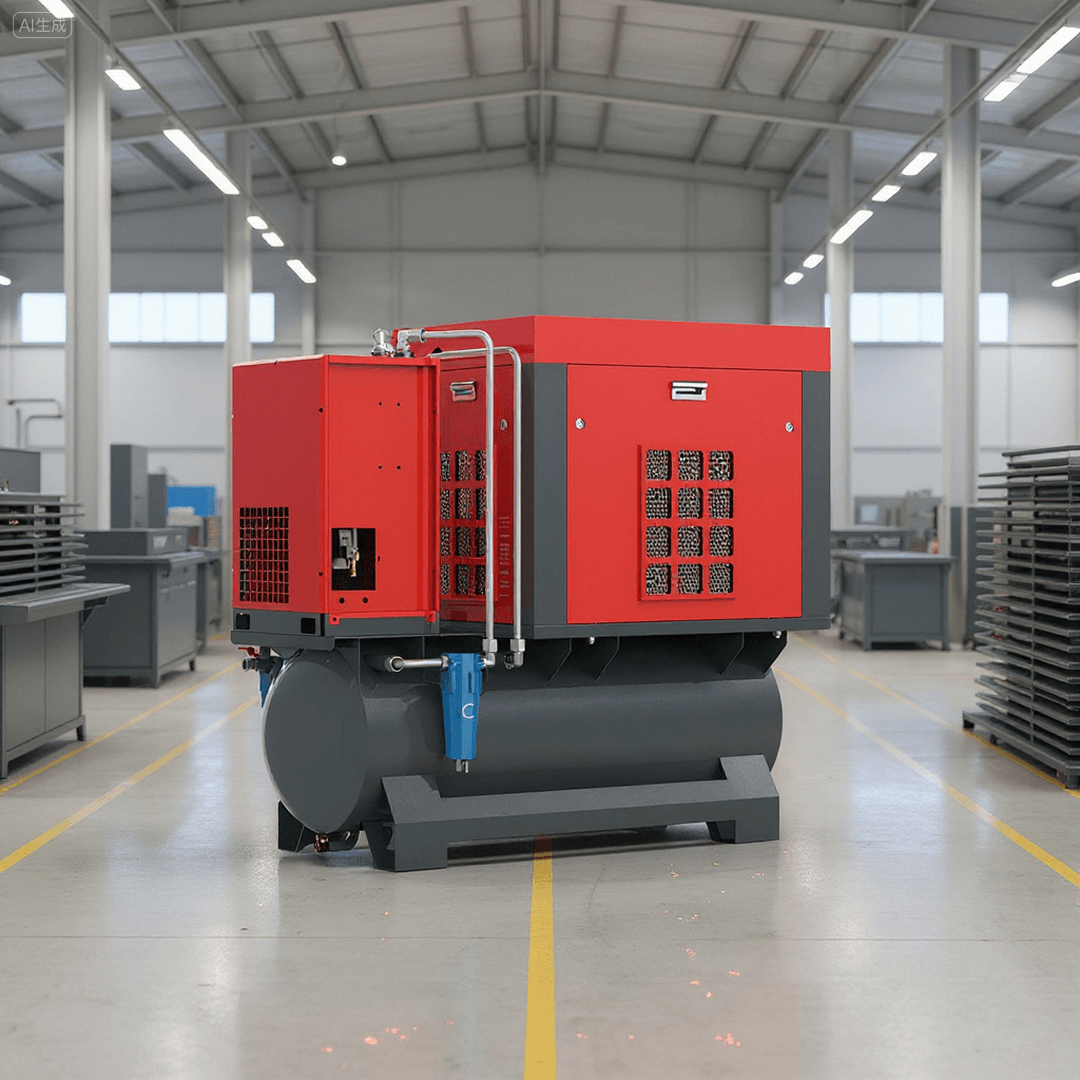
Oil plays a key role in cooling your screw air compressor. When oil levels drop below the minimum mark, the compressor cannot dissipate heat efficiently. Old or degraded oil becomes thick and loses its ability to flow, which means it cannot absorb and carry heat away. You should check oil levels regularly and replace oil if it looks dirty or has been used for too long. For light-duty use, change the oil every 2,000 to 4,000 hours. For heavy-duty use, change it every 1,000 to 1,500 hours. Insufficient or degraded oil increases friction and heat, which can damage moving parts. Sollant uses high-quality oil systems in its compressors to help you avoid these problems.
Blocked Filters and Separators
Filters and separators keep your screw air compressor running smoothly by removing dust, oil, and other contaminants. When these parts become blocked, resistance inside the compressor increases. This makes the machine work harder and raises the exhaust temperature. A blocked oil separation core or oil filter can shorten the life of your compressor and its parts. You should replace filters every 2,000 hours and separators every 4,000 hours. Monitor the separator pressure difference daily. If it goes above 0.6 Bar, replace the separator. Sollant’s advanced filter materials and nano-plating technology help reduce the risk of blockages and keep your compressor cool.
High Compression Ratio
A high compression ratio means your screw air compressor is working harder to squeeze air into a smaller space. This process increases the discharge temperature and puts more thermal load on the machine. The higher the compression ratio, the greater the temperature rise. This can affect the reliability and performance of your compressor. High temperatures also increase the cooling load and can shorten the life of the lubrication system. You can lower the compression ratio by raising the intake pressure or lowering the discharge pressure. Sollant engineers design compressors to operate at optimal compression ratios for better efficiency and longer life.
Faulty or Worn Parts
Worn or faulty parts can cause your screw air compressor to overheat. Common issues include excessive use, operation in hot or humid environments, restricted airflow, and heat buildup in the cooling system. Bearings, belts, and seals are especially vulnerable. Insufficient lubrication of bearings often leads to failure and overheating. You should check the tension and condition of drive belts weekly and listen for unusual noises or vibrations. Replace worn or damaged bearings and belts as needed. Sollant’s compressors use durable components and offer easy maintenance to help you avoid these problems.
Tip: Regular maintenance and timely replacement of worn parts can prevent most overheating issues and extend the life of your screw air compressor.
Identifying Overheating in Screw Air Compressors
When your screw air compressor starts to overheat, you can spot several clear warning signs. Recognizing these early helps you prevent damage and costly repairs. Here are the main indicators to watch for:
Rising Exhaust Temperatures
You should monitor the exhaust temperature regularly. The ideal range for most screw air compressors is between 40° and 95° Fahrenheit. If the temperature climbs above this range, the compressor may lose efficiency and risk damage. High ambient temperatures can also push exhaust temperatures higher, putting extra strain on the system. When you notice a steady increase in exhaust temperature, take action right away.
Frequent Shutdowns
Overheating often causes your compressor to shut down more often than usual. Modern systems use sensors to detect unsafe temperatures and will stop the machine to prevent further damage. Faulty sensors or controller faults can also trigger shutdowns even if the temperature is not actually too high. If your compressor stops working repeatedly, check for overheating and inspect the cooling system.
Abnormal Noises
Listen for unusual sounds during operation. Overheating can cause several types of abnormal noises:
Bearing overheating creates grinding or rumbling sounds due to increased friction.
Lack of lubrication may lead to a whistling noise from metal parts rubbing together.
Dry friction between the screws can produce sharp, irregular noises.
These sounds often mean that parts are not getting enough oil or are wearing out. You should address these issues quickly to avoid further damage.
Warning Lights or Alarms
Most screw air compressors have warning lights or display alarm codes when overheating occurs. Common codes include E-27, E-28, and Err45, which signal that the fan is not running or the temperature is too high. Other alarms, such as E001 or T1 Oil Temperature Too High, tell you to check coolant flow, clean the radiator, or refill lubricant. The table below shows some typical alarm codes and their meanings:
Alarm Code | Description |
|---|---|
E-27 | Overheating, fan not running |
E-28 | Overheating, fan not running |
Err45 | Overheating, fan not running |
E001 | High temperature alarm, check coolant and lubricant |
T1 | Oil temperature too high, refill or replace lubricant |
Sollant compressors include advanced monitoring systems to help you spot these warnings early and keep your equipment running safely.
Preventing and Fixing Overheating with Sollant Solutions
Overheating can shorten the life of your compressor and disrupt your operations. You can prevent most overheating issues by following proven strategies and using advanced solutions from Sollant. Here’s how you can keep your equipment running cool and reliable.
Improve Ventilation and Cooling
Proper ventilation and cooling are essential for maintaining safe operating temperatures. You should:
Place compressors with enough space between them to allow for airflow.
Use fans and open windows to improve air movement around the machines.
Install exhaust fans or air exchange systems to remove hot air from the compressor room.
Consider air-cooled systems, which use ambient air to keep temperatures only 15-20°F above room temperature.
For high ambient conditions, use water-cooled systems to achieve even lower temperatures.
Avoid placing compressors in direct sunlight.
Use air conditioning during hot weather to keep the room cool.
Sollant designs its compressor rooms with these principles in mind. Sollant’s engineering team can help you assess your site and recommend the best ventilation upgrades. Enhanced cooling systems, such as advanced heat exchangers and variable-speed fans, help maintain lower operating temperatures and prevent damage to compressor components.
Tip: Improving your compressor’s environment is one of the fastest ways to reduce overheating risks.
Maintain Oil Levels and Quality
Oil plays a critical role in cooling and lubricating your screw air compressor. Sollant recommends these maintenance practices:
Maintenance Practice | Description |
|---|---|
Check Oil Level | Ensure that the oil level in the oil-gas separator is above the minimum mark. |
Regularly Check Lubricating Oil | Inspect oil quality and quantity, replacing or topping up as necessary. |
Regularly Replace Filters | Inspect and clean filters, replacing them as needed based on usage. |
Regularly Clean and Replace the Oil Separator | Clean and replace the oil separator to ensure the purity and dryness of the compressed air. |
You should check oil levels often and use only high-quality lubricants. Sollant compressors use advanced oil systems that help maintain optimal oil quality, reducing friction and heat. By following these steps, you protect your equipment and avoid costly repairs.
Regular Maintenance and Filter Replacement
Routine maintenance is the backbone of a reliable compressor system. You should:
Schedule regular preventive maintenance to catch small problems early.
Replace filters and separators on time to prevent blockages.
Inspect and clean all cooling components.
Monitor for abnormal noises or warning lights.
Regular maintenance ensures peak efficiency and extends the service life of your compressor. Proper filter care is especially important. A clogged filter can reduce efficiency and increase wear on your machine. Sollant offers maintenance services and high-quality replacement parts to help you keep your system in top shape.
Note: Preventive maintenance not only saves money but also minimizes downtime and keeps your operations running smoothly.
Use Advanced Sollant Air Compressor Parts
Sollant’s advanced air compressor parts provide superior protection against overheating. These parts feature:
Benefit | Description |
|---|---|
Improved Filtration Efficiency | High-density filter material ensures effective removal of impurities. |
Longer Service Life | Uniform pore size and strong interception ability contribute to durability. |
Enhanced Resistance | Nano-electroplating treatment increases resistance to various conditions. |
You can customize Sollant parts to fit your specific needs. The high-density filter materials and nano-plating technology resist acids, alkalis, and high temperatures. This means your compressor stays cleaner, runs cooler, and lasts longer. Many manufacturers have seen significant cost savings and fewer breakdowns after switching to Sollant’s solutions.
Sollant’s commitment to quality and innovation ensures that your screw air compressor operates efficiently, with less risk of overheating. By choosing Sollant’s products and services, you invest in long-term reliability and performance.
You can prevent most overheating issues by understanding the main causes and acting early. Regular maintenance and high-quality parts make a big difference.
Routine oil changes and filter replacements stop 67% of unplanned outages.
Well-maintained compressors keep 90% of their airflow efficiency after 10,000 hours.
High-build models, like those from Sollant, reach 98.6% uptime and need fewer repairs.
Sollant’s commitment to reliability and efficiency helps you reduce downtime and keep your operations running smoothly.
FAQ
What causes my screw air compressor to overheat?
You may see overheating from high ambient temperature, poor ventilation, low oil levels, blocked filters, or worn parts. Sollant compressors use advanced cooling systems to help you avoid these problems.
How often should I replace filters and oil in my compressor?
You should replace filters every 2,000 hours and separators every 4,000 hours. Change oil every 1,000 to 4,000 hours, depending on usage. Sollant recommends regular checks for best performance.
Can I prevent overheating with regular maintenance?
Yes. You can prevent most overheating by checking oil, cleaning filters, and inspecting parts. Sollant offers maintenance services and high-quality parts to keep your compressor running cool.
What should I do if my compressor shows a high-temperature alarm?
Stop the machine. Check oil levels, clean the radiator, and inspect ventilation. Sollant compressors have clear alarm codes to help you find and fix issues quickly.
Why choose Sollant air compressor parts?
Sollant parts use high-density filter materials and nano-plating. You get better filtration, longer service life, and improved resistance to heat and chemicals. Many users report fewer breakdowns and lower costs.
Request a Quick Quote Now
How to do my business well ?
- Market situation
- Technology configuration
- Strike Price
- exclusive agency
- Import and export assistance
- More…

