
Why Does My Screw Air Compressor Suddenly Shut Down?
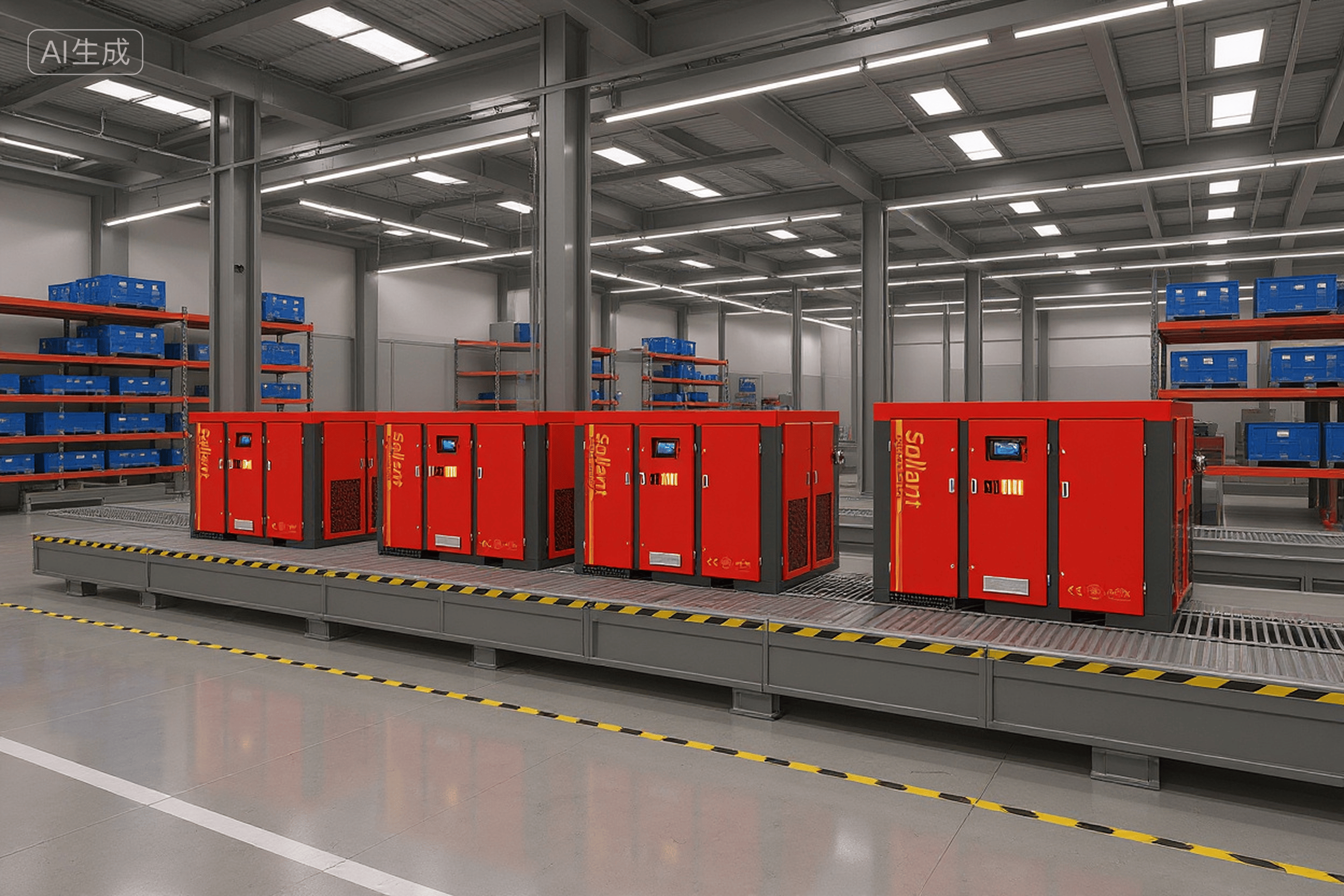
A screw air compressor can suddenly stop working. This can cost a lot of money and slow down work. Many people see their compressors shut down because they get too hot. Other common problems are bearing faults, rotor wear, and oil contamination. These issues make the compressor work less well and use more energy. Doing regular maintenance can help stop these problems. Sollant makes strong systems that keep things running and help avoid sudden shutdowns.
Table of Contents
Key Takeaways
Regular maintenance is very important. Check oil levels often. Look at filters and cooling systems. This helps stop overheating and shutdowns.
Spot warning signs early. Listen for strange noises. Watch for changes in temperature. Feel for odd vibrations. Fix problems before they get worse.
Learn about fault codes. Use the compressor’s display to find problems fast. Follow the manual to fix them.
Watch pressure settings. Make sure pressure levels are correct. This stops unneeded shutdowns. It also keeps the compressor working well.
Get expert help if you need it. Call Sollant for hard problems or big repairs. This keeps things safe and working right.
Causes of Air Compressor Trip Failure
A screw air compressor can stop for many reasons. Knowing these reasons helps stop work delays and keeps machines working well. The main causes are overload, overheating, pressure problems, and electrical failure. Each one has its own signs and ways to fix it.
Overload
Overload is when the compressor motor works too hard. This can make it trip and stop. Overload can happen from high head resistance, thick oil, or problems inside the machine. The table below lists main overload causes and what they mean:
Explanation | |
|---|---|
High viscosity of lubricating oil | Thick oil, especially in cold, blocks oil flow and makes resistance higher. |
Coking in the machine head | Deposits inside the head take up space, causing more friction and higher current. |
Excessive lubricating oil | Too much oil from a bad valve makes resistance and current go up. |
Signs of overload are voltage drops, high discharge pressure, loose wires, and more resistance. The table below shows these signs and when they happen:
Symptoms | Common Scenarios |
|---|---|
Weak power or long cables. | |
Discharge pressure exceeds rated value | Bad sensors or blocked pipes. |
Loose connections or damaged wiring | Vibration or old contactors. |
Increased rotational resistance | Carbon deposits or worn bearings. |
Blocked separator filter elements | Old filters or bad lubricant. |
To fix overload, check oil quality and level, clean or change filters, and look at the wires. Make sure the power is steady and the machine head is clean.
Overheating
Overheating is a top reason for air compressor trip failure. If the temperature gets too high, the compressor turns off to protect itself. High temperature trips often happen in summer or if the cooling system fails. Most compressors work best between 100°C and 110°C. Shutdown happens if it goes over 110°C.
Condition | Temperature (°C) | Temperature (°F) |
|---|---|---|
100–110 | 212–230 | |
Shutdown Threshold | >100–110 | >220–230 |
Main causes of overheating are:
Bad airflow or blocked vents.
Low or bad oil.
Hot weather.
Worn parts.
Dirty or blocked filters.
Blocked condenser coils.
Running too long.
Wrong voltage.
Signs of overheating are hot surfaces, shutdowns, and warning lights. To fix it, clean the cooling system, change old oil, and check for blocked filters. Make sure the compressor gets enough air and is in a cool place.
Tip: Check cooling fans and oil levels often to stop overheating and keep the compressor safe.
Pressure Issues
Pressure problems can make the compressor trip. Both high and low pressure can set off the safety system. Too much exhaust pressure makes the compressor work too hard and shut down. Wrong pressure settings or bad sensors can also cause trouble.
Evidence | Explanation |
|---|---|
Compressor works outside safe limits and shuts down. | |
Improper pressure settings | Wrong settings make the compressor trip to stay safe. |
Main causes of pressure problems are:
Blocked air filters.
Stuck pressure valve.
Bad pressure gauge giving wrong numbers.
Back pressure from blocked pipes.
To fix pressure problems, check the pressure relief valve and system. Change bad sensors and clean or change filters. Make sure pressure settings are right for the machine.
Electrical Failure
Electrical failure is another big reason for air compressor trip failure. Problems with the electrical system can make the compressor stop or not start. Main causes are:
Bad electrical parts like contactors.
Motor failure from short circuits or burned windings.
Bad power switch contact.
Missing or unbalanced power.
Short circuits from wrong wiring.
The thermal relay may trip if the current is too high. Bimetal sheets inside bend and break the control circuit, protecting the motor from overload.
To find electrical faults, do these steps:
Check power wires and control voltage.
Look at the start button, thermal relay, and contactor.
Measure motor current and check load parts.
Check pressure sensor settings and control wires.
Make sure wires are in the right order and check phase protectors.
If the compressor stops because of power failure, check all wires and change any broken parts. Regular checks help stop surprise trips and keep the air compressor working well.
Diagnosing Screw Air Compressor Shutdowns
Symptoms
Operators see warning signs before the compressor shuts off. Hot surfaces and loud noises show something is wrong. Sudden stops mean there might be a problem. Too much vibration can mean bearings are worn or parts are not lined up. Oil leaks or water in the air can make the air dirty. This can also harm other machines. If pressure drops or changes a lot, there may be leaks or blocked filters. These signs help users find the cause and pick the best way to fix it.
Tip: If you notice strange sounds or temperature changes early, you can stop expensive shutdowns and save time.
Fault Codes
Modern screw air compressor systems show fault codes on their control panels. Each code tells you what is wrong, like high temperature, overload, or electrical failure. For example, “E03” means overheating. “E06” means overload. Fault codes help technicians find the problem faster. Reading the manual helps users match codes to problems and choose what to do next. Finding fault codes quickly helps the air compressor start working again soon.
Indicator Type | Description |
|---|---|
Begin with simple checks like power and air supply before doing harder tests. | |
Pressure Issues | Changing or low pressure can mean leaks, blocked filters, or wrong settings. |
Sound and Vibration | Strange noises and too much shaking can mean parts are failing. |
Air Quality | Oil or water in the air can hurt other machines and lower product quality. |
Inspection Steps
Technicians use steps to find out why a screw air compressor shuts off. They start with easy checks and then look closer:
Lubrication system inspection: Check oil level, change oil if it is bad, and look at the oil filter for blocks.
Cooling system inspection: Look for dust on the cooler, check the cooling fan, and look at the cooling water system.
Air system inspection: Check the air intake filter, look at pipes and valves for leaks, and check the air receiver tank.
Electrical system inspection: Test motor insulation, check the control panel, and make sure the power supply is good.
Preparations before trial operation: Turn the machine by hand, do a short test run, and slowly add load.
Each step helps find the problem and keeps the compressor safe. Using a clear troubleshooting method lowers the chance of more shutdowns and helps the equipment last longer.
Solutions for Air Compressor Overheating and Failure
Cooling System Maintenance
A screw air compressor needs good cooling to stop overheating. If it gets too hot, it can break down and stop working. Operators should keep the cooling system clean and clear of blockages. Cleaning the cooler and pipes often helps air move and heat escape. Technicians must check the temperature control valve regularly. This valve keeps the temperature safe and stops air compressor overheating. If cooling fans are broken or water pipes are blocked, the cooling system will not work right. This can make the compressor shut off.
The table below shows important maintenance jobs and how they help cooling:
Maintenance Procedure | Impact on Cooling System |
|---|---|
Keeps temperature normal and stops overheating | |
Clean the cooling pipes | Lets coolant flow well and cools better |
Regularly check and maintain the cooler | Stops damage and keeps cooling working |
Operators should also make sure the compressor room has good airflow and is not too hot. Changing bad sensors and fixing temperature valves helps the cooling system work better. Sollant’s special air compressor parts, like strong filters and nano-plated pieces, help keep the cooling system safe. These parts can handle high heat and chemicals, so they last longer and lower the chance of failure.
Tip: Clean the cooler and check cooling fans every month to stop overheating.
Lubrication Checks
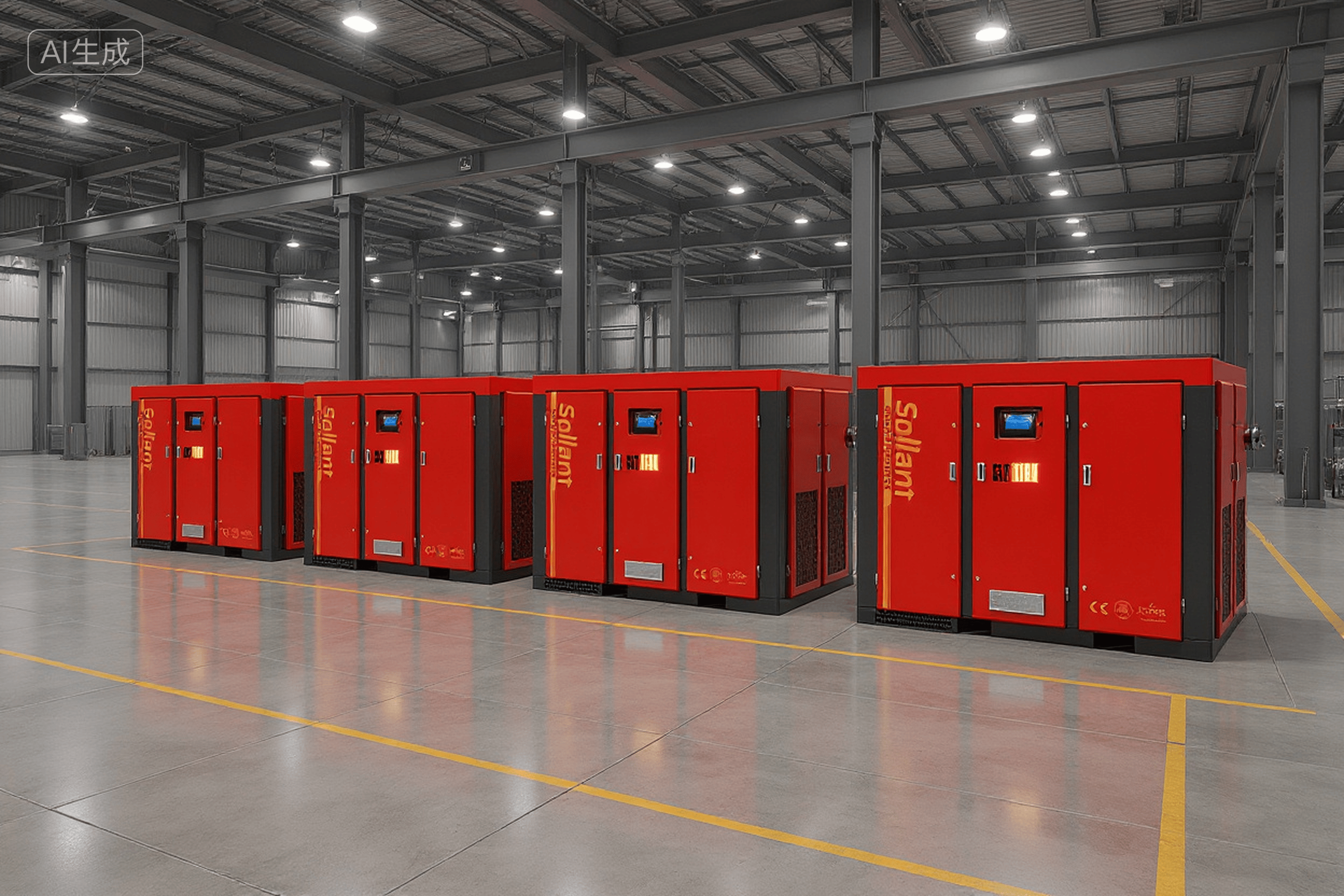
Lubrication is very important to stop overheating and trip failures. Operators must change old lubricating oil on time. Old oil does not flow well and cannot cool the compressor. This makes the compressor get too hot. Checking the oil level is also important. The oil should be above the high mark when off and not below the low mark when running. If oil is low, add more right away.
Technicians need to check the oil supply system. Blocked oil filters or separators can stop oil from moving and cause overheating. The fuel volume regulator must work well. The oil shutoff valve should be checked often. If this valve is broken, the compressor can heat up fast and get badly damaged. Testing the temperature control valve keeps the head exhaust temperature safe.
Recommended lubrication checks are:
Change old lubricating oil on time.
Check oil level and add oil if needed.
Look for blockages in the oil supply.
Check the oil shutoff valve.
Test the temperature control valve.
Sollant’s products include good lubricating oils and strong filter parts. These help keep the compressor oiled, lower friction, and stop air compressor overheating. Using the right oil and filters makes the compressor last longer and stops trip failures.
Electrical Repairs
Electrical problems can make the compressor stop suddenly. Checking electrical connections often helps stop overheating and rust. Technicians should use direct power connections instead of extensions. This stops fuses and breakers from blowing. Finding and changing loose wires and old motors helps the compressor work again.
Operators must look for signs of overheating or rust in wires. Old motors and broken wires make failures more likely. Sollant’s air compressor parts have strong electrical pieces made to last. These parts work well in tough places and lower the risk of electrical trips.
Use direct power connections, not extensions.
Find and change loose wires and old motors.
Check electrical connections for overheating or rust often.
Note: Always turn off the power before checking or fixing electrical parts.
Pressure Control
Good pressure control stops shutdowns and lowers wear on the compressor. Making the pressure band wider, like 25 PSI, helps stop short cycling. Longer load and unload times lower wear on the motor and controls. Setting the right pressure difference between starting and stopping keeps things running smoothly.
Operators should clean contacts and check springs during regular checks. These steps help the equipment last longer and stop pressure problems. Sollant’s smart pressure sensors and control systems help set the right pressure and keep things working well.
Make the pressure band wider to stop short cycling.
Make load and unload times longer to lower wear.
Set the right pressure difference for starting and stopping.
Clean contacts and check springs often.
Sollant’s focus on saving energy and being reliable means their screw air compressor solutions help factories avoid stopping work and keep things running well.
Preventative Maintenance for Screw Air Compressors
Routine Checks
Routine checks help the screw air compressor work well. Operators should look for leaks every day. They need to check oil levels and listen for odd noises. Water must be drained from the air receiver tank. Temperatures and pressures should be checked daily. Each week, operators inspect pressure relief valves. They check belt tension and search for air leaks. Monthly jobs include changing oil and lubricating moving parts. Filters should be inspected each month. Once a year, the engine is serviced and worn parts are replaced. These steps help stop overheating and lower downtime.
Compressor Type | Maintenance Frequency |
|---|---|
Oil-flooded rotary screw | Every 2,000 to 4,000 operating hours or at least annually |
Reciprocating | Every 1,000 hours or six months |
Filter Replacement
Filters keep the compressor safe from dust and dirt. Operators should change filters every 2,000 hours of use. In dusty places, filters need changing sooner. Clean filters help the cooling system work better. They also stop blockages. Panel filters, air inlet filters, oil filters, and air/oil separators must be changed. This keeps the compressor safe and working well.
Change filters every 2,000 hours.
Replace filters sooner in dusty places.
Use the correct filter for your compressor.
Monitoring Systems
Monitoring systems show live data about the compressor. They give alerts if something is wrong. Problems like voltage issues or motor faults are shown. These systems help operators find problems early. Quick action stops bigger problems and downtime. Digital displays make it easy to see if cooling or power needs help.
Monitoring systems help operators act quickly and keep the compressor safe.
Sollant Maintenance Support
Sollant gives strong support for screw air compressor maintenance. Their team checks and changes belts. They inspect the oil-gas separator and test the electrical system. Full-system tests make sure everything works well. Sollant’s experts check oil levels and drain condensate. They look for leaks before starting the compressor. The team checks the power supply and makes sure all connections are secure. Sollant’s services help customers avoid downtime and keep the cooling system working well.
When to Contact Sollant for Air Compressor Failure
Persistent Shutdowns
Operators should call Sollant if the screw air compressor keeps shutting down. Some signs show you need expert help. These signs are:
Strange noise or shaking. This can mean bearings are worn or the shaft is not balanced.
Leaks during use. Oil or air leaks need more repairs and make the compressor less efficient.
Odd smells. Smells like burning can mean overheating or broken parts.
If these problems do not stop, downtime risk goes up. Acting fast helps stop bigger problems and keeps the system safe.
Complex Repairs
Some fixes need special skills or tools. Operators should ask Sollant for help in these cases:
Hard internal faults, such as trouble with the air end or main electrical parts.
Problems that stay after simple checks.
Warranty rules that need expert service.
Repairs needing special test tools.
No trained staff to fix the issue.
Trying to fix these without knowing how can make things worse. Sollant’s team has the right training and tools to fix these problems.
Expert Support
Sollant gives expert help for all air compressor failures.
The Sollant Support Team can check the load, look at the motor, check pressure controller settings, and inspect wiring. If the problem stays, their maintenance team can find and fix the fault.
Their experts help lower downtime and get power back fast. Sollant’s support makes sure the air compressor works safely and well.
Screw air compressors can suddenly stop working for many reasons. These reasons include overload, overheating, pressure faults, or electrical problems. Operators who check and fix equipment often can stop these shutdowns. Regular care helps the compressor work well and last longer. Sollant gives expert help and strong parts for all compressor needs.
Doing regular checks makes machines last longer. It also saves energy and keeps things safe.
Look at valves and filters often.
Watch the power supply and temperature.
Use the right oil for your compressor.
Build systems that can handle changes.
These steps help stop long breaks and keep work going well.
FAQ
Why does a screw air compressor trip during hot weather?
Hot weather can make the cooling system weaker. Dust or blocked vents trap heat inside. Operators need to clean coolers and check fans often. Good airflow stops the compressor from getting too hot.
How often should operators replace air compressor filters?
Operators must change filters every 2,000 hours of use. In dusty places, filters might need changing sooner. Clean filters help the compressor work well and stop shutdowns.
What does a fault code mean on the compressor display?
A fault code tells you what is wrong. For example, “E03” means the compressor is too hot. “E06” means it is overloaded. Operators should look in the manual to match codes with problems and follow the right steps.
Can electrical problems cause sudden shutdowns?
Yes. Loose wires, old motors, or bad contactors can stop the compressor. Checking electrical connections often helps stop surprise shutdowns. Operators must always turn off the power before fixing anything.
When should operators contact Sollant for support?
Operators should call Sollant if shutdowns happen a lot or repairs are hard. Sollant’s experts can find faults, give solutions, and help keep the compressor working well.
Request a Quick Quote Now
How to do my business well ?
- Market situation
- Technology configuration
- Strike Price
- exclusive agency
- Import and export assistance
- More…

