
Screw Air Compressor Temperature Control Valve: Function, Troubleshooting, and Maintenance Guide
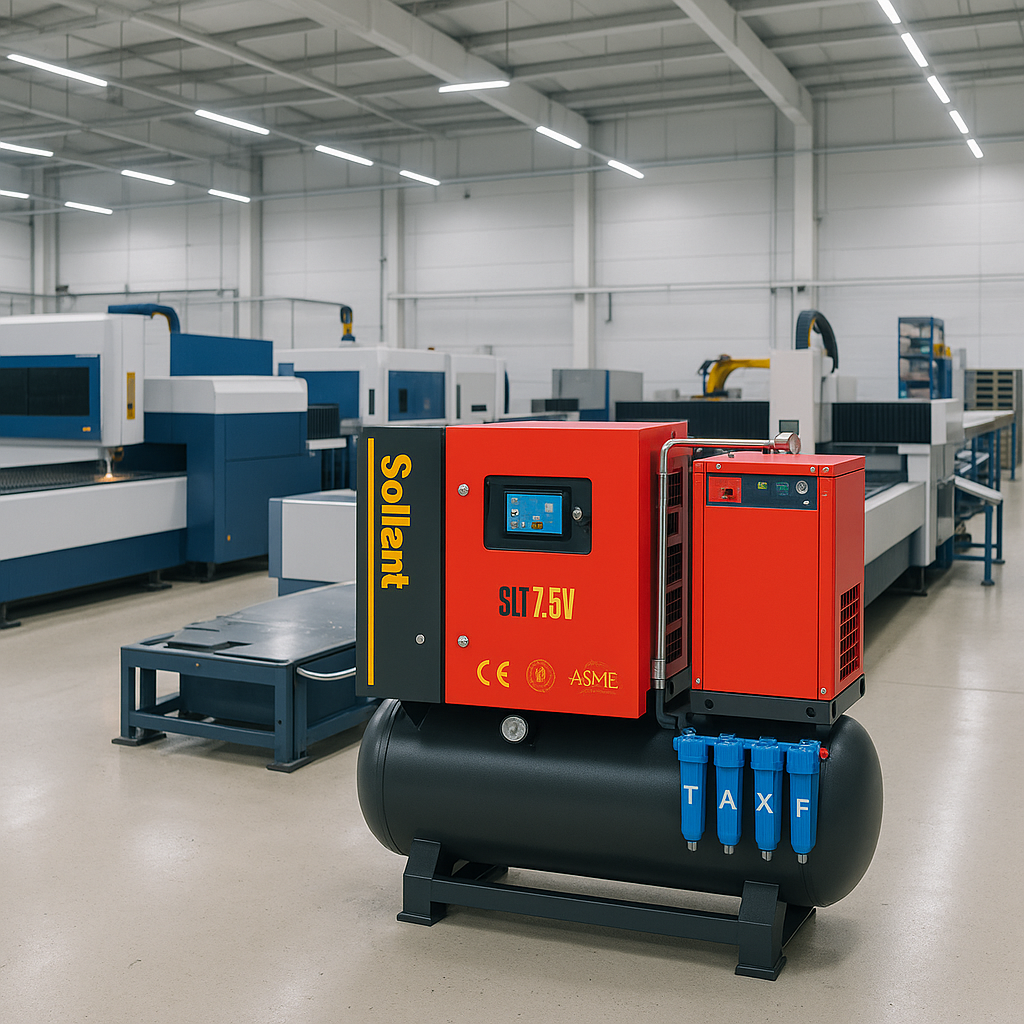
The temperature control valve may be small in size, but it plays a critical role as the “temperature manager” in a screw air compressor. When issues such as abnormal oil temperature or higher-than-normal energy consumption occur, many operators overlook this essential component. This guide explains what a temperature control valve does, why it matters, common faults, and practical maintenance tips to keep your air compressor running efficiently.
Table of Contents
1. What Is a Screw Air Compressor Temperature Control Valve?
A screw air compressor temperature control valve automatically regulates oil flow by sensing lubricating oil temperature. Installed in the oil cooling system’s piping, it consists of a temperature-sensing element (often paraffin wax or bellows), a valve core, and a spring. It is self-operating—no external power is needed—because it responds directly to oil temperature changes.
In simple terms, it works like an automatic switch:
-
When oil temperature is low → The valve closes the cooling circuit so the lubricant bypasses the cooler and flows directly to the compressor.
-
When oil temperature reaches the set point → The valve gradually opens, directing oil through the cooler to maintain a stable temperature.
2. Why Oil Temperature Control Is Essential
Screw air compressors are sensitive to oil temperature. Operating with oil that is too hot or too cold can reduce efficiency and shorten service life. The thermostatic valve ensures the compressor is “neither too hot nor too cold” in three key ways:
-
Faster Warm-Up & Reduced Startup Wear
At startup—especially in cold weather—oil is thick and flows poorly, delaying proper lubrication. The valve keeps the cooler bypassed so the oil heats quickly, reducing dry friction wear. -
Stable Oil Temperature for Optimal Efficiency
During operation, the valve opens to direct oil through the cooler once temperatures exceed the target range (usually 70–90°C, depending on the model). This maintains viscosity, oil film strength, and compressor efficiency. -
Protection Against Overheating
If the cooling system fails and oil temperature rises excessively, some valves switch to “full open” mode to maximize cooling. This also triggers the compressor’s high-temperature alarm, preventing damage such as airend seizure or seal deterioration.
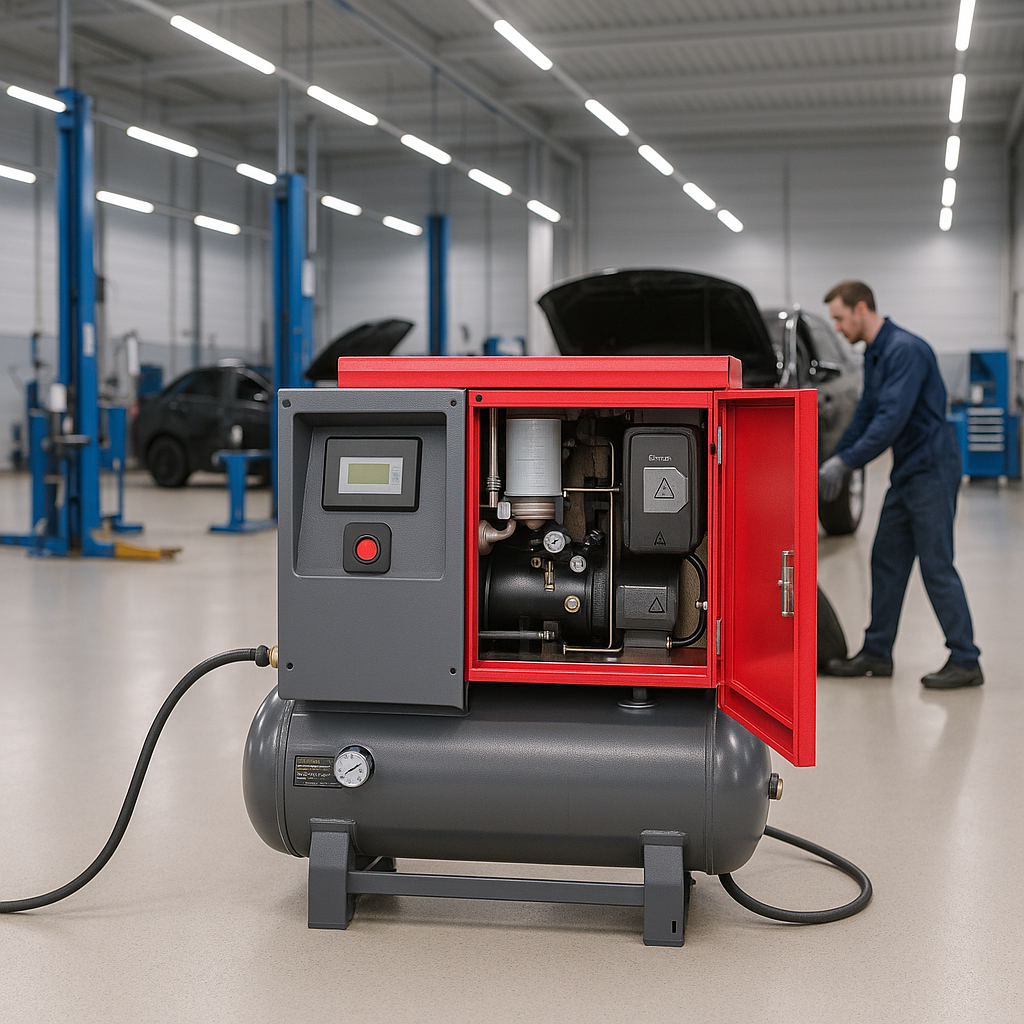
3. Common Temperature Control Valve Problems and Fixes
Even though thermostatic valves are simple, they can develop faults over time due to contamination, wear, or component fatigue.
| Symptom | Possible Cause | Solution |
|---|---|---|
| Consistently high oil temperature | Valve core stuck closed or partially open; temperature sensor element damaged | Clean the valve with solvent (e.g., kerosene); replace sensor or valve if necessary |
| Oil temperature remains low after startup | Valve stuck open; damaged or weak spring | Remove debris, replace spring or complete valve assembly |
| Rapid oil temperature fluctuations | Worn valve core seals; degraded temperature sensor | Repair or replace valve core; replace valve if sensor is faulty |
| Cooler frosting in winter | Valve not fully closing at low temperatures | Replace worn seals; insulate the cooler to maintain heat |
4. Maintenance Tips for Longer Service Life
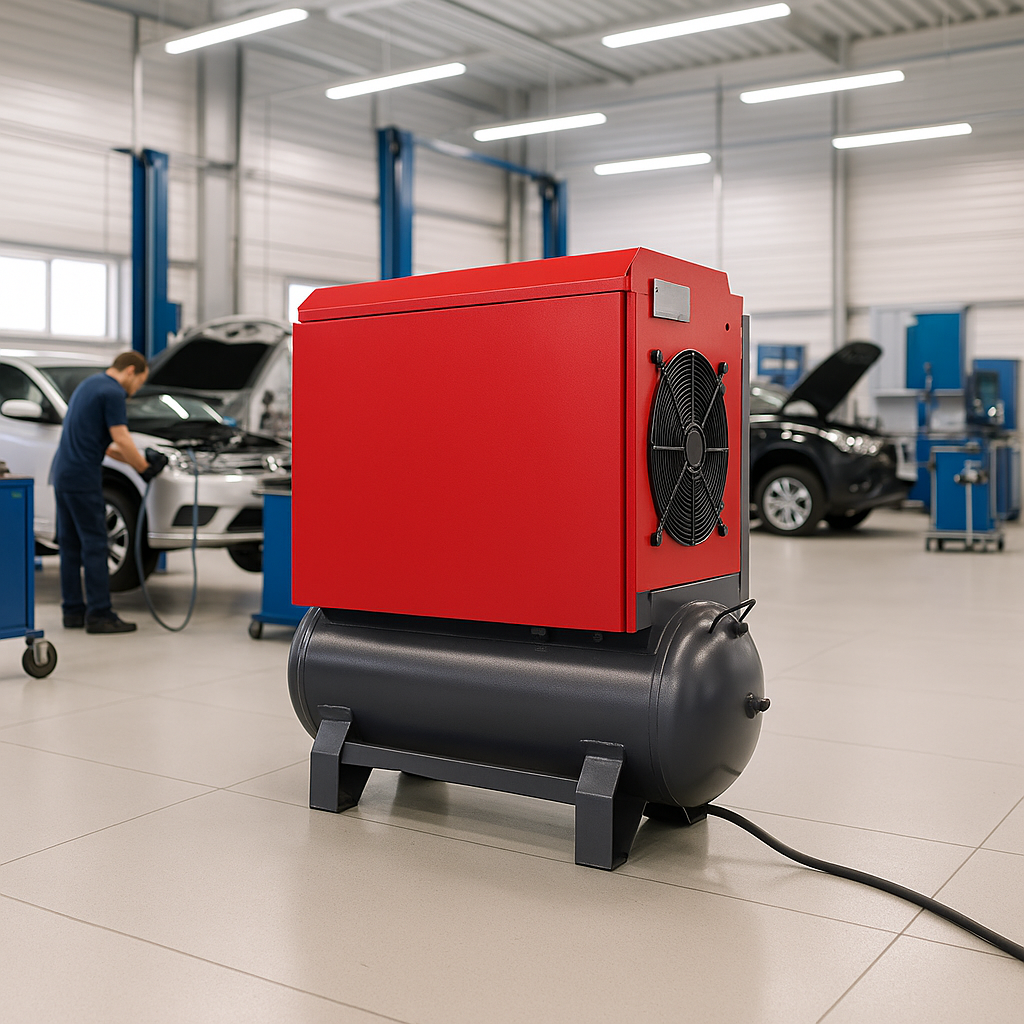
To keep the temperature control valve working properly, follow these best practices:
-
Clean during oil changes to prevent sludge buildup.
-
Inspect the sensing element for cracks or leaks and ensure smooth valve movement.
-
Monitor oil temperature behavior after installing a new compressor or completing major repairs to verify correct valve operation.
-
Service every 2,000–3,000 hours or per manufacturer recommendations.
Final Thoughts
The screw air compressor temperature control valve may be small, but it’s essential for protecting the compressor, reducing wear, and ensuring stable operation. Understanding its role and maintaining it properly can help prevent costly downtime and extend the life of your equipment.
Troubleshooting Oil-Free Air Compressors: Keep Your Equipment in Top Shape!
Request a Quick Quote Now
How to do my business well ?
- Market situation
- Technology configuration
- Strike Price
- exclusive agency
- Import and export assistance
- More…

