
Why Screw Air Compressors Leak Oil and What You Can Do
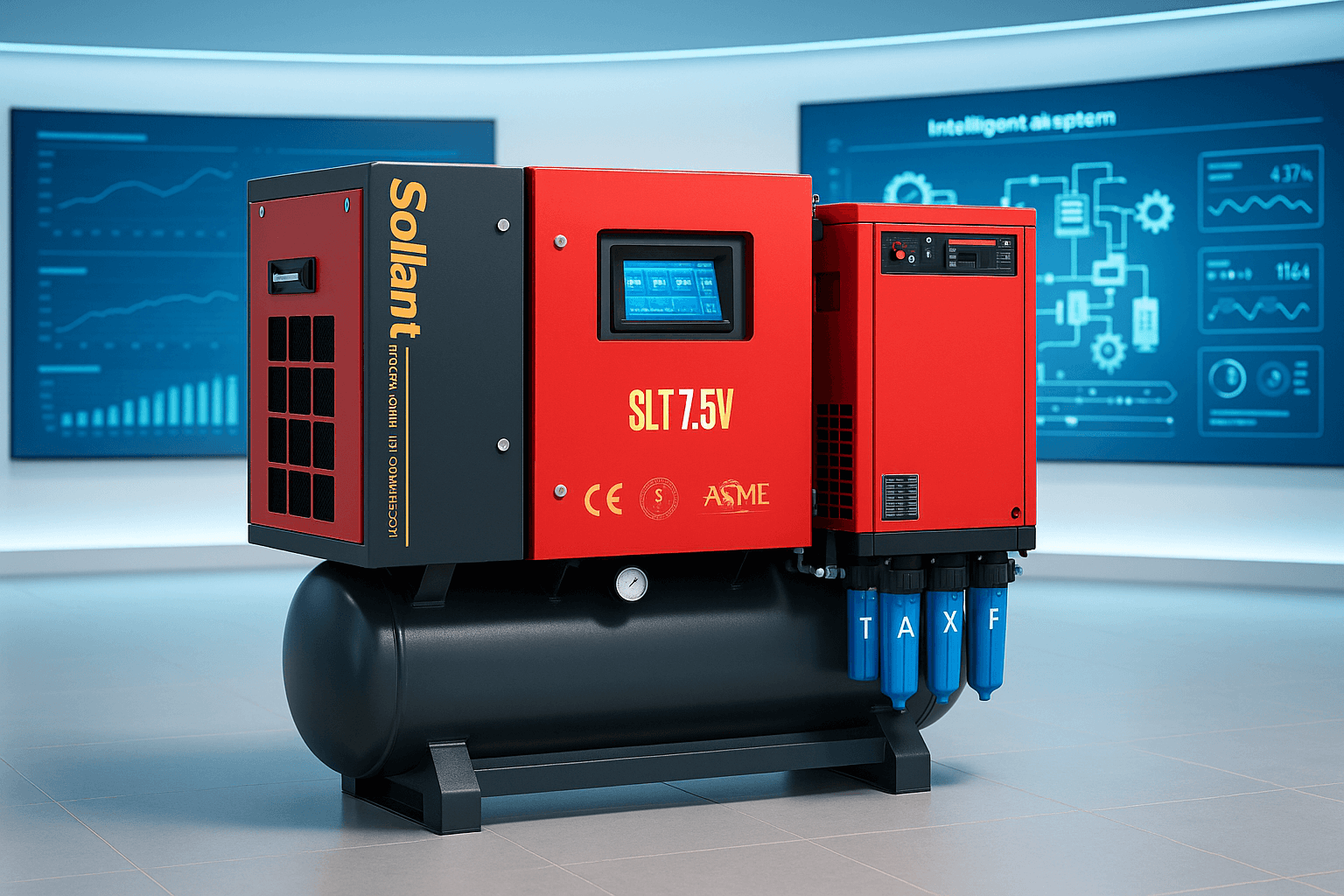
You may notice oil leaking from your screw air compressors and wonder what causes this issue. Common reasons include worn seals, poor gasket installation, overfilled reservoirs, and blocked valves. The table below highlights typical oil leak causes:
Cause | Description |
|---|---|
Oil Seepage | Often results from aging seals or loose connections. |
Oil Dripping | Usually caused by poor sealing and pressure fluctuations. |
Oil Spraying | Linked to a blocked oil cooler. |
Quick action matters. Oil leaks reduce the efficiency of screw air compressors, raise the risk of overheating, and can force you to shut down your air system. Regular maintenance of your air compressors helps you spot and fix leaks early, keeping your equipment reliable.
Table of Contents
Key Takeaways
Regularly inspect seals and gaskets for wear. Replace any damaged parts to prevent oil leaks.
Maintain the correct oil level in your compressor. Overfilling can cause leaks and damage equipment.
Use high-quality parts and oil for repairs. This helps ensure your compressor runs efficiently and reduces leaks.
Perform routine maintenance checks. Regular inspections can catch leaks early and save you money on repairs.
Train your staff on best practices. Proper training helps minimize leaks and improves overall compressor reliability.
Causes of Air Compressor Oil Leaks
Understanding the main causes of oil leaks in screw air compressors helps you prevent downtime and costly repairs. You can address these issues early by knowing what to look for in your compressor system.
Worn Seals and Gaskets
Seals and gaskets play a critical role in keeping oil inside your screw air compressor. Over time, these parts wear out due to constant pressure, temperature changes, and exposure to oil. When a seal or gasket ages, it loses elasticity and may deform, allowing oil to escape. You might notice oil leakage around joints or connections. Improper installation or unclean surfaces can make the problem worse. If you do not replace worn seals or gaskets promptly, oil leaks will continue and may damage other compressor components.
Worn seals and gaskets often result from aging and deterioration of materials.
Improper installation or dirty surfaces can cause leaks.
Long-term use leads to excessive wear and deformation, making oil leakage more likely.
Oil seals may lose elasticity, causing oil to splash or leak.
Improper Installation or Maintenance
Improper installation or poor maintenance practices often lead to oil leaks. If you do not install seals, gaskets, or fittings correctly, gaps can form and allow oil to escape. Loose connections from vibration or inadequate tightening also contribute to leakage. Regular maintenance is essential. When you skip routine checks, you risk missing early signs of oil leaks or worn parts. Damaged seals and gaskets, loose fittings, and worn piston rings all increase the chance of oil escaping from your compressor.
Damaged seals and gaskets from poor installation let oil leak through gaps.
Loose fittings and connections, often caused by vibration, result in leaks.
Overfilled oil reservoirs create pressure that forces oil out.
Worn piston rings allow oil to leak, reducing compressor efficiency.
Overfilling Oil Reservoir
Adding too much oil to your screw air compressor can cause several problems. Overfilling increases pressure inside the reservoir, forcing oil past seals and into the air stream. This not only leads to oil leaks but also contaminates the compressed air supply. You may notice oil in your air lines or tools, which can harm sensitive equipment. Overfilling also reduces the effectiveness of the oil separator, causing more oil to escape. Industries that require clean air, such as food processing, face higher risks from oil contamination.
Risk Description | Impact |
|---|---|
Contamination of air supply | Excess oil escapes into the compressed air stream, contaminating lines and tools. |
Operational inefficiencies | Accumulated oil restricts airflow, causing pressure drops and higher energy costs. |
Damage to components | Overfilling can cause premature wear and failure of bearings and seals. |
Faulty Components
Faulty or worn components are another common cause of oil leaks in screw air compressors. The air end, oil cooler, and oil separator are frequent sources of leakage. High temperatures and pressures can damage the oil cooler and its lines, leading to leaks. Deteriorating gaskets and seals in these areas often allow oil to escape. If you notice oil around the air end or oil separator, you should inspect these parts for wear or damage.
Faulty Component | Description |
|---|---|
Deterioration leads to frequent oil leaks. | |
Loose Connections | Oil escapes if not properly tightened. |
Damaged Oil Cooler | High temperatures and pressures can cause leaks in the oil cooler. |
Oil Separator | Leaks can develop around seals and gaskets. |
Gaskets and seals deteriorate, causing oil leaks.
Air end seals wear out over time, leading to leakage.
Oil cooler and lines often leak due to high temperatures and pressure.
Oil separator leaks may develop around seals and gaskets.
Blocked Valves
Blocked check valves or vent valves can increase pressure inside your compressor. When these valves clog, oil and gas fill the casing, raising internal pressure. This pressure forces oil past weak seals, resulting in leaks. You may also notice increased resistance in the piston and higher fuel consumption. Regular cleaning and inspection of valves help prevent these issues. If you ignore blocked valves, oil leakage can worsen and lead to more serious compressor problems.
Tip: Always check for blocked valves during routine maintenance. Keeping valves clean reduces the risk of oil leaks and extends the life of your screw air compressor.
Oil leaks in screw air compressors can also harm the environment. Leaked oil may contaminate soil and water, and create slippery surfaces that increase the risk of workplace accidents. Environmental factors, such as temperature changes, can speed up the degradation of seals and gaskets, making oil leakage more likely.
Fixing Oil Leaks in Screw Air Compressors
When you notice oil leaks in your screw air compressor, you need to act quickly. Addressing the root causes with the right solutions helps you avoid downtime and costly repairs. Follow these steps to fix oil leakage and keep your compressor running efficiently.
Inspect and Replace Seals
Start with a thorough visual inspection. Look for oil traces around seals, o-rings, and hose connections. Oil puddles or stains on the floor beneath the compressor often signal a leak. If you see any signs of oil leakage, you should regularly inspect seals and oil lines to ensure they remain in good working condition. Worn or damaged seals lose elasticity and allow oil to escape. Replace any faulty oil seal immediately to prevent further leakage.
Sollant offers high-quality seals and oil seal replacements designed for durability and a perfect fit. Using reliable parts from Sollant ensures your screw air compressors maintain optimal performance and minimize oil leaks.
Tip: Timely detection and repair of worn seals can prevent more serious compressor damage.
Correct Gasket Installation
Improper gasket installation often leads to oil leaks. You need to check all seals, gaskets, and hose connections periodically for signs of oil leakage. Replace worn or damaged gaskets and tighten fittings appropriately. Proper installation prevents gaps and ensures a tight seal.
Action | Description |
|---|---|
Check | Inspect all seals, gaskets, and hose connections periodically for signs of oil leaks. |
Fix | Replace worn or damaged seals and gaskets. Tighten fittings appropriately. |
Sollant’s advanced gaskets and installation support help you achieve a leak-free system. Their parts meet strict quality standards, reducing the risk of oil leakage.
Adjust Oil Levels
Maintaining the correct oil level is essential for preventing oil leaks. Using the right compressor oil helps avoid breakdown and premature wear of seals. Always follow manufacturer recommendations for oil type and quantity. Regularly check and adjust oil levels according to specifications.
Check the oil level before daily operation.
Use a dipstick or sight gauge to maintain proper oil levels.
Oil level monitoring prevents overfilling, which can force oil past seals and into the air stream. Sollant recommends using their approved oils for best results and longer compressor life.
Replace Faulty Parts
Faulty components such as oil coolers, separators, or lines often cause persistent oil leaks. You should regularly inspect seals, oil lines, and other critical parts. Keep oil clean by replacing it on schedule to avoid contamination. Maintain oil filters and oil separators to ensure effective separation of oil and air.
Look for visible oil traces around seals, o-rings, gaskets, and hose connections.
Check for oil puddles or stains on the floor beneath the compressor.
Monitor the oil gauge for a faster-than-usual decrease in oil levels.
If you find any damaged or worn parts, replace them with high-quality Sollant components. Their durable parts help you reduce downtime and extend the life of your screw air compressor.
Clean or Replace Valves
Blocked or malfunctioning valves increase internal pressure and cause oil leaks. Disassemble and inspect components such as the valve core and spring if the oil return check valve or minimum pressure valve malfunctions. Replace any worn-out or damaged components with new ones of the same specification and model promptly.
You can also implement intelligent detection technologies, such as pressure sensors and flow sensors, to monitor the valve’s working status in real time. Developing a valve fault diagnosis model and using machine-learning algorithms to analyze sensor data can help you detect faults early.
Sollant provides advanced valve solutions and technical support to help you maintain a reliable air system. Their customizable parts ensure compatibility and long-term performance.
Note: Regular cleaning and timely replacement of valves prevent oil leaks and keep your compressor operating safely.
By following these steps, you address the most common causes of air compressor oil leaks. Sollant’s high-quality parts and expert support give you confidence in every repair.
Prevent Air Compressor Oil Leaks with Sollant
Routine Maintenance Tips
You can prevent air compressor oil leaks by following a consistent maintenance routine. Regular checks help you spot early signs of oil leakage and avoid costly repairs. Industry experts recommend these steps:
Check the oil level daily to ensure proper lubrication and prevent overheating.
Change the oil and oil filter every three months to keep the compressor clean and efficient.
Inspect and test pressure relief valves every quarter to avoid over-pressurization.
Examine seals and gaskets for wear and replace them as needed to stop leaks.
Tighten all connections and make sure you do not overfill the oil reservoir.
By sticking to these habits, you reduce the risk of oil spillage and keep your screw air compressor running smoothly.
Use Quality Parts and Oil
Using high-quality parts and oil is essential to prevent air compressor oil leaks. Sollant’s advanced components feature high-density filter material with nano-electroplating. This technology ensures uniform pore size, low filter resistance, and high filtration accuracy. You get better removal of impurities, which extends the life of your compressor and reduces the risk of oil leakage. Always use the recommended oil and replace the oil seal with Sollant’s durable options for reliable performance.
Feature | Description |
|---|---|
High-density filter material | Advanced nano-electroplating for enhanced performance. |
Uniform pore size | Low filter resistance and high flow capacity to prevent oil leaks. |
High filtration accuracy | Removes impurities, prolongs equipment life, and reduces the risk of leaks. |
Regular System Inspections
Routine inspection helps you detect oil leaks before they become serious. You should perform a visual inspection daily and follow this schedule:
Frequency | Action |
|---|---|
Daily | Check for unusual sounds, vibration, leaks, or alarms on the controller. |
Monthly | Repeat daily checks and look for oil spillage or leakage. |
Quarterly | Check hour meter and maintenance schedule. Inspect seals, gaskets, and oil lines. |
Semi-Annual | Perform quarterly checklist and replace worn parts. |
Annual | Change lubricant, air/oil separator, and perform all quarterly checks. |
You can also use ultrasonic leak detection or soap bubble testing on pressurized joints. Record any air loss and repair or replace faulty components right away.
Staff Training and Best Practices
Proper staff training helps you minimize oil leaks and improve compressor reliability. Train your team to:
Troubleshoot and identify issues like oil leakage or air leaks.
Perform regular maintenance tasks, including oil changes and preventive checks.
Optimize compressor performance by adjusting parameters and reducing air loss.
When your staff understands the causes of oil leaks and follows best practices, you create a safer and more efficient work environment. Sollant offers training and support to help your team master these skills.
Tip: Consistent maintenance, quality parts, regular inspection, and skilled staff form the best defense against oil leaks in screw air compressors. Sollant’s customizable solutions and expert support help you achieve long-term reliability.
When to Call a Professional
Signs of Serious Oil Leaks
You may handle minor oil leaks in screw air compressors with routine checks and simple repairs. However, some warning signs mean you need expert help right away. Watch for these issues:
Visible oil traces around the seal, gasket, or compressor connections
Oil puddles or stains under the compressor
Rapidly decreasing oil level on the gauge
Oil in air lines or airline tanks
Unusual noises or changes in compressor performance
Oil mist or fumes near the compressor
Deterioration or wear on seals and hoses
If you notice any of these problems, you should stop the compressor and contact a professional. Serious oil leakage can damage your equipment and disrupt your operations.
Benefits of Sollant Service
Sollant provides specialized solutions for air compressor oil leaks. You get access to a global service network and expert technicians who understand every part of your screw air compressor. Sollant’s team uses advanced diagnostic tools to find the source of the leak and recommend the best repair. They supply high-quality seals, oil seal replacements, and other parts designed for durability. You receive support for installation, maintenance, and ongoing system checks. Sollant’s professional service ensures your compressor operates safely and efficiently.
Note: Sollant’s support team responds quickly to minimize downtime and keep your air system running.
Avoiding Downtime
Timely detection and repair of oil leaks protect your business from costly interruptions. Regular professional maintenance helps you catch small issues before they become emergencies. The table below shows how expert intervention keeps your system reliable:
Benefit | Impact on Your Operation |
|---|---|
Preventive maintenance | Extends compressor life and reduces emergency repairs |
Routine inspections | Identifies oil leakage early and avoids major breakdowns |
Fast, expert repairs | Minimizes downtime and production losses |
You maintain productivity and avoid unexpected shutdowns by trusting Sollant’s professional team. Their experience with screw air compressors means you get the right solutions for every oil leak.
To fix and prevent air compressor oil leaks, you should follow these steps:
Inspect and replace seals or gaskets at the first sign of oil leakage.
Monitor oil levels and pressure to avoid overfilling or excessive strain.
Use only high-quality oil and original parts, such as Sollant’s oil seal, for reliable results.
Schedule regular maintenance to catch minor leaks early and extend compressor life.
“Using original parts and replacing the shaft seal together ensures maintenance meets pressure test standards.”
Routine care and quick action keep your air system efficient. If you spot a persistent leak, seek professional support to protect your equipment and maintain long-term reliability.
FAQ
What should you do first if you notice oil leaking from your screw air compressor?
Check the seals, gaskets, and oil level right away. Look for visible oil traces or puddles. Tighten any loose fittings. If the leak continues, replace worn parts with Sollant’s high-quality components.
How often should you change the oil in your screw air compressor?
Change the oil every three months or after 2,000 hours of operation. Use only the recommended oil type. Regular oil changes help prevent leaks and extend compressor life.
Can you use any seal or gasket for repairs?
No. Always use seals and gaskets that match your compressor’s specifications. Sollant offers durable, compatible parts designed for long-lasting performance and a perfect fit.
Why does overfilling the oil reservoir cause leaks?
Overfilling increases internal pressure. This pressure forces oil past seals and into the air stream. You risk damaging seals and contaminating your compressed air supply.
Tip: Always keep the oil level at 2/3 full on the sight gauge for best results.
Request a Quick Quote Now
How to do my business well ?
- Market situation
- Technology configuration
- Strike Price
- exclusive agency
- Import and export assistance
- More…

