
Step-by-Step Guide to Maintaining Your Air Compressor
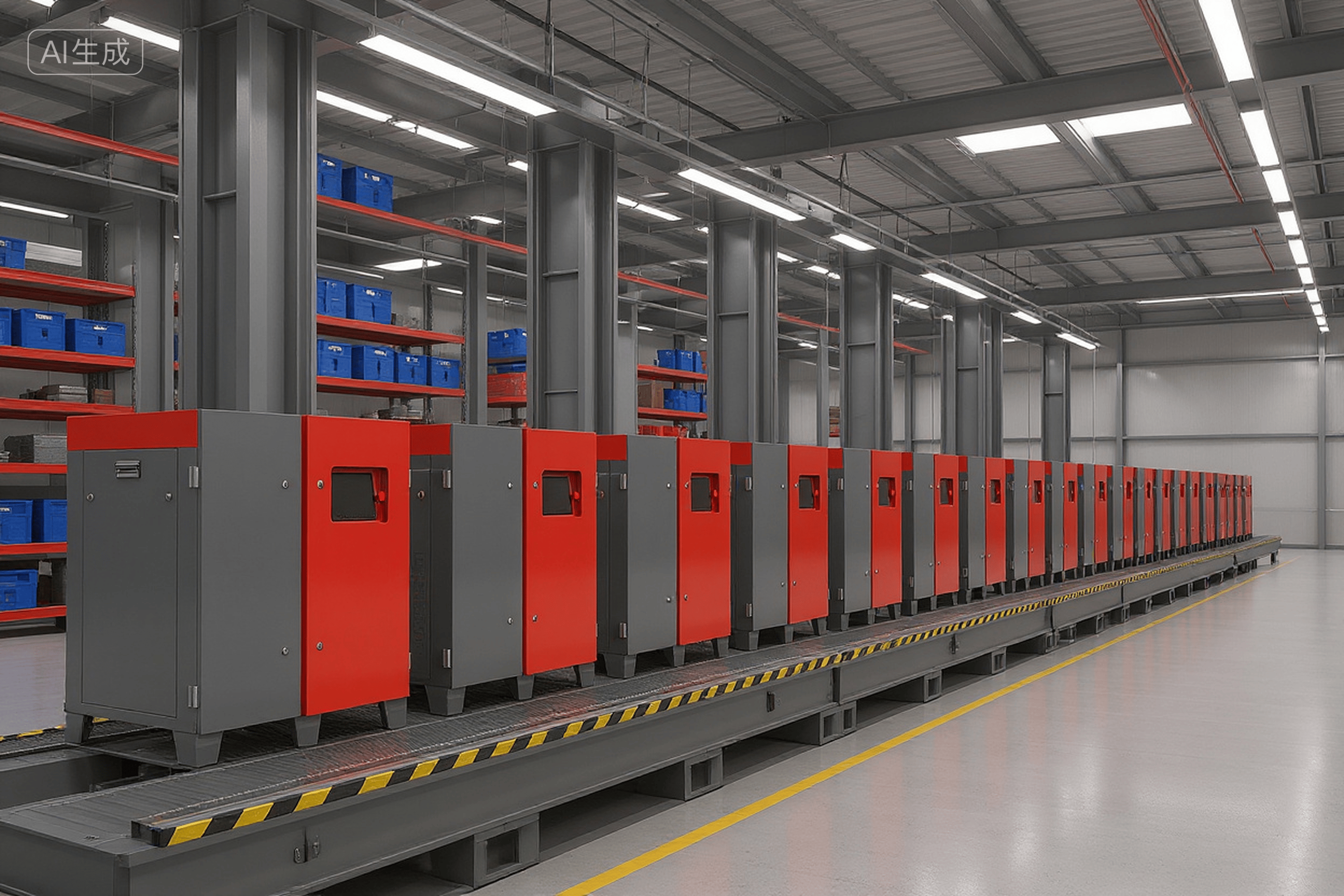
You want your air compressor to last longer and work better, right? Regular maintenance makes a huge difference. By following simple steps, you can stop breakdowns and keep your machine running strong. If you skip these steps, you might end up paying hundreds or even thousands more each year:
Dirty air filters can add $1,265 to your energy bill.
Small leaks can waste half your compressor’s output and cost over $2,500.
Sollant builds reliable rotary screw air compressors and advanced parts. Use this guide to keep your equipment working smoothly.
Table of Contents
Key Takeaways
Taking care of your air compressor helps it last longer. Check your machine every week. Fix small problems before they get worse.
Preventive care helps you save money. Regular checks make repairs cheaper. They also lower your energy bills. This helps your business work better.
Safety is very important! Always turn off your compressor before you work on it. Unplug it first. Wear safety gear. Follow the right steps to stay safe.
Change oil and filters when needed. New oil and clean filters help your compressor work well. They stop big breakdowns from happening.
Keep a log for maintenance. Write down your checks. This helps you see patterns. It makes sure your air compressor stays dependable.
Maintenance Benefits
Longer Equipment Life
You want your air compressor to work for many years. Doing regular preventive maintenance helps make this happen. When you check and service your machine, you find small problems early. This stops them from becoming big problems. Studies show that maintenance and good conditions help your air compressor last longer. You can avoid sudden breakdowns and keep your equipment working well. This means you get more years of use and fewer problems.
Tip: Check your air compressor every week. Small checks now can stop big repairs later.
Lower Costs
No one likes getting surprise bills. Preventive maintenance helps you avoid these costs. Taking care of your air compressor means you spend less on repairs and energy. Here is how you save money:
Preventive maintenance protects your machine and keeps it working.
Routine checks by a technician stop big breakdowns before they happen.
Regular inspections help lower your energy bills.
You avoid emergency repair costs and keep your budget safe.
Preventive maintenance costs less than fixing a big problem.
You save money and your business runs better.
Stable Performance
A well-maintained air compressor works well every day. You get steady airflow and fewer stops. Preventive maintenance helps your machine work better and stops surprise breakdowns. Your machine runs at its best, so you can focus on your work. Over time, you see fewer slowdowns and more steady results.
Remember: A little care helps a lot. Preventive maintenance keeps your air compressor strong and steady.
Air Compressor Safety
Before you start any maintenance, you need to think about safety first. Air compressors can be powerful and dangerous if you do not follow the right steps. Let’s break down what you should do to stay safe.
Power Off
Always turn off your air compressor before you touch anything. Unplug it from the power source. This step keeps you safe from electric shock and moving parts. Wait for the pressure to drop to zero. Release any stored air by opening the drain valve. Never skip this step, even if you are in a hurry.
Tip: Double-check that the machine is off and unplugged before you begin. Safety comes first every time.
Tools Needed
You do not need fancy tools to stay safe. Here is a quick list of what you should have ready:
Safety goggles to protect your eyes
Gloves to keep your hands safe
Wrenches and screwdrivers for basic tasks
A flashlight for dark spots
Rags for cleaning up spills
If you plan to check for air leaks, you might want a spray bottle with soapy water. This helps you spot bubbles where air escapes.
Safety Tips
You want to avoid accidents and injuries. Here are some important safety tips you should always follow:
Description | |
|---|---|
Equipment-Related Hazards | Lubrication system failure or valve wear can cause big problems. |
Operational Hazards | Skipping lockout/tagout steps can lead to serious injuries. |
Management Hazards | Delaying oil changes or not managing parts can create risks. |
Environmental Hazards | Air tank or pipeline failures can even cause explosions. |
Follow these industry safety standards:
Get training on how to use and fix your air compressor.
Wear personal protective equipment every time.
Inspect your compressor and tools before you start.
Make sure your compressor is installed in a safe spot and grounded.
Label and secure all parts to prevent mistakes.
You should also:
Use a pre-start checklist to look for damage or leaks.
Start and stop your compressor the way the manual says.
Watch the gauges and listen for strange noises while it runs.
Use the right pressure and nozzles for each job.
Know where the emergency shutoff is and how to use it.
Note: Keep a record of your inspections and maintenance. This helps you spot problems early and keeps your air compressor running safely.
Change Oil
Changing the oil in your air compressor is one of the most important things you can do. Fresh oil keeps everything running smoothly and helps your machine last longer. Old oil can cause big problems, so don’t skip this step.
When to Change
You might wonder how often you should change the oil. The answer depends on the type of oil you use. Here’s a quick table to help you remember:
Oil Type | Change Interval |
|---|---|
Standard Oil | |
Food Grade Oil | Every 2,000 hours or 3 months |
If you use your air compressor every day, check the oil level often. If you see the oil getting dark or dirty, it’s time for a change. Following these intervals helps you avoid costly repairs and keeps your machine working its best.
How to Change
Changing the oil isn’t hard, but you need to do it right. Here’s a simple step-by-step guide:
Turn off your air compressor and unplug it.
Let the machine cool down.
Find the oil drain plug and place a container underneath.
Remove the plug and let the old oil drain out.
Replace the plug and fill with new oil up to the recommended level.
Wipe up any spills and check for leaks.
Tip: Always use clean containers and tools. Dirty tools can contaminate your new oil.
If you forget to change the oil, you risk:
Damage to important parts from friction
Compressor breakdowns and expensive repairs
Shorter machine life
Dirty air that can harm your tools and products
Oil Types
Choosing the right oil makes a big difference. Leading manufacturers recommend special oils for rotary screw air compressors. Here are some options:
Oil Type | Product Name | Features |
|---|---|---|
Synthetic Compressor Oil | Monolec® Syn Industrial Oil | Great for industrial use, long life |
Food Grade Synthetic Oil | Safe for food and pharma, NSF H1 compliant | |
Polyalkylene Glycol-Based Oil | Ultra Coolant | Resists varnish and foaming |
Extended-Life Synthetic Oil | Ultra Plus (Ultra EL) | Lasts longer, good for heavy-duty jobs |
Sollant recommends using high-quality synthetic oils for the best results. Their support team can help you pick the right oil for your needs. If you have special requirements, Sollant offers customized solutions and expert advice.
Note: Using the right oil and changing it on time keeps your air compressor running strong and saves you money.
Replace Filters
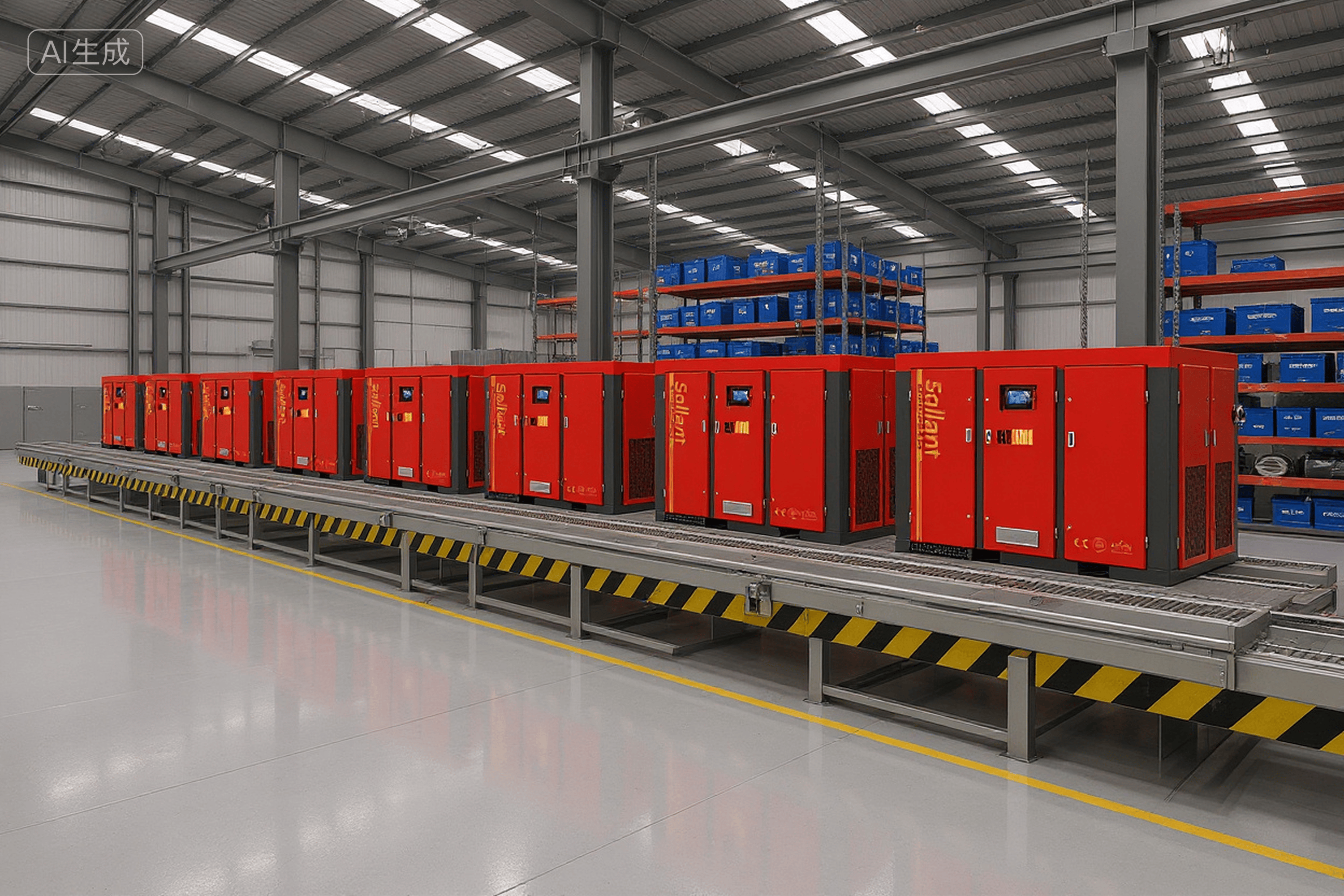
Changing filters is one of the easiest ways to keep your air compressor running well. Clean filters help your machine work better and last longer. Dirty filters can slow things down and even cause damage. Let’s look at the three main filters you need to check and replace.
Air Filter
The air filter keeps dust and dirt out of your air compressor. If you let the filter get clogged, your machine has to work harder. This uses more energy and can wear out parts faster. You should check your air filter often. Most people replace it at least once a year. If you work in a dusty place, you might need to change it every six months.
Tip: A clean air filter means cleaner air for your tools and products.
Sollant offers advanced air filters with high-density materials. These filters trap more dirt and last longer. You can even ask for custom filters if you have special needs.
Oil Filter
The oil filter keeps the oil clean inside your air compressor. Clean oil helps all the moving parts work smoothly. If the oil filter gets dirty, it can let dirt and metal bits move through the system. This can cause damage and make your machine break down.
Replace your oil filter at least once a year.
In tough conditions, change it every six months.
Sollant’s oil filters use nano-plating and strong materials. They work well even in hot or harsh places.
Separator
The separator filter removes oil from the compressed air before it leaves the machine. This keeps your air clean and protects your tools. A good separator also helps your air compressor use less energy.
Here’s a quick look at how advanced filters help:
Technology Type | Benefit |
|---|---|
Flange-style separators | |
Activated carbon filters | Ensure air purity |
Intelligent control systems | Optimize filter use and save energy |
High-quality filters lower energy use.
The right filter media is important.
Flow-optimized housings help meet strict air standards.
Sollant can customize separator filters for your needs. Their filters are strong, reliable, and easy to install.
Note: Replacing filters on time keeps your air compressor working its best and saves you money.
Inspect Belts
Check Condition
You want your air compressor to run smoothly every day. One important step is to inspect belts and pulleys. Belts help transfer power from the motor to the compressor. If a belt gets worn out, your machine can slow down or even stop working.
Take a close look at the belts. Here are some signs that tell you it’s time for a check:
Cracks on the ribs. If you see random cracks, the belt is getting weak.
Missing chunks. Pieces missing from the belt mean it’s worn out and needs attention.
Abrasions on the back or sides. Tears or loose threads show damage from rubbing or poor fitting.
You should also check if the belt feels loose. A loose belt can make your compressor work harder and use more energy. When belts are tight and in good shape, your air compressor runs better and produces more air.
Tip: Make it a habit to check the belts every month. You’ll catch problems early and avoid big repairs.
Here’s a quick list of why belt condition matters:
Regular checks and adjustments keep your compressor stable.
Proper tension helps your machine work at its best.
Replace if Worn
If you spot any of those warning signs, don’t wait. Replace the belt right away. Worn belts can break without warning and cause your compressor to stop. You might lose valuable time and money.
Follow these steps when you need to change a belt:
Turn off the compressor and unplug it.
Let the machine cool down.
Remove the old belt carefully.
Put on the new belt, making sure it fits snugly.
Check the pulleys for dirt or damage before you finish.
After you install the new belt, run the compressor for a few minutes. Listen for strange noises and watch for smooth operation. If everything looks good, you’re set!
Note: Always use the right size and type of belt for your compressor. If you’re not sure, ask a professional or contact Sollant’s support team for help.
Keeping your belts in top shape means your air compressor will stay reliable and efficient. You’ll spend less on repairs and get more work done.
Clean Components
Intake Vents
You want your air compressor to breathe easy. Clean intake vents help your machine pull in fresh air and keep dust out. If vents get clogged, your compressor works harder and might overheat. Here’s how you can keep those vents in top shape:
Wipe down the outside of your compressor to remove dust and dirt.
Use a brush or compressed air to clean vents and cooling fins.
Check the air intake filter. Make sure it’s clear and not blocked.
Clean or replace the filter if you see dirt or damage.
In dusty places, clean intake vents and pipes more often.
Tip: A clean vent means your compressor runs cooler and lasts longer.
Connections
Loose or dirty connections can cause leaks and lower your compressor’s power. You want every part to fit tight and stay clean. Here’s what you should do:
Inspect all air lines and connections for cracks or wear.
Look for leaks by listening for hissing sounds or using soapy water to spot bubbles.
Make sure all fittings are sealed and secure.
Clean around the connections to stop grime from building up.
If you find a problem, fix it right away. Tight connections help your compressor work better and save energy.
Lubrication
Lubrication is like giving your compressor a drink of water. It keeps everything moving smoothly and quietly. When you oil the moving parts, you cut down on friction and heat. This helps your compressor last longer and work better.
Regular lubrication does a lot for your machine:
Dissipates heat during operation
Seals clearances to stop leaks
Prevents rust and corrosion
Lowers your maintenance costs
Note: Always use the right oil and follow your compressor’s manual. Good lubrication means fewer breakdowns and a longer life for your air compressor.
Monitor Parameters
Watching your air compressor’s main numbers helps you avoid problems. You do not need special tools to get started. Just look at a few important things each time you use your machine.
Pressure
Pressure is very important for your air compressor. If the pressure goes too high or too low, you might have weak airflow or damage. Most rotary screw air compressors work best at 145–160 psig (10–11 barg). Some machines are made for lower pressure, like 100 psig (7 barg).
Pressure Type | Pressure Range (barg) | Pressure Range (psig) |
|---|---|---|
Operating Pressure | 10–11 | 145–160 |
Design Pressure | 7 | 100 |
Check your pressure gauge often. If the number is not normal, stop and check for leaks or blockages. Watching the numbers in real time helps you find problems early. Some systems can even send you alerts if something changes, so you can fix it fast.
Tip: Write down your pressure numbers in a log. This helps you see small changes before they become big problems.
Temperature
Temperature shows how hard your compressor is working. If it gets too hot, parts can wear out or break. Most rotary screw compressors keep air about 10–15°C warmer than the room at the inlet. The design temperature is usually 82°C (179.6°F), but most machines work best below 105°F inside.
Temperature Type | Temperature (°C) | Temperature (°F) |
|---|---|---|
Design Temperature | 82 | 179.6 |
Touch the outside of your compressor. If it feels hotter than normal, check the cooling system and vents. High heat can mean dirty filters or not enough oil. Finding heat problems early keeps your compressor safe.
Electrical
Electrical monitoring is like having extra safety. New systems let you see your compressor’s numbers from anywhere. You get alerts if the pressure drops or the temperature goes up. These warnings help you fix problems before they get worse.
What You Get | Why It Matters |
|---|---|
Solve problems before they get worse | |
Alerts for pressure or temperature | Take action quickly to prevent breakdowns |
Early warnings about irregularities | Avoid accidents and keep things running safely |
Find issues before they cause damage | Save money and reduce downtime |
You do not have to be an expert. Just watch the numbers and listen for alarms. Good electrical monitoring means fewer surprises and better performance.
Note: If you see strange numbers or get an alert, do not ignore it. Acting fast keeps your compressor working and your business safe.
Cooling System
Keeping your air compressor cool is key to making it last longer and work better. If you ignore the cooling system, you might face shutdowns or expensive repairs. Let’s look at how you can keep things running smoothly.
Check Coolers
You want your compressor to stay at the right temperature. Start by checking the coolers often. Look for dust, dirt, or anything blocking airflow. If you see buildup, clean it right away. Use a brush or compressed air to clear cooling fins and air filters. For water-cooled systems, watch the water flow and pressure. Make sure there are no leaks or scale buildup. If you use oil cooling, check oil levels and quality. Change the oil when it looks dirty or old.
Tip: Write down temperature and pressure readings every week. This helps you spot problems early.
Here’s a quick checklist for cooler maintenance:
Inspect for leaks or damage.
Clean air filters and cooling fins.
Monitor water flow and pressure.
Check oil levels and change oil as needed.
Follow your manufacturer’s maintenance schedule.
Clean Water Pipes
Water-cooled compressors need clean pipes to work well. Dirty pipes can slow water flow and make your compressor overheat. You should inspect water pipes for scale, rust, or blockages. If you find buildup, flush the pipes with clean water. Use a soft brush for stubborn spots. Make sure all connections are tight and leak-free.
Note: Routine cleaning keeps your cooling system strong and helps prevent costly downtime.
Winter Care
Cold weather brings new challenges for your compressor. When temperatures drop, water inside pipes can freeze and crack them. Before winter, drain water from the cooling system if you plan to shut down the compressor. Insulate exposed pipes to keep them safe. Check antifreeze levels if your system uses it. Run the compressor for a few minutes on cold days to keep things moving.
Seasonal changes can affect how well your cooling system works. Hot summers make it harder for your compressor to cool down. You might see high-temperature shutdowns, faster oil breakdown, and shorter part life. Stay alert and adjust your maintenance routine as the seasons change.
Alert: Always prepare your cooling system for extreme weather. This helps you avoid sudden failures and keeps your compressor working all year.
Drain Tank
Remove Moisture
You might not think about water inside your air compressor, but it can cause big problems. Every time you use your compressor, moisture builds up in the tank. If you ignore it, water collects and starts to damage your machine. You need to drain condensate from tanks regularly to keep things running smoothly.
Here’s why removing moisture matters:
Water causes corrosion. When metal meets water, rust forms fast.
Moisture messes with lubrication. Your compressor needs oil to work well, but water breaks down the oil and makes parts wear out.
Too much water leads to blockages and even icing. This can stop your compressor or damage your tools.
You can use the drain valve at the bottom of the tank. Open it slowly and let the water out. Do this after every use or at least once a week. If you work in a humid place, you might need to drain it more often.
Tip: Always check for water before you start your compressor. A quick drain keeps your machine safe and strong.
Prevent Rust
Rust is the enemy of any air compressor. If you let water sit in the tank, rust eats away at the metal. This weakens the tank and can cause leaks or even dangerous bursts. You want your compressor to last, so stopping rust is important.
Here are some simple ways to prevent rust:
Drain the tank often. Don’t let water stay inside.
Wipe down the outside of the tank to keep it dry.
Store your compressor in a dry place.
Use a moisture trap or automatic drain if you want less work.
Note: Rust not only damages your compressor, but it also hurts your tools and lowers air quality. Regular draining keeps everything working better.
If you take care of moisture and rust, your air compressor will stay reliable for years. You’ll spend less on repairs and get more work done.
Routine Checks
Keeping your air compressor in top shape is easy when you follow a simple routine. A good air compressor maintenance schedule helps you spot problems early and keeps your machine running strong. Let’s break down what you should do each day, week, month, and year.
Daily Tasks
Start your day with a quick check. Look at the oil level and make sure it’s where it should be. Drain any water from the tank to stop rust. Take a look at the gauges and listen for any strange sounds or air leaks. These small steps help you catch issues before they turn into big problems.
Weekly Tasks
Every week, spend a few minutes on deeper checks. Clean or inspect the air filters so your compressor breathes easy. Check all hoses and fittings for cracks or leaks. Make sure the belts feel tight and not worn out. Test the safety valves to be sure they work right. These weekly habits keep your air compressor safe and efficient.
Monthly Tasks
Once a month, go a little further. Change the oil filter and clean or replace the intake filter. Wipe down the coolers and check if the dryer works well. These monthly tasks help your air compressor maintenance schedule stay on track and prevent breakdowns.
Annual Inspection
At least once a year, schedule professional maintenance. Have an expert do a full oil change, replace separator elements, and swap out any worn belts. Ask them to inspect all the piping and test the shutdown systems. When you schedule professional maintenance, you protect your investment and avoid surprise repairs. Sollant’s support team can help you set up your annual inspection and answer any questions.
Tip: Keep a maintenance log. Writing down what you check and when you schedule professional maintenance helps you spot patterns, avoid shutdowns, and show you care about safety.
Here’s a handy table to guide your routine:
Frequency | Tasks |
|---|---|
Daily | Check oil, drain condensate, inspect gauges, listen for leaks |
Weekly | Clean air filters, check hoses and fittings, inspect belts, test safety valves |
Monthly | Change oil filters, replace/clean intake filters, clean coolers, check dryer operation |
Annual | Full oil change, replace separator, change belts, inspect piping, test shutdown systems |
A good air compressor maintenance schedule keeps your equipment reliable and your business running smoothly. Sollant offers expert support and resources if you ever need help.
Troubleshooting
When your air compressor acts up, you want quick answers. Let’s look at some common problems and how you can fix them.
Startup Issues
You press the start button, but nothing happens. That’s frustrating! Here’s what you can do:
Check the power cord. Make sure it’s plugged in and the switch is on.
Look at the circuit breaker. If it’s tripped, reset it.
Adjust the cut-in pressure. Sometimes, the settings are off.
Inspect the check valve and filters. Dirt or blockages can stop your compressor from starting.
Test the starter and capacitors. Use a multimeter if you have one.
Listen for humming. If you hear it, the motor might have a problem.
If you still can’t get it going, call a professional. Some issues need expert help.
Tip: Always start with the basics. Power and settings cause most startup problems.
Noise
Strange sounds can mean trouble. You might hear banging, rattling, or hissing. Here’s a quick table to help you figure out what’s wrong:
Noise Type | Possible Cause | What You Can Do |
|---|---|---|
Banging | Loose parts | Tighten bolts and screws |
Rattling | Worn belts or pulleys | Inspect and replace belts |
Hissing | Air leaks | Check hoses and fittings |
If the noise doesn’t stop, turn off your compressor and look for damage. Sometimes, a small fix solves the problem.
Note: Loud or new noises mean you should check your compressor right away.
Pressure Drops
You notice weak airflow or low pressure. That slows down your work. Here’s what you can check:
Look for air leaks in the pipes and hoses.
Clean or replace dirty filters.
Test the regulators and valves.
Make sure the compressor isn’t overloaded.
If you find a leak, fix it fast. Clean filters and working valves help keep your pressure steady.
Alert: Pressure drops often come from leaks or blockages. Regular checks keep your compressor strong.
Professional Help
When to Call
You can fix some small problems with your air compressor. You might check the oil, change filters, or tighten belts. But sometimes you need a professional. If you see a big pressure drop, there could be a leak or blockage. You should call a technician to find out what is wrong. Safety inspections are also very important. Certified technicians know how to find risks and keep your machine safe. Hard repairs, like fixing the motor or electrical parts, need trained experts. If you try to fix these yourself, you could make things worse.
Here is a simple table to help you know when to call for help:
Maintenance Scenario | Recommended Action |
|---|---|
Routine Maintenance | You can do daily and weekly jobs, but get a full checkup often. |
Diagnosing Pressure Drop | Call a technician if you see big pressure drops. |
Safety Inspections | Certified technicians should do full safety checks. |
Complicated Repairs | Let experts handle hard repairs to stop breakdowns. |
Tip: If you feel unsure or see something strange, it is safer to ask an expert.
Sollant Support
You want your air compressor to work well every day. Sollant gives you strong support to help with this. Their worldwide service team helps you whenever you need it. You can get spare parts fast, so your machine stays reliable. Sollant also teaches you how to use and care for your compressor. You can learn at their factory, at your place, or online. If you have special needs, Sollant makes custom solutions for your power and work area. They also offer OEM and ODM services for special projects.
See what Sollant can do for you:
Service Type | Description |
|---|---|
24/7 Service Support | You get help any time, day or night. |
Spare Parts Availability | Original parts are always ready for quick repairs. |
Technical Training | Learn how to use and care for your compressor with expert help. |
Customized Solutions | Get solutions made for your own needs and work area. |
OEM/ODM Services | Sollant helps with custom building and design for your business. |
If you need help, you can contact Sollant by email or phone. Their team is ready to answer your questions and fix problems fast. You can relax knowing experts are just a call away.
Note: Sollant’s support keeps your air compressor strong, so you can focus on your work.
You want your air compressor to last and work its best. Regular checks and simple care make a big difference. Take a look at what you gain:
What You Do | How It Helps |
|---|---|
Inspect and maintain | Catch problems early, avoid breakdowns |
Keep airflow strong, lower energy costs | |
Fix leaks | Save money, boost efficiency |
When you follow these steps, you save money and keep your equipment running longer. Sollant offers trusted products and support to help you get the most from your machine. Start your routine today and enjoy smooth, reliable performance.
FAQ
How often should you service your air compressor?
You should check your air compressor every week. Change the oil and filters as the manual says. Most people do a full service once a year. If you use your compressor a lot, you may need to service it more often.
What happens if you skip maintenance?
If you skip maintenance, your air compressor can break down. You might see higher energy bills, weak airflow, or even machine failure. Regular care helps you avoid big repair costs and keeps your compressor running strong.
Can you use any oil in your air compressor?
No, you should not use just any oil. Always use the oil type your compressor manual recommends. High-quality synthetic oils work best for rotary screw air compressors. If you are unsure, ask Sollant’s support team for advice.
How do you know when to replace filters?
Look for signs like weak airflow, dirty air, or higher energy use. Check your filters every month. If you see dirt or damage, replace them right away. Clean filters help your compressor work better and last longer.
Request a Quick Quote Now
How to do my business well ?
- Market situation
- Technology configuration
- Strike Price
- exclusive agency
- Import and export assistance
- More…

