
Top Tips for Troubleshooting Screw Air Compressor Faults in 2025
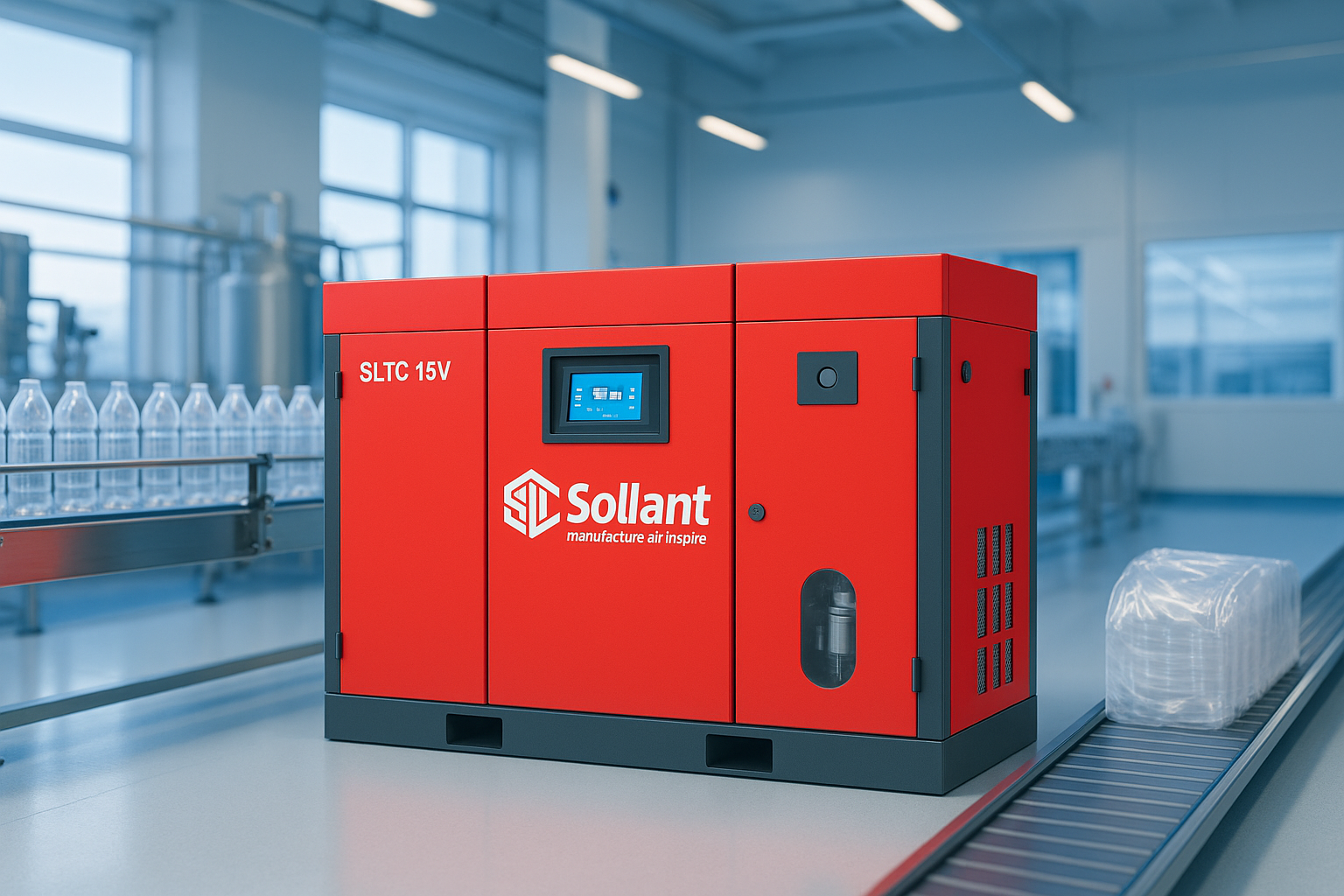
You need to find screw air compressor faults fast. This helps your work keep going. Careful troubleshooting and good maintenance stop problems. They help you avoid downtime and make things work better. Regular care helps your system give steady compressed air. It also keeps the pressure stable. You can find problems early and stop big breakdowns. Taking care of your compressor often makes it work well for a long time. Sollant gives energy-saving and strong air compressor solutions. These keep your equipment working well.
-
Doing regular maintenance helps your compressor work better and last longer.
-
Reliable systems give steady compressed air and keep pressure stable.
-
Finding problems early stops expensive breakdowns.
-
Taking care of your compressor often is important for reliability.
Table of Contents
Key Takeaways
-
Doing regular maintenance is important. It makes your screw air compressor work well. It also helps it last a long time.
-
Find problems early. If you see issues fast, you can stop big breakdowns. This keeps your work running smoothly.
-
Learn about your compressor’s parts. Knowing what each part does helps you fix problems better.
-
Try smart technology. New models have systems that warn you about problems. They tell you before things get worse.
-
Teach your team. Good training helps everyone find faults early. It also helps them take care of the compressor well.
Screw Air Compressor Fundamentals
Key Components
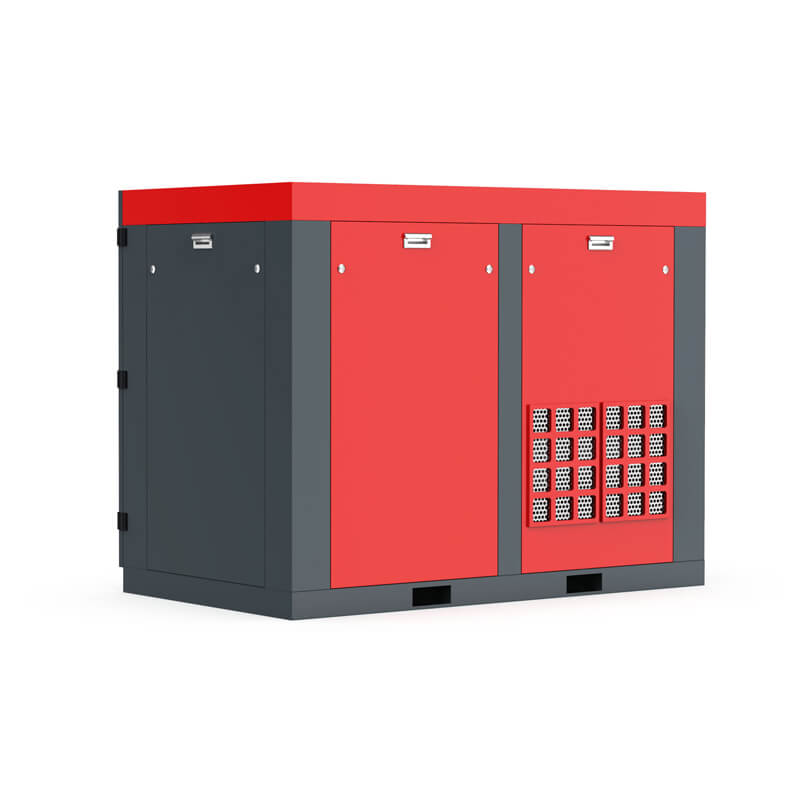
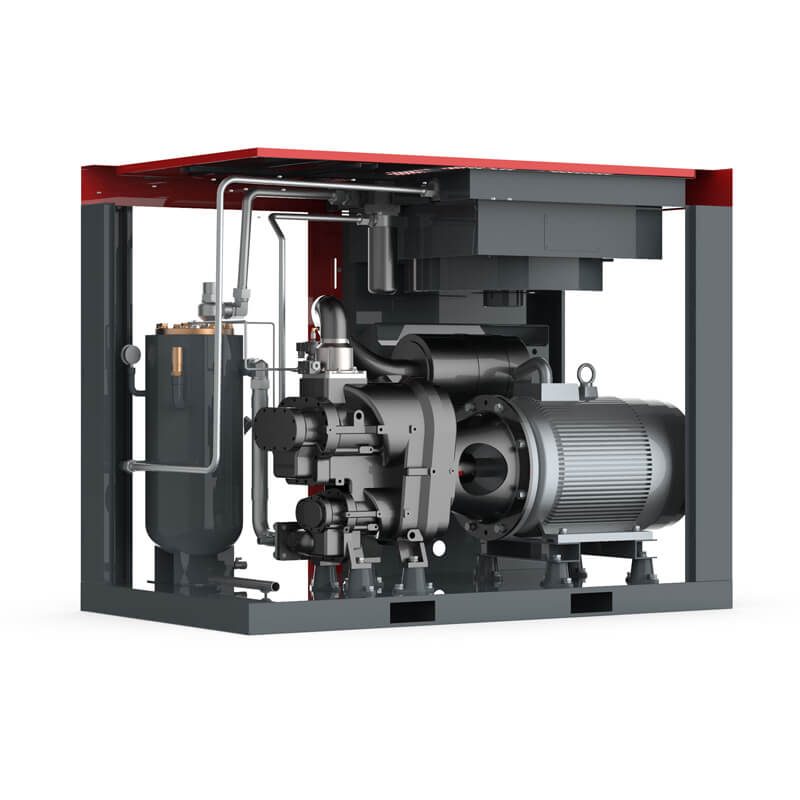
You need to know the main parts of a screw air compressor to keep it running well. Each part has a special job. When you understand these parts, you can spot problems faster and keep your system efficient.
|
Component |
Contribution to Performance |
|---|---|
|
Inlet Valve |
Controls how much air enters the compressor. This affects how much air gets compressed and the system’s efficiency. |
|
Inlet Filters |
Stops dust and dirt from getting inside. Clean filters help keep the air flow strong and prevent pressure drops. |
|
Pressure Switches |
Checks the air pressure. This keeps the compressor working safely and saves energy by stopping overuse. |
Other important parts include the screw rotors, oil separator, cooling system, and control panel. These work together to give you steady compressed air.
Tip: Clean filters and working pressure switches help your screw air compressor last longer and work better.
Working Principles
A screw air compressor uses two rotors to trap and compress air. The rotors spin in opposite directions. Air enters through the inlet valve. The rotors squeeze the air, making it smaller and raising its pressure. The compressed air then moves to your tools or machines.
You will find two main types of screw air compressors. Oil-lubricated models use oil to cool and lubricate the rotors. This helps the machine run smoothly and last longer. Oil-free models use special gears instead of oil. These give you clean air, which is important for food or medical uses.
New designs in 2025 make your compressor smarter and more efficient. Some models use variable frequency drives. These adjust the speed of the compressor to match your needs, saving up to 35% on energy. Smart monitoring systems now track your compressor in real time. They warn you about problems early and help you plan maintenance before a breakdown happens.
Common Faults in Screw Air Compressors
You can find many screw air compressor faults at work. Knowing these faults helps you fix problems fast and keep things running well. The table below lists the most common issues and what causes them.
|
Fault Description |
Common Causes and Solutions |
|---|---|
|
Air compressor does not start |
Check fuse, motor, thermal relay. Inspect pressure and temperature sensors. Verify controller program. Inspect body. |
|
Exhaust pressure too low |
Check pressure before and after separation. Inspect gas pipeline for leaks. Make sure air intake regulator works. |
|
Exhaust temperature too high |
Inspect cooling fan. Check air duct for blockages. Verify lubricating oil level. Check air filter for impurities. |
|
High oil content in the air |
Check oil level. Make sure return pipe is not blocked. Inspect oil fine separator. Verify exhaust pressure. |
|
Cannot run at full load |
Check control pipeline for leaks. Inspect capacity adjustment valve. Verify pressure sensor functionality. |
Starting Issues
Sometimes your screw air compressor will not start. This can happen if the fuse is blown or the motor is broken. The thermal relay might be bad too. Pressure or temperature sensors may cause trouble. The controller program could need checking. Look at the compressor body for damage.
Shutdowns and Protection
Your compressor might stop working all of a sudden. Motor overload protection can make it shut down. A high temperature alarm can also stop it. You should check safety devices and sensors often. Regular checks help stop these shutdowns.
Abnormal Vibrations
If your compressor shakes too much, something is wrong inside. Loose bolts or worn bearings can cause this. Rotors that are not lined up right can also be the problem. Check all moving parts and tighten anything loose.
Temperature Problems
High exhaust temperature is a common issue. Blocked air ducts or low oil can make it hot. Dirty filters can also raise the temperature. Check the cooling fan and clean the air filter. Keep the oil at the right level to control heat.
Oil-Related Faults
Sometimes there is too much oil in the air. This can happen if the oil level is too high. A blocked return pipe or a bad oil separator can also cause it. Check the oil level and look at the separator often.
Pressure Fluctuations
If the pressure goes up and down, your system will not work right. Leaks in the pipeline or a broken regulator can cause this. Check the pressure before and after separation. Look at the regulator to make sure it works.
System Leakage
Leaks in the air system waste energy and make things less efficient. You should check all pipes and joints for leaks. Fixing leaks quickly helps your compressor work better.
Unusual Noises
Strange noises mean something is wrong. Worn bearings or loose parts can make these sounds. Damaged rotors can also cause noise. Listen for changes and check the compressor if you hear anything odd.
Sollant gives you easy troubleshooting steps and tips for screw air compressor faults. You get advice from technical manuals and real experience. Sollant says regular checks and smart inspections help lower failure rates and make your equipment last longer.
Diagnosing Screw Air Compressor Faults
Electrical Checks
You can fix many problems by checking the electrical parts first. Look at the power wires and make sure they are tight. Check if the control voltage is right. Press the start button to see if the compressor works. If it does not turn on, look at the thermal relay and contactor. If it shuts off a lot, check the motor current and load parts. Make sure the thermal relay is set right. If pressure control does not work, check the pressure sensor and PLC program. Look at the control wires for problems. If the contactor turns on too much, watch the control power and check the voltage. Look at the control signals. For phase alarms, check the power wires and see if any lines are blown.
Mechanical Inspections
You should check the mechanical parts often. Look at the rotors and bearings for damage or wear. Tighten bolts that are loose. Make sure the coupling is lined up right. Check the belts for cracks or fraying. Change old parts fast. Clean the cooling fan and air ducts. This helps stop the compressor from getting too hot.
Control System Analysis
You need to check the control system for problems. Look at the control panel settings. Make sure the display shows normal numbers. Test the emergency stop button. Check that all safety devices work. Look at the PLC program for mistakes. Update the software if you need to. Sollant has smart controllers that help you find problems faster.
Sensor Calibration
Sensors help keep your compressor safe. You should check and adjust pressure and temperature sensors often. Use a reference gauge to see if they are correct. Fix the sensor if the numbers are wrong. Change bad sensors. Sollant gives you good tools to make sensor checks easy.
Leak Detection
Leaks waste energy and make the compressor work less well. Listen for hissing sounds near pipes and joints. Use soapy water to look for bubbles at leak spots. Check all seals and connections. Fix leaks fast to keep the system working well. Sollant’s kits help you find leaks quickly.
Vibration and Noise Analysis
Strange shakes or noises mean something is wrong. Use a vibration meter to check for problems. Listen for grinding or knocking sounds. Look at the bearings and rotors for damage. Tighten any loose parts. Sollant’s team can help you look at vibration data and tell you what to fix.
Tip: Doing regular checks helps you find problems early. Sollant’s tools and expert help make fixing things easier and faster.
Solutions for Common Faults of Screw Air Compressor
When you have trouble with screw air compressors, you need easy fixes. You can solve problems fast and keep your system working. Sollant gives you smart solutions and strong compressor parts. These help you work better and stop long breaks.
Electrical Repairs
You can fix many electrical problems with simple steps. First, check the power cord and see if it is plugged in. Turn on the power switch and look at the circuit breakers. If a fuse is blown, put in a new one. Use a multimeter to check the motor’s amperage. Compare it to what the manual says. If the motor uses too much power, change it. Old motors break down a lot, so get a new one. Connect the compressor straight to the power source. This helps stop fuses and breakers from blowing. Sollant has good electrical parts for screw air compressors.
-
Look at the motor for damage or wear.
-
Change old motors that break often.
-
Use a multimeter to test the motor.
-
Check and change fuses when needed.
-
Make sure the compressor connects right to power.
Tip: Checking electrical parts often helps you stop sudden stops and keeps your compressor safe.
Filter and Separator Maintenance
Filters and separators clean the air and protect your compressor. You should follow a schedule to get the best results. The table below shows how often you should care for each filter and separator.
|
Filter Type |
|
|---|---|
|
Paper |
Change two times each year |
|
Synthetic |
Clean and reuse, change when needed |
|
Metal |
Clean often, change when needed |
|
Rotary Screw |
Change air and oil filters every 2,000 hours, separators every 8,000 hours |
Clean filters and separators help you stop pressure drops and keep things working well. Sollant has strong filter materials and separators. These last longer and can handle heat and chemicals.
Setting Adjustments
You can make your screw air compressors work better by changing the settings. Try these steps for good results:
-
Put your compressor in a clean place to keep out dirt.
-
Pick the right type, like variable speed drive compressors, to save energy.
-
Use enough storage receivers to keep pressure steady.
-
Do maintenance and change filters on time to help your compressor last.
-
Recalibrate your system to stop pressure drops and make it work better.
-
Test for leaks often and fix them to keep things running well.
Sollant has smart controllers and settings you can change. These help you set up your system for best results.
Lubrication and Oil Management
Good lubrication helps your screw air compressors run smoothly. Pick the right oil and change it when needed. The table below shows the types of lubricants and what they do.
|
Type of Lubricant |
Description |
|---|---|
|
Water-Soluble (WS) |
Easy to clean, better for the environment, good for clean industries. |
|
Water-Insoluble (WI) |
Best for heavy jobs and high heat, does not break down easily. |
You can use synthetic oils for better performance and longer life. Mineral oils cost less but need to be changed more often. Sollant has smart oil systems and good lubricants. These help you stop overheating and make your compressor last longer.
-
Use water-soluble lubricants for easy cleaning.
-
Pick water-insoluble lubricants for hard jobs.
-
Use synthetic oils for better results.
-
Change mineral oils more often.
Component Replacement
Sometimes you need to change parts to keep your compressor working well. Watch for these signs:
-
Air pressure drops or airflow is not steady.
-
Your compressor breaks a lot and needs repairs.
-
Your energy bills go up because the compressor uses more power.
-
You hear more noise or feel more shaking than before.
-
You cannot find parts for older compressors.
-
Your business needs more air than your compressor can give.
Sollant has strong and reliable replacement parts. These help you work better and stop costly breaks.
Cooling System Care
You need to care for the cooling system to stop overheating. Check the cooling water quality, temperature, pressure, and flow often. Keep the water temperature under 35°C. Keep water pressure between 0.15 and 0.3 MPa. Make sure the flow rate is at least 90%. Lubricate moving parts and fix any problems with lubrication. Sollant has smart cooling systems and tools. These help you control heat and protect your compressor.
-
Check cooling water quality and temperature.
-
Keep water pressure and flow at safe levels.
-
Lubricate moving parts to stop overheating.
Belt and Tension Fixes
Belts move power in screw air compressors. Check the drive train every two months. Look for belts that are worn or broken and change them. Check the belt tension and set it right. If the tension is wrong, your compressor works harder and loses power. Sollant has strong belts and tools for tension. These help your compressor run smoothly.
-
Check belts for damage.
-
Set belt tension to the right level.
-
Change broken belts fast.
Leak Sealing
Leaks waste energy and make things work less well. You can seal leaks with different materials and ways. Use solder or epoxy to fix metal leaks. Tighten bolts or clamps around loose parts. Plug fittings for certain leak spots. Wrap small leaks with Teflon tape. Change bad fittings or valves. Change O-rings if valves leak. If leaks do not stop, change the cylinder head. The table below shows good sealing materials and ways.
|
Technique/Material |
Description |
|---|---|
|
Multi-layer composite sealing technology |
Uses O-rings, gaskets, and special sleeves made from strong materials to stop leaks. |
|
Premium rubber O-rings |
Can handle high heat and chemicals. |
|
Asbestos-free polymer gaskets |
Seal well and last a long time. |
|
Corrosion-resistant alloy materials |
Make parts stronger and stop leaks from casting problems. |
Sollant has strong sealing materials and leak kits. These help you fix leaks fast and keep your system working well.
Note: You can learn more about Sollant’s air compressor parts and solutions on their product page.
Preventing Screw Air Compressor Faults
Routine Maintenance
You need to check your screw air compressor often. Regular checks help stop overheating and clogging. Look at gauges, filters, and connections many times. Fix small problems early so repairs do not cost a lot. Write down inspections and oil changes in a logbook. The table below shows what tasks to do and how often.
|
Maintenance Task |
Frequency/Notes |
|---|---|
|
Check for leaks |
Daily |
|
Inspect fluid levels |
Daily |
|
Change oil |
As per manufacturer’s schedule |
|
Change oil filters |
Every 2,000–4,000 hours |
|
Inspect air filters |
When pressure drops |
|
Check belts and couplers |
Monthly |
|
Grease motor bearings |
Regularly |
Tip: Fix small problems fast to keep your compressor working well.
Lubrication and Filtration
Check oil levels every day. Clean oil helps your compressor last longer. Change oil and filters on time to stop dirty oil. Good lubrication lowers wear and keeps your system working well.
-
Check oil levels daily.
-
Change oil and filters when needed.
-
Use clean oil for best results.
Cooling System Upkeep
Take care of the cooling system to stop overheating. Check coolant levels and clean radiators. Make sure fans work right. Clean radiator surfaces with compressed air. Remove blockages every week, especially in dusty places.
-
Watch exhaust and oil temperatures.
-
Listen for strange fan sounds.
-
Clean radiators and filters often.
Electrical Monitoring
Electrical monitoring helps you find problems early. Sensors watch temperature, pressure, vibration, and electrical current all the time. These systems help you spot trouble before it gets worse. Predictive maintenance uses data to guess problems and make things work better.
Staff Training
Train your team to do maintenance and safety checks. Good training helps everyone find faults early. Sollant gives expert training to help your staff keep compressors running well.
Fault Warning Systems
New screw air compressors use smart sensors and data tools. These systems warn you early about faults. You get alerts when something is wrong, so you can fix it before it stops work. Fault warning systems help you stay safe and save money.
Equipment Planning
Plan your equipment needs by how much air you use. Good planning helps you pick the right compressor and set up maintenance times. This keeps your system working well and saves energy.
sollant Preventive Solutions
Sollant gives you ways to prevent faults with regular checks and custom plans. You get expert advice to save money and make your equipment last longer. Sollant helps you clean fans and heat exchangers, change filters, check for leaks, and test safety devices. Write down all checks and repairs to see patterns and plan future care.
Note: Sollant’s support and custom solutions help you keep your screw air compressor working well and stop faults.
sollant Support and Advantages
Product Reliability
You want your screw air compressor to work every day. Sollant makes compressors with strong parts and smart designs. They use high-density filters and nano-plated materials. These keep the air clean and protect your system. These features help your compressor last longer. They also let it work in tough places. Sollant uses new technology to lower mechanical loss and vibration. This means your compressor is quiet and saves energy. You can trust sollant for steady performance and less downtime. Sollant’s focus on reliability helps your business run smoothly.
Service and Customization
Sollant gives you many ways to fit your compressor to your needs. You can pick the right voltage for your electrical system. You can set the working pressure to match your process. Sollant offers special materials and coatings for harsh places. You get safety features that protect your team. Sollant also gives maintenance contracts to keep your compressor working well.
|
Customization Option |
Benefit |
|---|---|
|
Voltage customization |
Makes the air compressor fit your electrical system better. |
|
Working pressure customization |
Matches the compressor’s pressure to your process, so you waste less and work better. |
|
Specialized materials and coatings |
Makes the equipment last longer in tough places. |
|
Safety features |
Adds safety systems to keep workers safe. |
|
Tailored maintenance contracts |
Keeps your compressor working well with regular care. |
You get better energy use and a wide pressure range. Sollant’s team helps you choose the best options for your job. You can see sollant compressors in big projects around the world. For example, the Burj Khalifa in Dubai uses screw air compressors for concrete pumps. The Panama Canal Expansion Project and the Hong Kong-Zhuhai-Macau Bridge also use screw air compressors for building. Sollant helps customers in many countries and industries.
If you need help or want to know more, you can email sollant at info@sollant.com or call +86 176 8697 9338. Sollant’s experts will answer your questions and help you find the right solution.
Tip: Sollant’s support and custom solutions help you get the most from your screw air compressor.
You can keep your screw air compressor working well with regular care. The table below tells you how often to check and take care of your compressor:
|
Maintenance Frequency |
Task Description |
Purpose |
|---|---|---|
|
Daily |
Check oil level |
Stop the compressor from getting too hot and keep it oiled |
|
Weekly |
Inspect air filter |
Keep air moving and use less energy |
|
Monthly |
Clean cooler |
Help the compressor get rid of heat |
|
Quarterly |
Change oil and filter |
Keep dirt out and help parts move easily |
|
Annual |
Full system inspection |
Make sure all parts are safe and working |
Sollant gives you compressors that save energy and last a long time. You can pick special features and get help when you need it. If you use sollant’s products and follow their advice, your business can save energy and stop problems in 2025.
FAQ
What should you do if your screw air compressor will not start?
Check the power supply first. Look at the fuse and circuit breaker. Make sure the start button works. Inspect the motor and control panel for damage. If you still have trouble, contact Sollant for help.
How often should you change the air filter in your compressor?
You should check the air filter every month. Change it every 2,000 hours or sooner if it looks dirty. Clean filters help your compressor work better and last longer.
Tip: Write down each filter change in your maintenance log.
Why does your compressor make loud noises?
Loud noises can mean loose parts or worn bearings. Check for damaged rotors or bolts. Tighten anything that feels loose. Replace broken parts right away.
|
Possible Cause |
What You Can Do |
|---|---|
|
Loose bolts |
Tighten them |
|
Worn bearings |
Replace them |
|
Damaged rotors |
Get new ones |
How can you find leaks in your air system?
Listen for hissing sounds near pipes and joints. Use soapy water to spot bubbles at leak points. Fix leaks quickly to save energy and keep your compressor working well.
Note: Sollant offers leak detection kits for easy repairs.
Request a Quick Quote Now
How to do my business well ?
- Market situation
- Technology configuration
- Strike Price
- exclusive agency
- Import and export assistance
- More…

