
What is a Screw Compressor and How Does It Work
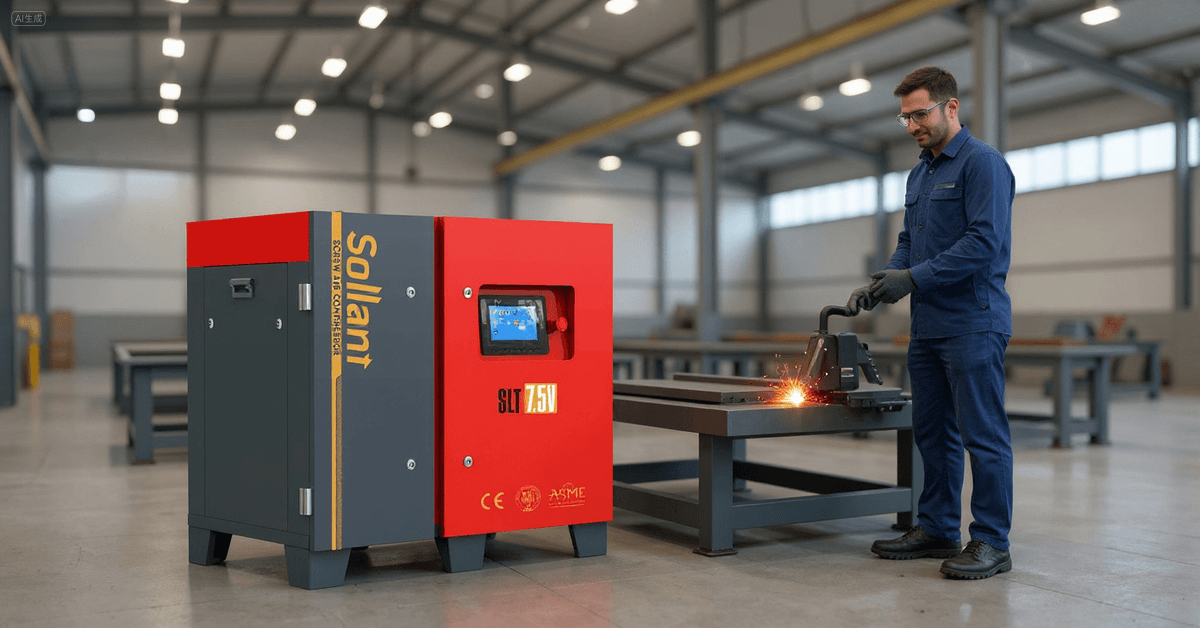
A screw compressor uses a pair of helical screws to compress air efficiently. You will find this machine in many factories because it delivers a steady supply of compressed air and handles long hours of operation without overheating.
Term | Definition |
|---|---|
A type of air compressor that uses a pair of enmeshed helical screws to compress air, widely used for applications requiring high CFM and continuous use. |
Many industries choose screw compressors for their energy efficiency, quiet operation, and low maintenance needs. Rotary screw compressors make up nearly 39% of industrial air compressor systems.
Table of Contents
Key Takeaways
Screw compressors use two helical screws to compress air efficiently, providing a steady supply for various industrial applications.
These compressors are energy-efficient, operate quietly, and require less maintenance compared to other types, making them ideal for long-term use.
Regular maintenance, including oil changes and filter replacements, is crucial to ensure the longevity and performance of screw compressors.
Choose between oil-injected and oil-free models based on your air quality needs; oil-free compressors are best for sensitive applications like food and pharmaceuticals.
Understanding your air pressure and flow requirements helps you select the right screw compressor for your specific needs.
How It Works
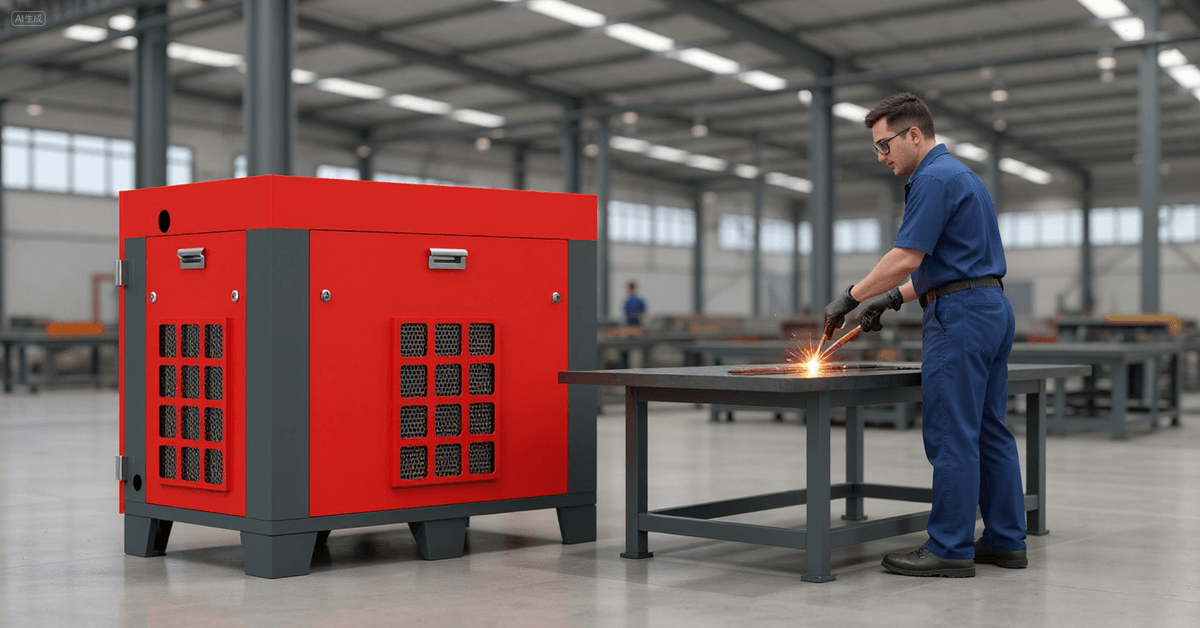
Compression Process
A screw compressor uses a rotary-type positive displacement mechanism. You see two interlocking helical screws inside the machine. These screws create chambers that trap air. As the screws rotate, the air moves through these chambers and gets squeezed into a smaller space. This action increases the air pressure.
Tip: The continuous rotation of the screws means you get a steady flow of compressed air, which is perfect for jobs that need constant power.
Here is how the compression process works step by step:
The regulator valve directs the air into the main chamber.
The two screws spin rapidly, trapping and compressing the air.
The spinning action creates a vacuum that pulls more air in.
The air gets squeezed into a smaller volume as it moves through the chambers.
Compressed air exits the chamber and passes through an aftercooler.
The aftercooler dries and filters the air.
You can use the clean, dry air right away or store it for later.
This process happens quickly and smoothly. You do not see any sudden bursts or stops. The screw compressor keeps working as long as you need compressed air.
Rotors
Inside every screw compressor, you find two rotors. One rotor is male, and the other is female. The male rotor has convex lobes, while the female rotor has concave cavities. These shapes let the rotors fit together perfectly without touching each other.
As the rotors turn, they trap air between their surfaces and the chamber walls. The rotation reduces the volume of the trapped air, which increases its pressure. The design of the rotors makes sure the air gets compressed efficiently and without much noise.
The male and female rotors work together to squeeze the air.
Their interlocking shapes create a seal that prevents air from escaping.
The rotors do not touch, so there is less wear and tear.
You get reliable performance and long-lasting operation because of this smart rotor design. The screw compressor can run for hours without overheating or breaking down.

Screw Compressor Components
Rotors
You find two helical rotors inside every screw compressor. These rotors interlock and trap air between their surfaces. As they spin, the rotors squeeze the air into a smaller space. This action gives you continuous compressed air and lets the machine run all day without stopping. The rotors do not touch, so you see less wear and longer life.
Component | Contribution to Operation |
|---|---|
Helical Rotors | Interlock to compress trapped air, allowing continuous operation and a 100% duty cycle. |
Housing
The housing surrounds the rotors and forms the main chamber. It keeps the air sealed inside and guides it through the compression process. You get better efficiency because the housing prevents leaks and protects the moving parts from dust and debris.
Valves
Valves control how air moves in and out of the screw compressor. You see several types of valves, each with a special job:
Valve Type | Function | Use Case |
|---|---|---|
Controls gas or air volume entering the compressor. | Ideal for systems with frequent load fluctuations. | |
Throttle Valve | Restricts inlet pressure to reduce compressor load. | Critical for energy efficiency in oil & gas plants. |
Blow-Off Valve (Bypass Valve) | Releases compressed air to prevent pressure buildup. | Protects system during startup or shutdown. |
Unloading Valve | Temporarily disengages compression during no-load conditions. | Improves longevity in HVAC or refrigeration systems. |
Relief Valve (Safety Valve) | Opens when pressure exceeds a threshold to prevent damage. | Used as a fail-safe in high-pressure compressor systems. |
Note: The inlet valve opens fully when you need more air and closes when you do not. This helps save energy and keeps the system safe.
Drive System
The drive system powers the rotors. You often see an electric motor connected to the rotors by belts or gears. Some screw compressors use a variable speed drive. This device changes the motor speed to match how much air you need. You get better energy efficiency and lower costs when the drive system adjusts to your workload.
Lubrication
Lubrication keeps the rotors and bearings moving smoothly. You must use the right lubricant to prevent damage. Regular oil changes and filter replacements help the screw compressor last longer. Here is a simple maintenance schedule:
Use the compressor’s designated lubricant to protect rotors and bearings.
Replace oil based on operating hours and conditions.
Clean the lubrication system every two years.
Interval | Tasks |
|---|---|
Clean air filter; replace oil filter/oil; inspect connections, belts, safety valves. | |
6 Months/2,000 Hours | Replace oil, air filter, oil filter; clean coolers. |
Tip: Clean filters and fresh oil keep your compressor running smoothly and help prevent breakdowns.
Screw Compressor Types
Oil-Injected
You will find oil-injected screw compressors in many factories and workshops. These machines inject oil into the compression chamber. The oil cools the system and lubricates moving parts. This design helps the compressor run for long hours without overheating.
Feature | Oil-Injected Compressors | Oil-Free Compressors |
|---|---|---|
Lubrication Method | Injects lubricating oil, traces remain in air | Special designs eliminate oil contamination |
Air Quality | May not meet strict purity standards | Achieves ISO Class 0 certification |
Initial Cost | Lower initial investment | Higher upfront cost |
Maintenance Needs | Requires filtration systems, higher long-term risk | Reduced maintenance needs |
Suitable Applications | General applications, less critical air purity | Industries needing contamination-free air |
Oil-injected models work well for heavy-duty jobs. You get strong performance and a long lifespan because the oil reduces wear. You must change the oil and filters often to keep the air clean. These compressors may not suit jobs that need very pure air.
Tip: Choose oil-injected compressors for tasks that do not require strict air purity, such as powering tools or running machinery.
Oil-Free
Oil-free screw compressors use special designs to keep oil out of the air. You will see these machines in places where air purity matters most. They use advanced seals and coatings to prevent contamination.
Ideal for industries requiring contamination-free air
Critical for maintaining air purity
You often find oil-free compressors in:
Electronics manufacturing
These compressors achieve ISO Class 0 certification, which means the air is as pure as possible. You do not need to worry about oil getting into your products. Oil-free models cost more at first, but you spend less on maintenance because there are no oil changes.
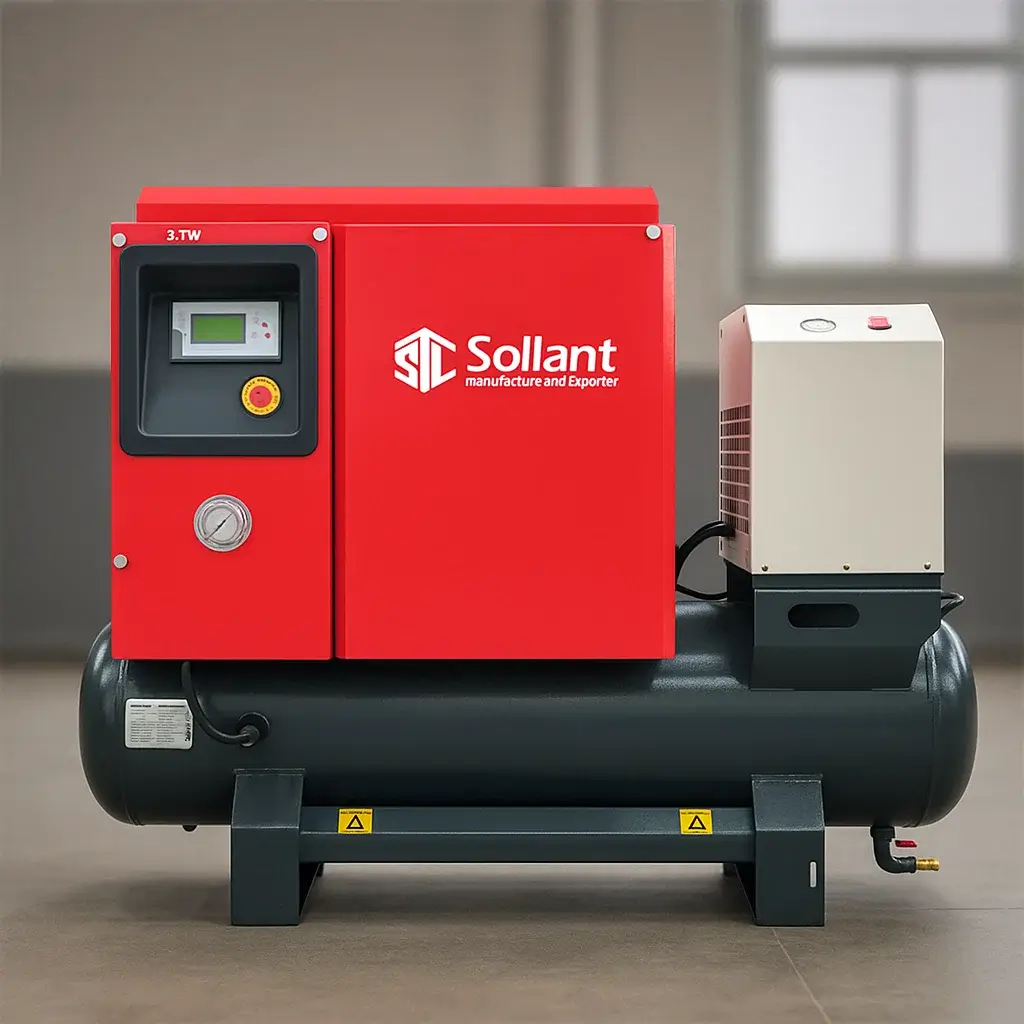
Single vs Twin
You can choose between single screw compressors and twin screw compressors. Each type has its own strengths.
Feature | Single Screw Compressors | Twin Screw Compressors |
|---|---|---|
Design | Simpler design, lower costs | Complex design, superior sealing |
Efficiency | Moderate efficiency, more internal leakage | Higher efficiency, tight meshing minimizes leakage |
Reliability | Easier maintenance, may have reduced reliability | Longer lifespan, better reliability under continuous operation |
Maintenance Complexity | Easier maintenance, fewer moving parts | More complex maintenance required |
Single screw compressors use one main rotor and two gate rotors. You get easier maintenance and lower costs. Twin screw compressors use two interlocking rotors. You get better efficiency and reliability, especially for nonstop jobs.
Note: If you need high efficiency and long-term reliability, twin screw compressors are the better choice.
Screw Compressor Advantages
Benefits
You get many advantages when you choose a screw compressor for your workspace. This machine works well for jobs that need a steady supply of compressed air. You do not have to worry about stopping and starting because it runs without breaks. The design uses fewer moving parts, so you spend less time fixing it. You also save money on maintenance.
Here is a table that shows the main benefits:
Benefit | Description |
|---|---|
Continuous Operation | Provides uninterrupted air compression without the need for rest periods like piston compressors. |
Low Maintenance Requirements | Fewer operational elements lead to reduced breakdowns and lower maintenance needs. |
Energy Efficiency | Maximizes energy efficiency, resulting in lower power bills for large operations. |
Quiet Operation | Operates at lower noise levels compared to piston compressors, suitable for indoor use. |
Long Lifespan | Can last for decades with regular maintenance, offering long-term cost-effectiveness. |
High Performance in Demanding Conditions | Excels in continuous high-demand environments, ideal for manufacturing and construction. |
Tip: You can use a screw compressor in places where noise matters, like workshops or indoor factories. The quiet operation helps keep your workspace comfortable.
You also see strong performance in tough conditions. This machine handles heavy workloads and lasts for years if you take care of it.
Drawbacks
You should know about some limitations before you buy a screw compressor. The first thing you notice is the higher price. You pay more at the start than you would for a piston compressor. You also need skilled workers to handle maintenance. The machine works best in clean spaces, so you must keep dust and dirt away.
Here is a table that lists the main drawbacks:
Drawback | Description |
|---|---|
Higher Initial Capital Investment | Requires more upfront cost compared to piston-type compressors, though it may have lower lifetime costs due to efficiency. |
Requires Skilled Maintenance | Maintenance is more complex and necessitates trained personnel. |
Requires a Clean Operating Environment | Needs clean air intake; not ideal for dirty environments without proper filtration. |
Should Not Be Used for Intermittent Applications | Designed for continuous operation; not suitable for applications with frequent on/off cycling. |
Note: If your job needs the compressor to turn on and off often, you may want to look at other options. This type works best when you need air all the time.
You must weigh these drawbacks against the benefits. If you need nonstop air and want to save on long-term costs, a screw compressor can be a smart choice.
Applications and Maintenance

Uses
You will see screw compressors in many industries because they deliver reliable compressed air for different tasks. Factories use them to power tools and machines. Hospitals and pharmaceutical plants depend on them to keep air clean and sterile. Food and beverage companies choose screw compressors for packaging and processing because these machines help meet safety standards.
Here is a table showing where screw compressors are most common:
Industry Sector | Market Share Growth Rate (CAGR) | Notes |
|---|---|---|
Chemical & Petrochemicals | N/A | Used in chemical processing and transfer systems. |
Oil & Gas | N/A | Needed for drilling, refining, and pipeline operations. |
Metal & Mining | N/A | Powers pneumatic tools and mining equipment. |
Medical & Pharmaceuticals | N/A | Maintains sterile air for labs and production. |
Food & Beverages | Highest CAGR | Supports automation and meets strict safety standards. |
Automotive | N/A | Used in assembly lines and paint shops. |
Power Generation | N/A | Provides air for turbines and control systems. |
Oil-injected Segment | Largest market share in 2025 | Preferred for heavy-duty jobs due to reliability. |
Tip: If you work in a factory, hospital, or food plant, you will likely use a screw compressor for daily operations.
Maintenance
You can keep your screw compressor running for years if you follow a regular maintenance schedule. Most rotary screw compressors last up to 20 years when you take care of them. You should check filters, oil, and belts often. Clean cooling systems and drain moisture from tanks to prevent damage.
Here is a simple checklist for maintenance:
Replace compressor oil and oil filter as recommended.
Change air inlet filters and panel filters when dirty.
Inspect and clean the condensate system.
Test safety shutoffs and pressure gauges.
Clean and inspect cooling systems.
Monitor oil levels at least once per shift.
Inspect belts for wear and replace damaged ones.
Drain moisture from the air receiver tank daily.
Perform leak tests and fix leaks quickly.
Lubricate bearings and moving parts on schedule.
Note: Neglecting maintenance can lead to problems like liquid slugs, poor lubrication, and overheating. You can prevent most failures by replacing filters, using the right oil, and keeping the compressor clean.
If you follow these steps, your screw compressor can run between 60,000 and 80,000 hours. Good maintenance helps you avoid costly repairs and keeps your air supply steady.
You now understand how screw compressors work and why they matter in many industries. When you choose a screw compressor, keep these points in mind:
Look for energy-efficient models.
Make sure the size fits your space.
Think about air quality requirements.
Remember: Energy costs make up most of your compressor’s lifetime expense. Choosing a model with smart features and proper maintenance can save you money and help you meet safety and environmental standards.

FAQ
What is the main difference between a screw compressor and a piston compressor?
You get continuous air from a screw compressor. A piston compressor works in cycles and stops often. Screw compressors run quietly and last longer. You will see less vibration and fewer breakdowns with screw compressors.
How often should you change the oil in a screw compressor?
You should change the oil every 2,000 hours or as your manual suggests. Clean oil keeps your compressor running smoothly. Dirty oil can cause damage and lower performance.
Tip: Always use the oil type recommended by your compressor’s manufacturer.
Can you use a screw compressor for medical or food applications?
Yes, you can use oil-free screw compressors for medical and food jobs. These machines keep air clean and safe. You meet strict air quality standards with oil-free models.
What happens if you skip regular maintenance?
If you skip maintenance, your compressor may overheat, break down, or lose efficiency. You might face costly repairs or downtime. Regular checks help you avoid these problems.
How do you know what size screw compressor you need?
You should check your air tools and machines for their air needs. Add up the total air demand in cubic feet per minute (CFM). Choose a compressor that meets or exceeds this number.
Note: Always plan for future growth when picking your compressor size.
Request a Quick Quote Now
How to do my business well ?
- Market situation
- Technology configuration
- Strike Price
- exclusive agency
- Import and export assistance
- More…

