
Air Compressor Start Failure 10 Expert Tips to Get It Running Again
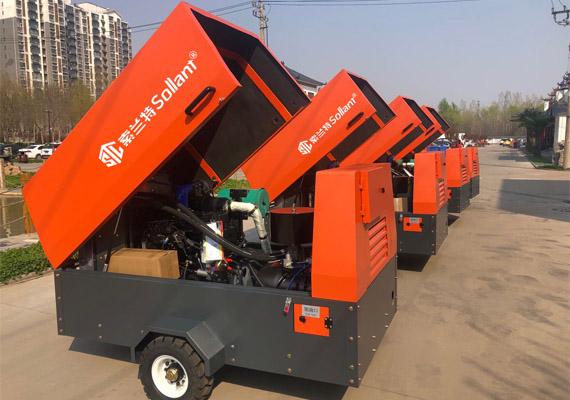
It is very annoying when your air compressor will not start. You might wonder, “Why does my rotary-screw-air-compressor not turn on?” Most start problems are simple and easy to fix. You can fix many problems by checking a few basic things. With good help, you can often get your rotary-air-compressor working again. You do not always need to call a technician. This advice helps both new and experienced users. sollant is a trusted name for screw-air-compressor solutions. They give you good products you can trust.
Table of Contents
Key Takeaways
Always check the power supply first. Make sure the compressor is plugged in. Check if the power switch is on.
Look at the electrical controls for loose wires or blown fuses. Tight wires can help stop start failures.
Listen for weird noises from the motor. Strange sounds can mean there is damage inside. This damage needs to be fixed.
Clean or change the air filter often. A dirty filter can block airflow. This can make the compressor get too hot.
Test the safety valve to see if it opens and closes right. If the valve is broken, the compressor might not start.
Watch the temperature sensor. If the sensor is broken, it can say the compressor is too hot. This can stop the compressor.
Keep your compressor in a warm and dry spot. Cold weather can freeze parts. Frozen parts can make it hard to start.
If problems keep happening, think about calling a professional. Some problems need special skills and tools to fix.
Common Air Compressor Start Problems
When your air compressor does not start, you might feel frustrated. Many people face this problem. Most start failures come from a few common issues. If you know what to look for, you can fix many problems yourself. Let’s look at the most frequent reasons your air compressor might not start.
Power Supply Issues
Power supply problems are one of the top reasons an air compressor will not start. You should always check the basics first.
Not Connected
Sometimes, the air compressor is not plugged in or the power switch is off. Make sure the power cord is firmly connected to the outlet. Check that the power button is switched on. A loose plug or a turned-off switch can stop your machine from working.
Low Voltage
Low voltage can prevent your air compressor from starting. If the voltage from your power source is too low, the motor cannot run. You may notice the lights dim when you try to start the compressor. This means the power supply is not strong enough. You should contact your power company if you suspect low voltage.
Power Failure
A power failure can happen if the power cord is damaged or the power switch is broken. Sometimes, a tripped breaker or a blown fuse in your electrical panel can also cause a power failure. Always check your breaker box and replace any blown fuses. Power supply issues, such as loose connections or tripped breakers, are very common in industrial settings.
Tip: Always check the power supply, switch, and cord before moving on to other troubleshooting steps.
Electrical Control Failures
Electrical control failures can also stop your air compressor from starting. These problems often show up as frequent tripping of the circuit breaker or the compressor drawing too much power.
Blown Fuse
A blown fuse in the control circuit interrupts the flow of electricity. This stops your air compressor from starting. You should replace the fuse and check for any overloads or short circuits.
Contactor or Inverter
If the contactor or inverter is faulty, the circuit cannot switch properly. This means the compressor will not start. You may need to repair or replace these parts.
Control Circuit
Loose or poorly connected wires in the control circuit can prevent the control signal from reaching the compressor. Inspect the wiring and tighten any loose connections.
Motor Issues
The motor is the heart of your air compressor. If it has problems, your machine will not start.
Overload
If the motor runs for too long or works too hard, it can overheat. The thermal overload relay will trip and stop the compressor to protect it. Let the motor cool down and reset the relay before trying again.
Damage
Motor damage can happen because of voltage problems, old wiring, or worn-out parts. If you hear strange noises or smell burning, stop using the compressor. You may need to repair or replace the motor.
Regular checks and simple maintenance can prevent many of these issues. Always verify fluid levels and keep up with preventative maintenance to avoid overheating and electrical problems.

Safety and Sensor Faults
When your air compressor does not start, safety and sensor faults can be the reason. Many modern compressors use sensors and safety devices to protect you and the machine. If these parts detect a problem, they stop the compressor from starting to avoid damage or danger.
Fault Type | Cause |
|---|---|
Some compressors are equipped with safety sensors to monitor temperature, pressure, or other parameters. If triggered, they may prevent the unit from starting. |
Safety Valve
The safety valve protects your compressor from too much pressure. If the valve does not work, the compressor may not start. You should check the valve for blockages or signs of wear. If you see damage or if the valve does not release pressure, replace it right away. A working safety valve keeps your equipment and workspace safe.
Temperature Sensor
The temperature sensor checks if the compressor is getting too hot. If the sensor thinks the machine is too hot, it will stop the compressor from starting. Sometimes, the sensor can fail or give the wrong reading. You can check the sensor by looking for error codes on the control panel. If you find a problem, you may need to clean, adjust, or replace the sensor.
Transformer
The transformer changes the voltage for the control system. If the transformer does not work, the compressor may not get the right power to start. You should check for loose wires or signs of burning. If you notice a problem, call a technician to repair or replace the transformer.
Other Causes
Some problems are less common but still important. These issues can stop your compressor from starting and may need special attention.
Damaged motor windings make it hard for the motor to work.
Overload protection can shut down the compressor if it gets too hot.
A check valve that does not open can block airflow.
Blocked intake filters make it hard for air to enter the compressor.
Air end bearings that are worn or stuck can stop the motor from moving.
Power supply issues or blown fuses can cut off electricity.
A faulty starter may not send power to the motor.
Incorrect cut-in pressure settings can keep the compressor off.
Mechanical or electrical failure inside the motor can stop everything.
A bad start switch or control board can prevent the compressor from starting.
Air Filter
A clogged air filter blocks airflow. If the compressor cannot get enough air, it will not start. You should check the filter often and clean or replace it when it looks dirty.
Start/Emergency Button
The start button or emergency stop button must work for the compressor to start. If these buttons are broken or stuck, the machine will not turn on. Press each button to see if it moves smoothly. Replace any button that feels loose or does not click.
Control Panel
The control panel sends signals to start the compressor. If the panel has a problem, the compressor will not get the right instructions. Look for warning lights or error messages. If you see anything unusual, you may need to reset or repair the panel.
Tip: Regular checks of safety devices, sensors, and control parts help you avoid sudden breakdowns. Keeping these parts in good shape makes your air compressor more reliable.
Expert Tips for Air Compressor Troubleshooting
Check Power Supply
Start with the basics. Many air compressor problems come from simple power issues. Follow these steps to make sure your machine gets the electricity it needs:
Plug the air compressor into a working outlet. Make sure the cord fits tightly and the voltage is steady.
Look at the start button and power switch. Check for cracks or damage. Make sure both are in the “on” position.
Open your fuse box. See if the fuse or circuit breaker has tripped or blown. If it has, reset or replace it.
Watch the indicator lights and display screen. Look for error codes or warning messages. These can tell you if something is wrong with the power.
Tip: Always turn off the power before you touch any wires or parts. Safety comes first.
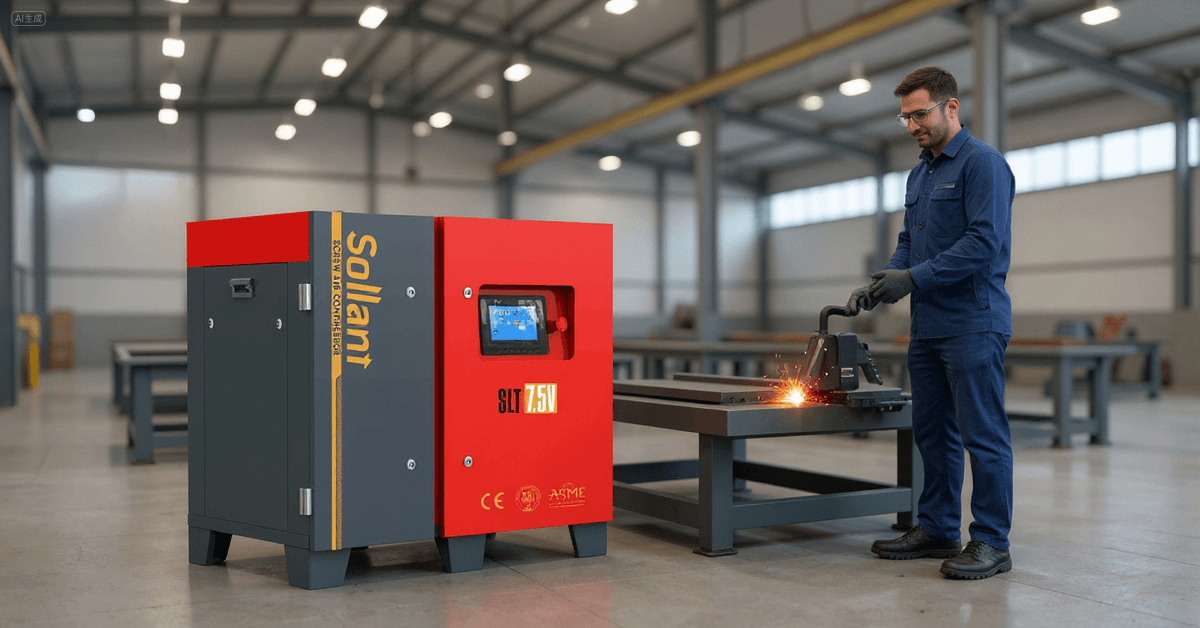
Sollant’s 15hp screw air compressor has a clear control panel. You can see warning lights and error codes easily. This helps you spot power problems fast.
Inspect Electrical Controls
Electrical controls help your air compressor start and stop at the right time. Problems here can keep your machine from working. Here is what you should do:
Open the control panel. Look for loose or broken wires. Tighten any loose connections.
Check the contactor and inverter. If you see burn marks or smell something odd, these parts may need replacing.
Replace any blown fuses. If a fuse blows again right away, there may be a bigger problem.
Make sure all control switches move smoothly. If a switch feels stuck, replace it.
If you use a diesel portable air compressor from sollant, you will find user-friendly controls and clear icons. This makes it easy to spot and fix electrical issues.
Examine Motor
The motor is the heart of your air compressor. If it fails, the whole machine stops. Watch for these signs:
Listen for strange noises like rattling or grinding. These sounds mean something is wrong inside.
Feel the machine. If it shakes or vibrates, the motor may have a problem.
Check if the circuit breaker trips often. This can mean the motor is working too hard or is damaged.
Touch the air coming out. If it feels too warm, the motor might be overheating.
If the compressor will not start at all, the motor could be broken and need repair or replacement.
Note: Sollant’s towable air compressors use strong, reliable motors. They are built to last and work well even in tough conditions.
If you see any of these signs, stop using the machine. Call a professional if you are not sure how to fix the motor. This keeps you safe and protects your equipment.
Test Safety Valve
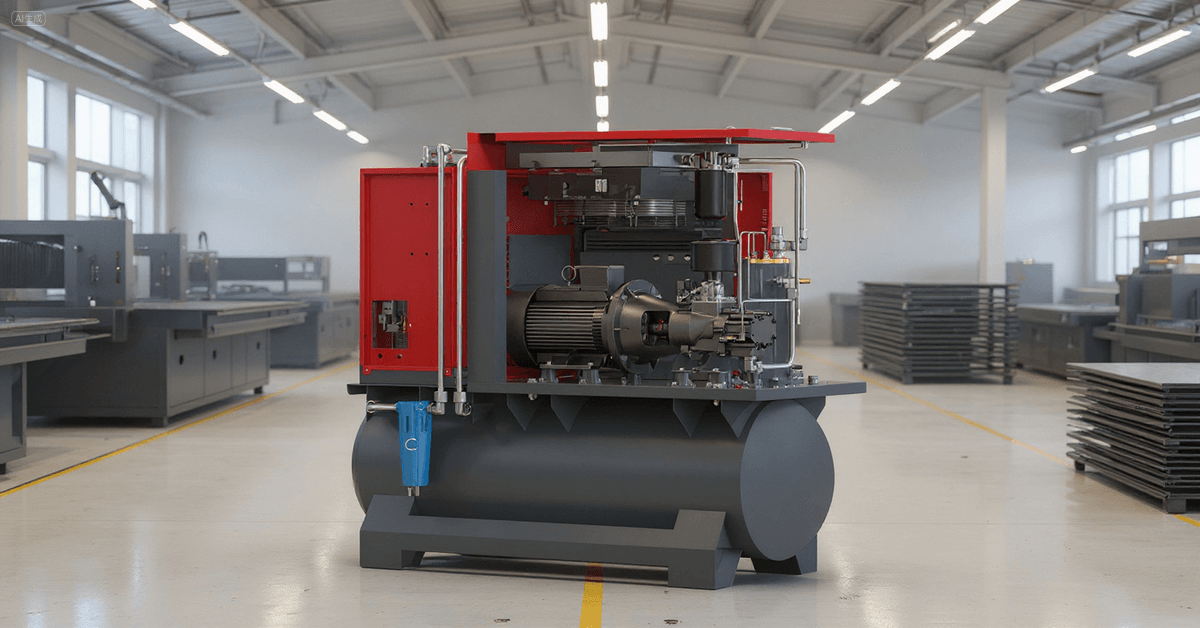
You need to make sure the safety valve on your air compressor works well. The safety valve protects you and your equipment from too much pressure. If it fails, your machine may not start or could become unsafe. Follow these steps to test the safety valve:
Read the instructions from the manufacturer. Always know the right way to check your model.
Turn off the compressor and release all the air. This keeps you safe while you work.
Find the safety valve. It usually has a ring or lever.
Pull the ring or lever to open the valve. Air should escape quickly.
Let go of the ring or lever. The valve should close tightly with no leaks.
Look for signs of damage, rust, or dirt on the valve.
Check for leaks or strange sounds after testing.
If the valve leaks, does not open, or blows off at the wrong pressure, replace it right away.
Write down your inspection results. Good records help you track maintenance.
Tip: If you see corrosion, debris, or hear odd noises, the valve may not work right. Always replace a faulty safety valve to keep your air compressor safe.
Sollant’s compressors, like the diesel portable air compressor, use high-quality safety valves. These valves are easy to test and replace, making maintenance simple.
Review Temperature Sensor
A working temperature sensor keeps your air compressor from overheating. If the sensor fails, your machine may not start or could shut down too soon. You can check the sensor by following these steps:
Make sure the sensor is clean. Wipe away any dust or oil.
Use a reference thermometer or calibrator. This tool should be more accurate than your sensor.
Place both the sensor and the reference tool in the same spot. Wait until both show the same temperature.
Compare the readings. If they match, your sensor works well.
If the readings are different, adjust the sensor as the manual says.
Write down the results, date, and any changes you made.
Test the sensor again to make sure it is now accurate.
If you see error codes or warning lights on the control panel, check the temperature sensor first. Sollant’s 15hp screw air compressor has an easy-to-read display that helps you spot sensor problems quickly.
Clean Air Filter
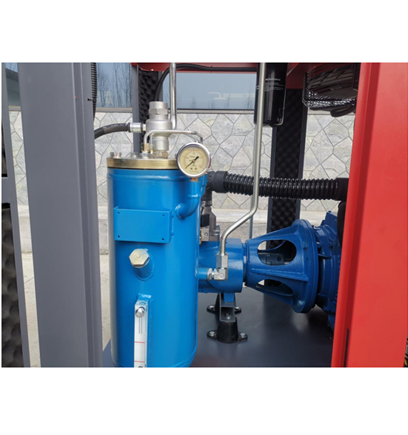
A clean air filter helps your air compressor start and run smoothly. A clogged filter blocks airflow and makes the machine work harder. This can cause overheating and even stop the compressor from starting.
Check the air filter often. Look for dust, dirt, or oil buildup.
Remove the filter and tap it gently to shake out loose dirt.
If the filter looks very dirty or damaged, replace it with a new one.
Put the filter back in place and make sure it fits tightly.
Problem from Clogged Filter | Result |
|---|---|
Less airflow | Harder to start |
More energy used | Higher costs |
Overheating | Machine shuts down |
More wear | Shorter compressor lifespan |
Regular cleaning and replacement of the air filter keeps your compressor efficient and reliable. Sollant’s towable air compressor uses filters that are easy to access and maintain, saving you time and trouble.
Check Start and Emergency Buttons
Start and emergency buttons help your compressor turn on. If these buttons break, the compressor will not start. You can test them by doing these steps: First, let go of the emergency stop button. This should fix any errors and make the screen normal again. If you still see “Emergency stop” on the screen, look at the wires for the emergency button. Make sure all wires are connected and not cut. The emergency button should let electricity pass when not pressed. Use a multimeter to check if the terminals let electricity flow. If they do not, clean the contacts on the button. If cleaning does not work, put in a new emergency button.
Tip: Always turn off the power before you touch or fix any buttons. This keeps you safe from getting shocked.
Inspect Control Panel
The control panel is like the brain of your compressor. If it stops working, your machine may not start or may act strange. You can find control panel problems by looking for these signs:
Fault Description | Possible Causes |
|---|---|
Bad relay or switch, broken pressure controls | |
No response when pressing the start button | Broken button, system problem, display panel broken |
LED does not light up after starting | Machine failure, LED panel broken, wiring issues |
Display does not respond when turned on | Power not connected, display broken, data problem |
Display indicator light flashes, but screen does not respond | Power problem, transformer broken |
Failed to start | CPU broken, program problem, mainboard broken, bad voltage |
You might also see these problems: The control panel does not light up or answer. The start button does nothing when you press it. The display flashes but shows no words or numbers. The compressor does not start even after you try many times. If you see these things, check the wires and connections first. Change any broken parts. If the problem stays, you may need a new control panel or call an expert.
Note: Sollant’s 15hp screw air compressor has a control panel that is easy to read. This helps you find and fix problems fast.
Assess Environmental Factors
The place where you keep your compressor matters. Temperature and wetness can change how it works. Most compressors work best if it is warmer than 40°F. If it gets too cold, parts inside can freeze. Frozen water can block or break important parts. If it is colder than 32°F, control lines and valves can freeze and stop the compressor from starting. Cold weather also makes compressor oil thick. Thick oil does not move well, so the machine needs more power. Some compressors have a switch that stops them from starting if it is too cold. If your compressor is in a cold place, move it somewhere warmer or use a heater.
Tip: Always keep your compressor in a warm, dry place. This stops freezing and helps your machine work well.
Consider Professional Help
Sometimes, you may do everything right, but your air compressor still will not start. This is when you should think about calling a professional. Some problems need special tools or expert knowledge. Trying to fix these issues by yourself can make things worse or even cause injury.
Here are signs that you should get professional help:
Drop in System Pressure
If you notice your tools do not work as well as before, the system pressure may have dropped. This can mean a hidden leak or a bigger problem inside the compressor.Unusual Sounds
Loud rattling, banging, or hissing noises are not normal. These sounds can mean loose parts, air leaks, or damage inside the machine.Oil Leaks
If you see oil under your compressor or around the seals, you may have worn gaskets or seals. Oil leaks can lower efficiency and damage other parts.High Energy Consumption
If your electricity bill goes up suddenly, your compressor may be working too hard. This can mean a hidden problem that needs expert attention.Excessive Condensate
Too much water or moisture in the system can cause rust and lower air quality. This is hard to fix without the right equipment.Poor Air Quality
If you notice dust, oil, or water in the air lines, your compressor may have a filter or separator problem. Bad air quality can damage your tools and products.Temperature Fluctuations
If your compressor gets too hot or too cold, it may shut down or run poorly. This can point to sensor or cooling system issues.Electric Motor Issues
If the motor does not start, makes strange noises, or smells like burning, stop using the compressor. Motor problems can be dangerous and need a trained technician.
Tip: If you see any of these signs, turn off your compressor and unplug it. Do not try to fix electrical or internal problems by yourself.
Sollant offers strong support and service for all their air compressors, including the 15hp screw air compressor, diesel portable air compressor, and towable air compressor. Sollant’s team can help you with repairs, maintenance, and spare parts. You can trust their experts to keep your equipment safe and running well.
When you choose professional help, you protect your investment and avoid bigger problems later. Regular service from trained technicians can also help your compressor last longer and work better every day.
Sollant Air Compressor Solutions
Diesel Portable Air Compressor
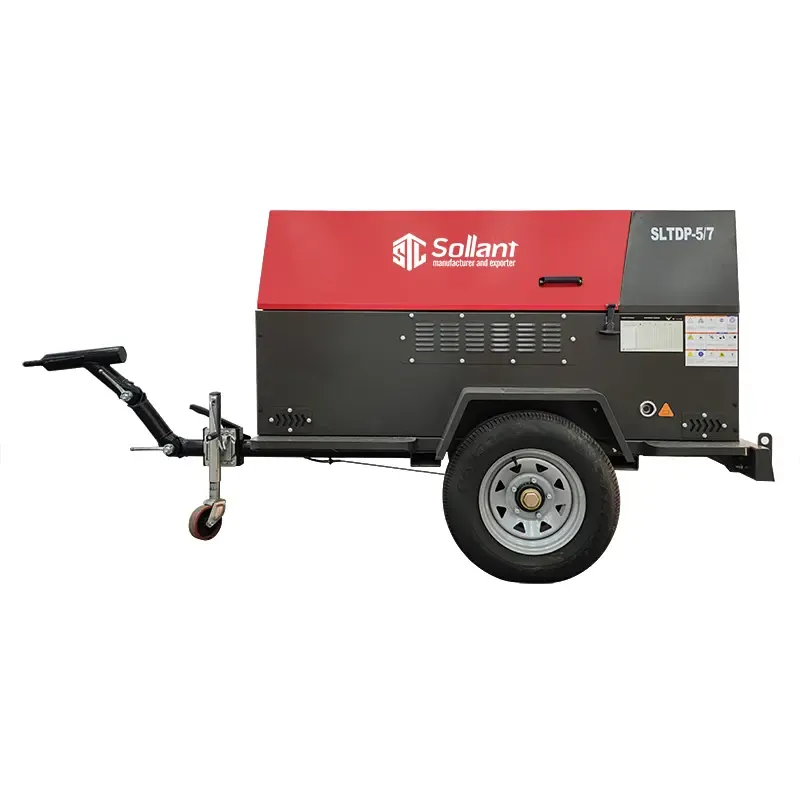
You need a reliable machine when you work in places without steady electricity. Sollant’s diesel portable air compressor gives you that power. You can use it on construction sites, in mining, or for heavy-duty jobs. This compressor uses a strong diesel engine. It works well even in tough weather or dusty places.
You can move this compressor easily because it is lightweight. The large fuel tank lets you work for long hours without stopping. The controls are simple. You can start the machine with one switch. If there is a problem, the system will shut down to keep you safe.
Note: Sollant’s diesel portable air compressor has separate air filters for the engine and compressor. This design keeps the machine running smoothly and helps prevent start failures caused by dust or dirt.
Towable Air Compressor
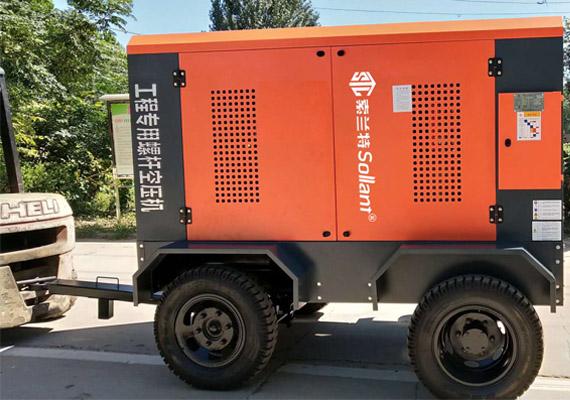
If you need to move your compressor from one job site to another, a towable air compressor is a smart choice. Sollant’s towable models use advanced diesel technology. You can tow them behind a truck or move them by hand on rough ground.
These compressors have a smart monitoring system. You can see the exhaust pressure and know if the machine is working right. The air filter uses several layers to keep out dust. This helps the compressor start every time you need it.
Here are some key features:
Feature | Benefit |
|---|---|
Direct engine drive | Fewer parts, less breakdown |
Multi-stage air filter | Stops dust, keeps air clean |
Easy mobility | Move it where you need it |
Fuel savings | Uses less diesel |
Sollant’s towable air compressors help you avoid common start problems. You get strong power and low fuel use.
15hp Screw Air Compressor
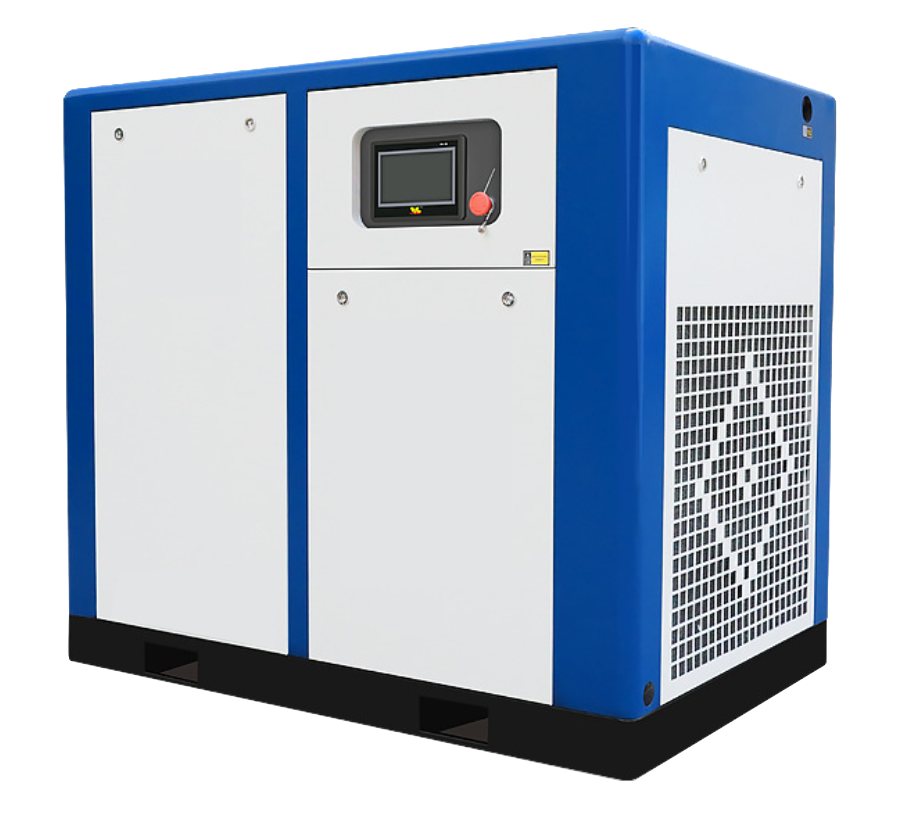
You want a machine that works in many industries. Sollant’s 15hp screw air compressor fits that need. It gives you steady air for factories, farms, or workshops. You can adjust the pressure to match your job.
This compressor uses a smart control panel. You can see error codes and warning lights. If there is a problem, you can fix it fast. The motor is safe and strong. It works in hot or cold weather.
You will find it easy to maintain. The design lets you reach all the parts you need to check. Sollant uses high-quality parts to make sure your compressor lasts a long time.
Tip: Regular checks and using genuine Sollant parts help you avoid start failures and keep your compressor running well.
Advanced Parts and Support
Sollant knows that you want your air compressor to work every day without problems. You need strong parts and fast support to keep your business running. Sollant gives you both. The company uses advanced parts in every compressor. These parts go through strict quality checks. You get a machine that lasts longer and needs fewer repairs.
You can trust Sollant’s air compressor parts. The company uses high-density filter materials with nano-plating. These filters keep out dust and dirt. They also resist heat and chemicals. This means your compressor stays clean inside. Clean parts help your machine start easily and run smoothly. Sollant also offers custom parts. If you have special needs, Sollant can make parts just for you.
Sollant’s support team helps you fix problems fast. You do not have to wait long for answers. The company gives you many ways to get help. You can ask questions online any time. You can also get training and advice from experts. Sollant wants you to feel confident when you use their compressors.
Here is a table that shows the support services you get from Sollant:
Service Type | Description |
|---|---|
24/7 Online Service | Free consultation and quotation service |
After-sale Service | Technical guidance and training for customers |
Warranty | |
Comprehensive Solutions | Air system solution provider and one-stop purchase service |
Sollant’s warranty gives you peace of mind. You get 18 months of coverage for the whole compressor. The air end has a 2-year warranty. If something goes wrong, Sollant will help you fix it. The company also acts as a one-stop shop. You can buy all your air system parts from one place.
Sollant’s focus on quality control means you get fewer breakdowns. Every part meets high standards before it leaves the factory. This care helps you avoid downtime. You spend less time fixing your compressor and more time getting work done.
If you want to keep your air compressor running well, choose Sollant’s advanced parts and support. You get strong parts, expert help, and a team that cares about your success. Sollant makes it easy for you to keep your business moving forward.
Maintenance Tips from Sollant
Keeping your air compressor in top shape helps you avoid start failures and costly repairs. Sollant recommends a few simple habits that make a big difference. When you follow these tips, you help your compressor last longer and work better every day.
Regular Checks
You should check your air compressor often. Small problems can turn into big ones if you ignore them. Here are some important steps you can take:
Change or clean the air filters. Dirty filters block airflow and cause overheating.
Watch the oil level and check the oil quality. Good oil keeps the parts moving smoothly and reduces wear.
Inspect all connections. Tighten any loose bolts or fittings to stop leaks.
Drain water from the tank every day. This prevents rust and keeps the tank strong.
Look at the belts. Replace them if you see cracks or if they feel loose.
Clean and check the intake valves. Good airflow helps your compressor start easily.
Make sure the compressor has enough ventilation. A cool machine works better and lasts longer.
Check the system pressure. If the pressure is too high, the compressor works too hard.
Test the electrical parts. Make sure switches, wires, and fuses work as they should.
Plan for professional maintenance on complex parts. Some jobs need expert care.
Tip: Write down your checks in a logbook. This helps you remember what you did and spot patterns over time.
Scheduled Service
You should not wait for a problem before you service your compressor. Set a schedule for deeper maintenance. This keeps your machine running smoothly and helps you catch issues early.
Change the oil and filters at regular intervals.
Inspect the motor and moving parts for signs of wear.
Test safety valves and sensors to make sure they work.
Clean the cooling system to prevent overheating.
Ask a professional to check the compressor once or twice a year.
A regular service plan saves you money and time. You avoid sudden breakdowns and keep your work on track.
Using Genuine Parts
When you need to replace a part, always choose genuine Sollant parts. These parts fit your compressor perfectly and help it run at its best.
Genuine parts clean oil passages well, so your compressor gets better lubrication and cooling.
They form a protective layer that keeps oil working longer and stops new deposits from forming.
You get lower operating temperatures, which means fewer shutdowns and a longer life for your machine.
You can clean and maintain your compressor without stopping your work for long.
The process is simple, so your team can handle regular upkeep with ease.
Note: Using real Sollant parts gives you peace of mind. You know your compressor will work safely and efficiently.
By following these maintenance tips, you help your air compressor start every time you need it. Sollant’s support and quality parts make it easy for you to keep your equipment in top condition.
When to Call a Professional
Sometimes, you do everything right, but your air compressor still will not start. In these cases, you need to know when it is time to stop troubleshooting and call a professional. This helps you stay safe and protects your equipment from bigger problems.
Persistent Electrical Issues
Electrical problems can be hard to fix on your own. If you notice any of these signs, you should reach out to a qualified technician:
Electrical Issue | Description |
|---|---|
A sudden spike can mean your compressor is working too hard. | |
Tripping Circuit Breakers | If breakers trip often, there may be a hidden electrical problem. |
Motor and Wiring Issues | Problems with the motor or wiring can stop your compressor from working. |
You might see your electricity bill go up quickly. This can happen if the compressor uses more power because of a fault. If the circuit breaker trips again and again, it means something is wrong inside the machine. You should not try to fix wiring or motor issues by yourself. These problems need special tools and knowledge. Sollant’s service team can help you find and fix these electrical issues safely.
Motor or Internal Damage
Some problems inside the compressor are not easy to see. You may hear strange noises, feel extra heat, or notice the machine will not start at all. Here are some reasons to call a professional:
Internal parts like the pump, valves, or pistons may break or wear out. These parts need expert care to repair.
If your compressor is still under warranty, trying to fix it yourself can cancel the warranty.
If you are not sure what is wrong or how to fix it, a trained technician can help you avoid mistakes.
Trying to repair the motor or other inside parts without the right skills can make things worse. You could damage the compressor or even hurt yourself. Sollant’s support network gives you access to skilled technicians who know how to handle these repairs.
Warranty and Safety
Before you try to fix your air compressor, always check the warranty. The warranty only works if you follow the rules set by the manufacturer. If you do not follow these rules, you might lose your coverage. This can lead to higher repair costs and more downtime.
Professional maintenance services help you keep your warranty safe. Certified technicians know how to do safety checks and repairs the right way. They look for signs of wear, rust, or broken parts. This keeps your compressor safe and working well.
You should also read the warranty terms before starting any repairs. Knowing what is covered helps you make smart choices. If you are not sure, ask Sollant’s service team for help. They can explain your warranty and make sure your compressor gets the right care.
Tip: When in doubt, always choose professional help. This keeps you safe, protects your investment, and helps your air compressor last longer. Sollant’s support and service network is ready to help you with any problem, big or small.
You can fix most air compressor start problems by checking each cause one at a time. Try these 10 expert tips before thinking it is a big problem:
Change the cut-in pressure if it is set wrong.
Look at the check valves and filters for blockages.
Test the starter and see if the capacitors work.
Check the motor to see if it is damaged.
Doing regular maintenance stops many problems from happening later. See this table to learn how maintenance helps:
Evidence | Explanation |
|---|---|
Daily checks find small issues fast. | This stops expensive repairs and keeps your compressor working well. |
If your compressor still does not start, get help from a professional. Sollant gives you technical support, quick part replacement, and expert advice. With the right steps, your air compressor will stay safe and work well. For more help and answers, go to Sollant’s website.
FAQ
What should you check first if your air compressor will not start?
You should check the power supply first. Make sure the cord is plugged in and the switch is on. Look for any tripped breakers or blown fuses.
How often should you clean or replace the air filter?
You should check the air filter every week. Clean it if you see dust or dirt. Replace it if it looks damaged or very dirty.
Why does your compressor keep tripping the circuit breaker?
A compressor trips the breaker if it draws too much power. This can happen if the motor is overloaded, the voltage is low, or there is a short circuit.
Can cold weather stop your air compressor from starting?
Yes, cold weather can make oil thick and freeze parts inside. This can stop your compressor from starting. Keep your compressor in a warm, dry place.
What does an error code on the control panel mean?
An error code tells you something is wrong. Look in your manual for the code’s meaning. Fix the problem before you try to start the compressor again.
When should you call a professional for help?
Call a professional if you hear strange noises, see oil leaks, or cannot find the problem. Experts have the right tools and training to fix complex issues.
Does using genuine Sollant parts matter?
Yes, genuine Sollant parts fit your compressor perfectly. They help your machine run better and last longer. Using real parts also keeps your warranty safe.
How can you contact Sollant for support?
You can visit Sollant’s website or email their support team. Sollant offers fast help, technical advice, and spare parts for your air compressor.
Request a Quick Quote Now
How to do my business well ?
- Market situation
- Technology configuration
- Strike Price
- exclusive agency
- Import and export assistance
- More…

