
How to Choose the Right Compressor Types Air Compressor
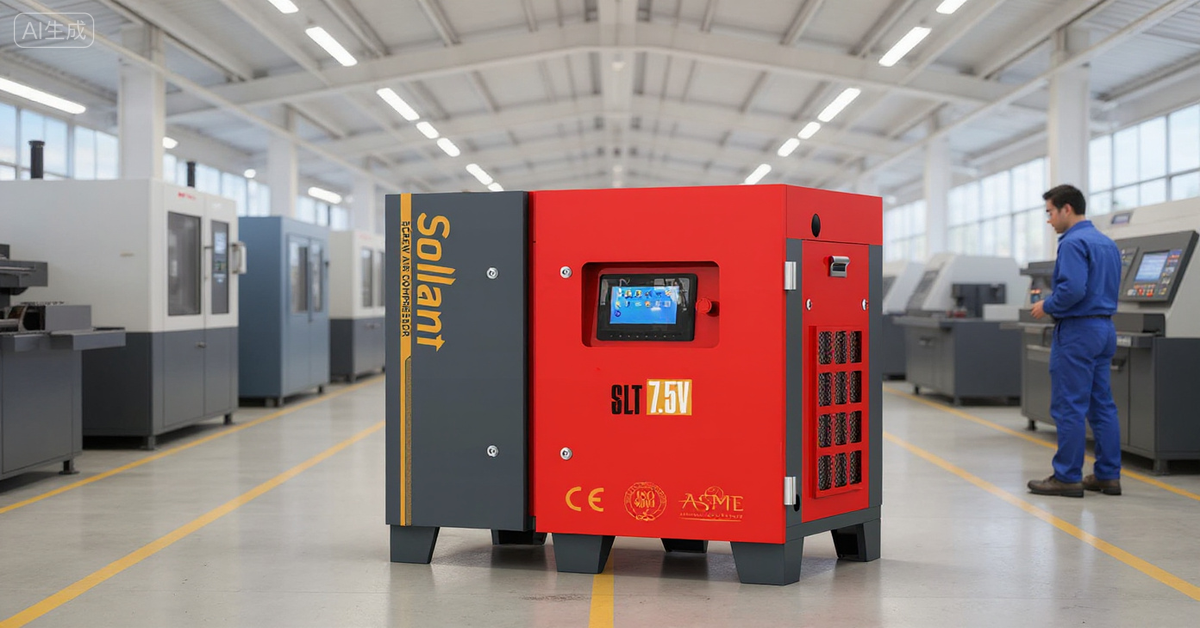
Imagine you need an air compressor for your workshop. You may not know which model is best for you. To pick the right compressor, it’s important to understand the various compressor types air compressor options available and match your needs with the right features. You also need to consider how efficiently it operates. Many people make mistakes by choosing the wrong size, overlooking air quality, or not considering energy savings.
| Mistake | Explanation |
|---|---|
| Not Assessing Your Air Requirements Correctly | If you do not check your air needs, things may not work well. This can cause problems and slow down your work. |
| Selecting the Wrong Compressor Type | If you pick the wrong compressor type air compressor, it may not work right. It can also cost you more money. |
| Overlooking Energy Efficiency | If you do not think about saving energy, your bills can get high. |
Understanding the different compressor types air compressor models helps you avoid these issues. Sollant offers a wide range of compressor types air compressor solutions for various applications, focusing on reliability, energy efficiency, and meeting your specific needs.
Table of Contents
Key Takeaways
- Think about how much air you need. Knowing this helps you avoid problems and saves money.
- Pick the best compressor type for your work. Some models work better for small jobs, others for big jobs.
- Look at how much energy it uses. A variable speed compressor can help lower your energy costs.
- Make sure your compressor fits your tools. Check that it gives enough PSI and CFM for your tools to work well.
- Remember to take care of your compressor. Regular checks help it work better and last longer.
Compressor Types air compressor
To pick the right compressor types air compressor, you need to know how each model works. Each type has its own special features. Some are better for certain jobs than others. Sollant has many choices for different needs.
Tip: Check the table below. It helps you compare compressor types air compressor. This makes it easier to find the best one for your needs.
| Compressor Type | Mechanism | Applications | Advantages | Limitations |
|---|---|---|---|---|
| Rotary Screw | Two screws squeeze air together. | Used in factories and big workshops. | Saves energy and needs little fixing. | Needs oil to work right. |
| Rotary Vane | Rotors and vanes push air inside a chamber. | Good for jobs that need low pressure. | Needs little fixing. | Not strong enough for high-pressure jobs. |
| Reciprocating (Piston) | Pistons press air in one or more steps. | Used in shops needing strong air. | Makes high pressure. | Noisy, needs more fixing, uses oil. |
| Scroll | Two scrolls squeeze air as they move closer. | Used in labs and hospitals for clean air. | Small, saves space, does not use oil. | Not strong, best for small jobs. |
| Centrifugal | Impeller makes air move fast, then slows it down. | Used in big places needing lots of air. | Makes lots of air, strong, needs little fixing. | Uses a lot of energy. |
Rotary Screw
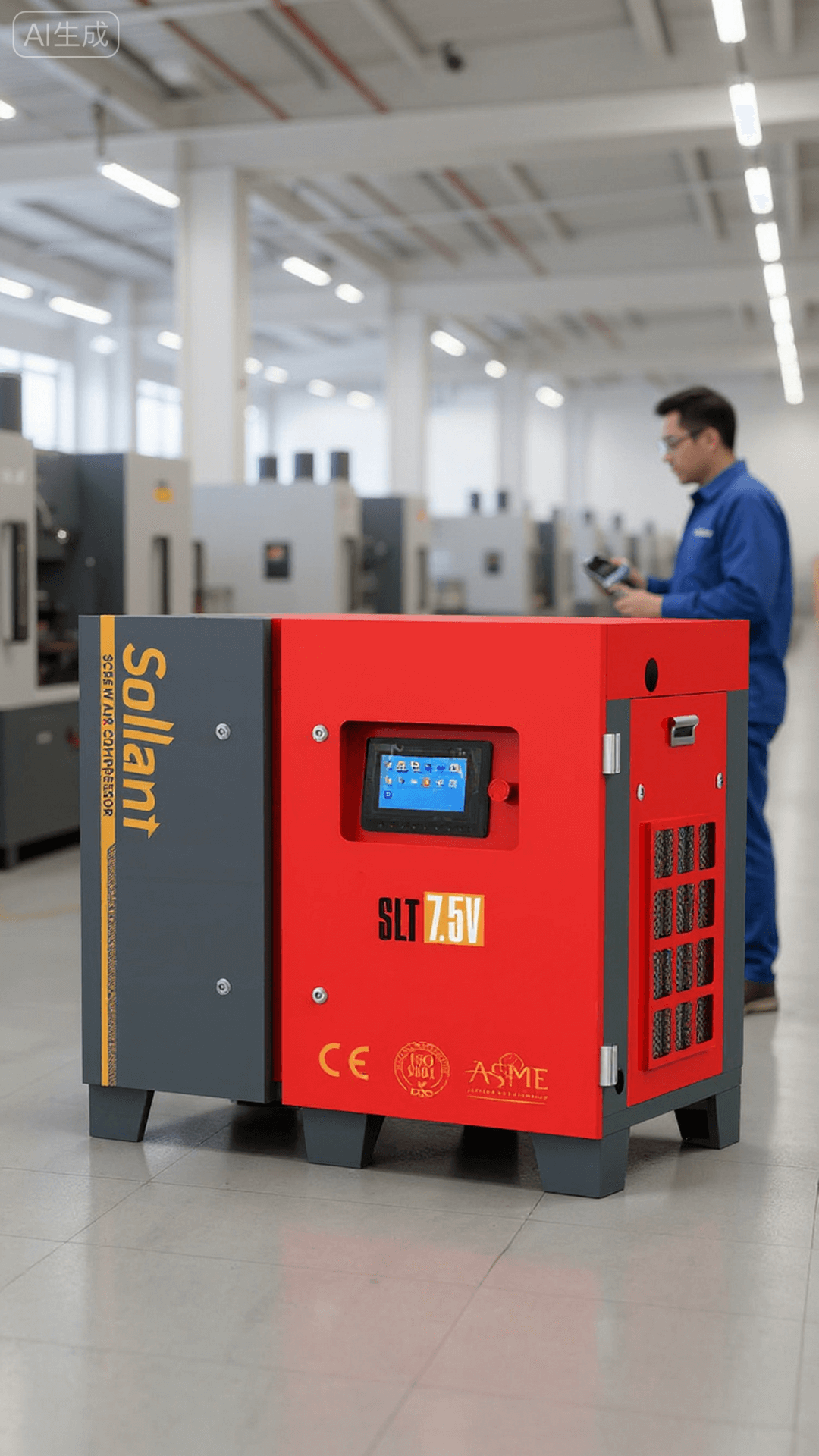
Rotary screw compressors are used most in big places. You see them in factories and workshops. They use two screws to press air. These machines are quiet and save energy. Sollant has rotary screw models with oil and different speeds. You can get one with a tank for laser cutting. There are also two-stage models for tough jobs.
- Common uses:
- Cleaning and getting surfaces ready.
- Running machines and assembly lines.
- Using tools in car shops.
- Packing food and keeping it safe.
Rotary screw compressors are almost half of all compressor types air compressor sold. They work well and help save money on energy.
Note: Rotary screw compressors are best when you need air all the time. They can run all day and not get too hot.
Piston
Piston compressors use pistons to press air in one or more steps. You find them in small shops and garages. They are good for short times when you need strong air. Sollant’s piston models are great for small businesses and homes.
- Advantages:
- Cost less at first.
- Make strong air.
- Good for short jobs.
- Limitations:
- Noisy and shake more.
- Need fixing often.
- Can let dirt into the air.
| Aspect | Piston Compressors | Rotary Compressors |
|---|---|---|
| Noise | Noisy because of moving parts | Quieter machines |
| Duty Cycle | Works 20-30% of the time | Can run all the time |
| Maintenance | Needs fixing more often | Needs less fixing |
| Cost | Costs less at first | Costs more but saves money later |
Pick piston compressors if you need strong air for short times and do not mind fixing them more.
Scroll
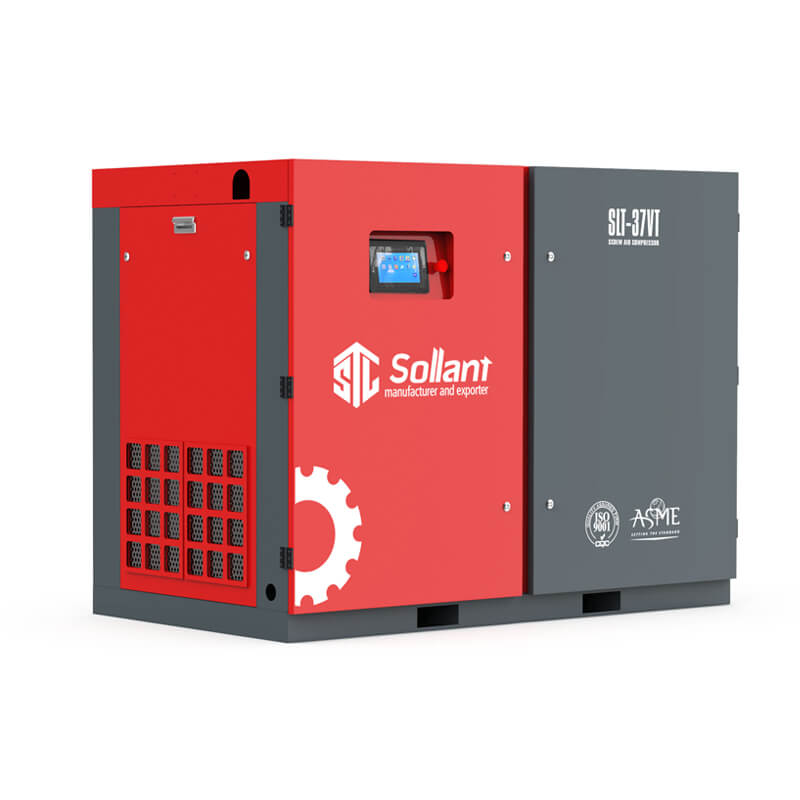
Scroll compressors use two spiral scrolls to press air. You see them in places where quiet and clean air is needed. Hospitals and labs use them a lot. Sollant’s scroll models do not use oil and make little noise.
- Benefits:
- Small and saves space.
- No oil, so air stays clean.
- Very quiet.
Scroll compressors are best for small or medium jobs. They save energy when you do not need much air. They keep air pressure steady. Use scroll compressors where clean air is very important.
Vane
Rotary vane compressors use a rotor with vanes to press air. You find them in car shops, dentist offices, and food plants. Sollant’s vane models are good for steady air and low pressure.
- Common uses:
- Painting and blasting sand.
- Filling tires.
- Powering dentist tools.
- Keeping food air clean.
Rotary vane compressors need little fixing. They are good for jobs that need steady, low-pressure air. Pick this type if you want easy use and trust it to work.
Centrifugal
Centrifugal compressors use an impeller to make air move fast. Then they slow it down to make pressure. You see them in big factories and oil plants. They are used when you need lots of air all the time. Sollant’s centrifugal models make lots of air and are quiet.
| Characteristic | Description |
|---|---|
| Energy Conversion | Changes moving energy into pressure. |
| Multi-Stage Compression | Uses more than one step for stronger air. |
| High Efficiency | Makes lots of air with little wasted energy. |
| Low Maintenance Requirements | Needs little fixing, saves money. |
| High Pressure Ratios | Makes strong air without cooling between steps. |
| Superior Reliability | Lasts a long time and is built strong. |
| Quieter Operation | Good for places where noise matters. |
| Easy Installation | Simple to set up and does not take long. |
| Enhanced Energy Efficiency | Uses special speed controls to save energy. |
Pick centrifugal compressors for big jobs that need strong air all the time.
Sollant Specialized Models
Sollant has special compressor types air compressor models with new technology and ways to save energy. You can get oil-free, water-injected, and 4-in-1 screw compressors. These use ideas from Europe and America. They are made to protect the environment and last a long time.
| Unique Features | Description |
|---|---|
| Technological Innovation | Uses new technology from around the world. |
| Environmental Protection | Has systems for recycling and clean energy. |
| Durability | Built to last a long time. |
| Economic Performance | Gives good value and saves money. |
| Professional Guidance | Offers expert help and project support. |
| Comprehensive Scope of Application | Can be made to fit many industries and needs. |
Sollant’s products include oil-lubricated, oil-free, variable speed, tank-mounted, two-stage, low pressure, single phase, diesel, and 4-in-1 models. You can pick a compressor types air compressor that fits what you need, like clean air, saving energy, or making lots of air.
Tip: Sollant’s team can help you pick the best compressor types air compressor for your work. Their experts help you from start to finish, including picking and setting up your machine.
Identify Needs
Application Scenarios
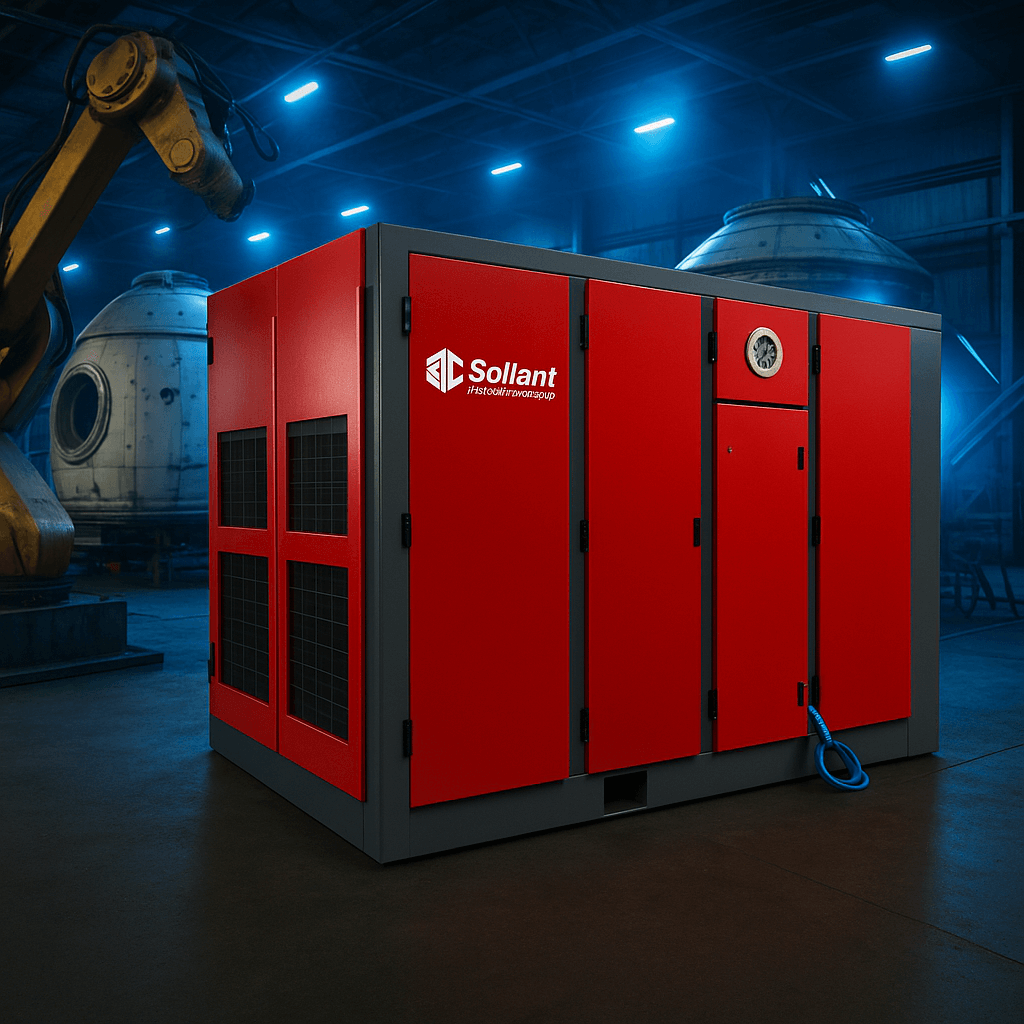
Think about how you will use your air compressor. Different jobs need different machines. Some jobs need strong air all the time. Other jobs only need air for a short time. Here are some things to think about:
- Heavy-duty jobs need higher CFM ratings. You should pick a bigger tank size. These compressors can run for a long time without getting too hot.
- Light-duty jobs work with smaller compressors. Lower CFM ratings are fine. These machines are best for jobs that do not need air all the time.
If you want to paint, package, or use tools all day, you need a heavy-duty model. For simple jobs like filling tires or cleaning, a light-duty compressor is enough. Picking the right compressor types air compressor for your job saves money and stops problems.
Tip: Always check what your job needs before you buy. This helps you get the right compressor for your work.
Usage Patterns
How you use your compressor helps you choose the right one. Small businesses and big factories use compressors in different ways. The table below shows common ways people use them:
| Business Size | Common Compressor Type | Usage Characteristics |
|---|---|---|
| Small Businesses | Reciprocating Compressors | Used for off-and-on jobs, good for lower air needs |
| Large Manufacturing Plants | Rotary Screw Compressors | Best for nonstop work, saves energy, and gives lots of air |
You might use your compressor for tools, moving things, or cleaning. Some people use compressors for packing, painting, adding air, or welding. In big factories, compressed air is very important. People call it the “fourth utility.” It runs machines and tools. Using compressed air can use a lot of electricity, sometimes up to 30% of the bill.
Note: Knowing how you use your compressor helps you pick one that works well and saves energy.
Pressure and Flow
PSI and CFM
When you choose an air compressor, you need to know about PSI and CFM. PSI stands for pounds per square inch. It shows how much pressure the compressor can make. CFM means cubic feet per minute. It tells you how much air the compressor can deliver.
Most air tools work best with 70 to 90 PSI. Light-to-medium-duty compressors can handle 90 PSI. Some tools need more pressure or more air flow. You should always check what your tools need before you buy a compressor.
Here is a table that shows the PSI and CFM needed for common industrial air tools:
| Tool Type | CFM Range | PSI Range |
|---|---|---|
| Impact Wrenches | 10-15 CFM | 90-100 PSI |
| Jackhammer | 60-90 CFM | 90 PSI |
| Sandblaster | 10-100+ CFM | 100-120 PSI |
| Air Hoist | 30-50 CFM | 90-100 PSI |
| Paint Sprayer | 4-12 CFM | 40-60 PSI |
Tip: Always pick a compressor that can deliver at least 20% more PSI than your highest tool requirement. This helps your tools work well and keeps your compressor safe.
Matching Tools
You need to match your compressor to your tools. Each tool needs a certain amount of air and pressure. If your compressor cannot meet these needs, your tools will not work right.
Follow these steps to match your compressor to your tools:
- List all your pneumatic tools. Write down the CFM and PSI each tool needs.
- Add up the CFM for all tools you want to use at the same time. Add a little extra for air leaks.
- Choose a compressor that gives at least 20% more PSI than your highest tool needs.
- Pick a tank size that fits your work. For long jobs, use a tank with at least 20 gallons.
- Look for a compressor with a high-duty cycle if you use your tools often.
- Check the noise level. Quiet compressors work better in small spaces.
Different tools need different CFM levels. Impact wrenches use more air than paint sprayers. The duty cycle tells you how long your compressor can run before it needs to cool down. Tank size affects how long you can use your tools before the compressor needs to recharge.
Note: Matching your compressor to your tools helps you work faster and keeps your equipment safe. If you need help, Sollant’s team can guide you to the best choice for your needs.
Oil-Free vs. Oil-Lubricated
Oil-Free Features
Oil-free air compressors make clean air. You do not have to worry about oil in your air. This is very important for food factories and hospitals. Clean air keeps products safe and protects equipment. Oil-free compressors help you follow strict cleanliness rules. Even a little oil can cause big problems in these places.
- Oil-free compressors give pure air for food, medicine, and electronics.
- You do not risk oil getting into your products.
- These machines help you follow safety rules and standards.
- Oil-free models use less energy, so you save money.
- You spend less time and money on fixing them because there is no oil to change.
Tip: Pick oil-free compressors if you need very clean air and want to spend less on fixing them.
Oil-Lubricated Features
Oil-lubricated compressors are good for hard jobs. They work strong and last a long time. These compressors use oil to help parts move well. Oil helps stop parts from wearing out and keeps the compressor cool. You must check and change the oil often. This means more work, but your machine lasts longer if you take care of it.
- Oil-lubricated compressors are made for tough jobs.
- They last longer and are very strong.
- You need to check and change the oil often.
- These compressors are good for big jobs in factories and workshops.
Note: Oil-lubricated compressors need more care, but they are strong and good for hard work.
Suitability
Pick the right compressor for your job. The table below shows which type is best for different jobs.
| Type of Compressor | Applications |
|---|---|
| Oil-Lubricated | Manufacturing, Construction, Automotive Repair, Heavy Equipment Maintenance |
| Oil-Free | Pharmaceuticals, Food & Beverage, Electronics, Healthcare, Textiles |
If you work with food, healthcare, or electronics, use oil-free compressors. If you need power for machines or tools in a shop, oil-lubricated models are better. Always think about how clean your air must be and how much fixing you want to do.
Energy Efficiency
Variable Speed
A variable speed air compressor helps you save energy. This compressor changes speed based on how much air you need. If you need less air, it slows down. If you need more air, it speeds up. You do not waste energy with this type.
- Variable speed compressors can lower energy use by 30% or more. In some places, you might save up to 70% on energy bills. Many places save 25% to 50% because the compressor only uses needed power.
Sollant has advanced variable speed compressors. These models help lower your electric bills and cut your carbon footprint. You get the air you need without wasting energy. This helps your business be greener and reach green goals.
Tip: If your air needs change during the day, pick a variable speed compressor. You will save a lot of money over time.
Maintenance
Good maintenance keeps your air compressor working well. Simple steps help you save energy and avoid big repairs. Check for air leaks often. Even small leaks can waste lots of energy. Set your pressure as low as possible for your tools. Cooler air helps your compressor work better.
- Stop air leaks to save energy.
- Set the right pressure for your tools.
- Use cooler air to help your compressor.
- Use waste heat for other jobs if you can.
- Install smart controls for better efficiency.
- Keep filters clean for good airflow.
- Manage water to stop damage.
- Do regular checks to find problems early.
Sollant makes compressors that are easy to care for. You get clear instructions and help from their team. Regular care keeps your compressor running well and saves you money.
Note: Good maintenance saves energy and helps your compressor last longer. You spend less on repairs and get more value from your machine.
Total Cost
Purchase Price
When you choose an air compressor, you need to look at the purchase price first. Different types and sizes have different prices. You can see the average price range for common air compressors in the table below:
| Type of Air Compressor | Price Range |
|---|---|
| 5HP Reciprocating Air Compressor | $1,000 to $2,500 |
| 5HP Rotary Air Compressor | $2,500 to $5,000 |
| 10HP Air Compressor | $3,500 to $7,000 |
| 25HP Reciprocating Industrial Air Compressor | $8,000 to $12,000 |
| 50HP Rotary Air Compressor | $12,000 to $18,000 |
| 100HP Industrial Air Compressor | $20,000 to $35,000 |
| 200HP Air Compressor | $40,000 to $70,000 |
| Used Air Compressors | $5,000 to $7,500 |
You should pick a model that fits your needs and budget. Bigger compressors cost more, but they can handle larger jobs. Used compressors cost less, but you may not get the same reliability or warranty.
Operating Costs
You need to think about more than just the purchase price. Most of the money you spend on an air compressor comes from running it every day. Energy and maintenance make up most of the total cost.
- About 76% of the total lifetime cost comes from electricity use.
- Energy Star says most of your compressor costs come from power bills.
- Efficient air delivery helps you save money as energy prices go up.
If you choose an energy-saving model, you can lower your bills. Sollant’s variable speed compressors help you use less electricity. Regular maintenance also keeps your machine running well and saves money over time.
Tip: Always check how much energy your compressor uses before you buy. Small savings each month add up over the years.
Warranty
A good warranty protects your investment. Sollant offers strong warranty terms that match or beat industry standards. You can see some examples below:
| Product | Warranty Duration |
|---|---|
| Low Pressure Screw Type Air Compressor | 2 years |
| SLT-132V 132kw/175hp | 24 months |
| SLT-7.5F 7.5kw/10hp | 24 months |
You get peace of mind with a long warranty. Sollant’s support team helps you with any problems during the warranty period. This means you can focus on your work and trust your compressor to last.
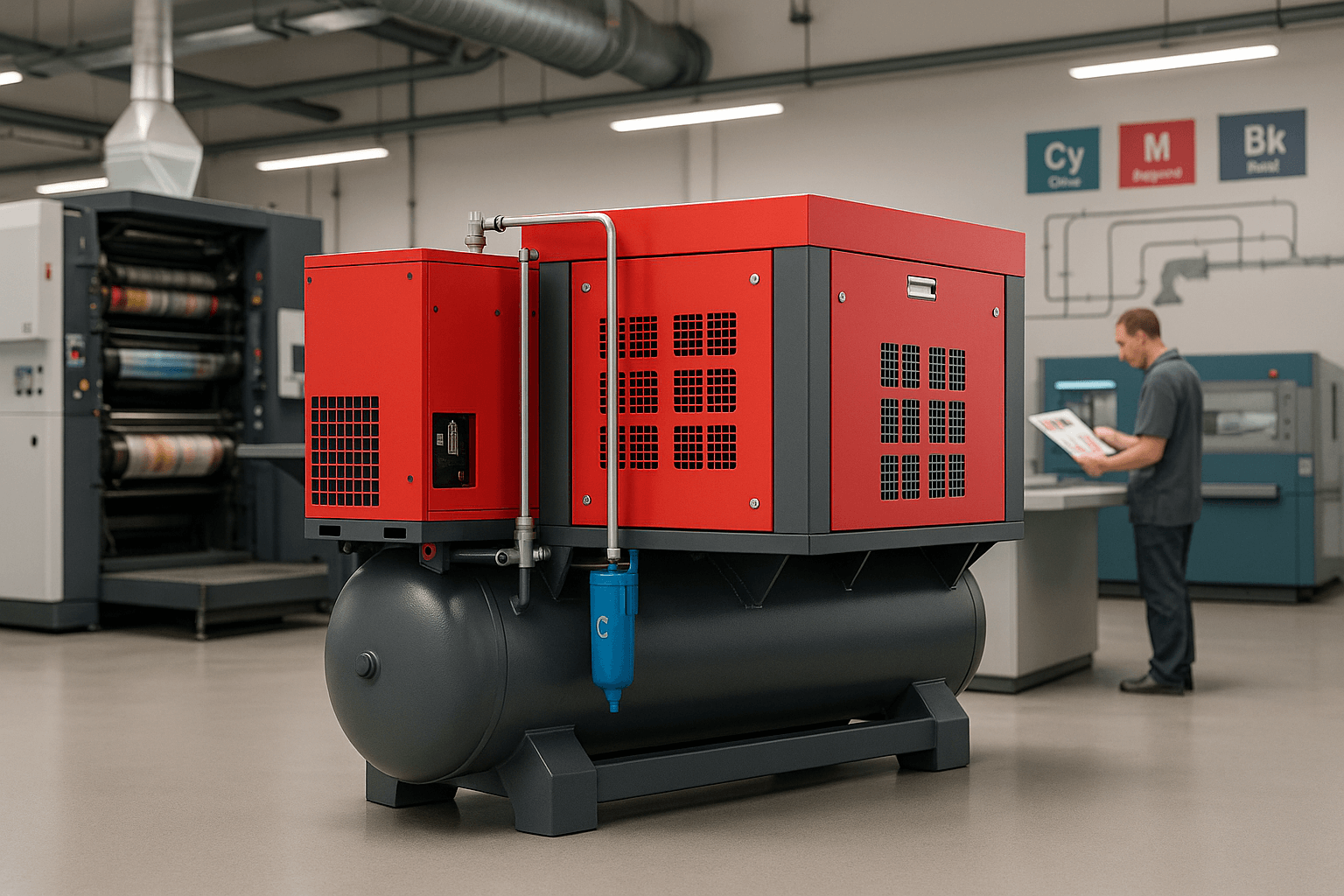
Sollant Solutions
Advanced Parts
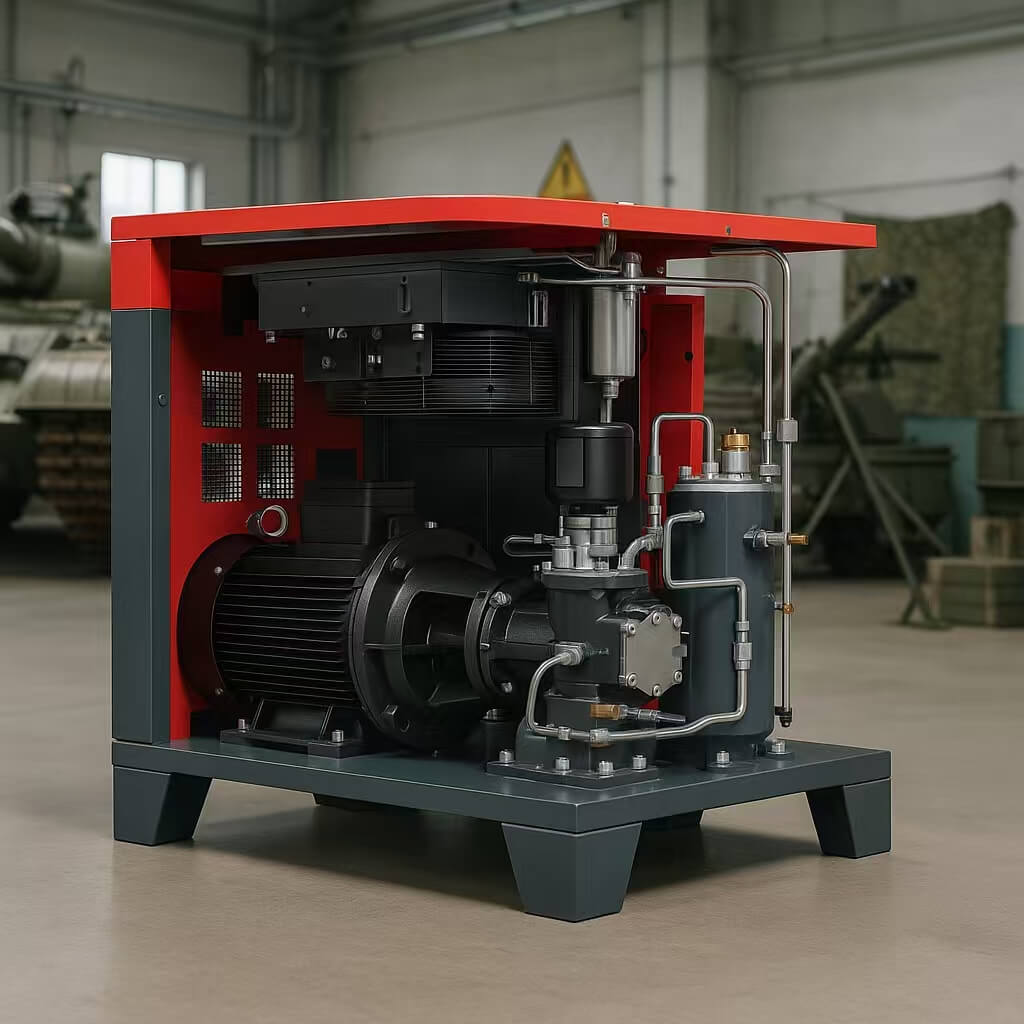
Sollant air compressors have special parts that help them work well. These parts make your job easier and safer. Some important parts in Sollant compressors are:
- Variable frequency drive technology saves energy and lowers your electric bill.
- Strong materials help the compressor work in hard places.
- Good filters take out water, oil, and dust. This gives you clean air for your tools.
- Smart control systems let you watch your compressor and fix problems fast.
- Long times between maintenance mean less stopping and more saving.
- Special rotor design and careful assembly make the compressor more reliable.
- Microcomputer control helps find problems and keeps your compressor safe.
- Intake valves and oil filters help the compressor run smoothly.
- Heavy-duty air filters with nano-film keep out more dust.
- Air-oil separator cores help keep your air clean.
Sollant makes every part to help you do your job better and keep your compressor working longer.
Customization
Sollant lets you change your air compressor to fit your needs. You can pick options that work best for your job and where you work. The table below shows how Sollant helps you get the right compressor:
| Customization Aspect | Description |
|---|---|
| Voltage Customization | Makes sure your compressor works safely with your local voltage. |
| Tailored Power and Capacity | Picks the right size and power for your work. |
| Pressure Precision | Changes the pressure to save energy for your job. |
| Specialized Materials and Coatings | Uses strong materials and coatings for tough places. |
| Advanced Features | Adds smart controls and energy-saving parts. |
| Noise and Vibration Control | Makes your workspace quieter and more comfortable. |
| Safety Enhancements | Adds safety parts to protect you and your team. |
| Maintenance Contracts | Offers service plans to keep your compressor working well. |
| Training and Support | Gives you training and help so you can use your compressor easily. |
| Energy Efficiency | Helps you save energy and lower your costs. |
You can work with Sollant to build a compressor that fits your needs.
Customer Success
Sollant helps people all over the world with good air compressors. Distributors and business owners trust Sollant for quality and support. A distributor in India saved money on repairs and got better results with Sollant’s parts and service. In Turkey, a government project used Sollant compressors for big jobs. The compressors worked well and helped finish the work on time.
Dealers like Sollant’s support and special trademark rights. They get help with supply and marketing. Customers say Sollant compressors are easy to use and last a long time. You can trust Sollant for strong products and good service.
Sollant works with you to make sure your compressor fits your needs and helps your business grow.
Decision Guide
Checklist
Before you choose an air compressor, you should check a few important things. This helps you find the best model for your work. Use this checklist to guide your decision:
- Air Pressure Requirements (PSI): Check the PSI your tools need. Pick a compressor that matches or exceeds this number.
- Tank Size: Decide how much air you need. Small tanks work for short jobs. Large tanks help with long or heavy-duty tasks.
- Horsepower (HP): Look at the HP rating. Make sure it gives enough power for your tools. Focus more on CFM and PSI.
- Duty Cycle: Think about how often you use your compressor. If you need air all day, choose a model with a 100% duty cycle.
- Energy Efficiency: Look for features like variable speed drive. These save energy and lower your bills.
- CFM Output: Make sure the compressor gives enough air flow for all your tools.
- Power Source Compatibility: Check if your power supply matches the compressor’s needs.
- Maintenance Needs: Choose a model that fits your ability to keep it running well.
Tip: Write down your needs before you shop. This makes it easier to compare models.
Practical Tips
You can avoid common mistakes by following these tips:
- Learn about different compressor types. Pick the one that fits your job.
- Match the compressor size to your tools. Check both CFM and PSI.
- Do not focus only on tank size. Make sure you get enough air flow.
- Choose a compressor with more CFM than you think you need.
- Know the duty cycle. This stops your work from getting interrupted.
- Make sure your power source can handle the compressor.
- Think about how much care each type needs. Pick one you can maintain.
Remember: A good choice saves you money and helps your work go smoothly. If you need help, Sollant’s team can guide you through every step.
To pick the right air compressor, follow these steps. First, figure out how much air you really need. Next, decide what air quality your job must have. Then, see how each compressor works in your setup. Last, add up all costs, like energy and fixing.
Sollant is special because it uses new technology and gives strong help.
| Feature/Benefit | Sollant Air Compressors | Other Leading Brands |
|---|---|---|
| Energy Efficiency | 30% to 35% savings | Varies |
| Parts Quality | Uses top brands like Schneider | Varies |
You can get more info or talk to experts at these links:
| Resource Description | Link |
|---|---|
| Sollant Group – Top Manufacturer | Visit |
| Contact Sollant Group | Contact Us |
| FAQ for Customer inquiries | FAQ |
| Sollant Compressor Manufacturer | Visit |
Check the list above to help you choose. Sollant’s team can help you find the best air compressor for your needs.
FAQ
What size air compressor do you need for your workshop?
You should check the tools you use. Look at the CFM and PSI each tool needs. Add up the numbers for all tools you use at once. Pick a compressor with a little extra capacity.
How often should you maintain your air compressor?
You should check your compressor every week. Clean the filters and look for leaks. Change the oil if you use an oil-lubricated model. Regular care helps your compressor last longer.
Can you use an oil-free compressor for painting?
Yes, you can use an oil-free compressor for painting. Oil-free models give you clean air. This helps you avoid paint defects and keeps your work area safe.
What makes Sollant compressors energy efficient?
Sollant compressors use variable speed technology. This lets you adjust power to match your needs. You save energy and lower your bills. Smart controls also help you monitor usage.
Request a Quick Quote Now
How to do my business well ?
- Market situation
- Technology configuration
- Strike Price
- exclusive agency
- Import and export assistance
- More…

