
What is the compression ratio of an air compressor?
You should know what compression ratio means when using an air compressor. Compression ratio is the amount of discharge pressure compared to suction pressure. This number shows how much your machine can increase air pressure. Knowing this helps you pick the right equipment and keep it working well. Sollant is a trusted maker. They make energy-saving rotary screw air compressors. These use advanced technology to help you get better results.
Table of Contents
Key Takeaways
Know the compression ratio to pick the right air compressor. It tells you how much the machine raises air pressure. – Use this formula: Compression Ratio = Discharge Absolute Pressure / Intake Absolute Pressure. This helps you find the ratio correctly. – Pick the best compressor type for your needs. Each type has its own compression ratio and works differently. – Take care of your compressor often. Look for leaks and control moisture. This keeps your compressor working well. – Ask experts like Sollant for help with the compression ratio. This saves energy and helps your compressor last longer.
Compression Ratio Basics
Definition
It is important to know what compression ratio means before picking an air compressor. Compression ratio tells you how much the machine raises air pressure from where it starts to where it ends. Think of it as a number that shows how many times the air pressure goes up inside the compressor.
Tip: Always use absolute pressure when figuring out compression ratio. Absolute pressure means you count the air around us, not just what the gauge says.
Here is a table that shows the main parts of the formula:
Component | Description |
|---|---|
CR | Compression Ratio |
pd | Discharge Absolute Pressure (bar abs, psia) |
ps | Suction Absolute Pressure (bar abs, psia) |
Formula | CR = pd / ps |
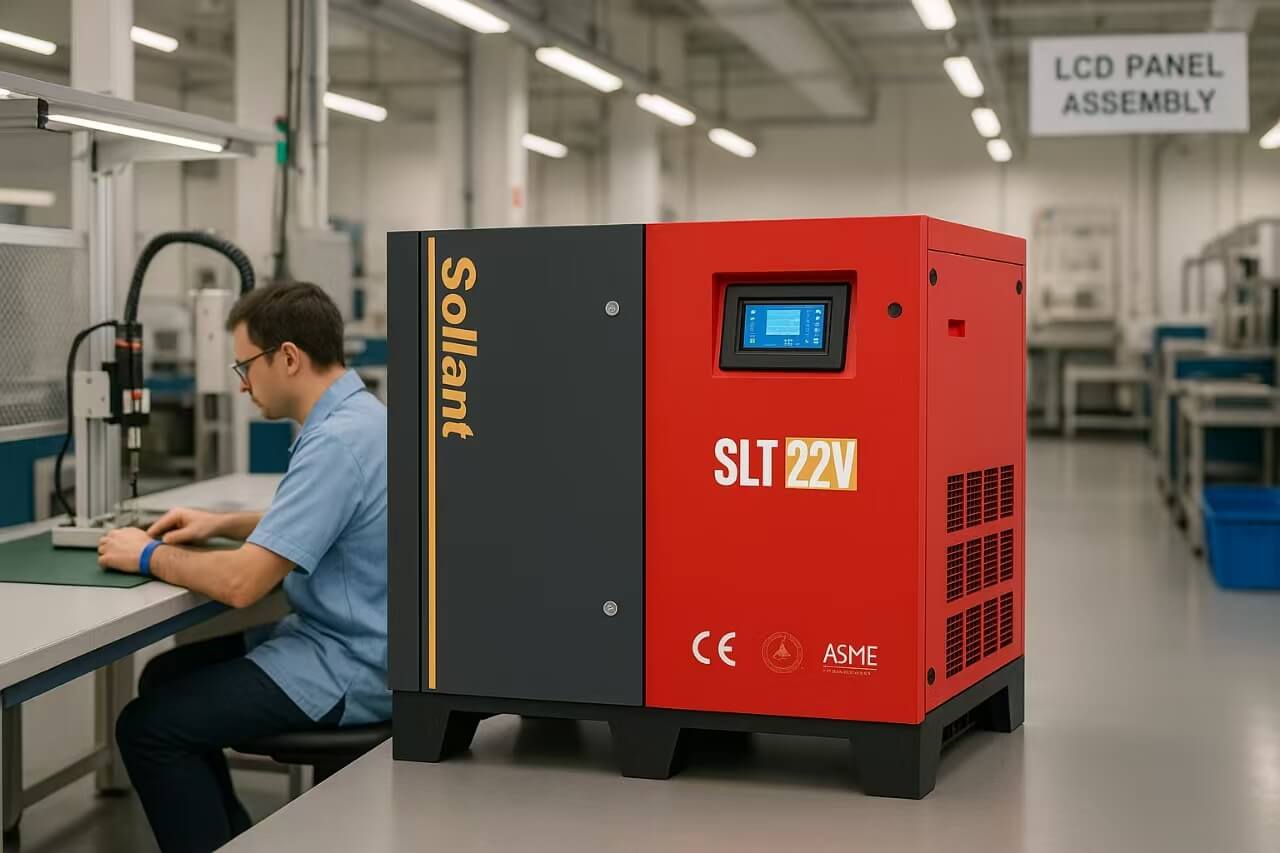
Sollant is a top company in energy-saving air compressor technology. They make machines that use the right compression ratio for different jobs. Their rotary screw air compressors use smart engineering to give you steady and efficient air.
Calculation
You can find the compression ratio with a simple formula. Take the discharge absolute pressure and divide it by the intake absolute pressure.
Compression Ratio = Discharge Absolute Pressure / Intake Absolute Pressure
Let’s see an example. If your air compressor takes in air at 0.1 MPa (atmospheric pressure) and pushes it out at 0.8 MPa (gauge pressure), you first add the atmospheric pressure to the gauge pressure to get the discharge absolute pressure. That means 0.8 + 0.1 = 0.9 MPa. Now, divide 0.9 MPa by 0.1 MPa. The compression ratio is 9.
Formula Type | Formula |
|---|---|
Compression Ratio | Compression Ratio = P2 / P1 |
Where P2 is Outlet Pressure | P1 is Inlet Pressure |
There are two types of compression ratios: internal and external. These change how your air compressor works and how much energy it needs.
Compression Ratio Type | Definition | Performance Impact |
|---|---|---|
Internal Compression Ratio | Ratio of pressure in the inter-tooth volume of the main engine to suction pressure. | When not the same as external ratio, it uses more power. |
External Compression Ratio | Ratio of pressure in the exhaust pipe to suction pressure. | When it matches the internal ratio, the engine works best and saves energy. |
Sollant’s team looks at both internal and external compression ratios. They make sure their air compressors work well and last a long time. If you match the internal and external ratios, you get the best results and save energy.
Note: If the internal compression ratio does not match the external ratio, your compressor may use more power and get hotter. Sollant’s rotary screw air compressors use smart design to stop this from happening.
Knowing about compression ratio helps you choose the right air compressor and keep it working well. Sollant’s skill makes it easy for you to get reliable and energy-saving machines.
Air Compressor Types and Ratios
When you choose an air compressor, you need to know how different types work and what compression ratios they use. Each type has its own strengths and best uses.
Reciprocating
Reciprocating compressors use pistons to squeeze air. You often see these in workshops and factories. The compression ratio can change depending on the job. Most machines work between 1.2 and 4.0. Some special models reach up to 4.0 for high-pressure needs.
Compression Ratio Type | Typical Values |
|---|---|
Booster Service | Slightly over 1.0 |
Usual Practice | 2 to 3.75 |
Special High Ratio Machines | Roughly 4.0 |
Tip: Reciprocating compressors are good for short bursts of air and smaller jobs.
Rotary Screw
Rotary screw compressors use two spinning screws to compress air. You get steady airflow and high efficiency. The compression ratio ranges from 2 to 20, making these machines great for many industries.
Compressor Type | Compression Ratio | Calculation |
|---|---|---|
Single-Stage | 125 psia / 14.7 psia | |
Two-Stage (First) | 2.38 | 35 psia / 14.7 psia |
Two-Stage (Second) | 3.57 | 125 psia / 35 psia |
Sollant specializes in rotary screw air compressors. You get energy-saving benefits because these machines run cooler and use less power. Two-stage rotary screw compressors save even more energy in steady-flow jobs. Over time, you can lower your power costs, which may be up to 75% of total ownership costs.
Two-stage rotary screw compressors work best when you need constant air.
You may pay more at first, but you save money on energy in the long run.
Scroll
Scroll compressors use two spiral-shaped parts to compress air. These are quiet and clean. You often see them in labs or places that need oil-free air. The typical compression ratio is about 3.1.
Note: Scroll compressors are best for low-pressure, clean air jobs.
Centrifugal
Centrifugal compressors use spinning blades to push air outward. These work well for large factories and places that need lots of air. The compression ratio ranges from 2:1 to 20:1.
Compressor Type | Compression Ratio Range |
|---|---|
Centrifugal | 2:1 to 20:1 |
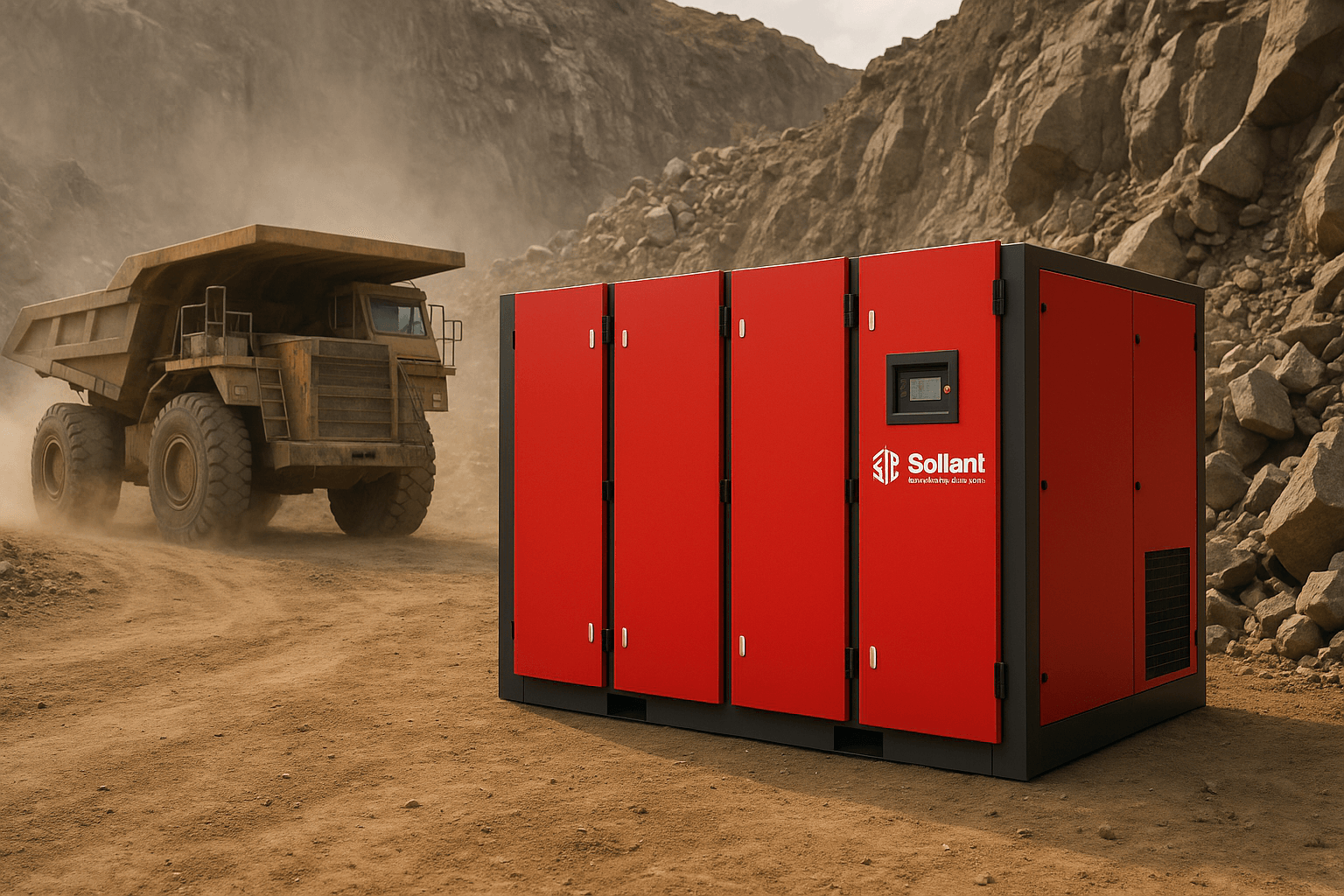
You can see that each air compressor type fits different needs. Sollant’s rotary screw compressors stand out for their energy-saving design and reliable performance. You get steady air, lower costs, and long-lasting equipment.
Why Compression Ratio Matters
Efficiency
You want your air compressor to use energy well. The compression ratio is very important for this. When the compression ratio gets higher, the machine needs more power. This means you pay more for electricity. If you set the compression ratio too high, you waste energy and money. Sollant makes rotary screw air compressors that fit the right compression ratio for your job. Their smart designs help you get more air with less energy. You can also use the Smartronic Pro Controller. It lets you watch and control your compressor for better efficiency.
Temperature
The compression ratio also changes how hot your compressor gets. When the compression ratio goes up, the discharge temperature rises too. For example, if the compression ratio goes from 3.5 to 6.32, the discharge temperature can go from 234.3°F to 335.7°F. High temperatures can hurt parts and make the lubricant not last as long. Sollant uses strong parts and smart cooling to keep the temperature safe. Their compressors can do hard jobs without getting too hot. You get a machine that stays cool and lasts longer.
Tip: Using the right compression ratio helps you avoid high heat and keeps your equipment safe.
Equipment Life
A high compression ratio puts more stress on moving parts. Bearings, rotors, and seals have to work harder and wear out faster. If you use the right compression ratio, you protect these parts and your machine lasts longer. Sollant gives you strong air compressor parts made with tough materials. Their filters and separators use nano-plating and thick materials to fight heat and chemicals. This means less damage, fewer breakdowns, and lower repair costs for you.
Compressor Type | Features |
|---|---|
Single-Stage Reciprocating Compressors | Good for many uses, great for DIY and pros, gives steady air for lots of jobs. |
Two-Stage Reciprocating Compressors | Built for heavy work, strong, small size, electric-powered for smooth running. |
High-Pressure Reciprocating Compressors | Made for very high air pressure, works well in tough jobs. |
Oil-Free Reciprocating Compressors | No oil used, gives clean air for places that need pure air. |
Sollant helps you pick the right compressor so it lasts a long time.
Stability
You need steady air for your tools and machines. The compression ratio helps keep the gas amount steady. If the ratio is too high, you might get gas leaks or less air because of expansion. This can make your equipment work badly or stop. High compression ratios also cause more stress, which can wear out parts faster and make lubrication worse.
The compression ratio is very important for how well your air compressor works.
A higher compression ratio can cause more gas leaks and less air because of expansion.
More stress from high compression ratios can wear out parts and make lubrication not work as well, which hurts gas stability.
Sollant’s compressors have things like built-in dryers and heat recovery to keep air clean and work steady. Their machines are quiet and give you steady air, even in hard places.
Note: Picking the right compression ratio keeps your air steady and your equipment working well.
Sollant’s smart technology and strong parts help you control the compression ratio for the best results. You get efficient, cool, and steady air for your business.
Selecting and Maintaining Your Air Compressor
Matching Requirements
You need to match your air compressor to your job. Start by checking the pressure your tools or machines need. Use the right compression ratio for your application. If you pick a compressor with too high a ratio, you waste energy. If the ratio is too low, your equipment may not work well.
Here is a simple table to help you choose:
Compression Ratio Range | Recommended Compressor Type |
|---|---|
1:1 to 5:1 | Single-stage compressor |
5:1 to 8:1 | Single-stage or two-stage |
8:1 to 12:1 | Two-stage compressor |
Above 12:1 | Three-stage or higher |
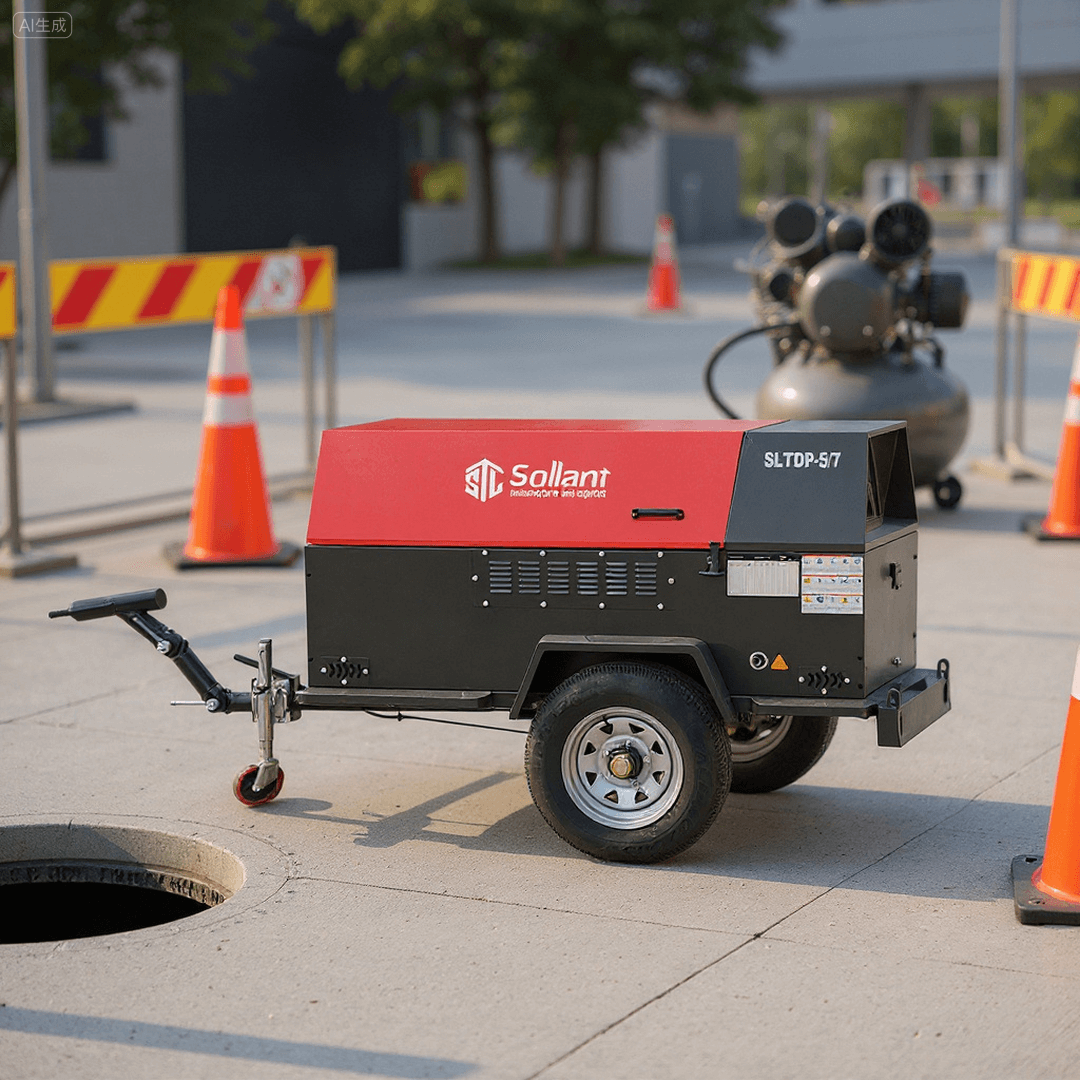
Sollant offers many models. You can find a solution that fits your needs. Their team helps you select the right compressor for your business.
Tip: Always check the minimum pressure your equipment needs before buying.
Dynamic Adjustment
Modern compressors use smart controls. Variable frequency drives (VFDs) let you adjust the compression ratio by changing the motor speed. When you need more air, the compressor speeds up. When you need less, it slows down. This saves energy and keeps your system running smoothly.
You can use different control types to match your needs:
Start/Stop: Good for small jobs.
Load/Unload: Works for big factories.
Modulating: Adjusts output for large systems.
Variable Displacement: Helps rotary screw compressors run efficiently.
VFDs: Best for places where demand changes often.
Sollant’s rotary screw compressors use advanced controllers. You get steady air and lower costs.
Maintenance Tips
You must keep your compressor in good shape. Regular maintenance helps you keep the right compression ratio and save money.
Inspect your compressor often.
Check for leaks. Even small leaks can waste a lot of air.
Manage moisture. Water in the system can cause problems.
Clean the intercooler and aftercooler.
Make sure the oil cooler works well.
A leak as small as ¼ inch can waste nearly 100 cfm.
Good maintenance lowers repair costs and saves energy.
Sollant provides support and custom solutions for many industries. You can get help with installation, maintenance, and upgrades. Their experts make sure your compressor runs well and lasts longer.
Note: Regular care keeps your compressor working and saves you money.
Common Misconceptions
High Ratio Myths
Some people think a higher compression ratio is always better. They believe more pressure means stronger air and more power. But this is not always right. If you pick a compressor with too high a ratio, you waste energy and money. Your machine can get hotter and parts may wear out faster. Sollant makes rotary screw air compressors that use the right ratio for each job. This gives you steady air and saves electricity. The best compressor is the one that fits what you really need.
Tip: Check what your tools need before you choose a compressor. Bigger is not always better.
Adjustment Limits
You might think you can set the compression ratio however you want. But your air compressor’s design sets limits. You can only change the discharge pressure a little bit. You cannot change the ratio a lot. The inside parts, like screws and pistons, work best at certain ratios. If you go past these, you can break the machine and pay more for repairs. Sollant uses smart designs so their compressors run safely within these limits. Their advanced controllers help you change output without hurting the machine.
Belief | Reality |
|---|---|
You can adjust ratio | Only small changes are possible |
Any setting is safe | Best results come from matched settings |
Altitude Effects
Altitude changes how your compressor works. When you go higher, the air gets thinner. The highest pressure your compressor can reach goes down because the starting pressure is lower. The compression ratio stays the same if you keep the speed steady, but the real output changes. Some types, like roots compressors, act differently at different heights.
Air is thinner at high places.
Maximum pressure goes down.
Efficiency can change with altitude.
Sollant’s team knows about these problems. They help you pick and set up compressors that work well, even in high places. You get steady air and good performance wherever you are.
Note: Always ask experts like Sollant if you need a compressor for special places. They know how to match the right machine to your location.
If you know how to control the compression ratio, you can get the right air pressure and flow. This helps you save energy and keeps your compressor working well.
If suction pressure changes or there is liquid in the gas, your compressor may use more power and work less well.
Checking your compressor often and using zero-loss drains can stop leaks and save energy.
Key Focus Areas | Benefits |
|---|---|
Making things work better | |
Taking care of your machine | Makes your compressor last longer |
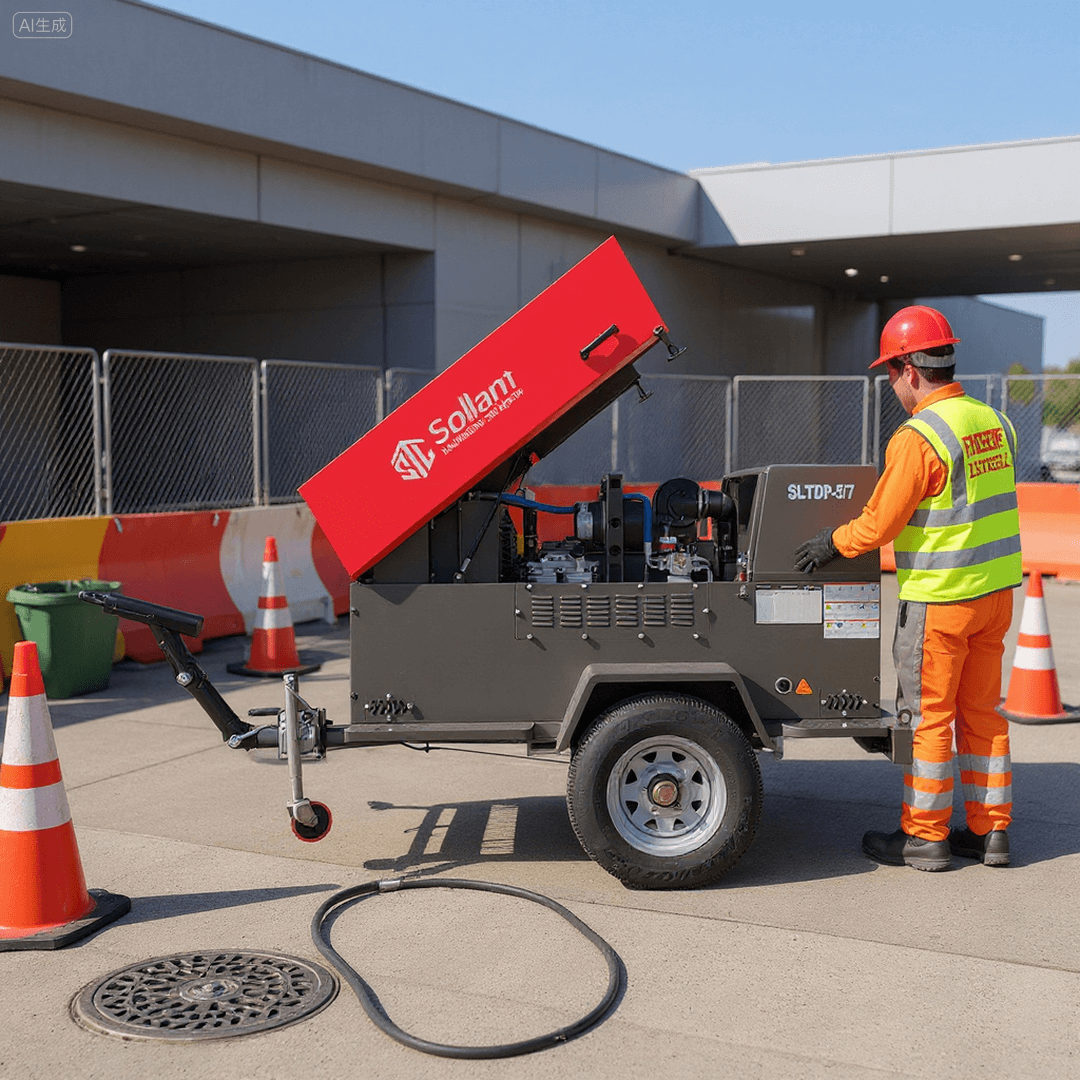
Sollant gives you rotary screw air compressors you can trust. Their experts help you find what you need so your business can do better.
FAQ
What is the best compression ratio for my air compressor?
Pick a compression ratio that fits your equipment. Sollant experts can help you choose the right one. The correct ratio saves energy and keeps your compressor working well.
How often should I check my air compressor’s compression ratio?
Check your compressor’s performance once a month. Regular checks help you find problems early. Sollant suggests using smart controllers to watch your system and keep it running smoothly.
Can I adjust the compression ratio on my own?
You can change the discharge pressure a little bit. But the design of your compressor sets limits. Sollant’s rotary screw compressors have advanced controls. These help you make safe changes without hurting your machine.
Does altitude affect my air compressor’s compression ratio?
Yes, altitude changes the air pressure around you. Sollant’s team can help you set up your compressor for high places. This way, you get steady air and good performance.
Why should I choose Sollant for my air compressor needs?
Sollant gives you energy-saving rotary screw air compressors and expert help. You get reliable machines, custom solutions, and help with picking and caring for your compressor. Sollant helps you use less energy and spend less money.
Request a Quick Quote Now
How to do my business well ?
- Market situation
- Technology configuration
- Strike Price
- exclusive agency
- Import and export assistance
- More…

