
The tripping and shutdown failure of a screw air compressor
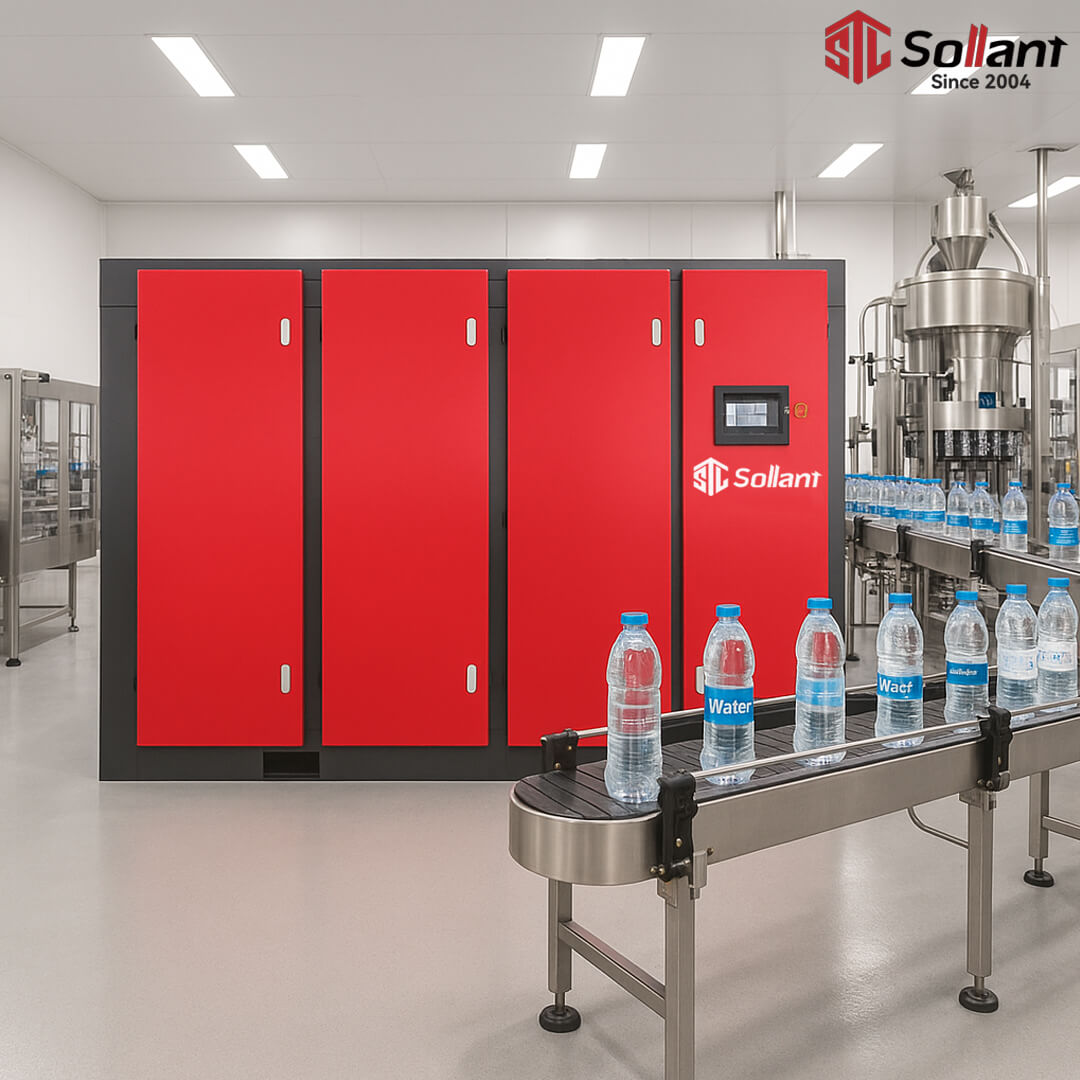
A screw air compressor may trip or shut down due to protection mechanisms or component faults. These failures disrupt production and shorten equipment lifespan. Operators in manufacturing environments face frequent shutdowns, which cause:
Increased maintenance costs
Economic losses from halted operations
A rotary screw compressor can show reduced output, inconsistent pressure, longer recovery after heavy use, and higher energy consumption. Sollant delivers advanced rotary screw compressor solutions, supporting stable and efficient performance for every compressor in demanding settings.
Table of Contents
Key Takeaways
Screw air compressors can trip or shut down due to overload, high temperature, abnormal pressure, or electrical faults. Understanding these causes helps prevent costly downtime.
Regular maintenance is crucial. Schedule inspections, replace filters, and monitor oil levels to keep compressors running efficiently and avoid shutdowns.
Use high-quality parts, like those from Sollant, to enhance reliability. Quality components reduce the risk of failures and extend the lifespan of the equipment.
Implement systematic troubleshooting steps to diagnose issues. Check electrical systems, validate pressure settings, and inspect mechanical components to resolve problems quickly.
Monitor compressor health with early detection technologies. Smart sensors can track performance and alert operators to potential issues before they lead to shutdowns.
Common Causes in Screw Air Compressors
Screw air compressors can experience sudden shutdowns or frequent tripping due to several core issues. Operators often encounter these failures during demanding production cycles. Understanding the root causes helps prevent downtime and protects the equipment.
Overload Trip
An overload trip occurs when the compressor motor draws more current than its rated capacity. This situation often signals excessive mechanical load or electrical imbalance.
At full load, a compressor may pull 38 amps, while the expected full load current is only 29.7 amps.
Manufacturers typically set the trip threshold at 31.5 amps. If the compressor runs above this value, the system will trigger a shutdown to prevent overheating or damage.
Locked rotor amps can surge to six times the normal value, so monitoring current is critical.
Overload trips can result from worn bearings, misaligned couplings, or blocked intake valves. These issues increase resistance and force the motor to work harder. When the compressor faces overload, it protects itself by shutting down. Sollant compressors use advanced sensors and robust components to minimize the risk of overload and ensure stable operation.
High Temperature
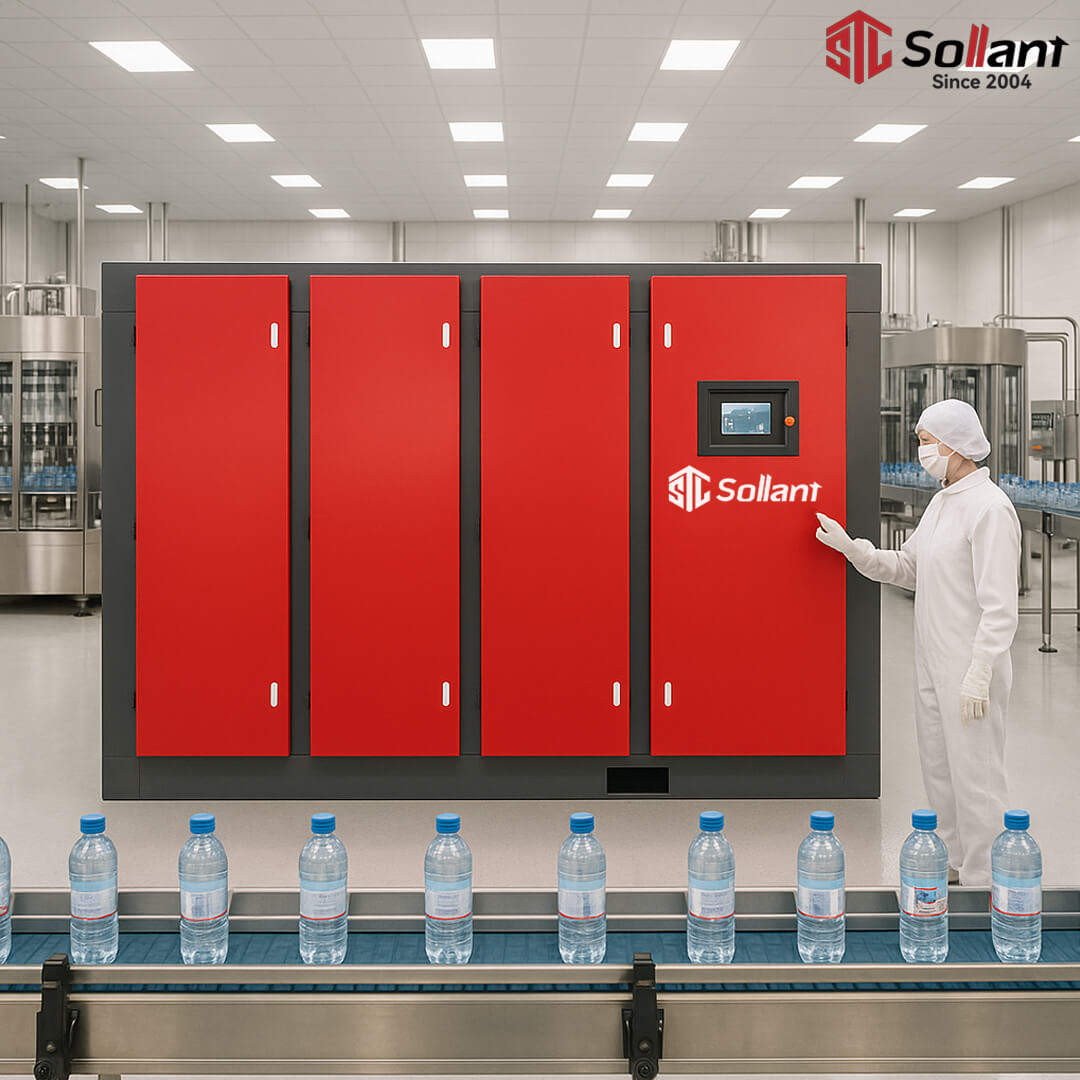
High temperature is a leading cause of compressor shutdowns. The normal exhaust temperature range for a screw air compressor falls between 70 ℃ and 120 ℃. If the temperature exceeds this range, the system will initiate a shutdown to avoid damage.
Several factors can cause high temperature shutdowns:
Environmental temperature rises, reducing air density and cooling efficiency.
Oil shortage in the compressor system leads to poor heat dissipation.
Malfunctioning oil shutoff valves restrict oil flow.
Blocked oil filters prevent proper lubrication.
Faulty thermal control valves bypass the cooler, raising oil temperature.
Improper oil adjustment disrupts cooling.
Worn or degraded oil loses its effectiveness.
Cooling system malfunctions, especially in water-cooled units.
Incorrect or low-quality lubricating oil increases friction.
Blocked air filters raise internal temperatures.
Excessive system pressure adds to the thermal load.
Blocked oil-gas separators cause internal pressure and heat buildup.
Sollant designs its compressors with high-efficiency cooling systems and quality lubricants to prevent high temperature shutdowns. Regular maintenance and proper oil management further reduce the risk.
Abnormal Pressure
Abnormal pressure, including both overpressure and insufficient air pressure, can trigger protection mechanisms in a compressor. Overpressure occurs when the system exceeds its set pressure limit, often due to a stuck intake valve or a faulty pressure sensor. The compressor will shut down to prevent damage to internal components.
Insufficient air pressure is another common issue. If the oil-gas separator filter becomes clogged or the check valve leaks, the system cannot maintain the required pressure. Operators may notice a continuous drop in pressure, which leads to insufficient air pressure at the point of use. This problem can cause production delays and reduce the effectiveness of pneumatic tools. Frequent insufficient air pressure events signal the need for filter replacement or valve repair.
Sollant compressors feature precise pressure control systems and durable filters. These components help maintain stable pressure and minimize the risk of both overpressure and insufficient air pressure shutdowns.
Electrical Faults
Electrical faults represent a significant cause of compressor shutdowns. These faults often originate in the control circuit rather than the main power supply. The most prevalent electrical issues include:
Electrical Faults | Description |
|---|---|
Thermal relay malfunctions | Issues with the thermal relay can lead to improper operation, causing the compressor to shut down. |
Overloads | Excessive current can trigger protective mechanisms, resulting in shutdowns. |
Power supply problems | Fluctuations or failures in the power supply grid can disrupt compressor operation. |
Loose wiring, corroded contacts, or faulty relays can interrupt the control signals. These problems may cause the compressor to stop unexpectedly or fail to restart. Sollant addresses these risks by using high-quality electrical components and rigorous testing procedures.
Note: Sollant compressors are engineered to minimize these common risks. Advanced design, quality parts, and strict manufacturing standards help ensure reliable performance and reduce the frequency of shutdowns.
Troubleshooting Frequent Tripping or Shutdowns
Frequent tripping or shutdowns in screw air compressors can disrupt operations and lead to costly downtime. Operators can resolve most issues by following systematic troubleshooting steps. Using quality parts, such as those from Sollant, helps prevent recurring problems and ensures long-term reliability.
Diagnosing Overload
Overload trips often signal excessive mechanical or electrical stress on the compressor. Operators should follow these troubleshooting steps to identify and resolve the root cause:
Inspect the Electrical System
Use a multimeter to check the power supply voltage. The voltage should remain stable within the rated range, such as 380V ±5%.
Tighten all electrical terminals and clean contactors to ensure good connections.
Validate Discharge Pressure Settings
Calibrate pressure sensors and controllers. Make sure discharge pressure settings do not exceed the compressor’s rated pressure.
Inspect downstream air systems for pipeline blockages or closed valves that may increase load.
Diagnose Mechanical Systems
Disconnect power and manually rotate the compressor coupling to check for resistance or binding.
Monitor the oil-gas separator’s differential pressure gauge. Replace the filter if the pressure is too high.
Tip: Using high-quality electrical components and precision sensors, like those in Sollant compressors, reduces the risk of overload and extends equipment life.
Resolving High Temperature
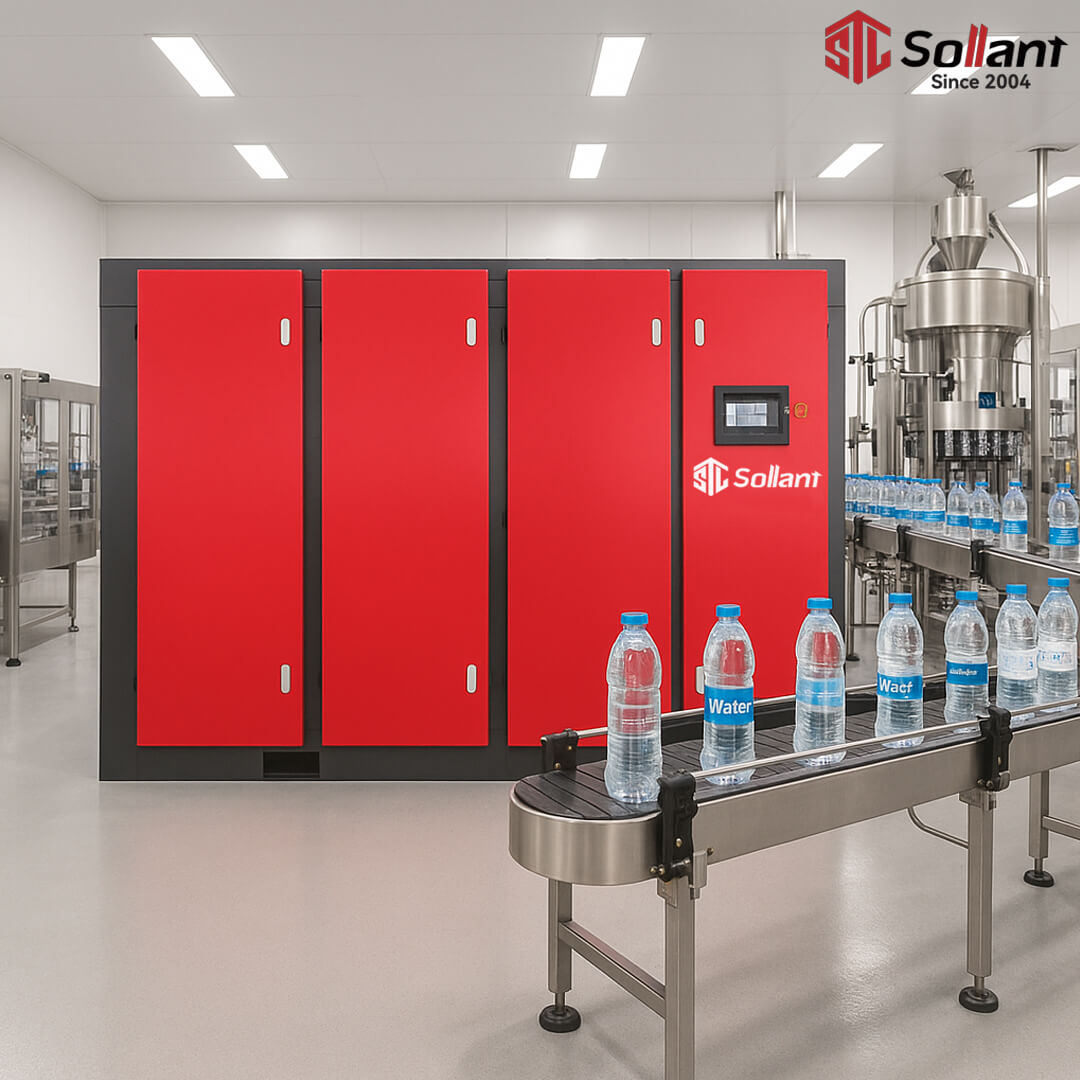
High temperature shutdowns can result from poor cooling, low lubricant levels, or environmental factors. Operators should use these troubleshooting steps to address temperature issues:
Monitor and maintain correct lubricant levels. Replace oil and filters on schedule.
Keep radiators clean and free from dust or blockages.
Inspect and service fans, belts, and pumps regularly.
Place the compressor in a well-ventilated area to improve cooling.
Use genuine spare parts and consumables to maintain efficiency.
Additional troubleshooting steps include:
Replace lubricant as recommended by the manufacturer.
Check and clean air and oil filters.
Unblock coolers and clean heat exchangers.
Repair cooling fans and ensure proper water cooling.
Maintain correct oil levels and use approved oil.
Replace blocked air filters and monitor exhaust pressure.
Improve ventilation and control room temperature.
Replace faulty sensors and optimize PLC settings.
Note: Sollant compressors feature advanced cooling systems and durable parts, which help maintain stable temperatures and prevent shutdown.
Fixing Pressure Issues
Abnormal pressure can cause the compressor to trip or shut down. Operators should follow these troubleshooting steps to identify and fix pressure problems:
Locate the pressure gauge on the compressor.
Start the compressor and allow it to build pressure.
Monitor the pressure gauge as the pressure increases.
Check the maximum pressure once the compressor shuts off.
Use a separate gauge at the tool’s outlet to verify delivered pressure.
Real-time pressure monitoring systems provide continuous oversight of operational parameters. These systems allow for immediate detection of potential issues, enabling timely interventions and reducing the risk of unplanned outages. Sollant compressors use precise pressure control and high-quality filters to maintain stable operation.
Addressing Electrical Problems
Electrical faults can stop a compressor without warning. Operators should use the following troubleshooting steps to diagnose and resolve electrical issues:
Diagnostic Method | Possible Causes | Solutions |
|---|---|---|
Power not connected or phase loss | Use a multimeter to check each phase voltage; ensure balanced power | |
Inspect control circuits | Control voltage fault (e.g., burned transformer) | Check transformer output; replace if burned or fuse is blown |
Use multimeters for voltage/current | Start button damaged or poor contact | Replace or clean the start button |
Thermal relay tripped due to overload | Manually reset thermal relay and check motor load | |
Damaged contactor or control relay | Inspect contactor coil; replace if faulty | |
If PLC is present, check fault codes | Reset PLC before restarting |
High-quality electrical components, such as those used in Sollant compressors, ensure a stable air supply and precise control of operational parameters. Permanent magnet motors in Sollant products maintain high efficiency, even at reduced speeds, which helps minimize energy waste and reduces the frequency of shutdowns.
Pro Tip: Regularly inspect and maintain all electrical connections. Use only genuine parts to ensure safety and reliability.
Preventive Maintenance for Screw Air Compressors
Regular Inspections
Routine inspections form the foundation of reliable compressor operation. Technicians should follow a structured schedule to identify wear, leaks, and abnormal noise before they escalate. The table below outlines recommended maintenance intervals:
Maintenance Task | Frequency |
|---|---|
Daily | Inspect for air/oil leaks, top off oil, drain condensate, check noise/vibration. |
Weekly | Clean/change inlet filters, test controls. |
Monthly | Clean heat exchangers; check belts and hoses. |
Basic PM | 1,000–2,000 hrs/6 months: Change filters, log conditions, tighten connections. |
Full PM | 2,000–4,000 hrs/12 months: Add oil separators, replace belts and drain valves. |
Triennial PM | 8,000–12,000 hrs/3 years: Rebuild valves, replace thermal/solenoid valves, drive coupling, and starter contacts. |
Consistent inspections help prevent unexpected compressor shutdowns and extend equipment life.
Lubrication and Filter Care
Proper lubrication and filter maintenance protect the compressor from heat and contamination. Lubricants coat bearings and seal rotors, reducing friction and managing temperature. Regular filter changes keep dust and debris out of the air intake, preserving air quality and efficiency.
Neglecting lubrication or filter care leads to excessive noise, reduced performance, and premature compressor failure.
Operators should:
Replace intake air filters and inline filters regularly.
Use manufacturer-approved lubricants to prevent varnishing and overheating.
Monitoring and Early Detection
Early detection technologies allow operators to monitor compressor health in real time. Smart sensors track temperature, pressure, and vibration, providing instant feedback on system performance. Vibration analysis detects faults in rotating components, while oil analysis reveals lubricant condition.
Monitoring systems measure pressure levels, temperatures, power consumption, oil levels, and vibrations.
IoT-enabled systems offer centralized control and continuous tracking, reducing unplanned downtime.
Predictive maintenance uses data trends to forecast failures before they occur.
These tools help service personnel identify potential faults and maintain optimal compressor performance.
Sollant Support and Solutions
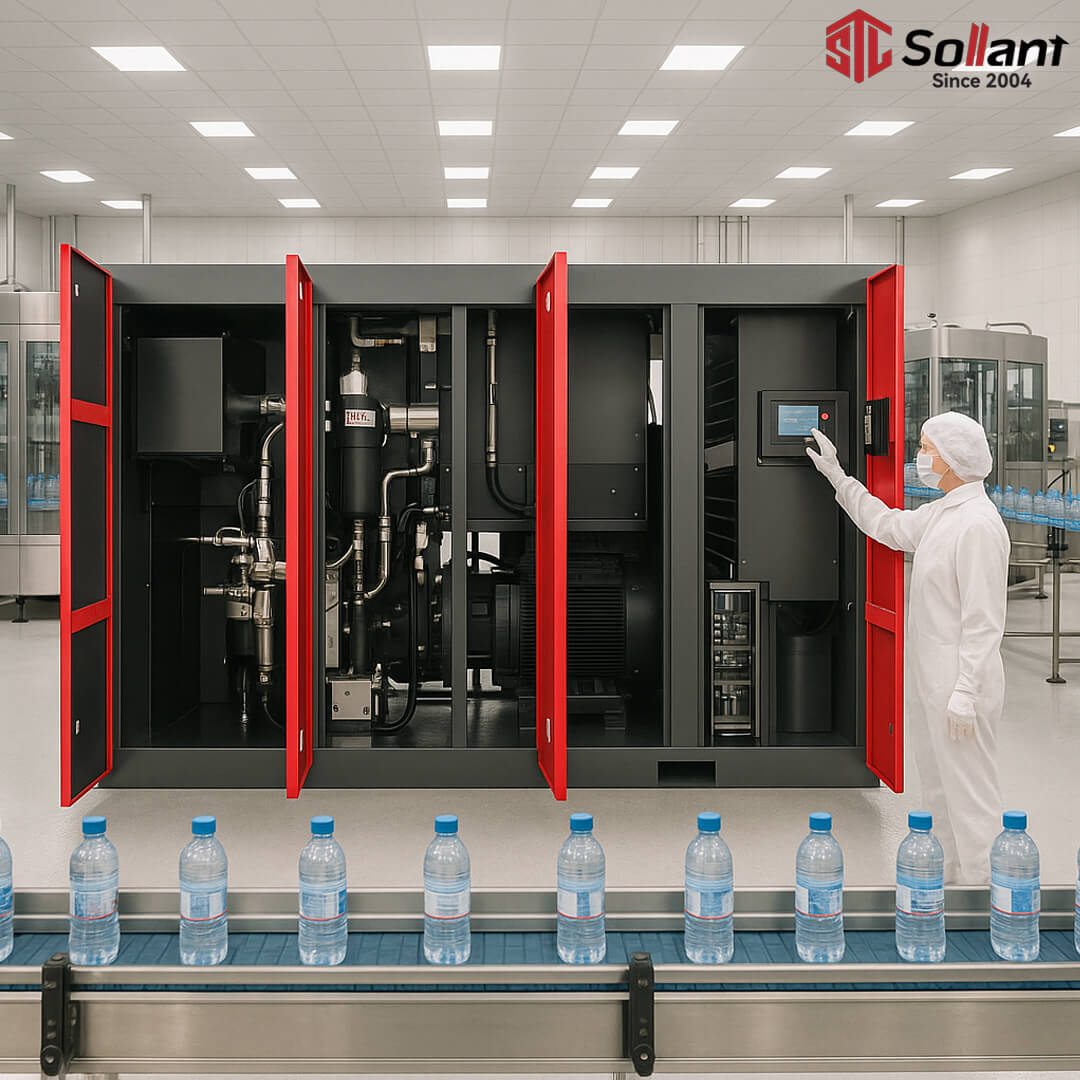
Sollant delivers advanced support services and high-quality parts to ensure long-term compressor reliability. Regular inspections and maintenance, combined with operator training, help minimize downtime and optimize performance. Sollant’s energy-saving technologies, such as variable frequency drives, adjust compressor speed based on demand, lowering operating costs.
Sollant’s commitment to innovation and customer focus provides manufacturers with durable compressors and expert support, securing stable operations and sustainable productivity.
When to Contact Sollant
Persistent Shutdowns
Operators may notice recurring shutdown events that disrupt production and reduce efficiency. These persistent issues often signal underlying problems that require expert attention. Common warning signs include overheating, low air pressure, electrical faults, excessive noise, and failure to start or stop. Technicians should also watch for high ambient temperatures, poor ventilation, low oil levels, or incorrect oil types. Dirty oil coolers, malfunctioning thermostatic valves, and clogged oil filters can further complicate compressor operation.
If the compressor continues to trip or shut down despite routine maintenance, professional intervention becomes necessary. Sollant’s technical team can diagnose complex faults, such as mechanical damage, misaligned couplings, or electrical system failures. Their engineers use advanced diagnostic tools to inspect air leaks, verify secure electrical connections, and assess pressure settings. Quick and accurate troubleshooting helps restore stable operation and prevents costly downtime.
Operators should contact Sollant when:
Shutdowns occur frequently and cannot be resolved with basic troubleshooting.
The compressor fails to maintain air pressure or overheats repeatedly.
Electrical problems persist after checking connections and power supply.
Unusual noise or vibration signals mechanical wear or damage.
The unit fails to start or stop reliably.
Custom Solutions
Manufacturing environments often present unique challenges that standard compressors cannot address. Sollant specializes in providing customized air compressor solutions tailored to specific operational needs. Their engineers collaborate with clients to design systems that optimize energy efficiency, reduce maintenance costs, and support sustainable production goals.
Sollant offers:
Custom-built rotary screw compressors for specialized applications.
Advanced air compressor parts with high-density filter materials and nano-plating for durability.
On-site support, installation, and training to ensure seamless integration.
Ongoing maintenance services and real-time monitoring for early fault detection.
Sollant’s commitment to innovation and customer focus ensures that every solution meets the highest standards of reliability and performance. Their expertise helps manufacturers overcome persistent shutdown challenges and achieve long-term operational stability.
Operators can prevent screw air compressor shutdowns by following essential troubleshooting and maintenance steps. The table below highlights common causes and treatments:
Cause | Treatment |
|---|---|
Insufficient lubricating oil | Check and replenish oil as needed |
Blocked oil cooler | Clean the cooler if temperature rises |
Cooling fan issues | Repair or replace the fan |
High ambient temperature | Keep room temperature below 45℃ |
Oil filter blockage | Replace the oil filter |
Regular maintenance reduces breakdowns by up to 50%. Technicians who clean, lubricate, inspect, and adjust components help maintain efficiency and prevent overheating. Sollant compressors offer safe operation, energy savings, and easy maintenance. To minimize shutdowns, operators should shut down unused units, adjust controls, and inspect oil and filtration daily. Implementing these steps ensures reliable performance and long-term productivity.
FAQ
What causes a screw air compressor to trip frequently?
Frequent tripping often results from overload, high temperature, abnormal pressure, or electrical faults. Operators should inspect the compressor for worn parts, blocked filters, or unstable power supply. Regular maintenance helps prevent these issues.
How can operators prevent shutdown failures?
Operators should schedule routine inspections, replace filters and lubricants on time, and monitor temperature and pressure. Using high-quality parts, such as those from Sollant, increases reliability and reduces the risk of shutdowns.
Why does the compressor overheat during operation?
Overheating usually occurs due to poor ventilation, low oil levels, or dirty coolers. Operators should clean cooling systems, check oil levels, and ensure the compressor runs in a well-ventilated area.
What should technicians check first after a shutdown?
Technicians should review the fault code on the control panel. This code points to the likely cause, such as overload, high temperature, or electrical failure. Addressing the indicated issue restores normal operation quickly.
Does using genuine Sollant parts make a difference?
Yes. Genuine Sollant parts offer advanced filtration, durability, and precise fit. These features help maintain stable compressor performance, reduce downtime, and extend equipment lifespan.
Request a Quick Quote Now
How to do my business well ?
- Market situation
- Technology configuration
- Strike Price
- exclusive agency
- Import and export assistance
- More…

