
Key Points for Safe Screw Compressor Installation
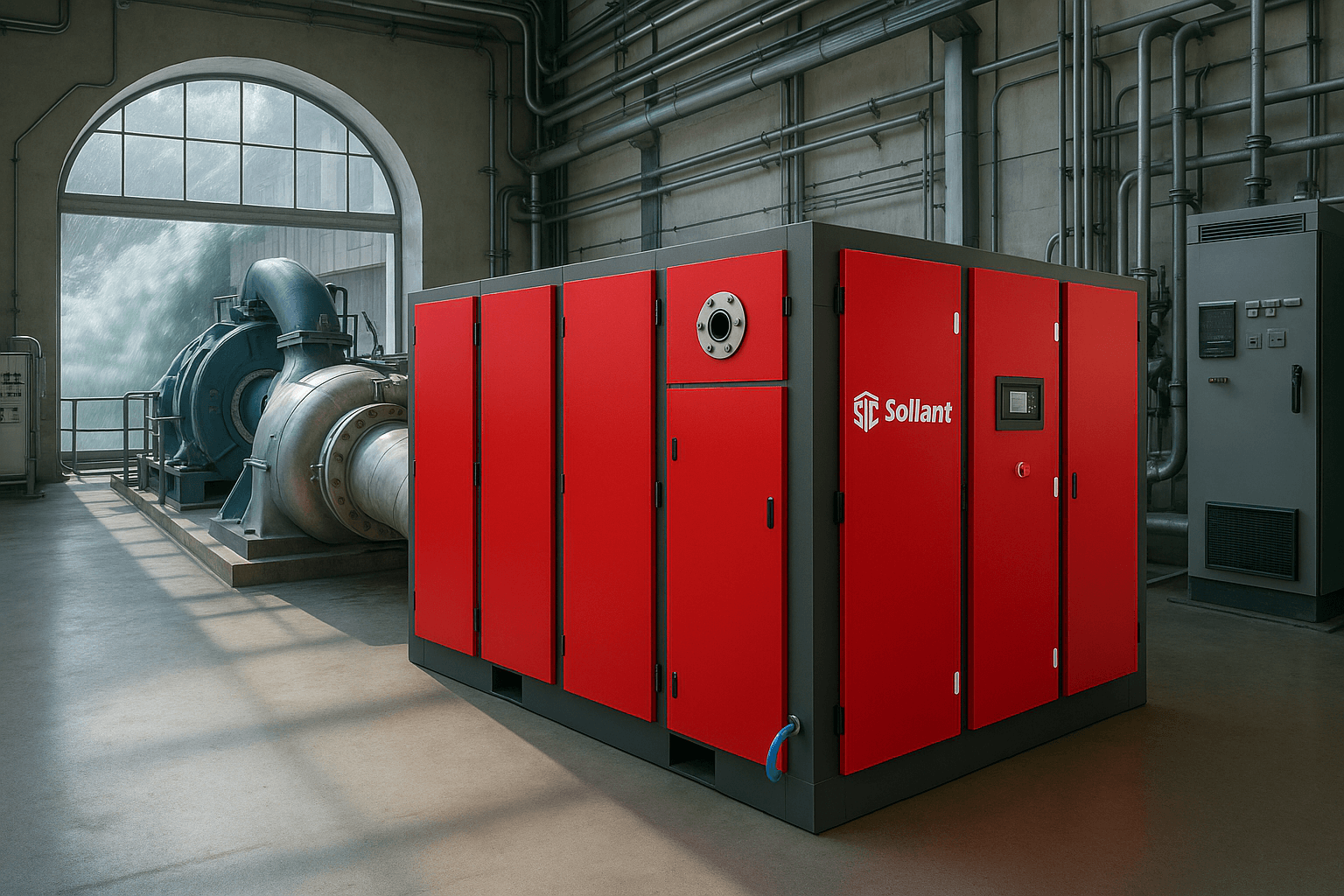
When you approach screw compressor installation, your choice of equipment and brand makes a measurable difference. Sollant compressors, like the 7-5kw-rotary-screw-air-compressor, offer advanced safety features that protect your investment and workplace.
Impact on Safety and Efficiency | |
|---|---|
Overtemperature Protection | Prevents overheating, ensuring safe operation. |
Overpressure Protection | Automatically shuts down the machine to avoid pressure-related failures. |
Motor Overload/Phase Loss Protection | Protects the motor from damage, enhancing reliability. |
Oil/Air Line Blockage Alarm | Alerts for maintenance, reducing downtime. |
Cooling Fan Failure Protection | Ensures cooling system operates correctly, preventing overheating. |
High Reliability and Low Failure Rate | Leads to less downtime and lower maintenance costs, improving efficiency. |
Superior Structural Design | Reduces mechanical failure risk, enhancing overall safety. |
By focusing on trusted solutions, you create a safer and more efficient environment for your operations.
Table of Contents
Key Takeaways
Choose a reliable compressor brand like Sollant for advanced safety features that protect your investment and workplace.
Ensure proper site selection by providing adequate space, ventilation, and protection from pollutants to maintain optimal compressor performance.
Regularly inspect safety devices and conduct thorough testing after installation to ensure safe and efficient operation.
Site Selection
Selecting the right location for your screw compressor installation sets the foundation for safe and efficient operation. You need to consider several environmental and spatial factors to ensure long-term reliability.
Space Requirements
You should always provide enough clearance around your compressor.
Leave at least 800mm (about three feet) of space on all sides.
This space allows for proper airflow, easy inspections, and safe maintenance access.
Sufficient room also helps prevent accidental damage during operation or repairs.
Ventilation and Airflow
Proper ventilation keeps your compressor running at optimal temperatures.
Evidence Description | Key Points |
|---|---|
Required Ventilation Flow | Maintains acceptable temperature levels in the compressor room. |
Optimal Temperature Range | Keep between 50-85°F (10-29°C) to prevent equipment failure. |
Clean Intake Air | Source intake air from outdoors to avoid contaminants. |
You should position intake vents to minimize dust and moisture. Clean air reduces the risk of internal damage and extends equipment life.
Temperature and Humidity
Keep your compressor in an environment where temperatures stay between 50 and 85 degrees Fahrenheit. Cooler, drier air is best.
Lower humidity means less moisture in the system, which reduces corrosion and the need for extra filtration.
Stable temperatures help maintain oil viscosity and prevent overheating.
Pollution and Weather Protection
Protect your compressor from pollutants and harsh weather.
Use smart dehumidifiers to keep humidity below 50%.
Install activated carbon and HEPA filters to remove harmful gases and particles.
Always shield your equipment from direct sunlight and rain to avoid corrosion and electrical hazards.
Sollant compressors, including the 7-5kw-rotary-screw-air-compressor, adapt well to extreme conditions, making them a reliable choice for diverse industrial environments.
Foundation Setup
Level Base
You need a solid, level base for every screw compressor installation. A firm foundation keeps your equipment stable and prevents unnecessary movement. Concrete foundations work best because they provide strength and durability. When you install your compressor on an uneven surface, you risk increased vibrations, loose connections, and faster bearing wear. These problems can shorten the lifespan of your equipment and lead to costly repairs. Always use a precision level to check the ground before installation. Sollant compressors, including the 7-5kw-rotary-screw-air-compressor, are designed for stable operation and perform best on a properly prepared base.
Vibration Control
Vibration control is essential for safe and efficient compressor operation. You can use vibration-damping pads or mounts between the compressor and the foundation. These measures help reduce noise and protect both the machine and the surrounding environment.
Condition-based maintenance lets you service your compressor based on its actual condition, which reduces unnecessary maintenance and extends component life.
Predictive analytics uses data to forecast potential failures, so you can plan maintenance before problems occur. This approach lowers costs and minimizes downtime.
These strategies help you reduce maintenance costs, minimize unplanned downtime, extend the machine’s lifespan, optimize spare parts inventory, and improve overall efficiency.
Sollant compressors feature robust construction and advanced vibration control, ensuring reliable performance even in demanding industrial settings.
Electrical System
A reliable electrical system is essential for safe and efficient screw compressor installation. You must pay close attention to the power supply, grounding, and protection devices to ensure smooth operation and protect both equipment and personnel.
Power Supply
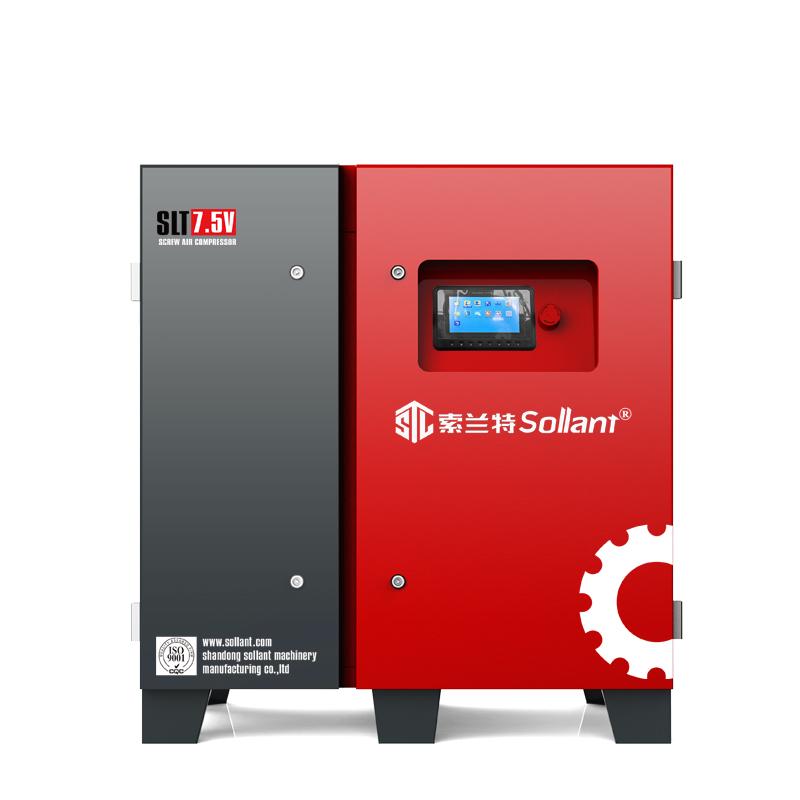
You need to match the power supply to your compressor’s requirements. The Sollant 7-5kw rotary screw air compressor supports a range of voltages and frequencies, making it suitable for different regions and industrial settings. Use the following table to check the recommended power supply options:
Voltage | Frequency | Phase |
|---|---|---|
380V | 50Hz | 3Ph |
380V | 60Hz | 3Ph |
220V | 50Hz | 3Ph |
220V | 60Hz | 3Ph |
440V | 50Hz | 3Ph |
440V | 60Hz | 3Ph |
Always use a dedicated circuit for your compressor. This prevents voltage drops and interference from other equipment.
Grounding
Proper grounding protects you and your equipment from electrical hazards. Connect your compressor to a reliable ground point. Check that the grounding resistance meets local standards. Regularly inspect the grounding wire for damage or corrosion. Good grounding reduces the risk of electric shock and helps prevent equipment failure.
Protection Devices
Install the right protection devices to safeguard your compressor and your team. The table below lists essential devices and their functions:
Protection Device | Function |
|---|---|
Thermal Overload Relays | Cuts off power if the motor overheats, preventing damage. |
Emergency Stop Buttons | Lets you quickly shut down the compressor in an emergency. |
Ground Fault Circuit Interrupters (GFCIs) | Interrupts the circuit if a ground fault occurs, reducing the risk of electric shock. |
Sollant designs its compressors to meet international electrical standards. You can trust that each unit includes the necessary safety features for dependable operation.
Piping Installation
Proper piping installation plays a crucial role in the performance and safety of your screw compressor system. You need to select the right materials, design an efficient layout, and ensure all connections are secure.
Pipe Materials
Choosing the correct pipe material extends the lifespan of your system and reduces maintenance. Here is a comparison of common pipe materials used in screw compressor installations:
Pipe Material | Durability Characteristics | |
|---|---|---|
Black Iron/Galvanized | 15-20 | Prone to corrosion, especially with moisture. Galvanized lasts longer but still susceptible to rust. |
Stainless Steel | 50+ | High strength and corrosion resistance, but expensive to install. |
Copper | 20-50 | Corrosion resistant but can pit and become brittle under stress. Joints may fail earlier. |
Plastic | 10-20 | Not recommended due to brittleness and vulnerability to chemicals. |
Aluminum | 30-50+ | Highly resistant to corrosion, lightweight, and easy to install. |
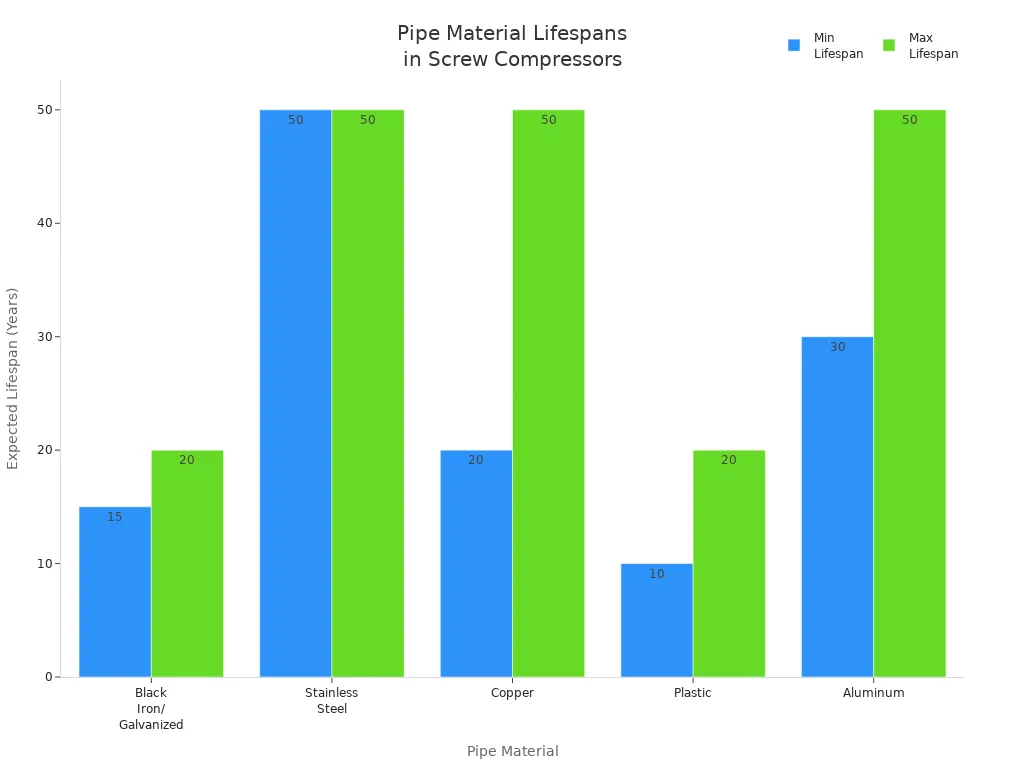
You should consider stainless steel or aluminum for long-term durability and corrosion resistance. These materials help maintain system integrity and reduce the risk of leaks.
Layout and Connections
A well-designed piping layout ensures efficient airflow and stable pressure.
Minimize bends and restrictions to reduce pressure drop.
Select the correct pipe diameter to handle airflow without bottlenecks.
Use a looped layout when possible for consistent pressure throughout the system.
Install drainage points to remove condensation and prevent water buildup.
Secure all connections using high-quality fittings. This prevents leaks and maintains system efficiency.
Safety Valves and Gauges
Install safety valves and pressure gauges at key points in your piping system. Safety valves protect your equipment by releasing excess pressure. Gauges allow you to monitor system performance and detect issues early. Sollant’s advanced air compressor parts, including high-density filters and reliable valves, support safe and efficient operation in manufacturing environments.
Tip: Regularly inspect all valves and gauges to ensure accurate readings and reliable protection.
By following these guidelines, you create a robust piping system that supports safe and efficient screw compressor installation.
Safety Measures
Fire Protection
You must equip your compressor room with proper fire protection equipment. This step ensures safety for both personnel and machinery. The following table outlines essential fire protection measures and the standards that guide their use:
Fire Protection Equipment | Regulation/Standard |
|---|---|
Adequate egress paths | NFPA 101 |
Ventilation | NFPA 90.1, ASHRAE 90.1 |
Safety Relief Valves | ASME B16.5, ASTM A53 |
You should keep egress paths clear at all times. Ventilation systems help prevent the buildup of flammable gases. Safety relief valves protect your equipment from dangerous pressure spikes. Sollant prioritizes fire safety in every screw compressor installation, supporting your efforts to maintain a secure workplace.
Warning Signs
Warning signs play a vital role in accident prevention. You can reduce risks by posting clear signage and physical barriers in hazardous areas. Consider these best practices:
Place signs to prohibit smoking and running motors near the compressor room.
Use barriers or signs to restrict access to dangerous zones.
Conduct regular risk assessments to identify hazards and update signage as needed.
These steps help you create a safer environment and minimize the chance of contamination or injury. Sollant supports your commitment to safety by providing guidance on effective warning sign placement.
Guards
Install protective guards around moving parts and high-voltage areas. Guards prevent accidental contact and reduce the risk of injury. You should inspect guards regularly to ensure they remain secure and undamaged. Sollant designs compressors with robust protective features, reflecting a strong commitment to safety and environmental protection.
Tip: Regularly review your safety measures and update equipment as regulations change. This practice keeps your facility compliant and your team protected.
Testing and Inspection
After you complete your screw compressor installation, you must test and inspect the system before starting regular operations. Careful testing helps you catch problems early and ensures safe, reliable performance.
No-Load Test
Begin with a no-load test. You start the compressor without connecting it to any equipment. Watch for abnormal sounds, vibrations, or overheating. Check the rotation direction and confirm that all safety devices work. This step helps you verify that the compressor runs smoothly and that basic functions operate as expected.
Load Test
Next, perform a load test. Connect the compressor to your system and gradually increase the load. Monitor pressure, temperature, and airflow. Use the table below to understand how different testing methods confirm operational reliability:
Testing Method | Purpose |
|---|---|
Off-line Testing | Validates individual components before integration into the system. |
On-line Testing | Ensures the entire system operates as intended in real operational conditions. |
Validation Test | Confirms that the system meets customer requirements and operates correctly under expected conditions. |
You should record all readings and compare them to manufacturer specifications. If you notice any issues, stop the test and investigate.
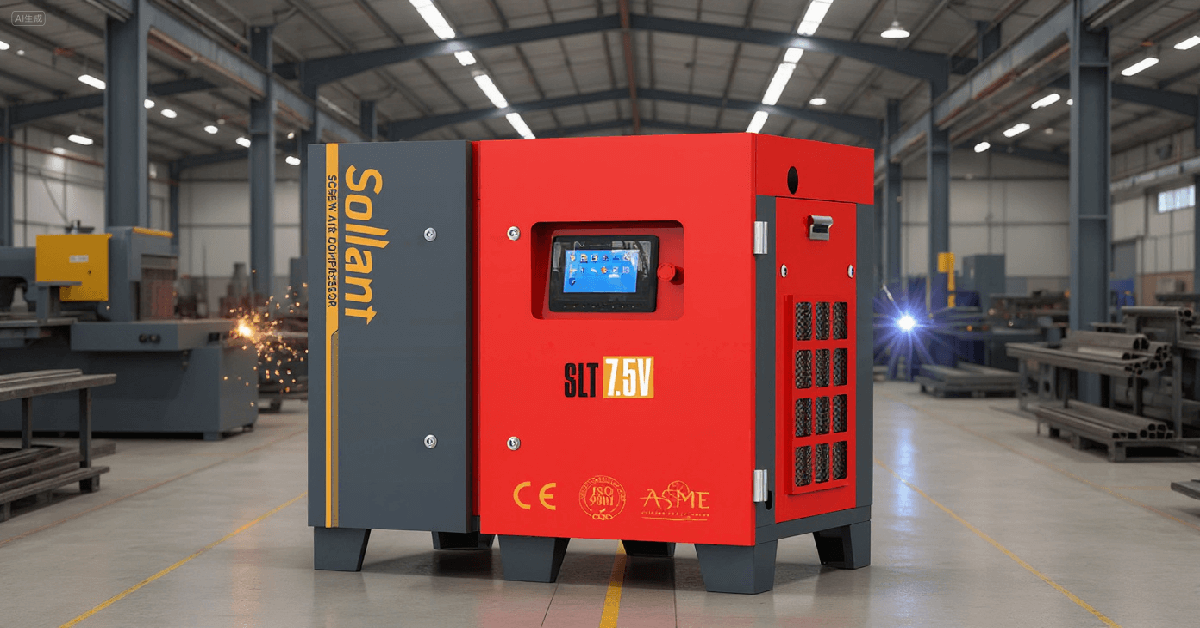
System Check
Finish with a full system check. Inspect all connections, safety valves, and gauges. Confirm that the electrical system and piping work together without leaks or faults. Review maintenance logs and ensure all protective guards are secure. Sollant tests every air compressor before shipment, so you can trust the equipment meets high standards. Your careful inspection guarantees safe operation and long-term reliability.
Tip: Schedule regular inspections to maintain peak performance and prevent unexpected downtime.
Screw Compressor Installation Tips
Professional Help
You should always consider professional assistance for Screw Compressor Installation, especially if you lack experience with industrial equipment. Certified technicians know how to handle complex electrical systems, align heavy machinery, and ensure all safety standards are met. If you notice unusual noises, excessive vibration, or inconsistent air pressure, call a professional right away. Regular maintenance checks by experts help you avoid costly breakdowns and keep your system running smoothly.
Tip: Schedule annual inspections with a qualified service provider to extend the life of your compressor.
Choosing Sollant
When you choose Sollant, you invest in reliability and safety. Sollant stands out as a trusted brand in the compressed air industry. The 7-5kw-rotary-screw-air-compressor offers advanced features like energy efficiency, low noise, and robust construction. This model adapts well to extreme environments and supports stable operation in demanding industries. Sollant provides global support through an extensive dealer network, so you always have access to technical help and spare parts.
Sollant’s customer stories show how businesses worldwide benefit from dependable products and responsive service.
You can contact Sollant for customized solutions that fit your specific needs.
By selecting Sollant, you ensure a safer and more efficient Screw Compressor Installation for your facility.
You ensure safe and efficient Screw Compressor Installation by following best practices at every stage. Avoid common mistakes such as abnormal compression ratios, compressor overload, and oil circuit problems. Proper installation and regular maintenance minimize downtime, extend equipment life, and keep your operations running smoothly. Choose Sollant for reliable performance.
FAQ
What is the ideal environment for installing a screw compressor?
You should install your compressor in a clean, dry, and well-ventilated area. Avoid direct sunlight, high humidity, and exposure to corrosive gases.
How often should you inspect safety devices on your compressor?
Check all safety devices, including valves and gauges, at least once a month. Regular inspections help you prevent unexpected failures and maintain safe operation.
Why choose Sollant for your screw compressor installation?
Sollant offers reliable compressors with advanced safety features, global support, and energy-efficient designs. You gain peace of mind and long-term value for your investment.
Request a Quick Quote Now
How to do my business well ?
- Market situation
- Technology configuration
- Strike Price
- exclusive agency
- Import and export assistance
- More…

