
Essential Tips for Fixing Nitrogen Generator Flow Problems
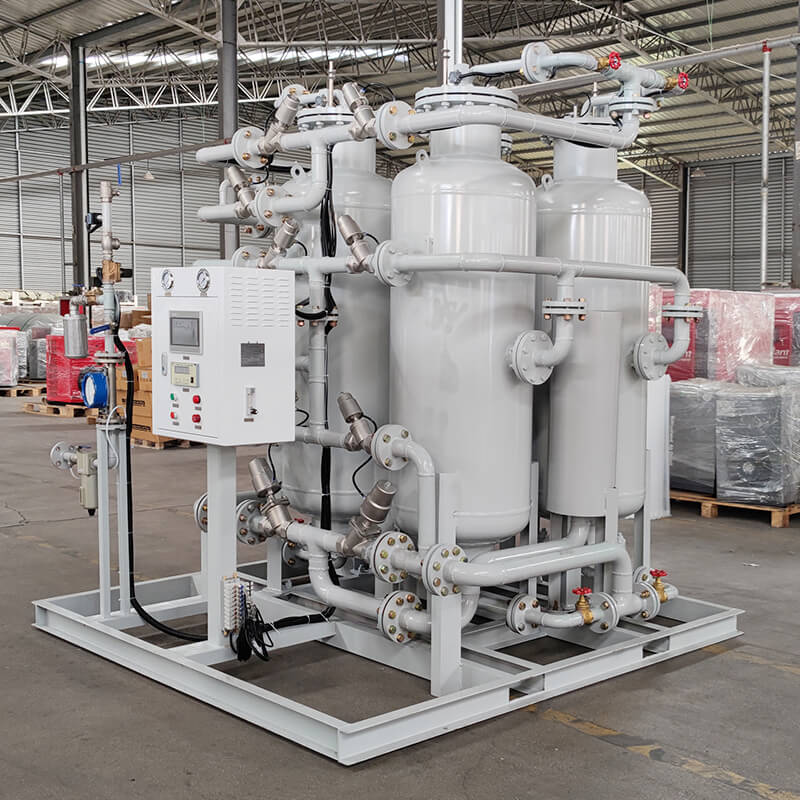
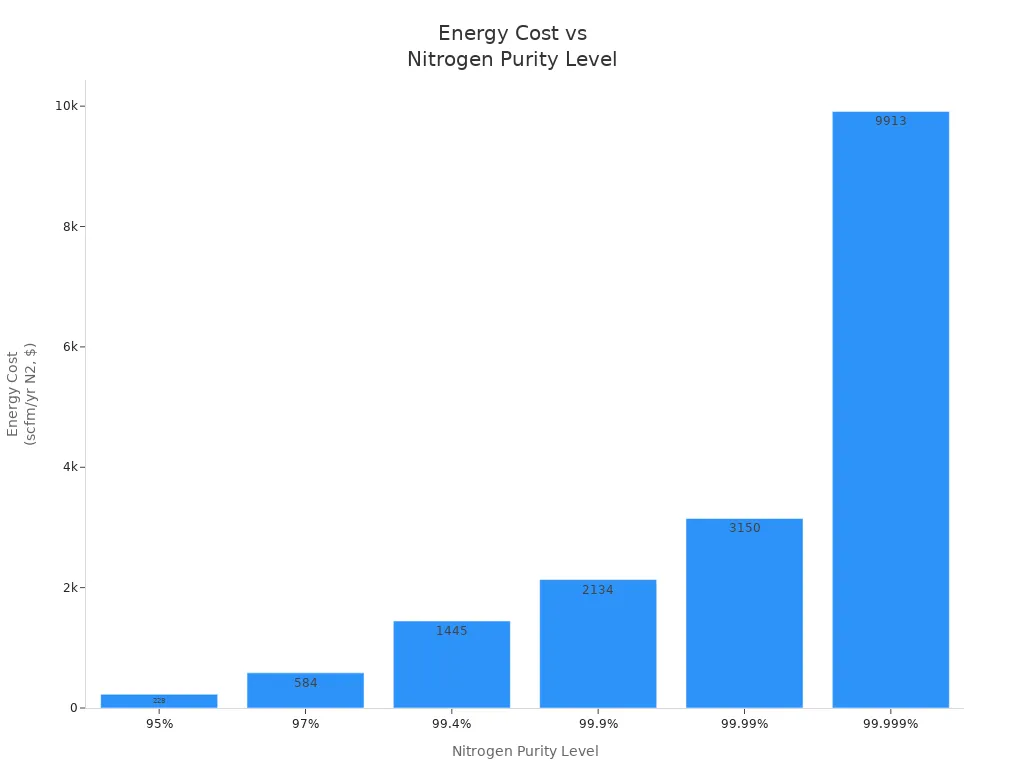
You have big problems when not enough nitrogen stops your production line. If the nitrogen generator does not work well, you can have delays and more waste. This is a big problem for companies that need nitrogen to stop oxidation and keep products safe. A steady nitrogen supply helps your work go well. It also makes sure every batch is good. If nitrogen purity goes up, your energy costs can go up fast, as you can see below:
Inlet Pressure (psig) | Nitrogen Purity Level | Energy Cost (scfm/yr N2) |
|---|---|---|
90 | 95% | $228 |
100 | 97% | $584 |
110 | 99.4% | $1445 |
120 | 99.9% | $2134 |
130 | 99.99% | $3150 |
140 | 99.999% | $9913 |
You can save up to 90% on costs by making nitrogen at your own site. Some companies say they save $25,000 each year by changing systems. Sollant’s team can help you fix nitrogen flow fast and keep your system working well.
Table of Contents
Key Takeaways
Check the system pressure and nitrogen flow often to find problems early. This keeps the nitrogen supply steady and stops production delays.
Match your nitrogen generator’s output with Sollant’s specifications. Make sure your system has the right purity and flow rates. This helps you save time and money.
Do regular maintenance on compressors and valves. Good care of these parts keeps nitrogen flow steady and lowers energy costs.
Test for leaks often to find and fix them. Even small leaks can waste a lot of energy and raise costs.
Teach your staff how to solve problems. A trained team can fix issues fast, so there is less downtime and production stays on track.
Diagnosing Nitrogen Generator Issues
Check System Pressure and Nitrogen Flow Rate
Start by checking the system pressure and nitrogen flow rate if you notice problems. Many factories have issues because of wrong use, bad gas quality, or old equipment. These things can cause low pressure and less output. Look at the pressure gauge on your nitrogen generator. If the pressure is too low, you might get less nitrogen.
Watch for pressure readings that change a lot.
Make sure the pressure is what the nitrogen generator needs.
Look for leaks or blockages in the air supply.
Nitrogen flow rate is measured in Nm³/h or NL/min. More pressure means more nitrogen comes out. If the nitrogen flow rate drops, check if the pressure is too low or if there are pressure problems. Cryogenic systems are best for making lots of nitrogen. PSA and membrane types are better for smaller amounts. Pressure, flow rate, and membrane size all change how much nitrogen you get. If you make more nitrogen at the same pressure, purity can go down. If you make less, purity goes up. More air pressure to the membrane gives you more nitrogen for a certain purity.
Tip: Always watch both output and pressure. If output changes fast, check the pressure first.
Compare Output to Sollant Specifications
You should compare your output to Sollant’s specifications. Sollant has strict rules for how well nitrogen generators work. If your output, pressure, or purity is not right, you can waste money and time. If your output is not what Sollant says it should be, you might have downtime or spend more.
Key Performance Indicator | Industrial Nitrogen Generators |
|---|---|
Nitrogen Purity | Up to 99.99% for specialized output |
Nitrogen Flow Rate (SCFH) | Customizable output for industrial needs |
Maintenance Needs | Output depends on regular servicing |
Check your nitrogen generator’s output with Sollant’s technical papers. Look for any differences in output, pressure, or nitrogen purity. If your output is too low, check for low pressure or other pressure problems. Make sure the output fits what you need for your work. If you see problems, check the maintenance schedule and see if the equipment is old.
Check output data every day.
Compare output and pressure to Sollant’s values.
Change settings if output is not what you need.
You can stop most output problems by following Sollant’s advice. Regular checks help you find low pressure and output drops early. If you see problems, fix them fast to keep the nitrogen flow rate and pressure right.
Compressor and Air Supply Problems
Check the Compressor for Low Nitrogen Flow
A good compressor helps your nitrogen generator work well. If the compressor has trouble, nitrogen flow will drop. This can slow down your work. Look for these signs that your compressor is not giving enough nitrogen:
Oil in the system can hurt how it works and make nitrogen dirty.
Losing pressure means you get less nitrogen and use more energy.
Loud sounds or shaking can mean something is wrong inside.
If valves do not work, gas cannot move right and flow drops.
If the motor or drive breaks, the compressor will not run.
Dirt or other stuff inside can break parts and lower how well it works.
If the control system does not work, pressure can change a lot.
Not taking care of the compressor makes it less reliable and lowers output.
If seals leak, gas can get out and make the system less safe.
If you see any of these problems, check your compressor fast. Make sure the air supply is always steady. The pressure should be what your nitrogen generator needs. Good air and the right pressure help keep nitrogen flow strong.
Take Care of Sollant Compressor Parts
Taking care of your compressor helps your nitrogen generator work right. You should look at the main parts often so you do not lose nitrogen flow. Do these important things:
Check the pressure, pressure switch, and seals to stop leaks.
Look at air filters every week to keep air clean and strong.
Check for air or oil leaks each day and add oil if needed.
Clean air and steady pressure help stop your nitrogen generator from shutting down. If you follow a good maintenance plan, nitrogen flow stays strong and your work is safe. Sollant says these steps help you avoid problems and keep your system working well.
Valve and Leak Troubleshooting
Detect Leaks Affecting Nitrogen Flow Rate
Check for leaks if your nitrogen generator has low flow. Leaks waste nitrogen and make your bills go up. Even small leaks can cost you a lot of money. You can use different ways to find leaks:
Pick the part of the system you want to test.
Put soapy water on joints and edges. Bubbles show leaks.
Listen for hissing sounds near where things connect.
Doing leak tests often keeps your nitrogen generator safe. These tests also protect your team from dangerous chemicals. When you test a lot, you make sure the pipes stay strong.
Leaks make your nitrogen generator work harder. This means you use more energy and pay more for repairs. A small leak at high pressure can cost you thousands every year. You can save money and keep nitrogen flow steady by checking for leaks often.
Test and Replace Faulty Valves
Valves control how much nitrogen moves in your system. If a valve breaks, you may see less nitrogen or lower purity. You need to test valves often to keep your nitrogen generator working well.
Check electromagnetic valves for slow or bad activation. These problems can lower nitrogen purity.
Look at regulation valves to see if they change flow right. If a valve does not work, nitrogen flow may be too high or too low.
Change any valve that does not seal or move right.
Broken valves can mess up gas flow and lower nitrogen purity. You can stop these problems by testing and changing valves before they break.
Keep system pressure steady by taking care of all valves. This helps you stop leaks and keeps your nitrogen generator working well.
Adsorbent and Filter Maintenance
Replace Aging Adsorbents in Nitrogen Generator
You must keep adsorbents inside your nitrogen generator working well. These materials, like Carbon Molecular Sieve (CMS), help separate nitrogen from other gases. Adsorbents get old and stop working as well over time. You might see lower nitrogen purity or less nitrogen coming out. If this happens, check the adsorbents and change them if needed.
Watch for these signs that adsorbents are getting old:
Potential Causes | Solutions | |
|---|---|---|
Decreased Nitrogen Purity | Air leak, degraded membranes, contaminated inlet air | Conduct a leak test, check air quality, replace membranes |
Reduced Flow Rate | Clogged filters, insufficient inlet air pressure | Replace filters, adjust air pressure, service compressor |
High Dewpoint in Output Nitrogen | Faulty dryer, saturated desiccant, leak in drying system | Repair drying system, replace desiccant if necessary |
You should follow a regular plan to keep your nitrogen generator working well. Here are some important things to do:
Check adsorbents often and watch how they work.
Make a plan to keep your nitrogen generator working longer.
Tip: If you see changes in pressure or nitrogen purity, act fast. Fixing problems early helps you avoid bigger trouble and keeps your system working.
Clean or Change Nitrogen Filters
Filters are very important for your nitrogen generator. Dirty filters can block air and lower pressure. This means you get less nitrogen and your equipment can break. Check filters often and clean or change them as part of your plan.
Do these things to keep filters working well:
Clean filters and put oil on moving parts often.
Change filter parts if you see dirt or low pressure.
Taking care of filters helps keep nitrogen flow strong and protects your system. You will see better results and fewer problems if you care for filters. Checking filters often also helps you find pressure problems before they hurt nitrogen purity.
Note: Clean filters give you better nitrogen and lower energy bills. Make sure you always take care of your filters.
System Configuration and Control
Adjust Equipment for Proper Nitrogen Flow
You can make your nitrogen generator work better by changing some settings. First, check if your system fits what you need right now. If your tank is not designed well, it can be hard to keep the right pressure. A vent that is too small or too big can cause problems. If your nitrogen blanketing equipment is not the right size, you might not get enough flow or protection.
Set the flow rate so you do not waste energy or money.
Change the nitrogen flow to fit what your job needs. Do not use more energy than you have to.
Pick the right nitrogen purity for your industry. Most jobs need between 95% and 99% purity.
Make sure the inlet air pressure is what your equipment needs.
Change the gas output settings to get the nitrogen flow you want.
Doing regular checks helps you see if anything has changed in your stored materials or how you work. Change your nitrogen generator settings if you need to keep it working well.
Hybrid systems let you change nitrogen purity and flow rates easily. Newer systems use less energy and have more safety features. You can pick custom options that fit your business.
Check Sollant Control System Components
Control systems help keep nitrogen flow steady. If you see changes in pressure or output, look at the control system first. Some problems can make your system stop working right.
Failure Type | Description |
|---|---|
If the temperature is not steady, nitrogen flow can change. | |
Abnormal Nitrogen Consumption | Using too much or too little nitrogen can mean a control problem. |
Mechanical Component Failures | If pumps or valves break, nitrogen flow can stop or slow down. |
You should also check for leaks in solenoid valves or pressure equalization valves. Leaks can mess up the pressure in the adsorption tank and make the nitrogen generator work worse. If you take apart a valve and do not seal it well, air can leak out and stop normal work.
Remote monitoring lets you watch your nitrogen generator from anywhere. This helps you find problems early and keep things running well.
If you check and change your system often, you keep nitrogen flow strong and steady. Good control of pressure and flow keeps your equipment safe and working its best.
Preventive Care for Nitrogen Generators
Schedule Regular Maintenance with Sollant
You can keep your nitrogen generator working well with regular care. When you plan maintenance, each part gets checked. This helps stop sudden problems and keeps nitrogen flowing. Checking often lets you find issues early, so you can fix them fast.
It lowers the chance of problems during work.
You keep records clear and data correct.
Small problems get fixed before they grow.
Look at filters, valves, and membranes often. Change filters when Sollant says to. Put oil on valves and check for leaks to keep pressure steady. Clean membranes so they work right. Purge the system to get rid of bad stuff and keep nitrogen strong. Use monitors to watch numbers and act fast if things change. Always check safety parts to protect your team and your work.
Taking care of your system saves money. Waiting for a breakdown costs about 25% to 30% more than regular care. You also skip costly emergency repairs and keep nitrogen coming. Over time, you spend less and keep your line moving.
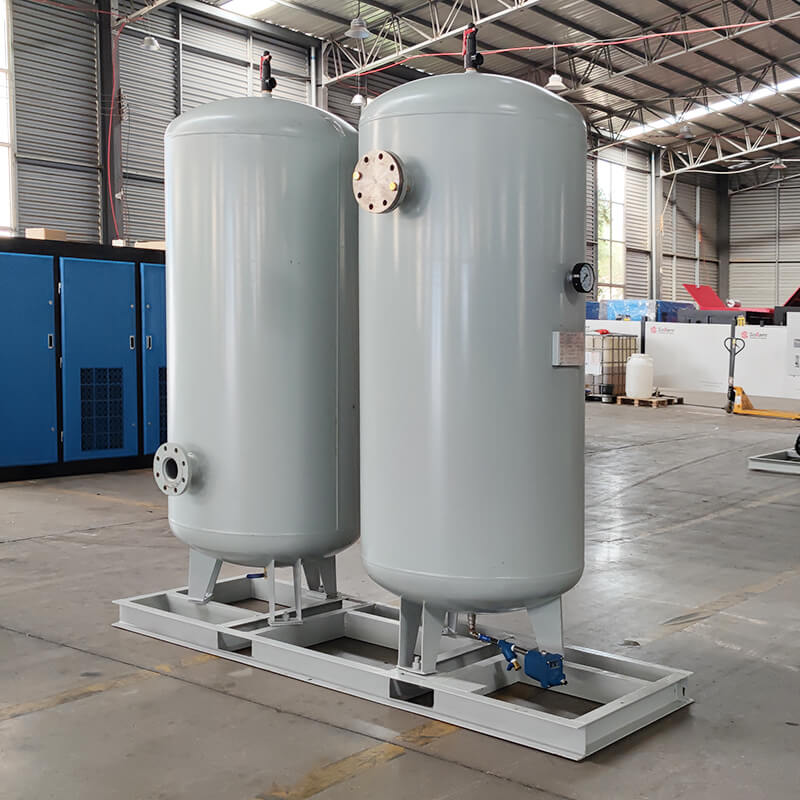
Train Staff for Quick Troubleshooting
You need a skilled team to keep your nitrogen generator working well. When your staff knows how to fix problems, you have less downtime. Training helps your team spot pressure drops or flow changes before they stop nitrogen.
Good training shows staff how to use and care for equipment.
Your team learns the right steps to fix problems.
You avoid mistakes that can break the nitrogen generator or slow work.
Updated training and clear rules help fix things fast after trouble.
If your staff knows the system, they can fix small problems quickly. This keeps nitrogen steady and your work safe. Good training means fewer repairs and less wasted time. You build a team that helps your goals and keeps your nitrogen generator running well.
You can fix most nitrogen generator flow problems by checking pressure and changing filters. Use simple troubleshooting steps to help your system work well. Doing regular maintenance stops delays and keeps nitrogen pure. Watch out for low nitrogen purity or sudden pressure drops. Some hard problems, like solenoid valve failures, can make nitrogen output drop a lot. These problems may need an expert to fix. Always pay attention to changes in pressure and nitrogen quality. For the best results, trust Sollant’s team to help your nitrogen system and keep your production safe.
FAQ
What should you do if your nitrogen generator system shows low flow?
You should check the system pressure and look for leaks. If you find a problem, use the right solution. Regular checks help you keep the system running. Sollant offers a solution for every system issue.
How often should you maintain your nitrogen generator system for best results?
You should follow a set schedule for system maintenance. Clean filters and check valves often. Use a solution that fits your system. Sollant recommends a solution that keeps your system safe and strong.
Can you fix nitrogen flow problems without expert help?
You can solve simple system issues by checking pressure, cleaning filters, and using the right solution. For complex problems, you should contact Sollant. Their team gives you a solution that fits your system.
Why does your system need a custom solution for nitrogen flow?
Every system has different needs. A custom solution matches your system’s size and use. Sollant helps you find a solution that fits your system and keeps nitrogen flow steady.
What is the best solution if your system keeps losing nitrogen flow?
You should check the system for leaks, blocked filters, or valve issues. Use a solution that targets the problem. Sollant provides a solution for every system type, so you keep production safe.
Request a Quick Quote Now
How to do my business well ?
- Market situation
- Technology configuration
- Strike Price
- exclusive agency
- Import and export assistance
- More…

