
Working Principle and Process of Rotary Screw Air Compressors
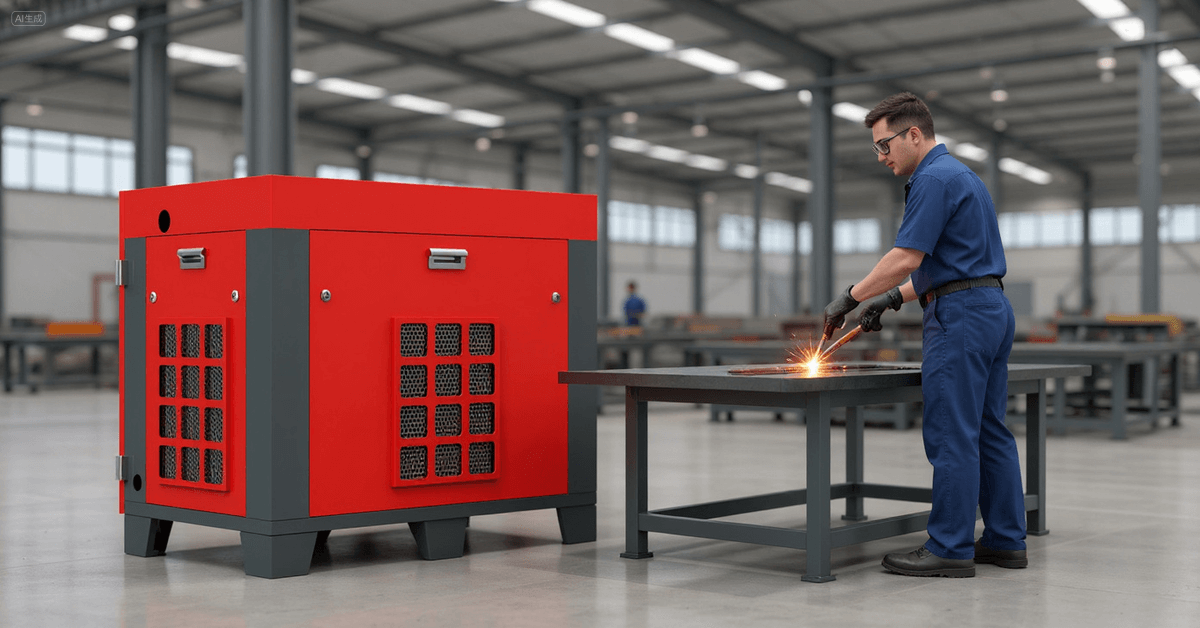
Rotary Screw Air Compressors: These machines use a unique rotary-screw-air-compressor mechanism to compress air by reducing its volume, a process known as volume compression. Understanding how a rotary screw air compressor operates allows you to select the ideal model and size for your factory or workshop.
By matching the rotary-screw-air-compressor to your specific requirements, you can achieve significant energy savings.
Advanced control systems in rotary screw air compressors adjust speed automatically, helping you reduce operational costs.
Knowing whether an oil-injected or oil-free rotary screw air compressor is best for your application ensures optimal performance.
Rotary Screw Air Compressors: are essential for powering equipment across a wide range of industries. Sollant manufactures high-quality rotary-screw-air-compressor solutions for customers worldwide.
Table of Contents
Key Takeaways
Rotary screw air compressors give a steady air flow. They work well in many industries like manufacturing and food processing.
Regular maintenance is very important. You should check filters and oil often. This helps your compressor last longer and work better.
You must choose between oil-injected and oil-free compressors. Your choice depends on your air quality needs. Oil-free compressors are best for sensitive jobs.
Variable-speed compressors change their output when needed. This saves energy and makes less noise than fixed-speed models.
Sollant gives reliable rotary screw compressors and strong support. They help you pick the right model and keep it working well.
Rotary Screw Air Compressors: Overview
Definition
Rotary screw air compressors: use two screws that spin to squeeze air. Many industries use these machines because they give a steady flow of compressed air. They work quietly and do not waste much energy. Factories, workshops, and construction sites need rotary screw air compressors: to run their tools. More people are choosing these machines every year. Rotary screw air compressors: are popular because they are simple to fix and work well in tough places. You can find them in energy, printing, metallurgy, and mining.
Rotary screw air compressors: help you save energy and make less noise at work. People think these machines will be even more common soon.
Main Components
It is important to know the main parts of rotary screw air compressors: to understand how they work. Each part does something special. Here are five main parts:
Inlet suction air filter: This filter stops dust and tiny bits from getting in. It keeps the compressor safe.
Suction valve or load/unload valve: This valve lets air into the machine. It controls the amount of air based on what is needed.
Rotary screw element: The screws move the air forward and make pressure.
Compression chamber: This chamber holds the screws. It can have more than one stage to make more pressure.
Anti-friction roller and ball bearings: These bearings help the screws turn easily and stay steady.
All the parts work together so the compressor works well. Sollant uses good parts in every machine. The company follows strict rules when making them to make sure they last and work well. Here is a table that shows some standards and parts:
Component Type | Source/Brand | Quality Assurance |
|---|---|---|
Electrical Components | Schneider Electric/ABB | Silver contacts with a service life of over 3 million cycles |
Bearings | Imported from Switzerland | Enhances efficiency and reduces wear |
Industry rules also help design and test rotary screw air compressors:. For example, ISO 1217 gives rules for testing compressors. This helps you compare different brands. New rules for saving energy help you use less power and spend less money.
Working Principle
Understanding the working principle of rotary screw air compressors: helps you see how these machines deliver reliable power for your operations. You can break down the process into four main steps. Each step plays a key role in turning ordinary air into high-quality compressed air for your tools and equipment.
Air Intake
The working principle starts with the air intake. You control the amount of air entering the compressor through the air inlet valve. This valve is very important. When you start the machine, the valve stays closed. This action reduces the load on the motor. Once the system reaches the right pressure, the valve opens and lets air in. If your compressor has variable output, the valve can adjust how much air it takes in. This adjustment helps you match the air supply to your needs. You save energy and keep the compressor running smoothly. The air intake process affects both the capacity and the power consumption of your rotary screw air compressors:. When you manage the air intake well, you get better performance and lower energy bills.
Tip: Always check the air inlet filter. A clean filter keeps dust and dirt out, protecting your compressor and making sure the working principle works as it should.
Compression Process
The next step in the working principle is the compression process. Here is how it works:
The air passes through the regulator valve and moves into the air end.
The motor powers two helical screws. These screws turn quickly and mesh together.
As the screws turn, they pull air into the chambers between them.
The screws squeeze the air, making the space smaller and raising the pressure.
The compressed air leaves the air end and goes to the aftercooler.
The aftercooler cools the air.
The air is dried and filtered before you use it or store it.
This working principle uses a continuous, non-reciprocating motion. The screws turn without stopping. You get a steady flow of compressed air. This design means fewer moving parts. You see less wear and tear. You also use less energy because the compressor matches its power to your needs. Rotary screw air compressors: work better than piston compressors for jobs that need a constant air supply. You get higher output for each unit of power.
Note: The continuous operation of rotary screw air compressors: gives you smooth, reliable performance. You avoid the stops and starts that waste energy in other types of compressors.
Cooling and Lubrication
Cooling and lubrication are key parts of the working principle. When the screws turn, they create heat and friction. You need to keep the system cool and well-oiled. Lubrication reduces friction between the moving parts. This action helps the screws last longer and work better. The oil also helps seal the gaps between the screws, making the compression process more efficient. Cooling is just as important. The oil absorbs heat from the compression process. The system then cools the oil before sending it back to the screws. This cycle keeps the temperature down and prevents overheating. Clean oil also protects the compressor from dirt and other harmful particles.
Lubrication keeps the screws moving smoothly and cuts down on wear.
Cooling stops the compressor from getting too hot.
Sealing with oil keeps the air inside the chambers, so you do not lose pressure.
Clean oil protects the machine from damage.
If you take care of cooling and lubrication, your compressor will last longer and work better.
Air Discharge and Post-Treatment
The last step in the working principle is air discharge and post-treatment. After the air is compressed, it leaves the compression chamber. The air now contains heat, oil, and sometimes water vapor. You need to clean and cool the air before you use it. The air first goes through an oil-gas separator. This device removes most of the oil from the air. The system then cools the air to bring it closer to room temperature. Next, the air passes through a dryer. The dryer removes water vapor, which is important for many industrial uses. Some dryers use cold to condense the water. Others use special materials to absorb moisture. Finally, the air may go through extra filters to remove any last bits of oil or dirt.
Dryers and filters make sure your compressed air is clean and dry.
Clean air protects your tools and machines from damage.
Good post-treatment helps your whole system last longer.
If you skip post-treatment, you risk letting water or dirt into your equipment. This can cause rust, blockages, or even breakdowns. Always make sure your rotary screw air compressors: have the right post-treatment steps in place.
Remember: Clean, dry air is the goal of every working principle. You get better results and protect your investment.
Types and Solutions
Oil-Injected vs. Oil-Free
There are two main types of rotary screw compressor. One type is oil-injected, and the other is oil-free. Each type works in its own way and fits different jobs.
Oil-injected rotary screw compressor uses oil to help parts move and seal. You need to change the oil often and put in new filters. This type is good for most factories but needs more care.
Oil-free rotary screw compressor uses special stuff or water instead of oil. You do not have to worry about oil. This type gives you very clean air, which is great for food, hospitals, or electronics.
Here is a table to help you see the differences:
Feature | Oil-Free Compressors | |
|---|---|---|
Lubrication Method | Uses oil for lubrication and sealing | No oil in the compression area; uses alternative methods |
Maintenance Needs | Requires regular oil changes and filter replacements | Minimal maintenance; no oil management required |
Air Quality | May have oil carry-over, affecting air quality | Completely oil-free, suitable for sensitive applications |
Durability | Durable but depends on oil quality | High durability; no oil contamination issues |
Energy Efficiency | Can be less efficient due to oil management | More energy-efficient due to simpler design |
Applications | Good for many industries | Best for clean air needs |
Tip: Pick an oil-free rotary screw compressor if you need very clean air for special jobs.
Fixed-Speed vs. Variable-Speed
You also have to pick between fixed-speed and variable-speed rotary screw compressor. Each one has its own good points.
Feature | Fixed-Speed Rotary Screw Compressors | Variable-Speed Rotary Screw Compressors |
|---|---|---|
Consistent Output | Yes | No |
Cost-Effectiveness | Lower initial cost and maintenance | Higher initial cost but energy-efficient |
Durability and Longevity | High durability due to fewer parts | Needs more maintenance |
Compact Design | Yes | No |
Energy Efficiency | Lower efficiency at varying demand | Higher efficiency with demand changes |
Noise Level | Louder | Quieter |
Fixed-speed rotary screw compressor gives steady air and is easy to use. It costs less to buy and fix. Variable-speed rotary screw compressor changes speed to match how much air you need. It saves energy and is quieter.
Note: If your air needs go up and down, variable-speed rotary screw compressor helps you save power and money.
Sollant Solutions
Sollant has many rotary screw compressor models for different jobs. You can ask for special designs for your factory or shop. Sollant uses smart parts to make each rotary screw compressor strong and efficient.
Efficient host: Sollant uses special rotors and tight parts for better work.
Smart control: You get a computer system that checks for problems and keeps your rotary screw compressor safe. You can run your machine all day without worry.
Energy savings: Sollant rotary screw compressor changes output to fit your needs. You use less power and save money.
Tough design: Sollant rotary screw compressor works well in hot or wet places. You get less noise and less shaking.
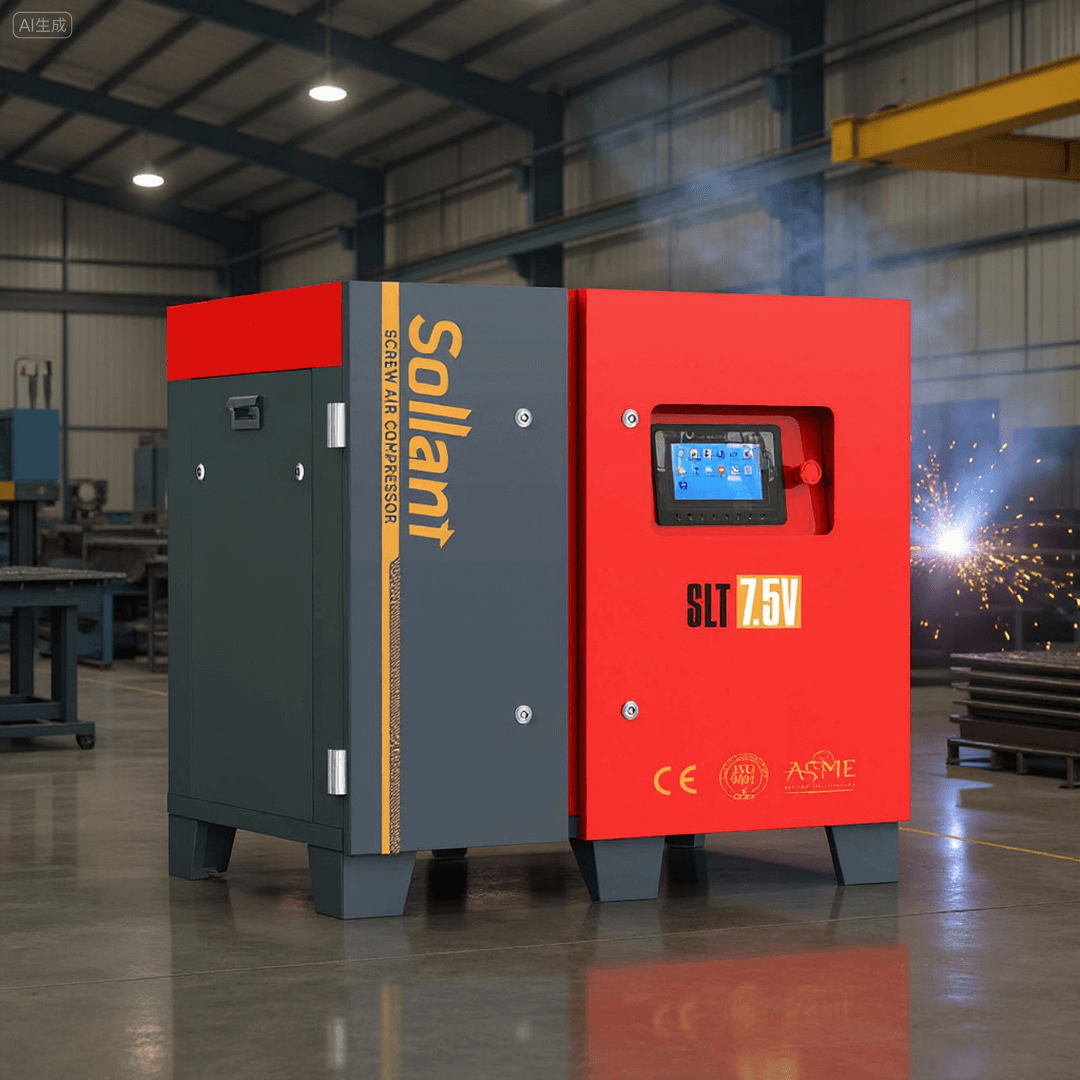
If you want a rotary screw compressor that lasts and saves energy, Sollant has good choices. You can learn more about their air compressor parts and solutions for factories on their official website.
Remember: Sollant helps you fix problems like getting too hot, oil mixing, and repairs. You get help and training to keep your rotary screw compressor working well.
Advantages and Applications
Key Benefits
Rotary screw compressors give you many good things. They help you save energy and lower your bills. These machines do not have many moving parts, so you fix them less. You spend less money and time on repairs. The design keeps friction low, so you do not waste much energy. You get a steady flow of compressed air, so your tools keep working. Rotary screw compressors are quiet, so your workplace is safer and nicer.
Rotary screw compressors make air all the time, not just sometimes.
You lose less air inside, so they work better.
The design lets you use them without stopping.
You do not need to fix them often, and they last a long time. Many rotary screw compressors can work for 20 years if you take care of them.
These machines help you use less energy and make less pollution.
Tip: Rotary screw compressors can use wasted heat and special filters to keep the air clean.
Industrial Uses
Rotary screw compressors are used in many jobs. You see them in factories, food plants, and farms. They help run machines, move things, and keep work going. The table below shows how different jobs use rotary screw compressors:
Industry | Applications |
|---|---|
Manufacturing | Powering equipment, moving things with air, process air, robots, paint lines |
Food Processing | Air-jet food work, drying food, cooling baked goods, packing, moving food with air |
Pharmaceuticals | Running pumps, adding air, drying products, keeping air curtains, cleaning equipment |
Agriculture | Moving things with air, spraying crops, running dairy machines, adding air to tanks |
Oil & Gas | Running drilling machines, putting gas back, moving gas, cleaning oil |
You need rotary screw compressors for steady air. They help keep your machines working and help with many jobs.
Why Choose Sollant
Sollant gives you many reasons to pick their rotary screw compressor. You save energy and pay less to run your machines. Sollant compressors last longer and do not need much fixing. You get clean air for your work. Sollant helps you before you buy, when you set up, and after you start using your compressor. You can get help any time, day or night. Sollant gives you free advice, training, and a warranty.
Service Type | Description |
|---|---|
Pre-sales Consulting | Helps you check how much air you need and your work area |
After-sales Service | Gives you help any time, fixes machines, and shows you how to take care of them |
Professional Service | Gives online help, free advice, and training |
Warranty | 18 months for the whole machine, 2 years for the airend |
Note: Sollant compressors are strong, save energy, and give clean air. You get good help no matter where you work.

Rotary screw air compressors use volume compression to give steady air. You must pick the right model for your job. Think about what you need, the air pressure, tank size, and where you will use it. Doing regular maintenance helps your compressor work well. It also stops expensive problems. Sollant gives expert help to fix issues like startup trouble and drops in performance. They also help you take care of your compressor.
Figure out what you need and look at CFM, PSI, and duty cycle.
Check filters often and keep your compressor clean for longer use.
Choose Sollant for good quality, new ideas, and great service.
You can look at Sollant’s choices to make your air system better and help you get more work done.
Challenge | Sollant’s Solution |
|---|---|
Startup failures | Help with finding problems and power supply tips |
Performance abnormalities | Cleaning, fixing tension, and checking often |
Maintenance issues | Plans for care and daily checks |
FAQ
What is a rotary screw air compressor?
A rotary screw air compressor has two screws that spin fast. These screws squeeze air to make it smaller. You get compressed air all the time. Many factories and workshops use this machine. It is quiet and does not waste much energy.
How often should you maintain a rotary screw air compressor?
Check the filters and oil every week to keep things clean. Change the oil and filters after 2,000 to 4,000 hours. Doing regular checks helps your compressor last longer. It also helps it work better.
What industries use rotary screw air compressors?
Rotary screw air compressors are used in many places. You see them in manufacturing, food processing, and medicine. Farms use them too. These machines help run tools and move things. They are good for jobs that need steady air.
How do you choose between oil-injected and oil-free compressors?
Pick oil-injected compressors for most factory work. If you need very clean air, choose oil-free compressors. This is important for food or medical jobs. Think about how clean you need your air before you pick.
Why should you pick Sollant rotary screw air compressors?
Sollant makes strong compressors that save energy. You get good help, training, and support from Sollant. Their machines last a long time. You spend less money fixing them and on energy.
Request a Quick Quote Now
How to do my business well ?
- Market situation
- Technology configuration
- Strike Price
- exclusive agency
- Import and export assistance
- More…

