
Air Compressor Installation Requirements and Safety Precautions
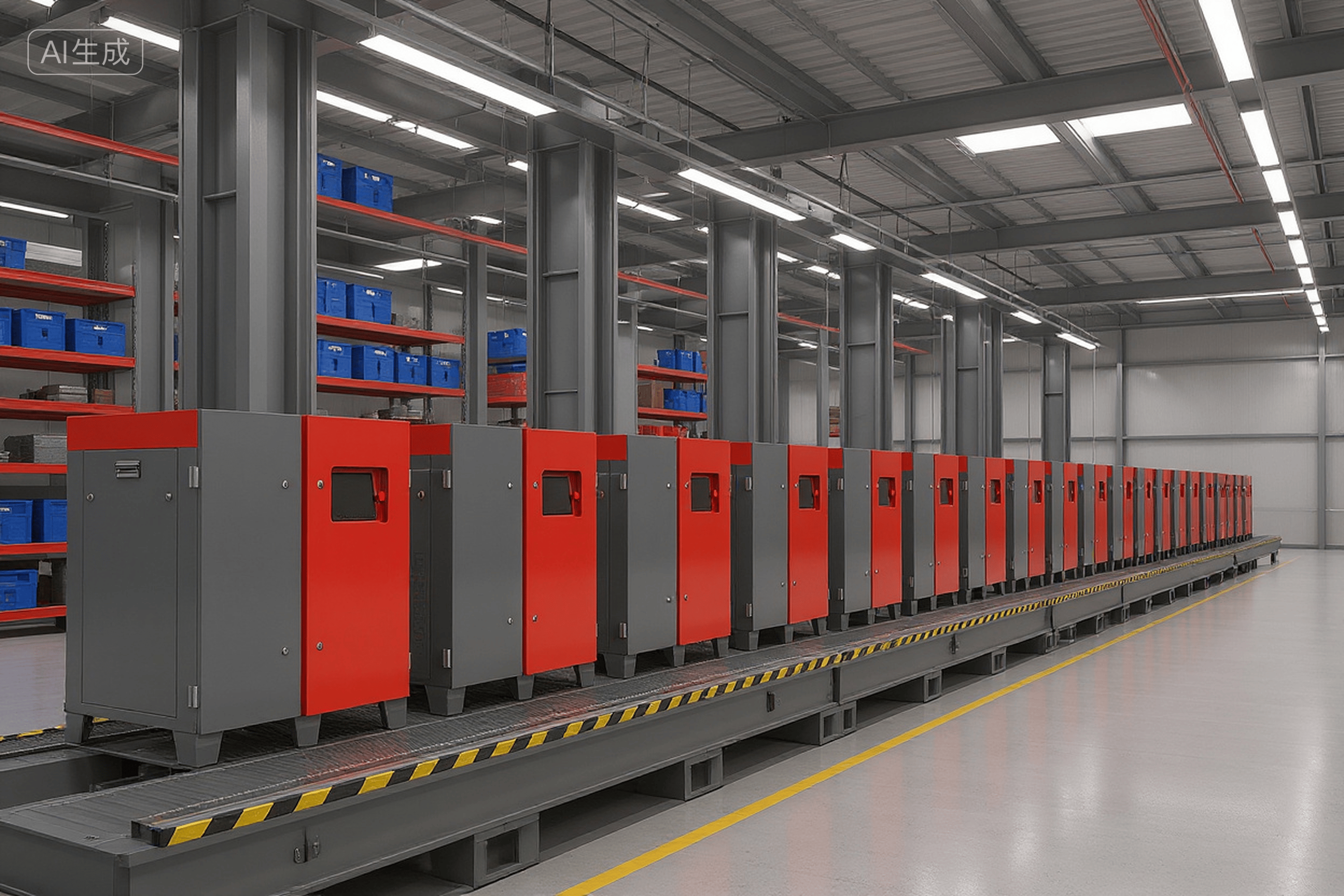
When you undertake Air Compressor Installation, it is essential to follow specific rules. These guidelines ensure your workplace remains safe and help your equipment operate efficiently. You must select the appropriate location for the compressor, control the surrounding environment, set up electrical systems, and plan the piping accordingly. These steps are crucial in preventing accidents and costly repairs. Numerous safety issues can arise during installation. For instance, flying debris can cause serious eye injuries, and loose hoses can create tripping hazards. Additionally, using compressors in confined spaces can lead to dangerous carbon monoxide buildup. Sollant provides expert assistance to help you maintain safety and adhere to high standards.
Safety Incident | Description |
|---|---|
Flying debris | Small pieces can hurt your eyes badly. Chip guard barriers protect you. |
Location | Portable compressors can produce deadly carbon monoxide in small spaces. |
Hose Connections | Pressurized hoses can come off and whip, posing a risk to nearby individuals. |
Tripping Hazard | Hoses on the ground can create tripping hazards for workers. |
Table of Contents
Key Takeaways
Pick a spot that is safe for your air compressor. Do not put it near dust, water, or heat. This helps the compressor work well.
Make sure air can move easily in the room. Keep the room between 50°F and 85°F. This stops the compressor from getting too hot. It also helps the machine last longer.
Use the right filters to keep the air clean. Clean air helps stop breakdowns. It also lowers repair costs. This makes your compressor work better.
Plan for easy repairs and upgrades. Leave space around the compressor for fixing it. Think about using bigger pipes if you need more power later.
Be careful when you install the compressor. Always wear safety gear. Check that the compressor is grounded. Make sure all connections are tight. This helps stop accidents.
Air Compressor Installation: Site & Environment
Location & Load Center
Pick a spot that is safe and helps the Air Compressor Installation work well. Put the compressor close to the load center. This makes the piping shorter. Short pipes help stop pressure drops and save energy. Do not put the compressor near dust, water, or things that shake. Sollant uses world rules to help people pick good spots. Many sellers have made their work better by listening to Sollant about where to put compressors. The right spot makes the compressor work better and easier to fix.
Ventilation & Temperature
Good airflow keeps the compressor cool and working well. Keep the room at the right temperature. Most people say it should be between 50°F and 85°F. Never let it get hotter than 105°F. Good air movement stops the compressor from getting too hot. This helps your machine last longer.
Source | Recommended Temperature Range | Maximum Operating Temperature |
|---|---|---|
Nigen | 50°F – 85°F | 105°F |
Rowse | 50°F – 85°F | 105°F |
Fluid Air Dynamics | 50°F – 85°F | 105°F |
TMI Compressors | 50°F – 85°F | 105°F |
Tip: Use fans or vents to help air move better. This easy step can stop big repairs and lost time.
Sollant wants you to use smart airflow systems. This saves energy and helps the planet.
Air Quality & Filtration
Clean air keeps your compressor safe. The air you use changes how well your compressor works. Use good filters to stop oil, water, and dirt from getting in. Clean air means your compressor breaks less and costs less to fix.
Good filters help keep pressure strong.
Clean air saves energy.
Good filters give you dry air all the time.
Sollant has special filters that work really well. Their filters use strong materials and new tech. These things help keep air clean and make your compressor last longer. Many people have had fewer problems after using Sollant’s filters.
Lighting & Access
You need bright lights in the compressor room. Good light helps you see leaks and check the gauges. It also helps you fix things safely. Make sure you can get to every side of the compressor. Wide paths help you move tools and machines. Sollant says you should plan for easy access when you set up your compressor. This makes checks and repairs faster and safer.
Expansion Space
Think about the future when you put in your compressor. Leave extra room for more machines or upgrades. Experts say you should leave at least 25 percent more space and use bigger pipes, valves, and controls.
Extra room makes upgrades simple.
Bigger parts help if you need more power.
Planning now saves time and money later.
Sollant helps people make layouts that can grow. Their ideas help you add more machines and keep things working well. Sellers who work with Sollant find it easy to make their business bigger because they planned ahead.
Electrical & Power Setup
Power Supply
Your air compressor needs steady power. Always check the voltage and amperage first. Pick cables and connectors that fit your machine. Using the wrong size can cause overheating. It may also damage your compressor. Sollant uses strong electrical parts that are very safe. Their compressors work with many power sources. If you are not sure, ask Sollant for help.
Grounding
Grounding protects you from electric shocks. Make sure all outlets are grounded before use. If an outlet is not grounded, call a technician. Put your compressor where air moves well. Keep it away from things that can catch fire. Have an electrician check your connections. Sollant gives training and support for safe setups.
Look at outlets to see if they are grounded.
Fix outlets that are not grounded before using them.
Keep compressors away from heat and things that burn.
Get a trained electrician to install your compressor.
Switches & Fuses
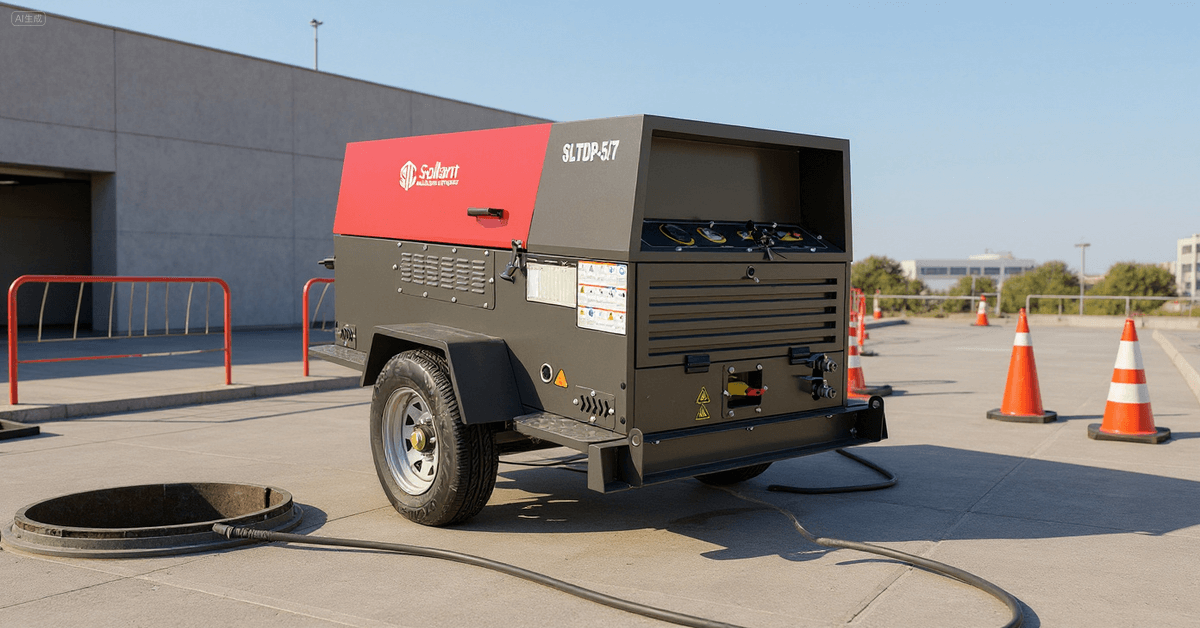
Switches and fuses keep your compressor and team safe. You need a disconnect switch you can lock. It should be easy to see from the controller. Circuit breakers and knife switches are good if they follow safety rules. The National Electrical Code (NEC) has rules for motor disconnects. Sollant’s compressors use switches and fuses that work well.
Put a lockable disconnect switch near the controller.
Circuit breakers must follow NEC rules.
Knife switches make it easy to turn off power.
Compliance
You must follow electrical rules for Air Compressor Installation. These rules help keep your workplace safe. They also help your equipment work well. Sollant’s products meet safety and performance standards used worldwide.
Directive/Standard | Description |
|---|---|
EU Directive 2004/108/EC | Electromagnetic compatibility |
EN 61000-6-2:2005 | Immunity for Industrial Environments |
EN 61000-6-4:2006 | Emission standards for Industrial Environments |
EU Directive 2006/95/EC | Low Voltage Equipment |
EN 60034-1 to 30 | Rotating Electrical Machines – Rating and Performance |
EN 60204-1:2009 | Safety of Machinery – Electrical Equipment |
EN 60439-1:2004 | Low-voltage and controlgear assemblies |
Tip: If you have questions about compliance, ask Sollant for help. Their team will help you meet every rule.
Piping & Layout
Pipe Material
You need to choose the right pipe material for your air system. The best materials last a long time and keep your air clean. Here are some common options:
Aluminum: Lightweight, easy to install, and resists corrosion. It helps keep pressure steady and is simple to handle.
Copper: Does not rust and is easy to work with. It costs more but gives you a smooth flow.
Stainless Steel: Very strong and does not corrode. It works well in places that need clean air, but it is heavy.
Galvanized Steel: Used often, but it can flake inside and cause blockages.
Plastic Pipes: Lightweight and non-corrosive, but PVC is not safe for compressed air.
Sollant’s advanced air compressor parts work well with these materials. Their filters and separators help keep your system clean and efficient.
Layout & Slope
Plan your piping layout to keep air moving smoothly. Use pipes that are big enough for your needs. Larger pipes lower resistance and help air flow better. Slope your pipes in the direction of airflow. A slope of 1/100 to 3/100 helps water drain out. This keeps your system dry and stops pressure drops. Try to keep pipes straight and avoid sharp turns.
Tip: Good layout and slope help your Air Compressor Installation run with fewer problems.
Connections & Valves
You must use the right fittings and valves to stop leaks. Here is a table to help you choose:
Fitting Type | Purpose | Benefits |
|---|---|---|
Compression Fittings | Reliable and secure | |
Elbows | Change pipe direction (use few for less drop) | Less pressure loss |
Valves | Control flow and isolate parts | Easy maintenance |
Couplings | Join two pipes | Fast connections |
Unions | Detachable points for repairs | Simple disassembly |
Flanges | Connect large pipes and equipment | Strong and rigid |
Keep piping straight and use as few elbows as possible. This helps stop leaks and keeps pressure steady.
Drainage
Water can build up in your pipes. You should drain your system often to stop rust and damage. Use rust-resistant pipes and keep the room at a steady temperature. Slope your pipes so water does not pool. Sollant’s filtration solutions help remove water and keep your air dry.
Testing
After you finish your piping, you need to test it. Use hydrostatic or pneumatic tests to check for leaks. Fill the pipes with water or air and raise the pressure to 1.5 times the normal level. Hold this pressure for at least 10 minutes. Check every joint and connection for leaks. Test again after any repairs. Regular testing keeps your system safe and working well.
Sollant’s team helps you plan, install, and test your piping. Their step-by-step method makes sure your Air Compressor Installation meets high standards.
Installation & Maintenance Space
Floor & Base
Your air compressor needs a strong, flat base. Concrete floors are best because they hold heavy machines. They also help stop shaking. Put your compressor on a solid spot so it stays still. Use mats that reduce vibration to make less noise. These mats also protect the floor. Sollant’s rotary screw air compressors are tough and work well on concrete. If you want a special setup, Sollant can help you make the right base.
Noise Control
Noise can bother people at work. You can make things quieter with sound panels and foam. Wrap the compressor with blankets that soak up noise. Add an intake silencer to lower loud sounds. Use systems that stop vibration and flexible connectors. These keep noise from spreading in the building. Smart controls can run the compressor quietly when you need less air. Put your compressor on a strong base and keep all parts tight. Make sure everything is oiled. These steps help make your workspace safer and more comfortable.
Put sound panels in the compressor room.
Use mats and flexible connectors to stop vibration.
Add intake silencers and sound blankets.
Cleanliness
Keep the area around your compressor clean. This helps protect your equipment. Make sure dust and dirt do not block the air intake. Change filters often to keep bad stuff out. Drain water from the compressor so it does not rust. Put your compressor in a clean place or use intake filters if the air is dirty. Sollant has ways to help you keep your system clean and working well.
Change filters to keep air clean.
Drain water to stop rust.
Put the compressor where the air is clean.
Maintenance Access
Leave space around your compressor so you can fix it easily. Make sure you can get to every side of the machine. Check for air leaks and look at hoses every month. Change filters often. Look at maintenance logs to find problems early. For rotary screw compressors, do full maintenance every 2,000 to 4,000 hours. Sollant helps you plan layouts that make repairs easy and safe.
Handling Equipment
Moving big compressors needs special tools. Use gantry cranes to lift heavy machines. Forklifts help move equipment across the building. Dollies let you roll compressors through doors. Cribbing keeps the machine steady when you lift it. Sollant can help you pick the right tools for Air Compressor Installation.
Tip: Think about future repairs when you plan your space. Good access and clean areas help your compressor last longer.
Safety Precautions
Fire Safety
You need to lower fire risks when using air compressors. Use strong air lines and make sure connections are tight. Do not bend or twist air hoses. Put hoses where people will not trip. Check air lines often and fix broken parts fast. Only trained workers should fix or change pressure equipment. Never use low flash point lubricants because they can catch fire easily. Do not use gasoline or diesel compressors inside buildings. Keep fire equipment close and working. If you weld or cut metal near compressed air, have someone watch with a hose or extinguisher. Do not keep or use things that burn easily in the compressor room.
Tip: Sollant’s training helps you find fire dangers and use safe steps. Their team helps you make fire safety plans for Air Compressor Installation.
Handling & Transport
Be careful when you move air compressors. Never breathe compressed air unless the system is made for it. Do not blow air on your skin or clean your body with hoses. Do not bend or join pressurized hoses the wrong way. Leave safety valves at the right pressure. Put your compressor in a clean, dry, and airy place. Turn off the machine and let out all pressure before fixing it. Let the compressor cool before you touch it. Drain the tank often to stop rust and explosions. Wear ear and eye protection. Make sure hose ends are tight before turning on the compressor. Keep hoses away from heat and sunlight. Learn and follow the safety rules at your site.
Turn off power before fixing anything.
Let the compressor cool before working on it.
Drain the tank often.
Make sure hoses and tools are tight before starting.
Sollant gives service and training to help you move compressors safely. Their team shows you how to use the right tools and stay safe.
Emergency Measures
Get ready for emergencies before you start work. Keep fire extinguishers and first aid kits near the compressor. Teach your team how to use emergency tools. Make sure everyone knows how to turn off power and let out pressure fast. Put emergency numbers and instructions on the wall. Practice drills so everyone knows what to do if something goes wrong. Sollant’s support helps you make emergency plans and teaches your team how to act in accidents.
Emergency Item | Purpose | Location |
|---|---|---|
Fire Extinguisher | Put out small fires | Near compressor |
First Aid Kit | Treat minor injuries | Easy to reach |
Emergency Shutoff | Cut power and pressure | Visible spot |
Contact List | Call for help | On the wall |
Note: Sollant’s training teaches you how to handle emergencies and keep your workplace safe.
Pressure Hazards
Compressed air can hurt you if you do not follow safety rules. High pressure can cause bad injuries like air bubbles in blood or organ damage. Set safety valves at least 10% or 15 psi higher than normal pressure. Use filters to keep air intake clean. Follow the manual for speed settings. Never use PVC pipes because they can break and burst. Always ground outlets to stop electric shocks. Gas compressors make fumes, so use them outside only. Flying bits can hurt your eyes or skin. Wear ear protection to stop hearing loss from loud noise.
Set safety valves the right way.
Use clean air filters.
Follow speed rules in the manual.
Ground all outlets.
Wear gear to protect eyes and ears.
Sollant cares about safety and gives good advice. Their service helps you check pressure dangers and keep your system safe.
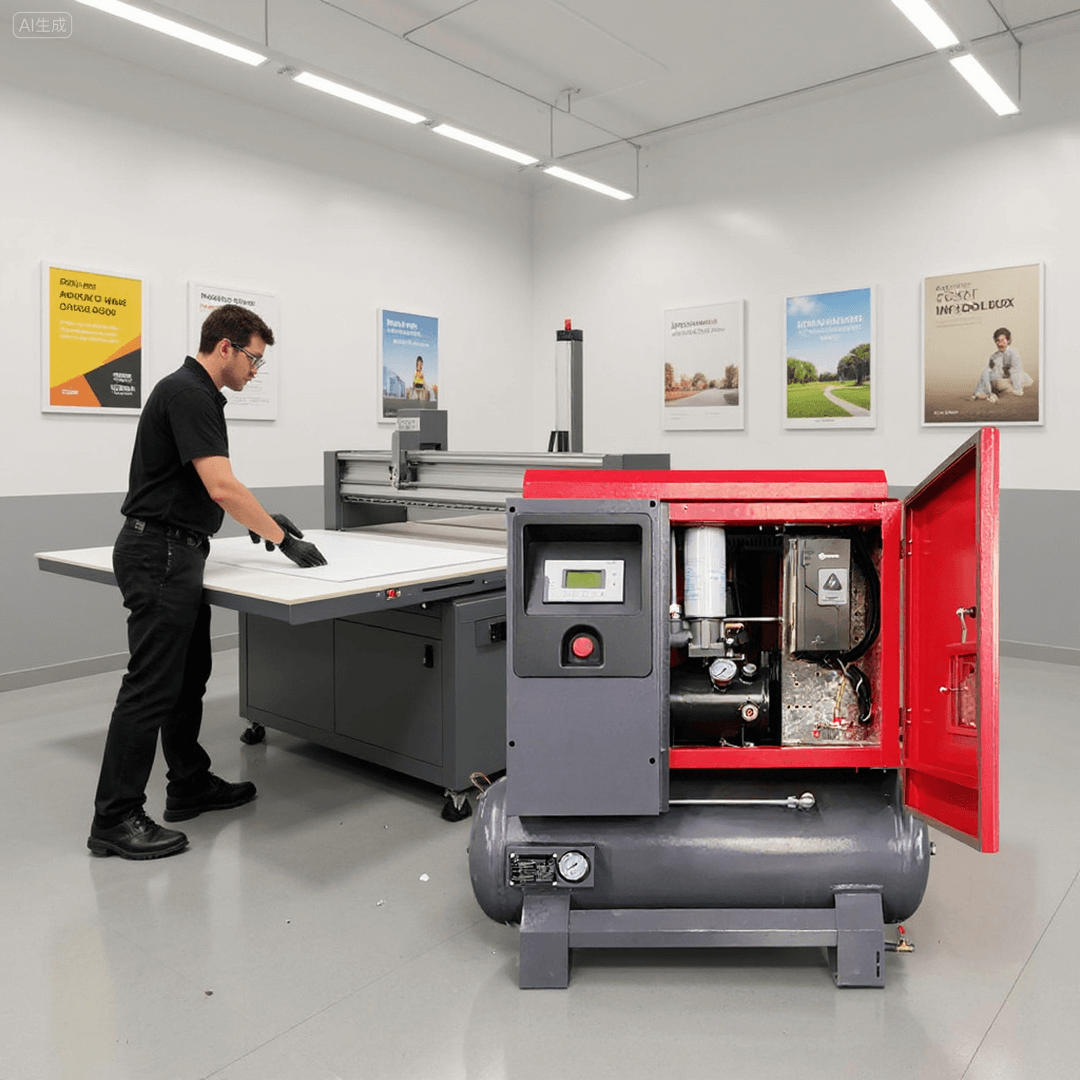
You should follow simple steps to install an Air Compressor safely. Pick a good spot for your compressor. Make sure the power setup is safe. Plan so you can fix and check the compressor easily. Sollant’s compressors are quiet and last many years. Their design is safe and works well. Sollant’s team helps you use smart ways to keep your system safe and working right.
FAQ
What is the best place to install an air compressor?
You should pick a spot with good airflow and a strong floor. Keep the compressor away from dust, water, and heat. Make sure you have enough space for future upgrades and easy access for repairs.
How often should you check the air filters?
Check your air filters every month. Clean or replace them if you see dirt or damage. Clean filters help your compressor work better and last longer.
Why do you need to ground the compressor?
Grounding protects you from electric shocks. It keeps your equipment safe. Always ask a trained electrician to check the grounding before you use the compressor.
What safety gear should you wear during installation?
Wear safety glasses, ear protection, and gloves. These items protect you from flying debris, loud noise, and sharp parts. Safety gear helps you avoid injuries.
Can you use PVC pipes for compressed air systems?
No, you should not use PVC pipes. PVC can break and burst under pressure. Use metal pipes like aluminum, copper, or steel for safe air compressor systems.
Request a Quick Quote Now
How to do my business well ?
- Market situation
- Technology configuration
- Strike Price
- exclusive agency
- Import and export assistance
- More…

