
Essential Steps to Use and Maintain Sollant Containerized Mobile Air Compressors
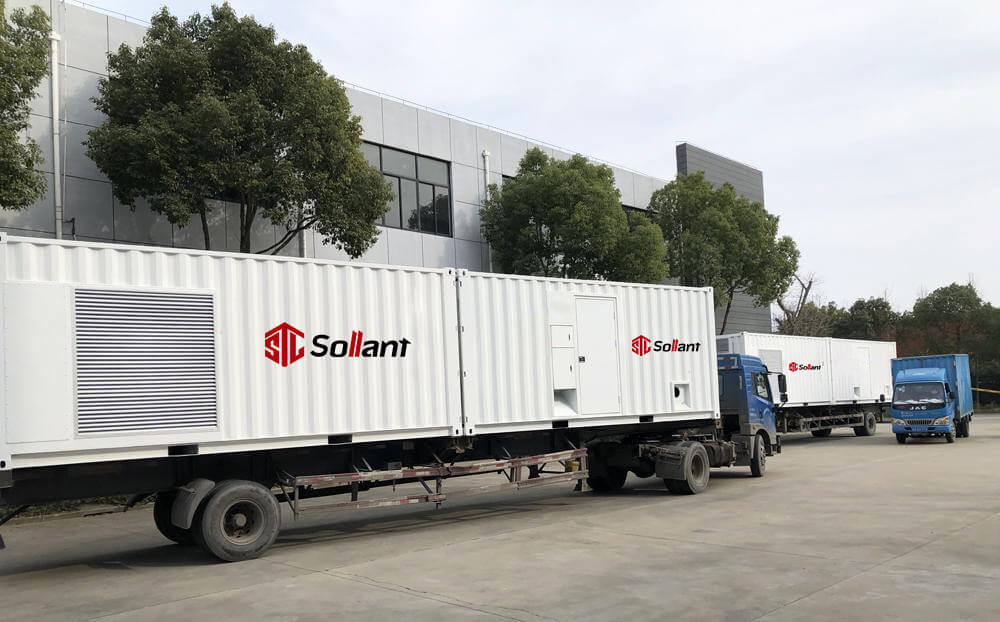
To operate and maintain your Sollant Containerized Mobile Air Compressor, it’s important to prioritize safety, efficiency, and reliability every day. The Sollant Containerized Mobile Air Compressor is engineered to deliver energy savings and support customers with a user-friendly, flexible, and robust system. Below is a table highlighting key solutions that benefit users of Sollant’s industrial air compressors:
Feature | Description |
|---|---|
Energy Efficiency | Saves up to 30% of fuel, helping you reduce costs. |
Reliability | Durable construction ensures long-lasting performance, even in tough conditions. |
Ease of Use | Intuitive controls and advanced computer system make operation simple. |
Maintenance | Easily accessible components allow for straightforward daily care and extended lifespan. |
Flexibility | Adaptable to various environments with multiple engine options. |
By following straightforward steps, you can keep your Sollant Containerized Mobile Air Compressor running smoothly, whether you’re a beginner or an experienced operator.
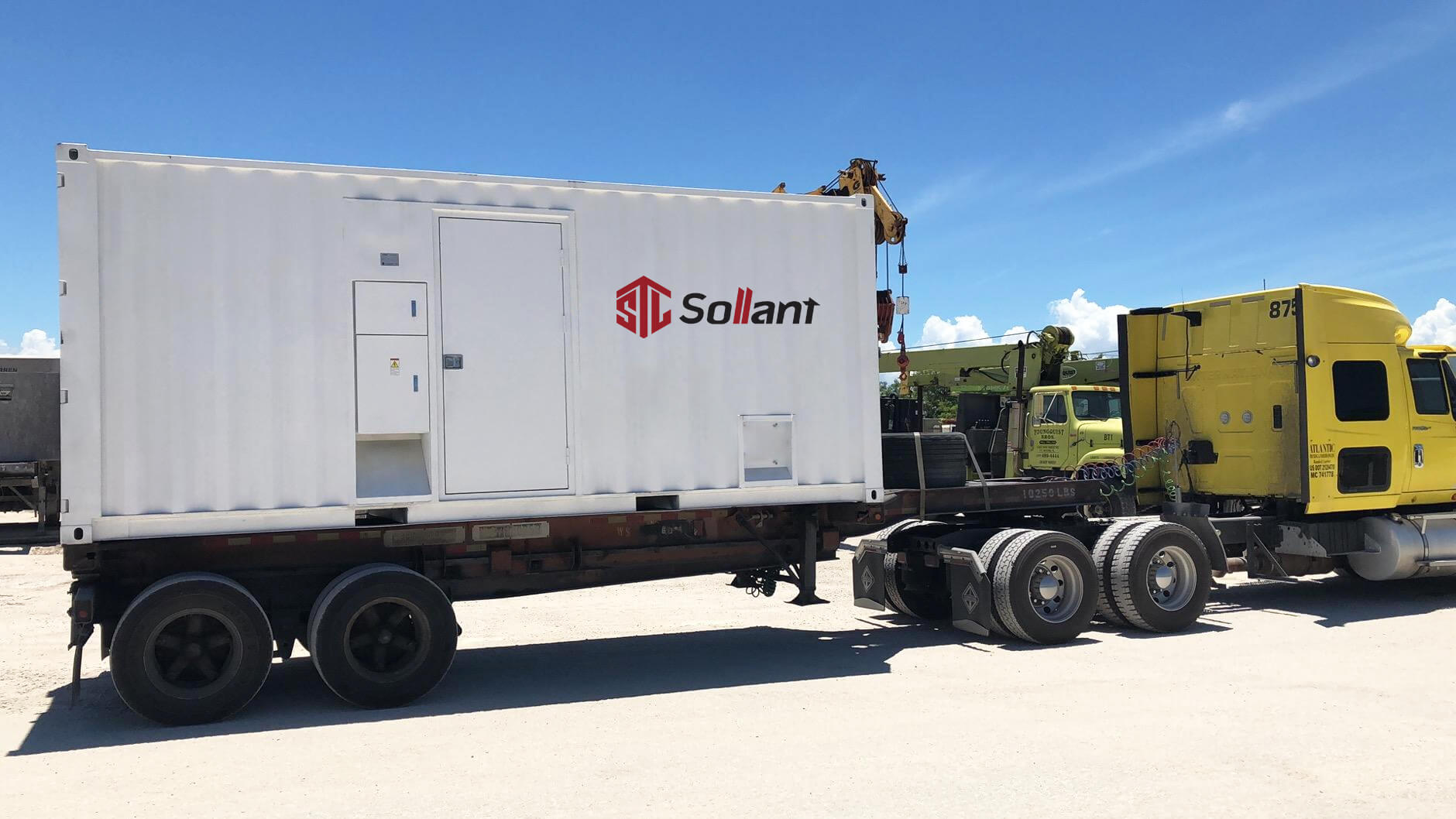
Table of Contents
Key Takeaways
Check your Sollant compressor every day for safety. This helps stop accidents and keeps it working well.
Clean the air filter often. Look at the oil levels a lot. This helps the compressor work its best and last longer.
Start the compressor the right way. This keeps it safe and stops damage.
Put your compressor away the right way when you are not using it. This keeps it safe from harm and ready for next time.
Write down all the things you do to take care of it. This helps you see how it works and helps with warranty claims.
Safety Inspection
Before you use your Sollant Containerized Mobile Air Compressor, do a safety check. This helps stop accidents and keeps your equipment working well. Check your compressor every day for safety and efficiency. Use a checklist to find problems early. Doing this also helps you follow OSHA rules and manufacturer instructions.
Visual Check
Start with a visual check of your compressor. Look for damage on the container, hoses, and fittings. Check for oil or air leaks near the unit. Make sure the outside is clean and has no trash. The dustproof and rainproof design protects the compressor from bad weather. Also, look at the control panel for warning lights or error messages.
Look for cracks, dents, or rust.
Check for loose bolts or fasteners.
Inspect hoses for wear or splits.
Make sure nothing blocks the area around the compressor.
Tip: Walking around your compressor can help you find small problems before they get worse.
Component Integrity
Now, check the main parts of your compressor. Look at the air filter, oil level, and separator to see if they are in good shape. High-density filter materials and nano-plating technology make these parts strong and dependable. Make sure all connections are tight and listen for strange noises when you turn on the system.
Check the air filter for dirt or clogs.
Look at the oil level and quality.
Make sure the separator is clean and works well.
Listen for odd sounds when starting up.
Emergency Systems
Last, check that all emergency systems are ready. Test the emergency stop button and alarms. Make sure safety devices like pressure relief valves work. Soundproofing and heat insulation give extra protection. Qualified workers should inspect the compressor often to follow safety rules and manufacturer guidelines.
Note: Always check emergency systems before you use the compressor. This keeps you and your team safe.
Setup and Installation
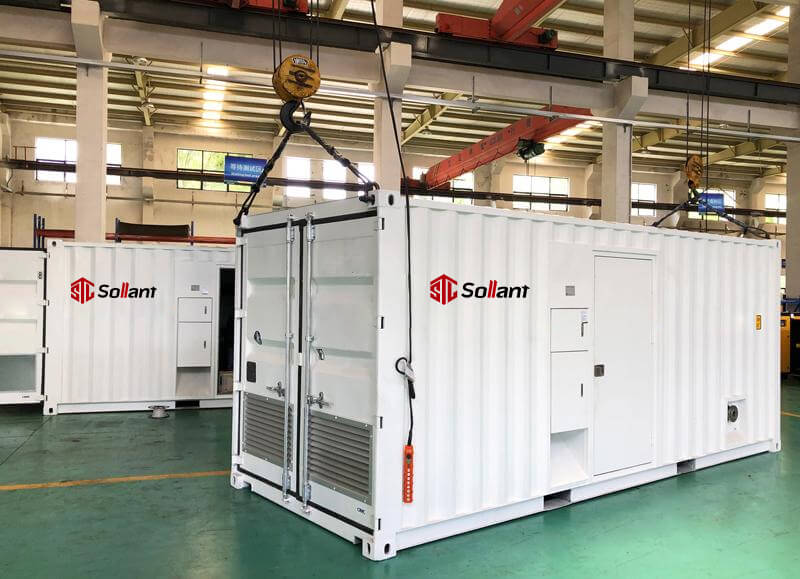
Setting up your Sollant Containerized Mobile Air Compressor is easy. The all-in-one design makes transport and installation simple. You can move the unit with a forklift or crane. The compact structure fits into tight spaces and helps you start work quickly.
Positioning
Choose a good spot for your compressor. You want to keep it away from moisture. Water can cause rust and damage compressor components. Pick a clean area so dust and dirt do not get inside the system. Try to keep the temperature between 50°F and 85°F. Extreme heat can harm compressor components, and cold can make oil thick. Good ventilation helps control heat. Use fans if the area gets hot. If you work in cold places, heaters or heat tracing protect compressor components from freezing.
Place far from moisture.
Keep the area clean.
Maintain stable temperatures.
Ensure proper ventilation.
Tip: A well-ventilated and dry space helps your compressor last longer.
Hose Connection
Connect the hoses before you start the compressor. Check that each hose fits tightly to the right port. Loose hoses can leak air and lower efficiency. Inspect the hose ends for cracks or wear. Make sure the hoses do not bend sharply. This prevents damage and keeps air flowing smoothly. Use the clamps provided to secure each hose. Double-check all connections before turning on the compressor.
Power Supply
Supply the correct power to your compressor. Check the voltage and phase match the machine’s requirements. Use a stable power source to avoid surges. Inspect the power cable for cuts or exposed wires. Plug the unit into a grounded outlet. If you use a generator, make sure it can handle the load. Always follow the manufacturer’s instructions for electrical setup.
Note: Safe power connections protect your compressor and keep your team safe.
Operating the Sollant Containerized Mobile Air Compressor
Operating your sollant containerized mobile air compressor is simple when you follow the right steps. You get reliable power and efficiency every time you use it. The advanced cooling system and high-performance features help your screw air compressor work at its best.
Startup Procedure
You should always start your screw air compressor in the correct order. This keeps the machine safe and helps it last longer. Follow these steps:
Turn on the cold dryer first. Make sure it runs normally.
Press the start button on the screw air compressor. The machine will start in unloaded mode.
Wait about 10 seconds. The compressor will load and you will see changes on the display.
Check that all indicators show safe values. Look at the machine’s labels for the right numbers.
Write down the main numbers in your record form. This helps you track how your screw air compressor works each day.
Let the machine run for 7 to 10 minutes. The air storage tank will build up pressure.
Open the manual drain valve to let out any water or dirt.
The startup process is now complete.
Tip: Always follow these steps to protect your screw air compressor and keep it running smoothly.
Pressure Adjustment
You can adjust the pressure on your screw air compressor to match your job. Use the control panel to set the right pressure. Make sure you do not go above the safe limit. The advanced cooling system helps keep the temperature steady, even when you use high pressure.
Check the manual for the best pressure range.
Use the up or down buttons to change the setting.
Watch the display to see the new pressure.
Monitoring Gauges
You need to watch the gauges on your screw air compressor while it runs. The gauges show you the pressure, temperature, and oil level. If you see a number outside the safe range, stop the machine and check for problems.
Look at the pressure gauge often.
Check the temperature gauge to make sure the cooling system works.
Watch the oil level gauge to protect the screw air compressor.
Note: Monitoring gauges helps you catch problems early and avoid damage.
Performance Observation
You should listen and look for signs that your screw air compressor works well. The machine should run quietly and smoothly. The advanced cooling system keeps the temperature low, even during long jobs. If you hear strange noises or see warning lights, stop and check the machine.
Listen for smooth, steady sounds.
Watch for warning lights on the control panel.
Feel the air coming out to make sure it is strong and steady.
By following these steps, you help your sollant containerized mobile air compressor deliver top performance every day.
Daily Maintenance Guidelines
You should do daily maintenance to keep your Sollant containerized mobile air compressor working well. Taking care of it every day helps stop breakdowns. These steps show you the most important things to do each day.
Air Filter Cleaning
Cleaning the air filter is a key job every day. Clean air filters help your compressor work better. They also keep dust and dirt out of the inside parts. Sollant uses high-density filter material and nano-plating technology. This design gives strong filtration and makes the parts last longer.
Feature | Description |
|---|---|
High-density filter material | Uniform pore size, strong dust capture, and low resistance |
Nano-electroplating treatment | Extra surface strength and better filtration accuracy |
Filtration accuracy | Keeps out impurities and helps your compressor last longer |
Check the air filter every day. If you work where it is dusty, clean it more often. Use compressed air to blow out dust. Wipe the outside of the filter housing. Change the air filter every 1000-2000 hours. If you see a big drop in pressure or lots of dirt, change it sooner. In tough places, change it every few hundred hours.
Tip: Keeping the air filter clean helps your compressor work well and protects the engine.
Oil Check
Check the oil level and quality every day. Good oil keeps your compressor cool and stops parts from wearing out. Look at the oil sight glass or dipstick. The oil should be clean and at the right mark. If the oil looks dirty or dark, change it right away. Add more oil if the level is low. Sollant says to use high-quality compressor oil for best results.
Check oil before starting the compressor.
Add the right oil if it is low.
Change oil if it looks dirty or smells burnt.
Cleaning the air filter and checking the oil work together. Clean oil and filters mean less damage and fewer repairs.
Leak Inspection
Leaks waste air and make your compressor work harder. Check for leaks every day. Most leaks come from loose fittings, old hoses, or broken parts. Finding leaks early saves money and stops bigger problems.
Common Causes of Leaks | Detection Methods |
|---|---|
Loose fittings or connections | Listen for hissing sounds |
Damaged or worn components | Use soapy water on joints |
Improper installation | Check with air flow meters |
Vibration | Visual inspection |
Threaded pipe issues | |
Open drain traps |
Walk around your compressor and listen for hissing. Spray soapy water on joints and look for bubbles. Tighten any loose fittings you find. Replace old hoses or broken parts right away.
Note: Checking for leaks quickly helps you save energy and keeps your compressor running well.
Doing these daily checks helps your Sollant containerized mobile air compressor last longer and work better. Simple daily care makes a big difference in how well it works.
Routine Maintenance
You should do routine maintenance to keep your Sollant containerized mobile air compressor working well. These steps help stop breakdowns and keep your compressor running. Routine maintenance also saves you money and time by stopping bigger problems.
Oil Change
Changing the oil is very important for your compressor. Fresh oil keeps the compressor cool and stops parts from wearing out. Old oil can hurt the machine and make it work less well. You need to check the oil level and quality often. Always use good compressor oil for the best results.
Task | How Often | What to Do |
|---|---|---|
Check oil level | Daily | Use sight glass or dipstick |
Change oil | Every 1,000-2,000 hours | Drain old oil, add new oil |
Inspect oil quality | Weekly | Look for dirt or dark color |
If you work in hard places, change the oil more often. Always follow the instructions from the manufacturer for oil type and when to change it. Clean oil helps your compressor last longer and work better.
Tip: Write down every oil change in your logbook. This helps you remember when to change the oil next time.
Filter Replacement
Filters keep dust and dirt out of your compressor. Clean filters help your machine run well and stop damage. You should check the air filter and oil filter often. Change them if they look dirty or blocked.
Check the air filter every day.
Change the air filter every 1,000-2,000 hours or sooner if needed.
Check the oil filter when you change the oil.
Change the oil filter at the same time as the oil.
High-density filter materials and nano-plating technology make filters strong and dependable in Sollant compressors. Clean filters help the air stay clean and keep your compressor working well.
Separator Inspection
Taking care of the oil-gas separator is a big part of routine maintenance. The separator keeps oil and water out of the compressed air. You need to check the separator often to make sure it works right.
Steps for Separator Inspection:
Add oil or fluids if they are low.
Fill the fuel tank and drain water from the fuel/water separator.
Check dust collectors and clean them if needed.
Clean coolers if you work in dirty places.
Checking and cleaning often helps you find problems early. Good lubrication and the right fluid levels keep the separator working. Watch separator data to find issues before they get worse. Preventive maintenance means you check, clean, oil, fix, and change parts before they break.
Note: Checking the separator helps you avoid big repairs and keeps your compressor safe.
Condensate Drainage
Water can build up inside your compressor when you use it. You need to drain water often to protect your machine. If water mixes with oil, it can cause damage and wear. Water left inside can cause rust and make your compressor not last as long. Moisture can also get into your tools and hurt them.
Drain water every day or after each use.
Check drain valves to make sure they are not blocked.
Make sure water does not mix with oil.
Draining water often keeps your compressor working well and stops rust. You protect your machine and your tools from damage.
Tip: Set a reminder to drain water at the end of each shift. This easy step can help you avoid costly repairs.
Routine maintenance helps your Sollant containerized mobile air compressor stay in good shape. You will have less downtime and your equipment will last longer if you follow these steps.
Maintenance Methods for Longevity
Taking care of your Sollant containerized mobile air compressor helps you get more value. Smart maintenance keeps your equipment working for many years. Follow these steps to protect your compressor and save money on repairs.
Storage Practices
You must store your compressor the right way to stop damage. Good storage keeps your machine safe when not in use. Here are some best ways:
Clean your compressor inside and outside. Remove dust from the air intake, cooling fins, and tank.
Drain all fluids. Empty the air receiver tank and take out any water. Change the oil before storing if your compressor uses oil.
Store your compressor in a dry, clean spot. Keep the temperature steady. Cover the unit to keep out dust and moisture.
Use a rust inhibitor for long-term storage. Lubricate moving parts to stop rust.
Tip: Careful storage keeps your compressor ready and helps it last longer.
Record Keeping
Good records help you track maintenance and find problems early. Write down every service, repair, and inspection. This makes it easier to follow schedules and helps with warranty claims. Here is how record keeping helps you:
Evidence | Description |
|---|---|
Warranty Claims | Records show you did regular maintenance, so you keep your warranty. |
Reliability | Tracking service helps your compressor run smoothly and avoids breakdowns. |
Equipment Lifespan | Regular maintenance and records help your compressor last longer. |
Use a notebook or computer to log dates, tasks, and parts changed. Finding small issues early stops big problems.
Professional Service
Sometimes you need expert help to keep your compressor working well. Certified professionals know how to fix hard problems and keep your equipment safe. Look for service providers with these certifications:
Certification Name | Description | Eligibility | Exam Fees |
|---|---|---|---|
CCASS | Any compressed air professional | $275 (Limited Time Offer) | |
CCASA | Certified Compressed Air System Assessor | Must be a CCASS holder | $595.00 |
Sollant gives strong support and after-sales service. You can contact their team for advice, repairs, or technical help. Getting professional service keeps your compressor reliable and safe.
Note: Regular checkups by certified experts help you avoid surprise problems and keep your compressor working well.
Troubleshooting
Common Issues
You may notice some problems when using your Sollant containerized mobile air compressor. One common issue is frequent startup cycles. The small gas tank can empty quickly, so the compressor starts and stops more often. This can cause extra wear and higher energy use. You might also see low air pressure, strange noises, or warning lights on the control panel. Sometimes, the compressor shuts down by itself or the air pressure changes without warning. These signs show that something needs attention.
Tip: Always pay attention to new sounds, smells, or warning signals. They help you spot trouble early.
Quick Fixes
You can solve many problems with a few simple steps. Try these actions if your compressor is not working right:
Identify the problem. Look for symptoms like low air pressure or loud noises.
Check the power supply. Make sure the switch is on, the breaker is not tripped, and the cable is not damaged.
Examine the air filter. Clean or replace it if it looks dirty.
Inspect the pressure switch. Make sure it is set correctly and not broken.
Check for leaks. Look for air escaping or use soapy water to find bubbles at joints.
Look at oil levels and quality. Add oil if it is low or change it if it looks dirty.
If you fix small issues early, you can avoid bigger repairs later.
When to Contact Sollant
Sometimes, you need expert help. Contact Sollant technical support if you notice:
Pressure changes that do not stop.
The compressor shuts down often.
Strange smells like burnt oil or rubber.
Air pressure is not steady.
Unusual noises from inside the machine.
Warning lights or error codes on the control panel.
Warning Signal | What It Means |
|---|---|
High Temperature | The motor or oil is overheating |
Low Oil Level | Not enough oil for safe operation |
Low Pressure | Not enough air in the tank |
High Pressure | Pressure is too high |
Service Required | Time for scheduled maintenance |
System Fault/Error | Electrical or mechanical problem |
Note: If you see any of these signs, stop using the compressor and call Sollant for help. This keeps your equipment safe and working well.
If you follow each step, your sollant containerized mobile air compressor will work safely and well. Doing regular maintenance stops breakdowns and helps your equipment last longer.
Checking oil and changing filters every day stops damage.
Watching the temperature and looking for leaks keeps your compressor working its best.
Sollant’s website has easy guides, help, and answers for everyone.
Benefit | Result |
|---|---|
Less downtime, longer life | |
Professional support | Reliable performance |
Go to Sollant’s official website to learn more and get the best use from your compressor.
FAQ
How often should you change the oil in your Sollant containerized mobile air compressor?
You should change the oil every 1,000 to 2,000 hours of use. If you work in tough conditions, change it more often. Clean oil helps your compressor last longer.
Tip: Write down each oil change in your maintenance log.
What should you do if your compressor shows a warning light?
Stop using the compressor right away. Check the control panel for error codes. Look at the manual for solutions. If you cannot fix the problem, contact Sollant support for help.
Warning Light | Action |
|---|---|
Red | Stop and check |
Yellow | Inspect soon |
How do you clean the air filter?
Turn off the compressor first. Remove the air filter. Use compressed air to blow out dust. Wipe the filter housing with a clean cloth. Put the filter back in place.
Clean the filter daily.
Replace it if it looks damaged.
Can you use the compressor outdoors in bad weather?
Yes, you can use it outdoors. Sollant compressors have dustproof, rainproof, and sunproof protection. Always check for leaks and keep the unit dry when possible. Store it in a safe place after use.
Note: Multi-protection features help your compressor work in tough environments.
Request a Quick Quote Now
How to do my business well ?
- Market situation
- Technology configuration
- Strike Price
- exclusive agency
- Import and export assistance
- More…

