
Essential Precautions for Air Compressor Maintenance
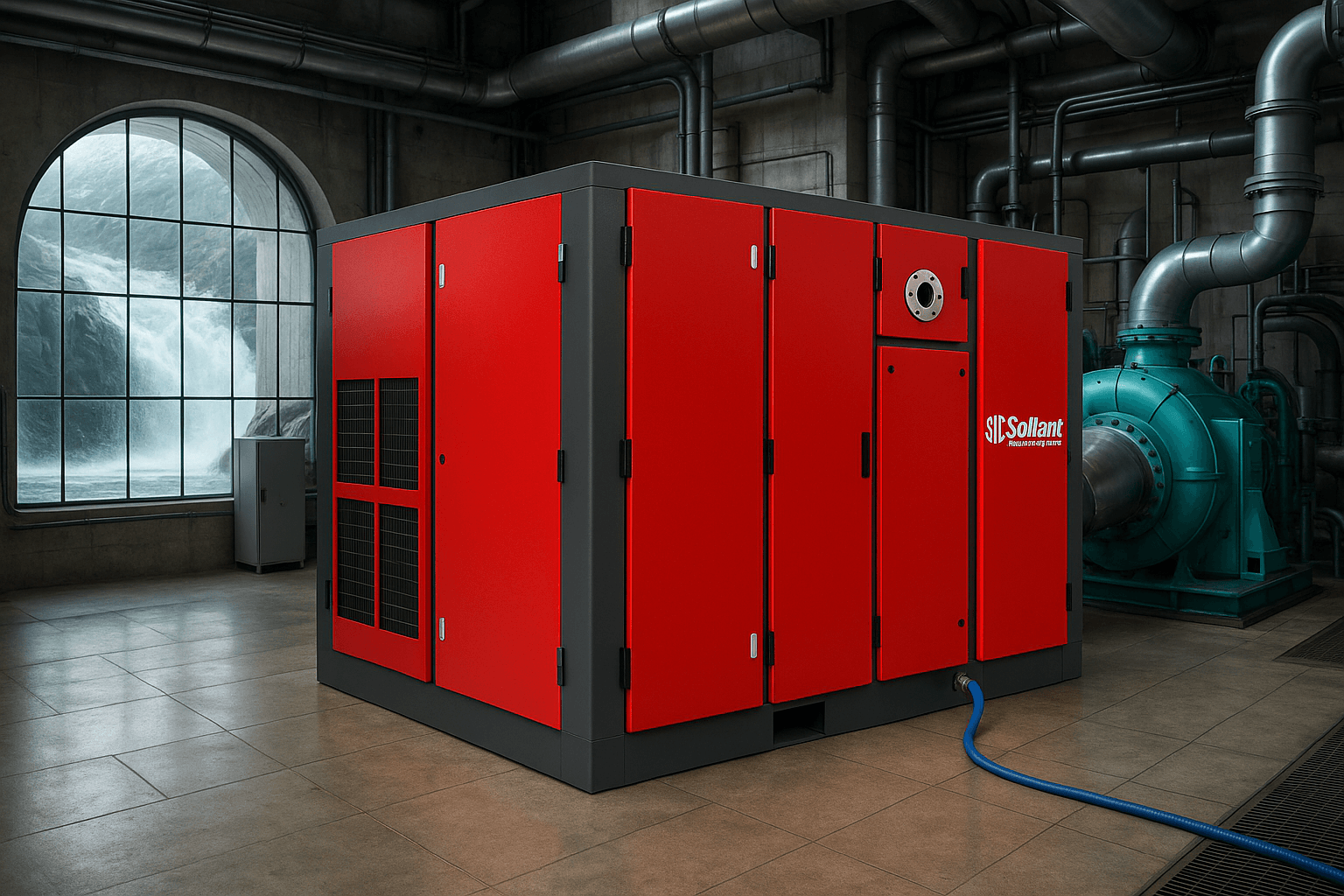
Staying safe with your air compressor starts with a few smart habits. Regular checks can boost performance, cut down on repairs, and help you avoid accidents. These steps work for every brand, even sollant.
You can save up to 30% on energy costs with simple maintenance.
Table of Contents
Key Takeaways
Turn off your air compressor before you do any maintenance. This stops it from starting by accident. It also keeps you safe from electric dangers.
Check and clean air filters often to help the compressor work better. Clean filters make the compressor use less energy. This saves money and helps the compressor run well.
Wear the correct safety gear like safety glasses and gloves. This protects you from getting hurt while you work on the compressor.
Air Compressor Safety
Keeping safe around your air compressor starts before you even touch the machine. You want to make sure you follow a few steps every time you do maintenance. Sollant designs air compressors with safety and reliability in mind, but you still need to take action.
Power Down Procedures
Always turn off your air compressor before you start any work. Unplug it from the power source. Double-check that the machine is off. This stops accidental start-ups and keeps you safe from electrical hazards. Secure all tools and hoses before you begin.
Tip: Never skip this step. It only takes a minute, but it can save you from serious injury.
Cooling Before Maintenance
Let your air compressor cool down before you touch any parts. Hot surfaces can burn your skin. Wait until the machine feels cool. This makes your work safer and more comfortable.
Personal Protective Equipment
Wear the right gear every time. Put on safety glasses to protect your eyes from flying debris. Use ear protection to block out loud noises. Gloves help keep your hands safe from sharp edges and hot surfaces.
Ear plugs or earmuffs
Work gloves
Safe Location and Ventilation
Pick a spot with good airflow for your air compressor. This helps keep fumes and dust away. Make sure the area is dry and clean. Good ventilation stops rust and keeps the air fresh. Never use PVC pipes for air lines because they can crack and cause injuries.
Note: Always keep hair, fingers, and loose clothing away from moving parts.
Essential Maintenance Steps
Filter and Separator Care
You want your air compressor to work well every day. The key is to take care of the filter and separator often. Clean filters help keep the air clean and make your machine last longer. If filters get dirty, your compressor has to work harder. This can make your energy bills go up and slow down your work.
Sollant uses special filter and separator parts. These parts catch dust and oil to keep your system clean. If you forget to change filters, your compressor can get damaged and not work as well.
Here is a simple guide for filter and separator care:
Compressor Type | Maintenance Interval |
|---|---|
Oil-flooded rotary screw | |
Reciprocating | Every 1,000 hours or every six months |
Air filters | Change as needed during PM service |
Check and clean air filters every week. If your workspace is dusty, check them every day.
Change air filters after 500 hours.
Change the air oil separator filter after 500 hours or once a year.
At least, change inlet air filters two times a year.
Tip: Changing filters often helps your air compressor last longer and work better.
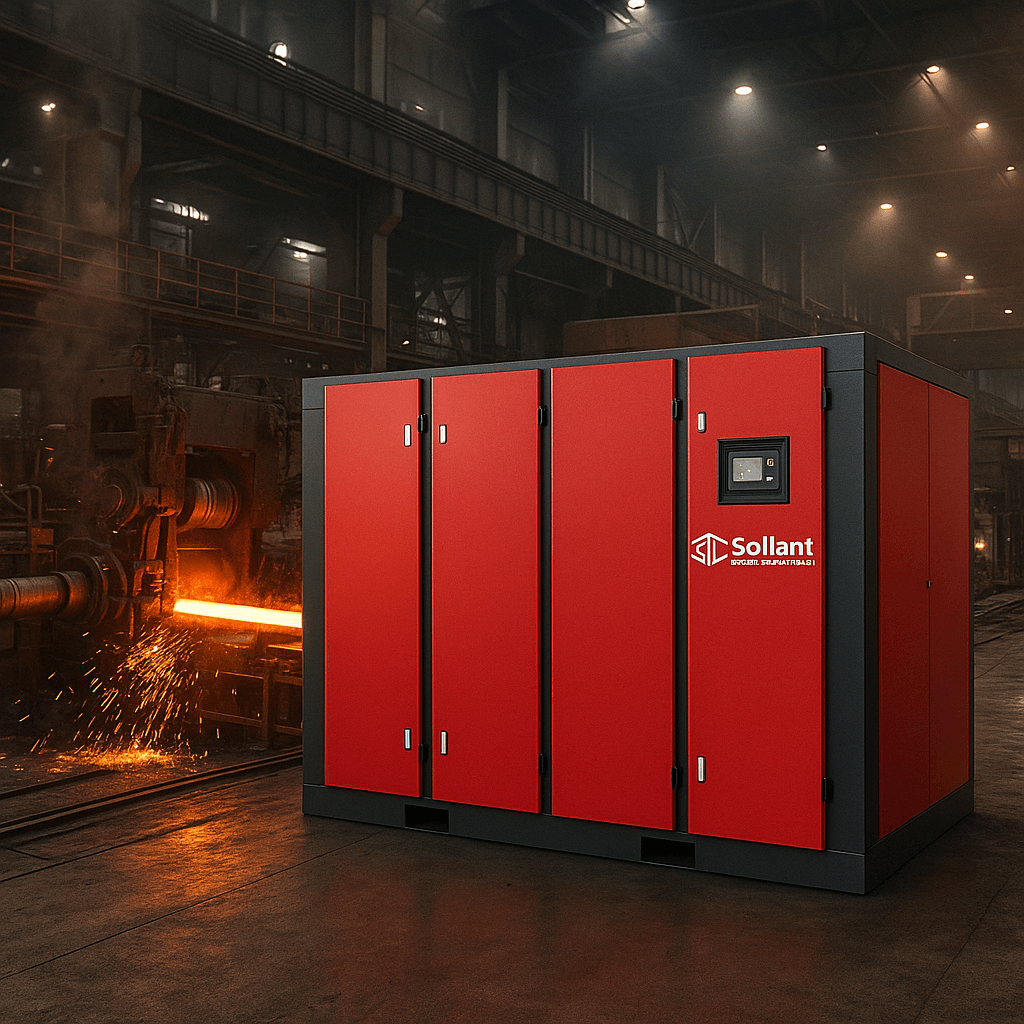
Oil and Lubrication Checks
Oil helps your air compressor stay cool and move. If you do not check the oil, your machine can get too hot or break. Sollant says to use synthetic oil for better results and longer life.
Here is a table to help you choose the right oil:
Type of Oil | Characteristics |
|---|---|
Standard Oil | Mineral base, cheaper, needs more changes, breaks down faster. |
Synthetic Oil | Lasts up to 50% longer, cools better, needs fewer changes. |
Synthetic Hydrocarbons (POAs) | Stable, low volatility, good for many temperatures. |
Polyol Esters (POEs) | Strong thermal stability, lasts longer, may react with some materials. |
Polyglycols (PAGs) | Do not oxidize, hard to separate when mixed, do not mix with other oils. |
Food-Grade Oils | Non-toxic, safe for food packaging. |
Change lubricant every 4,000 to 8,000 hours, depending on your compressor type.
Use synthetic oil if you want less work and better cooling.
Note: Low oil can hurt your machine. Always check the oil.
Draining Condensate
Water can build up inside your air compressor. If you do not drain it, rust and damage can happen. Open the drain valve every day to let water out of the tank. The best time is when the tank pressure is about 0.1Mpa.
Drain the tank every day.
Make sure the pressure is low before you open the valve.
Write down when you drain the tank.
Alert: Do not skip this step. Water in the tank can ruin your compressor.
Inspecting Belts and Hoses
Belts and hoses help your air compressor run. If they wear out, you might hear squeaks or see leaks. Check them often to stop problems before they start.
Look at belts and couplers for cracks or fraying every month.
Listen for odd sounds like chirping or squealing.
Check hose connections for leaks or damage.
Adjust belt tension every month.
Replace any belt or hose that looks cracked, swollen, or feels soft.
Tip: Fixing things fast saves money and keeps your compressor working.
Cleaning and General Upkeep
A clean air compressor works better and lasts longer. Dust and dirt can block airflow and make the machine hotter. Sollant says to clean filters and check parts often.
Cleaning Method | Description |
|---|---|
Clean the air filters | Remove dust and dirt to keep airflow strong and temperatures low. |
Clean or change filters every three months or after 500 hours of use.
Check pulley nuts and screws when you clean.
Keep extra filters ready so you do not have to wait.
Wipe down the outside and keep the area around your compressor clean.
Note: Cleaning often stops breakdowns and keeps your air compressor working well.
Preventive Measures
Regular Inspections
Checking your air compressor often helps you find problems early. This stops big repairs and keeps your machine working well.
Look at fluid levels and air filters every day.
Drain water traps and check for leaks in hoses, tubes, and valves.
Clean the compressor and check the belt every week.
Change oil and filters, look at wires, and check the fuel system every month or every few months.
Big compressors need a full check every three years. Small tanks do not need checks as often, but you should still follow good rules.
Tip: Use a checklist to remember your tasks and stay organized.
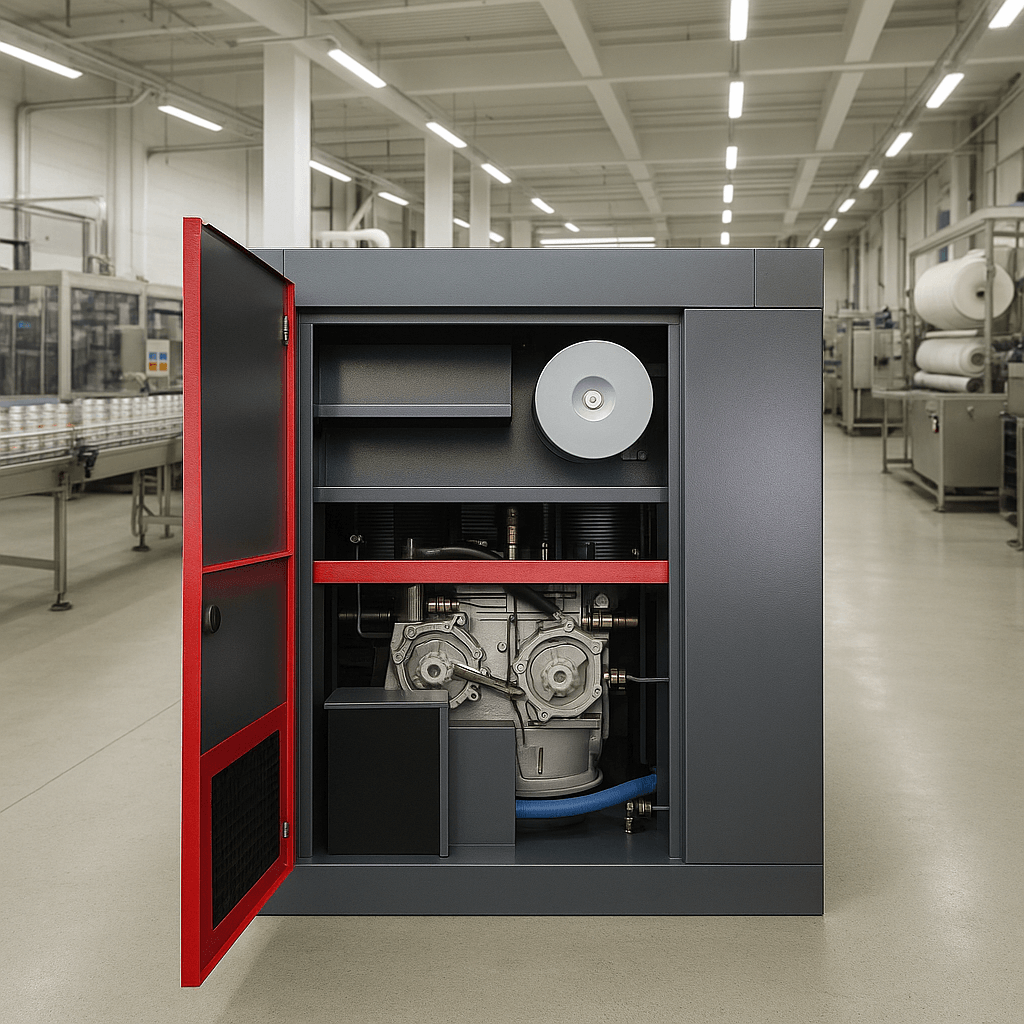
Maintenance Records
Writing down what you do helps your air compressor work better. You can see problems, notice patterns, and plan fixes before things break. Here is what you should keep track of:
Tasks to Perform | |
|---|---|
Daily | Check oil, drain water, look for leaks |
Weekly | Clean intake, check valves, look at belts, add oil to motor bearings |
Monthly | Change oil filters, test oil, check coupler and shaft seals |
Quarterly | Change oil/water separators, check valves, look at the whole system |
Annually | Do all quarterly jobs and any extra checks |
Note: Doing regular maintenance helps stop breakdowns and keeps your compressor working longer.
Professional Service
Sometimes you need help from an expert. Certified technicians know a lot about air compressors. They use special tools to find problems you might not see.
Professionals clean and oil parts you cannot reach.
They find issues before they get worse.
Getting regular service from a pro helps your compressor last longer and use less energy.
Recommended Service Interval | |
|---|---|
Oil-flooded rotary screw compressor | Every 2,000 to 4,000 hours or once a year |
Reciprocating compressor | Every 1,000 hours or every six months |
Alert: You can fix small things yourself, but big repairs need a trained technician.
sollant Solutions
Sollant gives you smart ways to keep your air compressor working well. You get less noise with mufflers and sound covers. Shock absorbers stop shaking and protect your machine. Sollant’s energy-saving system changes settings to save money. Their smart maintenance system looks for problems early, so you can fix things before they break.
Feature | Description |
|---|---|
Original Spare Parts | Good parts always ready |
Experts trained by the factory | |
Technical Training | Learn at the factory, on-site, or online |
Installation Guidance | Get help from Sollant engineers or local distributors |
Sollant’s special parts and support help you keep your compressor working for many years.
Common Mistakes
Skipping Safety Steps
Sometimes people want to finish maintenance fast. They might skip safety steps. This can be dangerous. If you do not turn off the power, you could get shocked. If you do not let the compressor cool, you might get burned. Safety steps help stop accidents and injuries. Always check everything before you start working.
Risk Type | What Can Happen |
|---|---|
Equipment Damage | Lower performance, higher costs |
Safety Accidents | Fire, explosions, injuries |
Production Interruptions | Work stops, lost time |
Alert: Never skip safety steps. Your safety is most important.
Ignoring Manufacturer Guidelines
You might think you know your compressor well. But not reading the manual can cause problems. Sollant and other brands give you clear rules for a reason. If you follow their plan, you can find small problems early. This keeps your compressor running well. Skipping checks or taking shortcuts can cause breakdowns and cost a lot to fix.
Learn to spot warning signs.
Use the manual to help you.
Overlooking Small Issues
Small leaks or strange noises may not seem bad. A little dust might look harmless. But if you ignore these things, they can get worse. Leaks waste energy and money. Dust can block airflow and make your compressor work harder. Odd sounds mean something might be breaking. Check for these problems often and fix them quickly.
Tip: Fixing small problems now can stop big repairs later.
Using Incorrect Parts
Using the wrong parts can hurt your compressor. If a filter does not fit, it can break or clog. This can send dirt into the machine. Non-OEM parts can cancel your warranty and cause insurance issues. Sollant says to use only approved parts to keep your compressor safe.
Lower efficiency
More money spent to run it
Possible damage to equipment
If you use the right parts, your compressor will last longer and work better.
You help your air compressor work well by being safe and doing regular checks. Here are some important things to remember:
Key Takeaway | Description |
|---|---|
Automated Drains | Automated drains save you time and effort. |
Proper Ventilation | Check ventilation systems often for best results. |
Effective Filtration | Pre-filters help filters last longer and keep air clean. |
Taking care of your compressor often helps you find small issues early. This stops big repairs and helps your machine work better. Always use the manufacturer’s rules and make safety a habit when you do maintenance.
FAQ
How often should you service your air compressor?
You should check your compressor every day. Plan a full service every 2,000 to 4,000 hours. Always follow your manufacturer’s guide.
What happens if you skip draining the condensate?
Water builds up inside the tank. This can cause rust, damage, and even lower air quality. Always drain it daily.
Can you use any parts for your sollant air compressor?
No, you should use only genuine sollant parts. This keeps your compressor safe, reliable, and under warranty.
Request a Quick Quote Now
How to do my business well ?
- Market situation
- Technology configuration
- Strike Price
- exclusive agency
- Import and export assistance
- More…

