
What Does Dew Point Mean for Compressed Air Systems
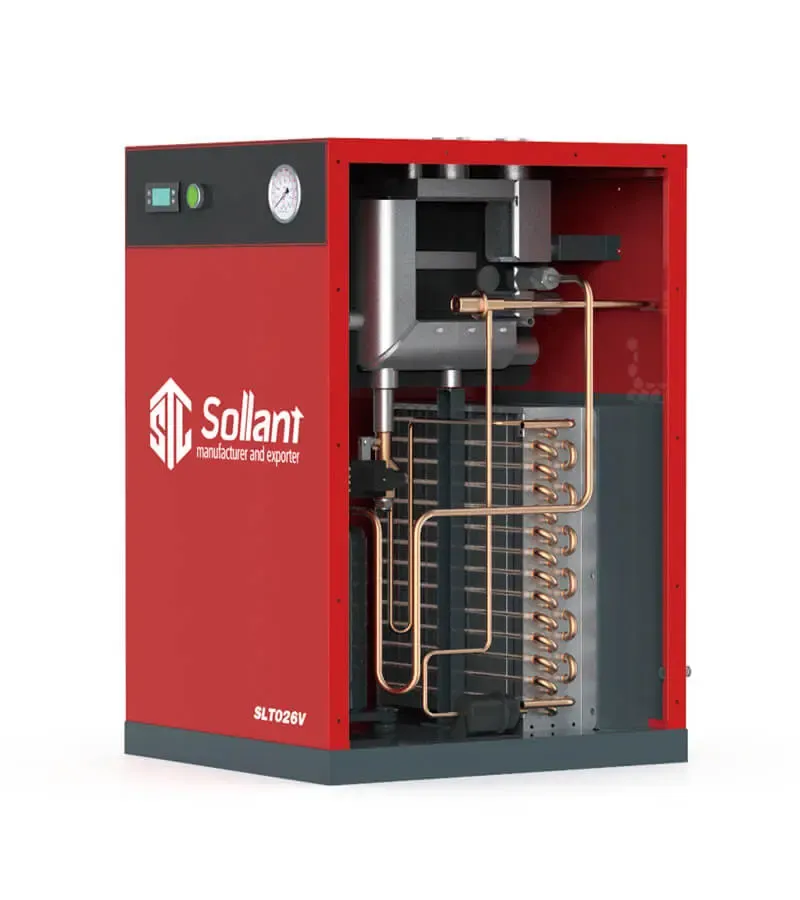
Dew point in compressed air systems tells the temperature when water vapor becomes liquid. This is important because too much water can cause rust. It can also hurt equipment and make products worse. Dew point is not the same as ambient humidity. Dew point affects how stable the system is. It also affects how long pneumatic tools work.
Equipment can break if water removes lubricants or makes ice. This can make pneumatic valves, cylinders, and instruments stick or stop working.
Sollant is a top air compressor maker in China. They offer good air-dryer-for-air-compressor solutions. These help you control moisture and keep your operations safe.
Impact Type | Description |
|---|---|
Corrosion and Rust | Too much water causes rust and scaling. This hurts parts and makes them not last as long. |
Equipment Malfunctions | Water can remove lubricants or freeze. This makes pneumatic tools break or work badly. |
Operational Inefficiency | Lots of moisture can waste energy and lower system power. This makes performance worse. |
Table of Contents
Key Takeaways
Dew point is the temperature when water vapor becomes liquid. Watching dew point helps stop rust and damage to machines.
If there is too much moisture in compressed air, machines can break. It can also make products worse. Checking often is important.
Air dryers help control dew point well. They keep air clean and dry. This makes machines work better and last longer.
Different industries have their own dew point rules. Following these rules keeps things safe and products good.
Checking and taking care of dew point often saves energy money. It also helps things run better.
Dew Point Basics
What Is Dew Point?
It is important to know about dew point in compressed air. Dew point is the temperature when water vapor turns into liquid. At this temperature, air cannot hold more water vapor.
Dew point shows when air is full of water vapor.
Water vapor changes into liquid at the dew point.
In compressed air systems, dew point is when water vapor becomes liquid as fast as it evaporates.
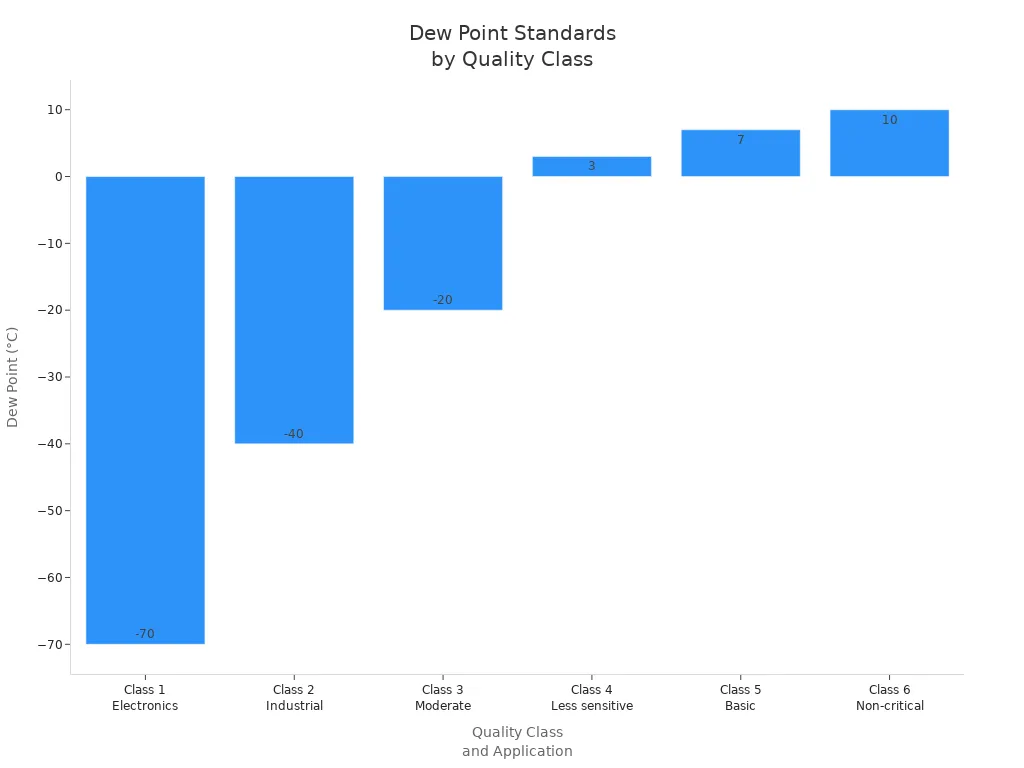
If you do not control dew point, water can build up in pipes and tools. This leads to rust and scaling. It can break equipment and make products worse. Different industries have dew point rules to keep air dry and safe. The ISO 8573-1 standard helps you know the right dew point for your job. Here is a table that shows dew point classes for different uses:
Quality Class | Dew Point (°C) | Application Areas |
|---|---|---|
1 | -70 | Electronics, pharmaceuticals |
2 | -40 | General industrial applications |
3 | -20 | Moderate sensitivity applications |
4 | 3 | Less sensitive applications |
5 | 7 | Basic industrial applications |
6 | 10 | Non-critical applications |
Sollant is a top air compressor factory in China. Sollant sells good products at low prices. Many companies trust Sollant for compressed air solutions.
Dew Point vs. Humidity
You may wonder how dew point and humidity are not the same. Dew point is the temperature when moisture starts to turn into liquid. Humidity tells how close air is to being full of water vapor.
When air cools, it gets more full. Condensation happens at the dew point.
Relative humidity does not show all the moisture in the air.
This difference is important in compressed air systems. If you only check humidity, you may miss hidden moisture problems. Dew point tells you when water will form inside your system. Too much moisture can cause rust, broken equipment, and bad products. Many industries need strict dew point rules to stop downtime and keep products safe.
Compressed Air Moisture Issues
Effects on Equipment
Moisture in compressed air can hurt your equipment. Water makes rust and corrosion inside pipes and valves. Metal parts can wear out faster. Pneumatic tools may stick or stop if water removes lubricants. Water can freeze in cold weather and block air flow. Debris can build up in tubes and make airflow worse.
Moisture often comes from flooded water separators or clogged coolers. It can also come from using refrigerated dryers the wrong way. If you ignore these problems, repairs can cost a lot. You might have to stop work. Pulp and paper mills often get bad rust on cylinder pistons. This can break control valves and pressure systems. Seals can dry out and crack. Air leaks and performance gets worse.
Sollant knows these problems well. Sollant makes compressed air systems in China. Sollant uses strong parts and new technology to keep equipment safe. Sollant’s air-dryer-for-air-compressor helps take out moisture and protect your tools.
Tip: Check and test your system often to stop moisture problems and keep your equipment working well.
Impact on Product Quality
Moisture in compressed air can ruin products. Water in the system causes rust and scaling. This can hurt pipes and machines. Paint can look uneven or powder can clump together. In food and medicine, moisture helps bacteria and mold grow. This can spoil food and break tablets.
If you use compressed air for packaging, moisture can make food wet and unsafe. In electronics, water can cause oxidation and bad solder joints. Rust and water can make control instruments give wrong readings. You might not meet air purity rules.
Sollant’s air-dryer-for-air-compressor keeps air dry and clean. Sollant’s solutions help you keep products safe and high quality. Sollant sells good and affordable compressed air systems for many jobs.
Note: Dry compressed air helps you stop product problems and follow strict quality rules.
Energy Consumption
Moisture in compressed air makes you use more energy. Water in the system makes compressors work harder. Plugged coolers and leaks use more power. You may pay more for electricity and get less work done. Broken equipment from moisture also needs more energy.
Check and fix your system often to save energy. Sollant makes compressed air systems that save energy. Sollant’s air-dryer-for-air-compressor takes out moisture and lowers your costs. Sollant’s products help your business run better.
Tip: Keeping your compressed air system dry uses less energy and saves money.
Pressure and Dew Point
Pressure Dew Point Explained
When you use compressed air in your factory, you need to know about pressure dew point. This is the temperature at which water vapor in the air will start to condense into liquid at the system’s working pressure. As you increase the pressure in your system, the dew point also rises. This means water can form inside your pipes and tools even if the air feels dry outside.
The pressure dew point tells you how much moisture remains in your compressed air at full line pressure.
If the dew point is too high, water can condense, causing rust, equipment failures, and product defects.
Keeping a low dew point helps your system run smoothly and protects your products.
For example, if you have air with a dew point of -10 °C at normal pressure, compressing it to 2 atm raises the dew point to about -1 °C. This shows that compressed air holds less moisture at higher pressures, so you must control the dew point to avoid problems.
Sollant, a leading air compressor factory in China, builds reliable machines and air dryers that help you keep the dew point low. Their products are high quality and affordable, making them a smart choice for your business.
Atmospheric vs. Pressure Dew Point
You might hear about both atmospheric dew point and pressure dew point. These terms are not the same. The table below shows the difference:
Type of Dew Point | Definition |
|---|---|
The dew point of the compressed air at full line pressure, which increases with compression. | |
Atmospheric Dew Point | The dew point if the air is fully depressurized to atmospheric conditions, which is lower. |
When you compress air, the dew point goes up.
When you release the pressure, the dew point drops.
For example, compressed air at 200 PSIG may have a pressure dew point of -40º F, but this changes as you lower the pressure.
You need to convert between these two dew points for accurate system design. Many charts use different pressure units or only show certain values, making conversion tricky. Using the right calculation method helps you avoid mistakes and keeps your compressed air system safe and efficient.
Tip: Always measure and control the dew point at the pressure your system uses. This helps you prevent corrosion, save energy, and meet industry standards.
Dew Point Measurement and Control
How to Measure Dew Point
You need to check dew point to keep your compressed air safe. Dew point measurement shows how much water is in your air. If you do not check, water can build up and cause harm.
There are two main ways to measure dew point in compressed air. Each way has good and bad points:
Measurement Method | Accuracy | Advantages | Disadvantages |
|---|---|---|---|
Chilled Mirror Hygrometers | Very accurate, works in many conditions, does not drift | Expensive, needs care, slower to react | |
Polymer Capacitive Dew Point Sensors | ±1–2 °C (general use) | Cheaper, good for many jobs, small and easy to use | Not as accurate, may not work for very dry air |
You should check dew point readings often. Here are some best tips:
Follow the calibration plan from your sensor’s maker. Most sensors need recalibration every one or two years. In tough places, check more often.
Use a trusted tool or service to compare your sensor’s readings.
Do regular checks with a portable hygrometer to make sure your readings are right.
New technology makes dew point checks easier and better. Some new sensors use smart programs and machine learning. These can help you save energy and find problems early. Portable tools like the Easidew PDP Dryer Portable let you record data and check dew point in many places. Many new systems use IoT sensors for real-time checks. This helps you keep your compressed air system working well.
Tip: Regular dew point testing helps you find moisture problems before they cause damage or stop your work.
Sollant Air-Dryer-for-Air-Compressor Solutions
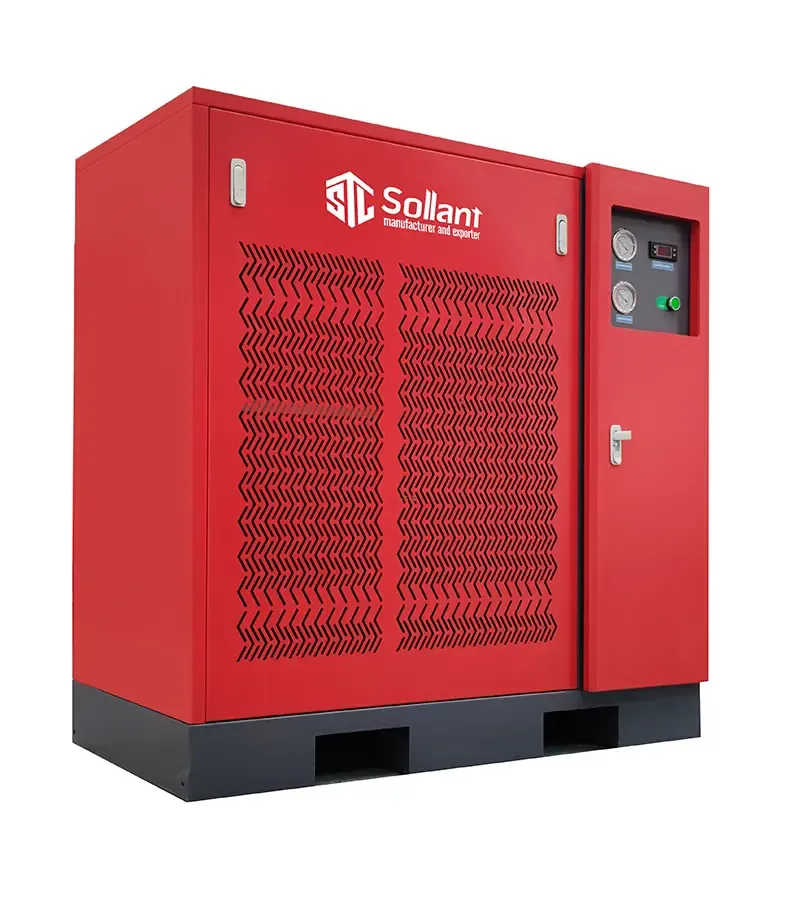
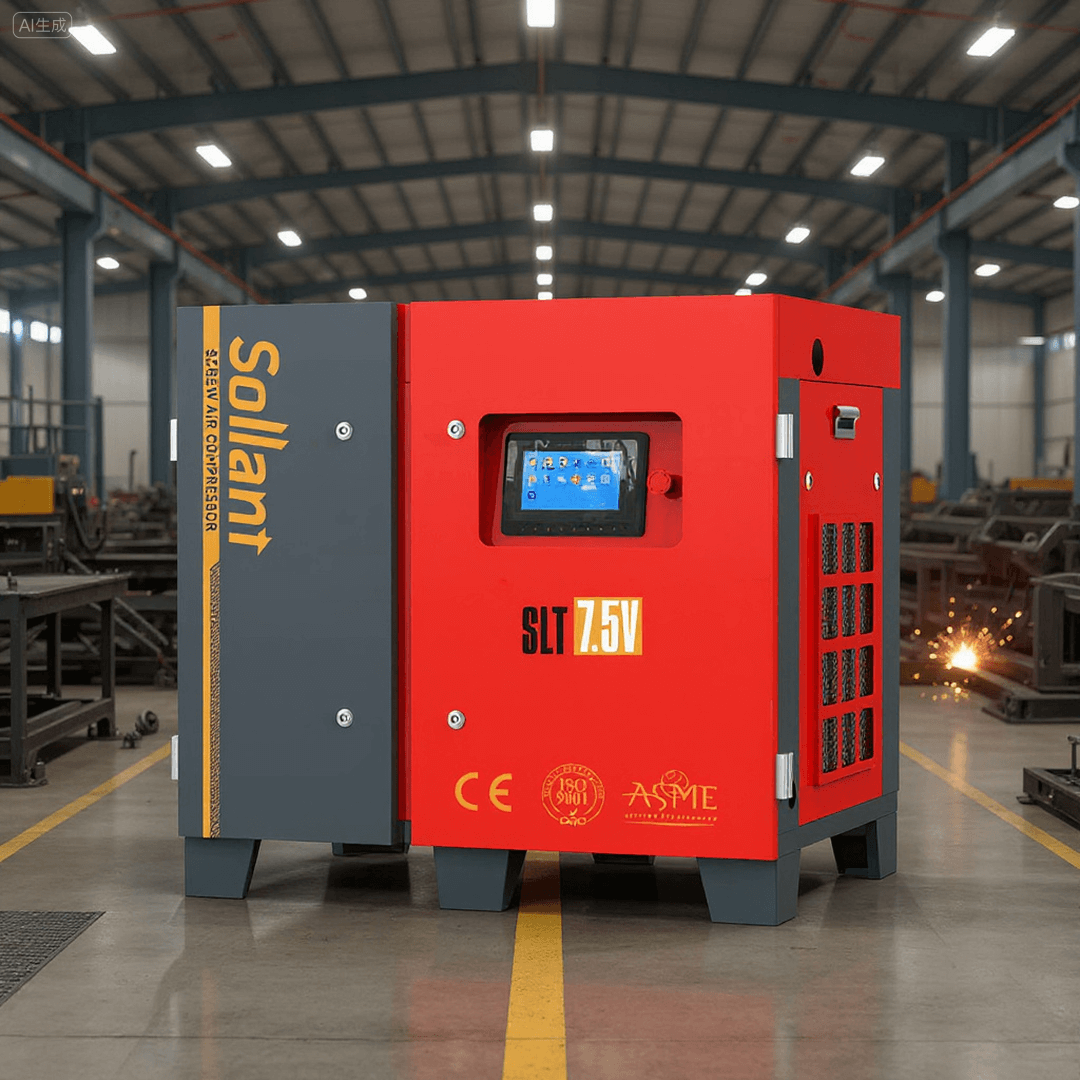
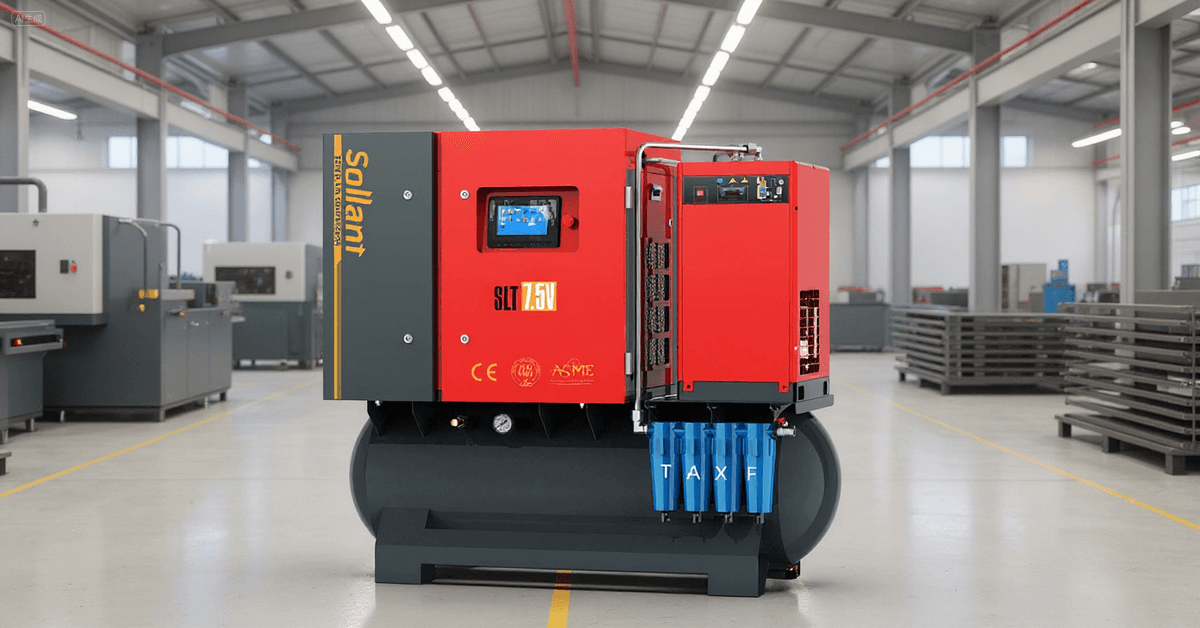
Sollant is a Chinese air compressor factory known for good quality and low prices. Sollant offers air-dryer-for-air-compressor solutions that help you control dew point and keep your air dry.
Here are some main features of Sollant’s air dryer solutions:
Feature | Description |
|---|---|
You can set the dew point you want. This gives you good control over moisture in your air. | |
Temperature Range | Sollant dryers reach dew points from +2 °C to -40 °C. This fits most industrial needs. |
Tailored Solutions | Sollant offers dryers for many jobs, from simple tools to sensitive electronics work. |
Sollant’s products meet or beat industry rules for dew point:
Product Type | Dew Point Reduction | Industry Standard Dew Point |
|---|---|---|
Sollant Desiccant Air Dryer | 35°F to 40°F | |
Refrigerated Air Dryer | 35°F to 40°F | 35°F to 40°F |
You can trust Sollant to help you meet strict air quality rules. Sollant dryers take out moisture and protect your equipment. This helps you avoid rust, bad products, and wasted energy. Sollant’s solutions fit many jobs, like food, electronics, and factories.
Note: Using a Sollant air dryer helps you keep your compressed air system safe, reliable, and saves money.
Maintenance Tips
Good care keeps your compressed air system working well. It also helps you control dew point and avoid big problems. Here are some important tips:
Watch dew point all the time. Install sensors to check moisture levels.
Use and care for air dryers. These cool air below the dew point to remove water.
Add water separators to your air lines. These take out liquid water before it gets to your tools.
Use air line water filters. Filters catch small water drops and dirt.
Make sure you have good drainage. Use drains to remove water from pipes and tanks.
Check your system every day. Look for signs of water or leaks.
Train your team. Teach everyone how to find and fix moisture problems.
You should also design your pipes to avoid cold spots. Cold spots can make water form inside pipes. Keep pipes away from air vents and outside walls. This helps stop water from forming in the wrong places.
Regular care makes your system more reliable and efficient. When you check and fix problems early, you stop breakdowns and save money. Watching your system all the time lets you find issues before they get worse. Good care keeps your compressed air system running its best.
Reminder: A well-cared-for system gives you dry, clean air and helps your business do well.
You must control dew point in compressed air systems. This keeps your workplace safe and your products good. Moisture can cause rust and wear out tools. It can also freeze pipes. Checking dew point often helps you save money. It also helps you make more products. Sollant is a trusted air compressor factory in China. They sell air-dryer-for-air-compressor solutions you can rely on. These dryers help your system work better. They make equipment last longer. They help you follow industry rules.
Benefit | Description |
|---|---|
Improved Efficiency | Clean, dry air makes your system work better |
Extended Equipment Life | Tools last longer and need fewer repairs |
Enhanced Product Quality | No problems from moisture in your products |
Pick the dryer that fits your job. Check dew point often to keep your system working well.
FAQ
What is the dew point in compressed air systems?
Dew point shows the temperature when water vapor turns into liquid in compressed air. You need to watch this number to keep your equipment safe and your products dry.
Why should you control moisture in compressed air?
Moisture causes rust, damages tools, and lowers product quality. You protect your machines and save money when you keep air dry.
How does Sollant help you manage dew point?
Sollant offers air-dryer-for-air-compressor solutions. You get reliable, energy-saving dryers from a trusted Chinese factory. Sollant products give you high quality at a low price.
Which industries need strict dew point control?
Electronics, food, medicine, and automotive industries need very dry air. You must follow strict rules to keep products safe and meet standards.
How often should you check the dew point?
You should check dew point every day. Use sensors or portable meters. Regular checks help you find problems early and keep your system working well.
Request a Quick Quote Now
How to do my business well ?
- Market situation
- Technology configuration
- Strike Price
- exclusive agency
- Import and export assistance
- More…

