
Top Tips for Maintaining Your Screw Air Compressor
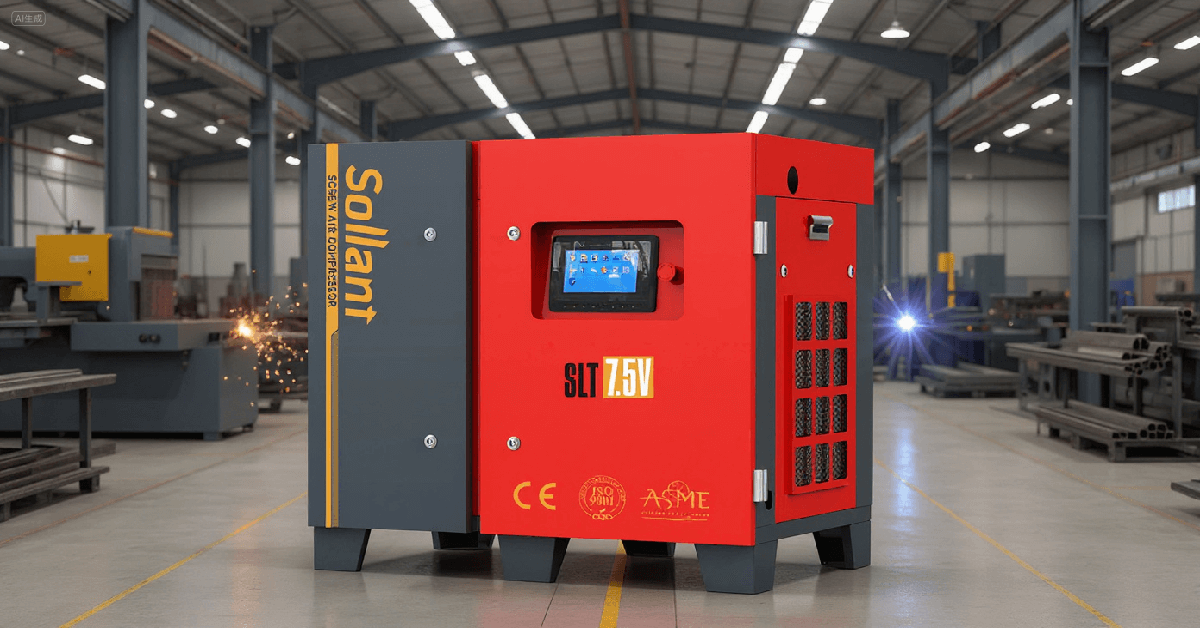
Imagine your workshop suddenly halting because your Screw Air Compressor fails without warning. You can avoid costly breakdowns like this by making regular maintenance a habit. Real-time checks help you spot small issues before they become major problems. Sollant, a trusted leader in air compression systems, supports you with reliable solutions so you can focus on productivity.
Regular maintenance extends compressor lifespan.
Consistent care lowers downtime and repair costs.
Simple checks like filter changes and oil level inspections prevent major failures.
Compressors with routine maintenance last up to 50% longer than neglected units.
Table of Contents
Key Takeaways
Regular maintenance can extend the lifespan of your screw air compressor by up to 50%.
Create a maintenance schedule based on the manufacturer’s recommendations to avoid unexpected breakdowns.
Perform simple checks like oil level and filter changes to prevent major failures and costly repairs.
Use monitoring tools to track performance and catch issues early, saving time and money.
Keep your compressor room clean and well-ventilated to ensure safe and efficient operation.
Maintenance Schedule
Why Scheduling Matters
You need a clear maintenance schedule to keep your Screw Air Compressor running smoothly. Following the manufacturer’s recommended intervals helps you avoid unexpected breakdowns and costly repairs. Regular maintenance ensures reliable performance and extends the service life of your equipment. You can prevent failures and minimize operational costs by inspecting key components like the airend, drive train, motor, and filters. Early detection of issues through scheduled checks helps you avoid sudden downtime. With proper care, your compressor can last 15 to 20 years.
Sollant supports you with customized maintenance plans and reliable service. Their expertise helps you create a schedule that fits your specific needs. You can trust sollant to provide guidance and solutions that keep your compressor in top condition.
Tip: Consistent maintenance is the best way to protect your investment and keep your operations running without interruption.
Tracking Intervals
Tracking maintenance intervals is simple when you use the right tools. You can follow the recommended schedule from leading manufacturers:
Maintenance Type | Operating Hours | Frequency |
|---|---|---|
Basic PM | 6 months | |
Full PM | 2,000–4,000 | 12 months |
Triennial PM | 8,000–12,000 | 3 years |
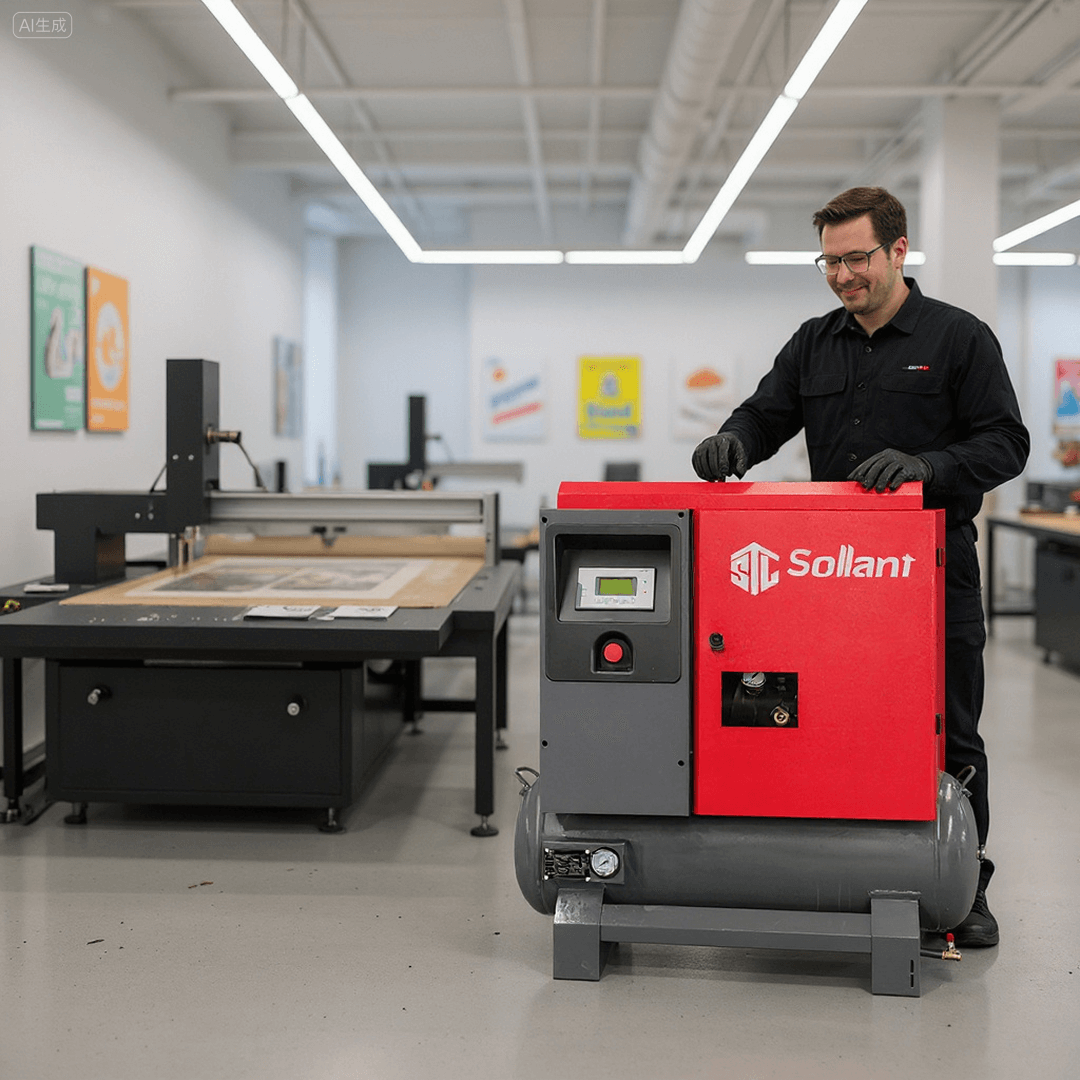
You can use a computerized maintenance management system (CMMS) to monitor condition data and plan service tasks. Electronic compressor controls give you real-time information, helping you maximize service intervals and reduce energy use. These tools help you move from a simple calendar-based approach to a data-driven strategy. You can eliminate unplanned downtime and reduce maintenance costs. Informed decisions extend the life of your compressor and keep your business productive.
Core Parameter Checks
Keeping a close eye on your Screw Air Compressor’s core parameters helps you avoid unexpected problems and keeps your system running smoothly. Real-time monitoring lets you spot small changes before they turn into big issues. You should focus on four main areas: pressure, temperature, oil level, and electrical current.
Pressure & Temperature
You need to check the exhaust pressure and temperature during every shift. These numbers tell you if your compressor is working within safe limits. Most compressors operate best with a production pressure between 5 and 15 bar. The maximum pressure should never go above 15 bar. For temperature, the ideal range is 50 to 85 degrees Fahrenheit. The motor insulation can handle up to 105°F, but running close to this limit can shorten the life of your equipment.
Tip: If you notice the pressure rising too high or dropping too low, check for blockages or leaks right away. High temperatures may mean the cooling system needs cleaning or the oil is old.
Sollant recommends recording these values every 1-2 hours. Use a simple logbook or a digital system to track trends. This habit helps you catch abnormal readings early and take action before damage occurs.
Oil Level & Current
You should check the oil level daily. The oil keeps the compressor head lubricated and prevents wear. If the oil drops below the minimum mark, refill it immediately. Low oil can cause dry grinding and serious damage.
Electrical current is another key parameter. Watch the motor’s current at the control panel. It should stay within 5% of the rated value. If the current spikes, the compressor may be overloaded or have worn parts. Sollant’s service team suggests noting these readings in your maintenance log. Quick action on abnormal current can prevent motor failure.
By following these best practices, you keep your Screw Air Compressor reliable and efficient. Sollant’s expertise and support make it easy to set up a routine that protects your investment.
Key Component Inspection
Air Intake System
You need to inspect the air intake system regularly. A clean air filter keeps dust and debris out of your compressor. If the filter gets blocked, the compressor works harder and uses more energy. You should check for leaks in the intake valves and make sure the system matches your air demand. Sollant recommends using high-quality filters for better protection and longer equipment life.
Solutions | |
|---|---|
Blocked air filters or intake valves | Replace or clean air filters and inspect valves. |
Air leaks in the system | Seal leaks to maintain efficiency. |
Excessive demand exceeding compressor capacity | Adjust system or upgrade compressor. |
Tip: Replace air filters every 2,000 hours or sooner if you notice reduced airflow.
Oil-Gas Separator
The oil-gas separator keeps oil out of the compressed air. If it malfunctions, you may see oil leaks or hear strange noises. Increased oil consumption means you need to check the separator. Too much oil in the air stream can damage downstream equipment. Sollant’s advanced separator technology helps you avoid these problems.
Impact on Efficiency and Safety | |
|---|---|
Increased Oil Consumption | Higher maintenance costs and potential damage to the compressor or engine due to frequent oil top-offs. |
Visible Oil Leaks | Indicates compromised equipment, leading to crankcase pressure issues and potential system failure. |
Excessive Oil in the Air Stream | Can damage downstream components and reduce overall equipment performance. |
Unusual Noises or Vibration | May indicate mechanical issues that can shorten the lifespan of the machinery and affect performance. |
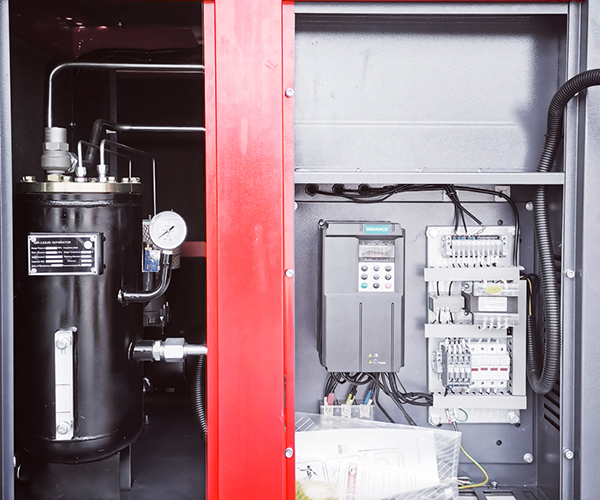
Cooling System
You should clean the cooler and radiator often to prevent overheating. Dust and oil can build up and lower cooling efficiency. Inspect cooler pipes for leaks. Check cooling water for pH and sediment levels. Sollant recommends regular cleaning based on your application. Sawmills may need more frequent cleaning than pharmaceutical plants.
Clean coolers as needed to prevent overheating.
Inspect cooler piping for leaks.
Check cooling water for pH and sediment as part of preventive maintenance.
Safety Devices
Modern compressors use safety devices to protect you and your equipment. Pressure relief devices release excess pressure and prevent explosions. Safety sensors monitor temperature, pressure, and lubricant levels. These sensors trigger alarms or shut down the compressor if something goes wrong.
Function | |
|---|---|
Pressure Relief Device | Prevents over-pressurization by releasing excess pressure, thus avoiding potential explosions. |
Safety Sensors | Detects abnormal conditions (e.g., over-temperature, low lubricant) and triggers alarms or shutdowns. |
Safety sensors monitor for:
Over-temperature
Over-pressure
Low lubricant levels
Pipes & Valves
You should inspect all pipes and valves for leaks or damage. Use soapy water to check for air leaks. Tighten bolts or replace gaskets if you find leaks. Sollant’s service team can help you keep your system sealed and efficient. Regular inspections prevent wasted air and keep your Screw Air Compressor running smoothly.
Lubrication & Oil
Oil Level Check
You need to check the oil level in your screw air compressor regularly. Oil keeps moving parts lubricated and prevents friction. If the oil drops below the minimum mark, you risk damaging the compressor head. Regular checks help you avoid costly repairs and keep your equipment running smoothly.
Tip: Always inspect the oil gauge before starting your compressor. If you notice the oil is low, refill it immediately.
Sollant recommends using high-quality lubricants and monitoring the oil level daily. You can extend the life of your compressor by keeping the oil topped off. Field data shows that poor lubrication leads to increased friction, oil deterioration, and even equipment failure. Monitoring the total acid number (TAN) of the oil helps you track oxidation and prevent damage.
Oil Type | Recommended Interval |
|---|---|
Standard Oil | |
Food Grade Oil | Every 2,000 hours or 3 months |
Regular oil checks also help you spot problems early, such as emulsification from water condensation or rust in the system. Sollant’s service team can guide you on best practices for oil management.
Oil Change Frequency
Changing the oil at the right time is essential for compressor health. You should follow the manufacturer’s recommendations and consider your operating environment. High temperatures speed up oil oxidation, so you may need to change oil more often in hot conditions. Regular oil analysis helps you decide when to change oil based on its actual condition.
Check oil levels and change lubricant annually or every 8,000 hours.
Perform quarterly checks for food-grade oil.
Keep coolers clean to manage oil temperature.
Minimize contaminants to protect oil quality.
Use oil purification systems to control solid and acidic contaminants.
If you ignore oil changes, moisture and contaminants can build up, causing breakdowns and higher maintenance costs. Sollant offers advanced oil management solutions and expert support to help you maintain optimal lubrication. By adopting a routine oil change schedule, you ensure your screw air compressor runs efficiently and lasts longer.
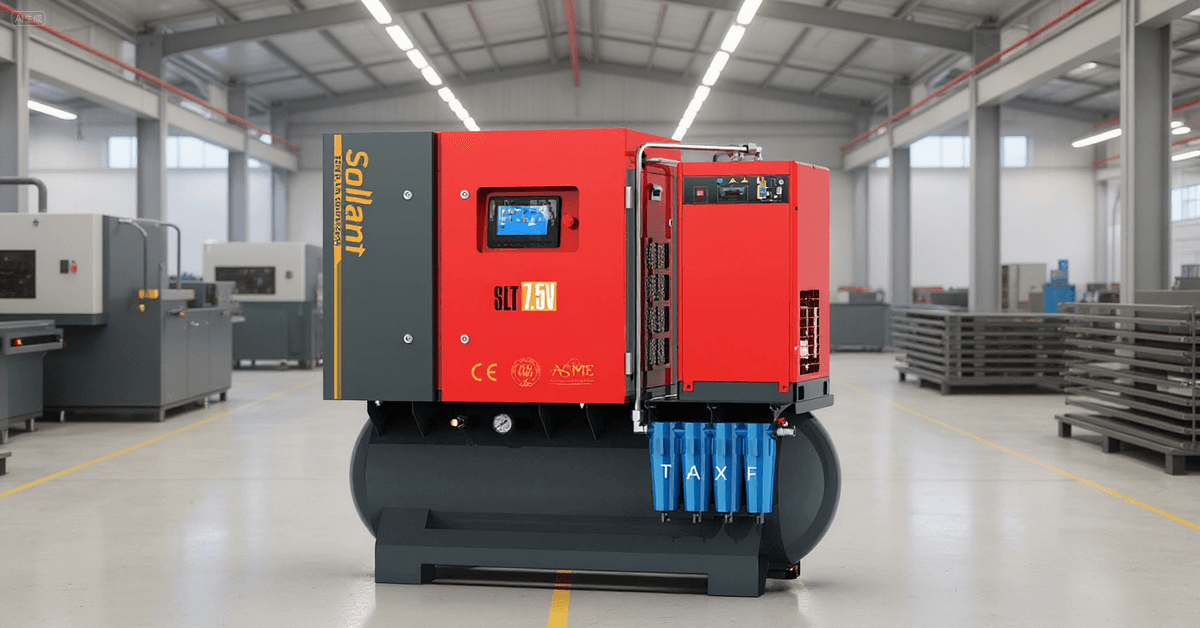
Leak Detection
Air & Oil Leaks
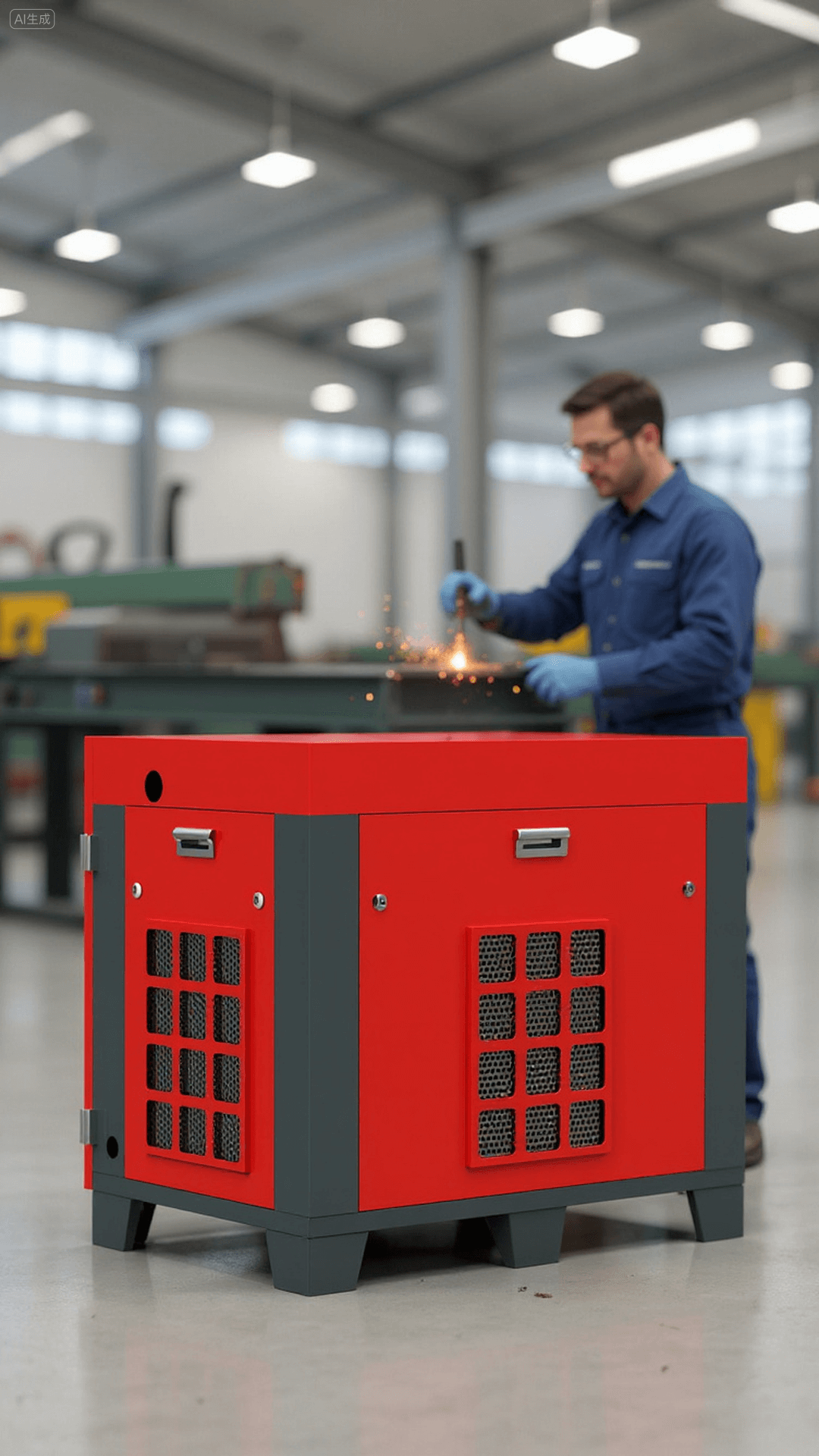
You need to check for air and oil leaks in your screw air compressor system. Even small leaks can waste energy and increase your operating costs. Air leaks lower system pressure, which makes your compressor work harder. Oil leaks can damage equipment and create safety hazards. You should look for oil stains around the compressor base, fittings, and hoses. If you see oil pooling or dripping, take action right away.
Tip: Regular leak checks help you avoid unexpected downtime and keep your compressor running efficiently.
Sollant recommends inspecting your compressor room for unusual smells or visible mist. These signs often point to leaks. You can also use a simple flashlight to spot oil sheen on surfaces. If you find leaks, tighten fittings or replace worn seals. Sollant’s service team can help you fix persistent problems and keep your system sealed.
Hoses & Fittings
Hoses and fittings are common sources of leaks in screw air compressors. You should inspect them often to catch problems early. Here are some of the most effective ways to detect leaks:
Listen During Off-Hours: Turn off the compressor and listen for hissing sounds. This method helps you find large leaks quickly.
Use Soapy Water: Apply a soap solution to hoses and fittings. Bubbles will form where air escapes, showing you the exact spot of the leak.
Deploy Ultrasonic Detection: Use an ultrasonic detector to pick up high-frequency sounds from small leaks. This tool helps you find leaks that are hard to hear.
Leak Detection Method | Best For | Tools Needed |
|---|---|---|
Listening | Large leaks | None |
Soapy Water | Visible leaks | Soap solution, brush |
Ultrasonic Detection | Small, hidden leaks | Ultrasonic detector |
You should replace cracked hoses and worn fittings as soon as you find them. Sollant offers high-quality replacement parts designed for durability and a tight seal. By using reliable components and following these detection methods, you keep your air compressor system efficient and safe.
Moisture Control
Condensate Drain
Moisture builds up inside your screw air compressor during normal operation. If you do not remove this condensate, it can cause several problems. You need to drain condensate regularly to keep your compressor running efficiently. Most modern compressors use automatic drains, but you should still check them often.
When condensate stays in the system, you may notice:
Disrupted airflow, which lowers pressure and reduces efficiency.
Corrosion in pipes and fittings, which shortens the life of important parts.
Poor air quality, which can harm sensitive equipment or products.
You can prevent these issues by inspecting drains and making sure they work properly. Sollant recommends using high-quality automatic drains and oil-water separators. These tools help you remove water and oil from the system before they cause damage. If you see water pooling near your compressor or notice rust on fittings, act quickly to fix the problem.
Tip: Set a reminder to check your condensate drains at least once a week. This simple habit protects your equipment and keeps your air supply clean.
Environmental Impact
Proper condensate management does more than protect your compressor. It also helps you meet environmental regulations. Many countries have strict rules about how much oil you can release into wastewater. You must use oil-water separators to filter out oil and particles before discharging condensate.
Regulation | Details |
|---|---|
Oil Discharge Limit | Must not exceed 40 parts per million (ppm) of oil in discharged water. |
Penalties for Non-Compliance | Up to $25,000 per day for negligent violations; fines can escalate to $100,000 per day for known violations. |
Required Equipment | Oil-water separators are necessary to manage condensate and ensure compliance. |
Improper disposal of condensate can clog sewage systems, create safety hazards, and pollute local water sources. You can take these steps to stay compliant and protect the environment:
Use oil/water separators to filter oil and particles from condensate.
Consider biodegradable lubricants that may meet local wastewater treatment requirements.
Sollant offers advanced condensate management solutions that help you meet both operational and environmental standards. By choosing Sollant, you support a cleaner, safer workplace and help protect the planet for future generations.
Safety & Environment
Room Conditions
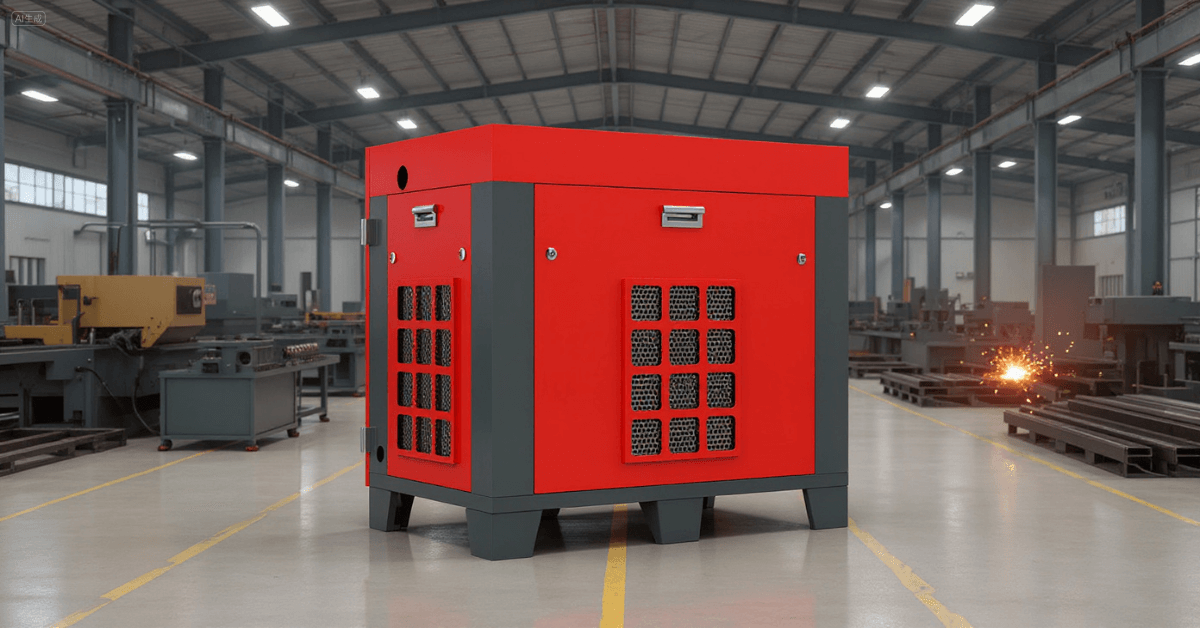
You need to keep your compressor room in top shape to ensure safe and efficient operation. The right environment helps your screw air compressor work reliably and last longer. Industry guidelines recommend several key conditions:
Keep the room temperature between 50–85°F (10–29°C). This range prevents freezing and overheating.
Use ventilation that draws air from outdoors. Place the intake low enough to avoid snow but high enough to keep out dust and corrosive substances.
Install ventilation fans high on one wall. Put the air intake on the opposite wall. Make sure the air velocity stays below 4 meters per second.
Provide enough ventilation to limit temperature increases in the room to 7–10°C. If you cannot ventilate well, consider a water-cooled compressor.
Sollant designs compressors to perform well in a variety of environments. Their systems work best when you follow these room guidelines. Good room conditions help you avoid breakdowns and keep your equipment running smoothly.
Tip: Check your compressor room weekly for temperature, airflow, and cleanliness. Small changes can make a big difference in performance.
Protective Measures
You can reduce workplace accidents by following smart protective measures. Safety starts with training and continues with daily habits. Here are some of the most effective steps:
Train all operators. Make sure everyone understands controls, emergency procedures, and how to use personal protective equipment (PPE).
Handle high-pressure components with care. Secure all connections and avoid kinks in hoses. Never use compressed air for cleaning.
Maintain proper ventilation. Good airflow prevents overheating and keeps air quality safe.
Control noise. Install mufflers and provide hearing protection to reduce noise hazards.
Test pressure relief valves regularly. This ensures they work when needed.
Practice emergency shutdown procedures. Quick action can prevent injuries and equipment damage.
Sollant supports you with safety-focused designs and expert guidance. Their compressors include advanced safety features and clear instructions for safe operation.
🛡️ Note: Regular safety checks and training protect you, your team, and your investment. Make safety a daily habit for reliable compressor performance.
Screw Air Compressor Filters
Filter Replacement
You need to check and replace filters in your Screw Air Compressor on a regular basis. Clean filters keep your compressor running smoothly and protect the system from damage. When you let filters get dirty or clogged, you risk letting dust and particles enter the lubrication system. This can cause the compressor oil to break down faster and lead to more wear on moving parts.
A fresh filter also helps your compressor use less energy. If a filter gets blocked, the compressor has to work harder to push air through. This increases the pressure drop and makes the whole system less efficient. You may notice higher energy bills and lower air quality if you skip filter changes.
Dirty filters allow dust and particles to enter the system, which can contaminate the lubricant.
Blocked filters increase pressure drop, causing the compressor to use more energy.
Regular filter changes help maintain clean, dry, and high-quality compressed air.
Tip: Check your filters every 2,000 hours or sooner if you work in a dusty environment. Replace them right away if you see signs of clogging or damage.
Sollant Filter Solutions
Sollant offers advanced filter technology designed to keep your air compressor running at its best. Their filters use high-density materials and nano-plating, which trap even the smallest particles. This means you get cleaner air and longer-lasting compressor oil. Sollant filters resist high temperatures and chemical exposure, so they stay strong in tough conditions.
You can choose from a range of filter options to match your specific needs. Sollant provides custom solutions for different industries and environments. Their filters fit perfectly with your system, helping you avoid leaks and pressure loss.
Feature | Benefit |
|---|---|
High-density filter material | Captures fine dust and particles |
Nano-plating technology | Improves durability and filtration |
Custom sizing and design | Fits your unique compressor setup |
Chemical and heat resistance | Works well in harsh environments |
Sollant’s expert team can help you select the right filter and set up a replacement schedule. With Sollant filters, you protect your equipment, save on energy costs, and keep your air supply clean.
Air Treatment Equipment
Dryer & Separator
Air treatment equipment plays a key role in keeping your screw air compressor system reliable. You need to focus on air dryers and separators to maintain high-quality compressed air. Air dryers remove moisture from the air before it enters your tools and machines. Without a dryer, water vapor can condense inside the pipes. This moisture can cause corrosion, rust, and even microbial growth. It can also freeze in cold weather, jamming moving parts and damaging your equipment.
Air dryers and separators help you:
Prevent moisture-related damage and corrosion inside your system.
Improve product quality by delivering clean, dry compressed air.
Stop water buildup that can lower equipment performance.
Reduce the risk of contamination, which is important for food and pharmaceutical industries.
Inhibit rust and microbial growth, keeping your system safe and efficient.
Protect steel components and extend the life of your compressor.
Sollant offers advanced air dryers and separators that remove up to 70% of moisture from compressed air. In humid environments, you may need extra drying equipment to keep air quality high. Sollant’s solutions help you meet strict industry standards and keep your operations running smoothly.
Tip: Clean, dry air protects your tools, improves efficiency, and lowers maintenance costs.
Maintenance Tips
You need to maintain your air treatment equipment to get the best results. Regular care keeps your system working at peak performance. Here are some best practices:
Inspect your air dryers, separators, and tanks often. Look for leaks, wear, or signs of failure.
Keep air intake areas clean. Replace intake and inline filters on schedule to block dust and contaminants.
Check and replace consumable parts like oil filters and lubricants. This prevents buildup and keeps air flowing smoothly.
Drain your system regularly to remove water. This step stops corrosion and protects your investment.
Sollant recommends setting a maintenance schedule and using high-quality replacement parts. Their expert team can help you choose the right equipment and provide support for routine care. By following these tips, you ensure your screw air compressor delivers clean, reliable air every day.
Performance Monitoring
System Output
You need to monitor your screw air compressor’s system output to keep your operations efficient and reliable. Tracking output helps you spot problems before they become serious. When you use a Continuous Monitoring System (CMS), you receive automatic alerts for any abnormal performance. The system sends warnings if temperature or pressure changes unexpectedly. You can respond quickly and prevent downtime.
Sollant’s advanced monitoring solutions give you real-time data. You see guidance for resolving issues as soon as they appear. This approach reduces the risk of equipment failure and keeps your compressor running smoothly. You can use the following features to improve your monitoring routine:
Warnings for temperature or pressure changes
Real-time troubleshooting guidance
Tip: Set up your monitoring system to track output every hour. Early detection saves time and money.
Maintenance Logs
You should keep detailed maintenance logs for your screw air compressor. These records help you track the health of your equipment and plan future service. A good log includes every maintenance task, the date it was performed, and any observations about the compressor’s condition.
Sollant recommends using digital logs for easy access and analysis. You can review past entries to find patterns or recurring issues. This habit helps you make informed decisions and schedule preventive maintenance. Include the following information in your logs:
All maintenance tasks performed
Dates of each service
Observations about equipment health
Log Entry Example | Date | Task Performed | Observations |
|---|---|---|---|
Oil Change | 2024-05-01 | Replaced lubricant | Oil dark, no residue |
Filter Replacement | 2024-05-15 | Changed air filter | Filter clogged, airflow improved |
Pressure Check | 2024-05-20 | Checked exhaust | Pressure normal |
📝 Note: Consistent logging helps you catch small issues early and keeps your compressor in top shape. Sollant’s support team can help you set up a maintenance log system that fits your needs.
Sollant Support
Expert Service
You can rely on Sollant for expert service that keeps your screw air compressor running at its best. Sollant’s team helps you with every step of maintenance and troubleshooting. You get clear guidance and hands-on support for daily checks and regular service. Sollant’s expert service covers all the essentials:
Daily Inspection: You record key parameters like oil level, exhaust temperature, and pressure changes. You clean radiator dust to keep cooling efficient.
Regular Maintenance:
Every 500 hours, you replace air and oil filters and check the alignment of couplings.
Every 2,000 hours, you change the lubricating oil and oil separator and calibrate the pressure sensor.
Environmental Management: You keep your compressor room well-ventilated and below 40°C. You install pre-filter devices to reduce dust and improve air quality.
Sollant’s service team responds quickly if you notice issues, such as the pressure reaching the upper limit right after starting. This could mean a stuck compression valve, sometimes caused by freezing temperatures. Sollant’s experts help you find the cause and fix it fast. You get peace of mind knowing that Sollant stands behind you with reliable support and proven solutions.
🛠️ Tip: Regular expert checks from Sollant help you prevent small problems from turning into costly repairs.
Custom Solutions
Sollant understands that every business has unique needs. You can work with Sollant to design custom solutions for your screw air compressor system. Sollant offers a wide range of compressor models, advanced filter options, and specialized parts. You choose the features that fit your operation best.
Sollant’s engineers listen to your requirements and recommend the right setup. You get help with installation, training, and ongoing support. Sollant’s custom solutions help you:
Increase productivity with equipment tailored to your workflow.
Reduce costs by choosing only the features you need.
Meet strict industry standards for air quality and energy savings.
Sollant’s commitment to innovation and customer focus means you always get a solution that works for you. You can trust Sollant to deliver reliable, efficient, and sustainable compressed air systems for your business.
Routine checks and proactive maintenance keep your Screw Air Compressor running efficiently. You catch small problems early and avoid expensive repairs. Regular inspections help you minimize downtime and extend the life of your equipment. Sollant provides expert support and advanced solutions, making it easy for you to maintain reliable operation. Start using these tips today and reach out to Sollant for guidance that protects your investment.
Preventative maintenance increases equipment lifespan.
Routine inspections reduce costly breakdowns.
Regular care lowers total ownership costs.
FAQ
How often should you service your screw air compressor?
You should follow the manufacturer’s schedule. Most experts recommend basic service every 1,000–2,000 hours. Sollant provides custom plans to match your needs. Regular service keeps your compressor reliable and efficient.
Tip: Set reminders for maintenance tasks to avoid missing important checks.
What signs show your compressor needs immediate attention?
Watch for strange noises, oil leaks, or high temperatures. If you see pressure drops or warning lights, stop the machine and inspect it. Sollant’s support team can help you troubleshoot and fix problems quickly.
Why is filter replacement important for screw air compressors?
Clean filters protect your compressor from dust and debris. Dirty filters cause higher energy use and faster wear. Sollant’s advanced filters keep your air supply clean and extend equipment life.
Filter Type | Replacement Interval |
|---|---|
Air Filter | Every 2,000 hours |
Oil Filter | Every 2,000 hours |
How does moisture affect your compressor system?
Moisture causes rust, corrosion, and poor air quality. You should drain condensate often and use dryers or separators. Sollant offers solutions that remove moisture and protect your equipment.
Can you get custom solutions for unique compressor needs?
Yes, Sollant designs custom systems for different industries. You can choose features that fit your workflow. Sollant’s engineers help you select the right model, filters, and accessories for your business.
Request a Quick Quote Now
How to do my business well ?
- Market situation
- Technology configuration
- Strike Price
- exclusive agency
- Import and export assistance
- More…

